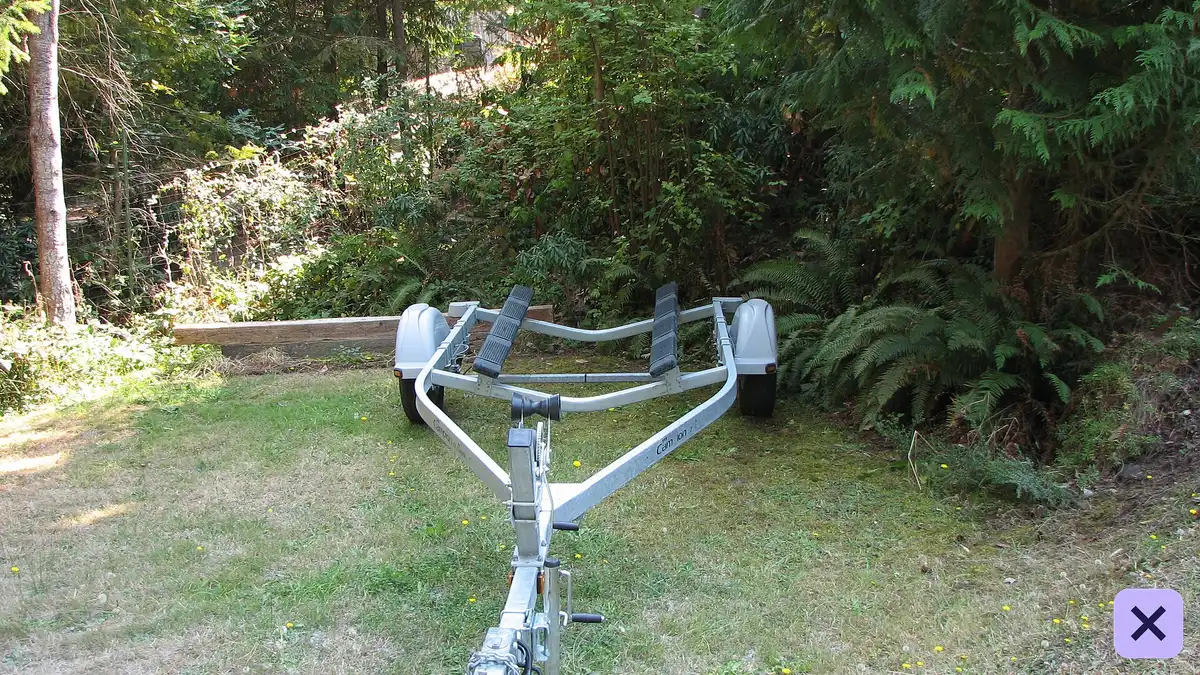
The Worst Boat Trailers of 2026: Rusted Frames, Failing Bunks and Bad Rollers
The worst boat trailers of 2026 are not the oldest trailers in the marina yard or the plainest ones at the boat ramp. They are the boat-hauling trailers that look like a bargain on the dealer lot and then wear their owners down: a rusted frame that flexes under the hull, bunks whose carpet has rotted away to bare wood, rollers that have seized solid so the boat will not slide, or an axle that was never rated for the boat sitting on it. This guide names the seven worst boat trailer types of 2026, based on repeated owner complaints, recall records and the faults mechanics see most often, so you can spot the pattern before you pay.
Key takeaways
- The rusted steel roller trailer is the boat trailer to avoid first: seized rollers, a rotting frame and brakes that have not worked since the trailer was new.
- Bunks, rollers and frame matter more than size or price: a trailer that cannot support the hull evenly, or that will not let the boat slide, cannot launch a boat safely.
- Salt water is the hidden enemy of boat trailers: thin galvanising, untreated steel and carpeted bunks that stay wet fail quietly, and the damage is found only when something breaks.
- Axle rating and brakes decide whether a trailer is legal and safe: a trailer carrying a boat heavier than its axle rating is a danger to everyone on the road.
- Always check the frame, the bunks, the rollers and the bearings in person, and test the exact trailer at a real boat ramp before you buy.
How the worst boat trailers of 2026 were chosen
Every trailer type below was scored on five measures. Hull support comes first: whether the bunks or rollers spread the boat weight evenly without pressing on the hull. Frame strength is second, judged on rust resistance, because a boat trailer is dunked in water at every launch. Rollers and winch are third, covering whether the boat slides on and off smoothly and whether the winch holds it. Brakes and bearings are fourth: whether the trailer stops safely and whether the bearings survive being dunked hot into cold water. Value is fifth: the real five-year cost, including repairs and the launches it ruins, not the price on the forecourt.
Two notes before the list. First, no trailer here is useless on paper, and most of them will carry a boat to the ramp on a short trip. They earn their place because the ownership experience lets them down, not because the idea is wrong. Second, this guide is strictly about boat trailers: trailers built to haul boats, with bunks or rollers shaped to the hull, a winch post at the front and a frame made to be backed into the water at a ramp. That is a different machine from every neighbouring vehicle. A pickup truck is a motor vehicle with its own engine that tows the trailer, a tow truck is a recovery vehicle with a winch that rescues broken vehicles, and a flatbed truck is a freight truck with an open deck that hauls strapped-down steel and lumber. Our guide to the pickup trucks to avoid in 2026 judges motor vehicles on engines and electronics, while this guide judges the trailer behind them. A boat trailer is also not a car hauler, which carries whole vehicles on a flat deck, nor a travel trailer, which is a living space on wheels, and it is not a utility trailer either: a utility trailer hauls general cargo on a flat open deck, while a boat trailer is shaped to one hull and is dunked in water at every launch.
Comparison table: the worst boat trailers of 2026
| Rank | Boat trailer type | Main problem | Buy instead |
|---|---|---|---|
| 1 | Rusted steel roller trailer | Seized rollers, rotting frame, dead brakes | Galvanised roller trailer with sealed bearings |
| 2 | Undersized single-axle trailer | Axle overloaded, tyres bulge, no brakes | Tandem-axle trailer rated above boat weight |
| 3 | Bunk trailer with rotten bunks | Carpet rots, bare wood gouges hull | Bunk trailer with composite bunks |
| 4 | No-brake boat trailer over the limit | No brakes at full load, illegal to tow | Trailer with disc brakes and breakaway |
| 5 | Thin-galvanised salt-water trailer | Coating fails, frame rusts in one season | Hot-dip galvanised trailer, rinsed after use |
| 6 | Keel-roller trailer, bent frame | Misaligned rollers, hull point-loaded | Straight-frame trailer with adjustable bunks |
| 7 | Old second-hand trailer, shot bearings | Dead bearings, dead lights, no paperwork | Used trailer with title and new bearings |
The worst boat trailers of 2026
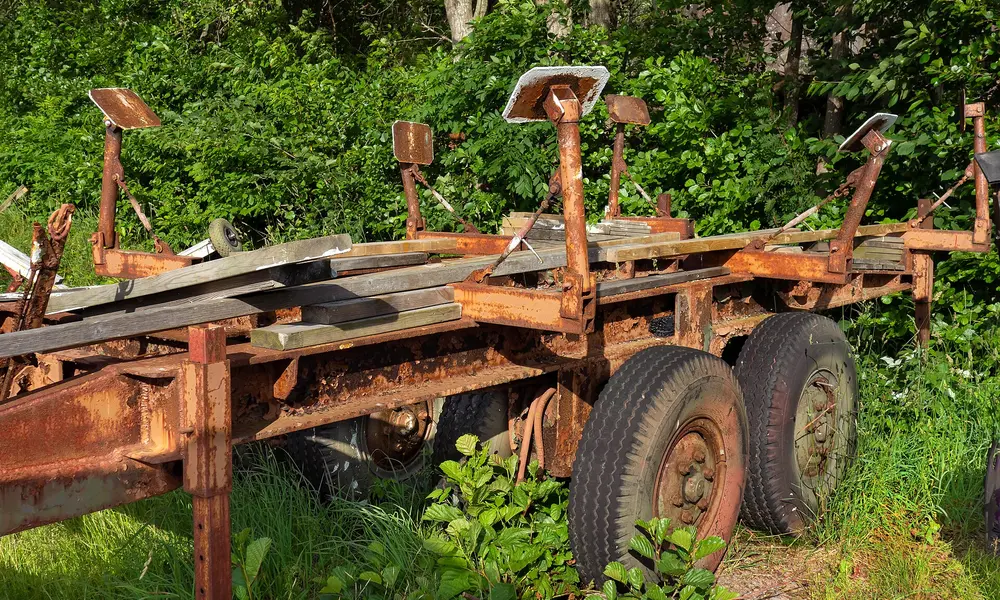
1. Rusted steel roller trailer: the boat trailer to avoid first
The rusted steel roller trailer is the bad buy to avoid first in 2026. It is sold cheap because the frame has started to rust, the rollers have seized, and the brakes have not worked since it was new. A boat that will not slide on seized rollers has to be forced on and off, which gouges the hull. Buy a galvanised roller trailer with sealed bearings instead.
2. Undersized single-axle trailer: too little trailer for the boat
The undersized single-axle trailer looks like a bargain until the boat is loaded. One small axle and no brakes mean the trailer is at its limit before fuel and gear are counted. A tandem-axle trailer rated above the loaded weight costs more, but it carries the boat and stops when you need it to.
3. Bunk trailer with rotten bunks: carpet that eats the hull
The bunk trailer with rotten bunks is the quietest failure here, because the bunks look fine until the boat is lifted off. Carpeted bunks stay wet after every launch, and after a season or two the carpet rots and the wood softens, leaving bare timber on the hull. The result is gelcoat scratches and a hull that sits unevenly. If the bunks feel soft, walk away.
4. No-brake boat trailer over the limit: a trailer that cannot stop
The no-brake boat trailer over the weight limit is a trap for buyers who trust the tow vehicle to handle it. A heavy boat on a brakeless trailer pushes the tow vehicle, and stopping distances grow dangerously. In many places a trailer over a certain weight must legally have brakes. A trailer with disc brakes costs more, but it stops straight and stays legal.
5. Thin-galvanised salt-water trailer: one season in the sea
The thin-galvanised salt-water trailer earns its place because the coating is the only thing between the steel and the sea. A thin zinc coat bubbles and peels after a season of salt water, and the frame rusts from the inside out. A hot-dip galvanised trailer costs more, but it survives years of salt water if rinsed after every launch.
6. Keel-roller trailer with a bent frame: rollers that fight the hull
The keel-roller trailer with a bent frame promises easy launching, with rollers that carry the keel. The problem is the frame: a bent frame puts the rollers out of line, so the keel is point-loaded on one or two rollers. The boat sticks on the ramp and the hull dents at the pressure points. A straight-frame trailer costs more, but it supports the hull evenly.
7. Old second-hand trailer with shot bearings: a gamble at the ramp
The old second-hand boat trailer with shot bearings is the cheapest you will find. Bearings dunked hot into cold water are usually dry and pitted, the lights rarely all work, and without a title you may not be able to register it at all. Buy a used trailer with a title and new bearings fitted instead, and budget for new tyres.
What to avoid when buying a boat trailer
The most common boat trailer regret is not a bad trailer but a wrong match: a single axle asked to carry a heavy boat, bunks that do not fit the hull, rollers that have seized, or a trailer with no brakes behind a small tow vehicle. Avoid the trap by checking three things before you pay: the real capacity on the VIN plate, including the weight of the boat, the fuel, the gear and the outboard, not the dry hull weight alone; the frame, bunks and rollers under the boat, not just a look in the yard; and the total price with the winch, the lights and the spare tyre working, not the bare trailer price. The same checks work for other tow-behind equipment too, and the traps are the same everywhere: a trailer that cannot carry its one load, a repair only a welder can make, and a bill that arrives after the sale. Our guide to the tow trucks to avoid in 2026 shows how the same reliability problems play out on recovery rigs, and our guide to the towing vehicles to avoid in 2026 judges the cars, SUVs and pickups that pull trailers, on how badly they tow.
Checklist: buying a boat trailer in 2026
- Weigh the boat fully loaded with fuel, gear and outboard, and buy a trailer rated at least ten percent above that weight.
- Inspect the frame underneath for rust, cracks and bent members, and check the bunks for soft wood and rotten carpet.
- Spin every roller by hand and winch the boat on and off, checking that the rollers turn and the winch holds.
- Jack up each wheel and spin it, listening for grinding bearings, and check the tyres for age cracks, not just tread.
- Test the lights, indicators and brakes with the trailer hitched, and launch the boat at a real ramp before you buy.
- Ask for the title, the VIN and the service history, and walk away from any trailer without paperwork, however cheap it looks.
Frequently asked questions
Which boat trailer should I avoid first in 2026?
The rusted steel roller trailer, because of its seized rollers, rotting frame and dead brakes. A galvanised roller trailer with sealed bearings is the safer buy for the same launching work.
What matters more than size in a boat trailer?
Bunks, rollers and frame condition. A trailer that cannot support the hull evenly, or that will not let the boat slide, cannot launch a boat safely, however big its frame looks.
Are boat trailers the same as utility trailers?
No. A utility trailer hauls general cargo on a flat open deck. A boat trailer is shaped to one hull, with bunks or rollers, a winch post and a frame made to be backed into the water at a ramp.
Are boat trailers the same as flatbed trucks?
No. A flatbed truck is a motor vehicle with an open deck that hauls strapped-down freight. A boat trailer is a tow-behind trailer with no engine of its own, pulled by a car, SUV or pickup.
Do I need brakes on a boat trailer?
For light boats on a small trailer, often not. For heavy boats, yes, and in many places the law requires brakes above a set weight. A boat trailer without brakes at full load stops badly and can push the tow vehicle into danger.
Is a cheap second-hand boat trailer a false economy?
Often, yes. Shot bearings, rotten bunks, dead lights and missing paperwork can cost more to fix than the saving on the purchase price. Buy the trailer with the title and the inspection record to prove it.
Bottom line
The worst boat trailers of 2026 are the ones that let a day on the water down where it hurts: a frame that rusts, bunks that rot, rollers that seize, a winch that will not hold, or brakes that were never fitted. A boat trailer is a hull-shaped trailer with bunks or rollers, not a pickup, a tow truck, a flatbed truck or a utility trailer, and it should be judged on the launching work alone. Check the capacity, the frame, the bunks, the rollers and the bearings before you buy, and the trailer will earn its keep instead of eating it.