Choosing between a Kindle and a Kobo in 2026 is less about finding the best e-reader in some absolute sense and more about matching a device to the way you actually read. Both brands now make excellent readers with sharp e-ink screens, warm front lights and weeks of battery life, so the differences that matter are found in the bookstores and the file formats.
The Kindle vs Kobo question has a clear answer for most readers, but it is not the same answer for everyone. If you buy most of your books from Amazon and want the widest selection of ebooks and audiobooks in one place, the Kindle is the easier choice. If you borrow ebooks from your local library or want to read files you already own, the Kobo is the more flexible reader.
This guide compares the two line-ups head to head in 2026, covering screens, stores, hardware, battery life, features and price, so you can pick the reader that fits your habits and budget.
Key takeaways
- Kindle wins on bookstore size, Audible integration and the smoothest buying experience, especially for readers already invested in Amazon.
- Kobo wins on openness, with built-in library borrowing, support for more ebook formats and easy sideloading of books you already own.
- Both brands offer sharp 300 ppi e-ink screens, warm lighting and waterproof models, so reading comfort is close at every price.
- Kobo devices generally cost a little more at the same screen size, while Kindle models are often discounted and cheaper to buy.
- The best choice depends on where your books come from: Amazon shoppers should pick Kindle, library users Kobo.
The Short Answer: Which E-Reader Wins in 2026?
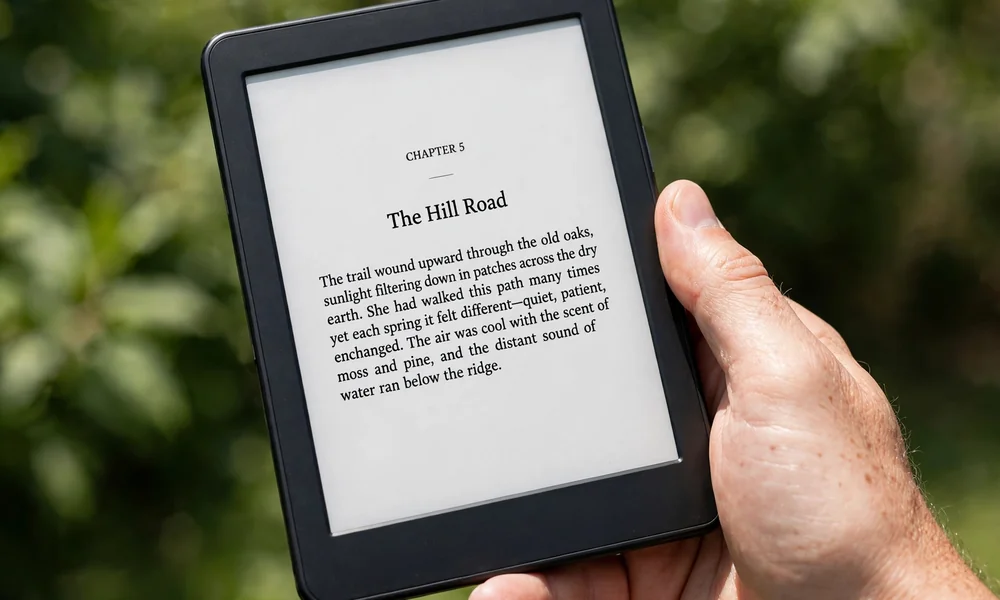
For most readers in 2026, the Kindle is the best e-reader to buy. The current Kindle Paperwhite is fast, sharp, waterproof and comfortable to hold for hours, and the Amazon bookstore behind it is still the largest and most convenient place to buy ebooks.
That said, the Kobo Libra Colour and the Kobo Clara BW are serious rivals. Kobo readers connect directly to public libraries through OverDrive, so you can borrow ebooks without touching a computer. They also read EPUB files natively, so books bought from almost any other ebook store will open without conversion.
The honest verdict is that neither brand makes a bad e-reader in 2026. The Kindle is best if convenience and the biggest bookstore matter most. The Kobo is best if freedom, library borrowing and open formats matter more.
Kindle vs Kobo at a Glance
Here is how the two ranges compare on the points that shape daily reading.
| Feature | Kindle | Kobo |
|---|---|---|
| Screen | 6.8-inch, 300 ppi e-ink | 6 to 7-inch, 300 ppi e-ink |
| Warm light | Yes, adjustable warmth | Yes, adjustable warmth |
| Waterproofing | Yes, IPX8 on Paperwhite | Yes, IPX8 on most models |
| Bookstore | Amazon Kindle Store | Kobo Store |
| Library borrowing | Via the Libby app in the US | Built in with OverDrive |
| File formats | Mainly AZW3, MOBI, PDF | EPUB, PDF, MOBI and more |
| Audiobooks | Audible built in | Kobo Plus audiobooks |
| Storage | 16 GB standard | 16 to 32 GB |
| Battery life | Up to 10 weeks | Up to 10 weeks |
| Starting price | Lower, often discounted | Slightly higher |
The table shows just how close the two brands are on hardware. The real differences sit in the rows about stores, formats and borrowing.
Display and Reading Comfort
Reading comfort is where an e-reader earns its keep, and both brands deliver an excellent experience in 2026. Every current model uses a high-resolution 300 ppi e-ink display, which makes text look almost as crisp as print on paper, with no glare and no flicker.
Both brands also include adjustable warm lighting, so you can shift the screen from cool white during the day to a warm amber tone at night.
Screen Quality and Sharpness
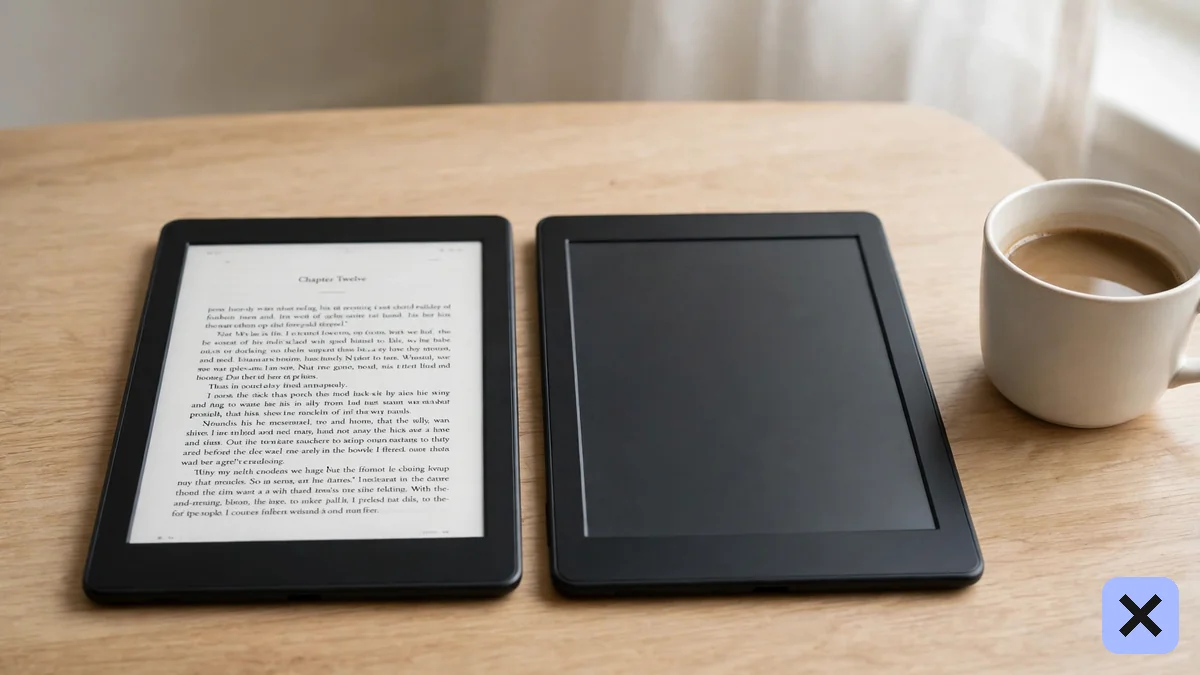
Side by side, the screens of a Kindle Paperwhite and a Kobo Clara BW are hard to tell apart. Both render small fonts cleanly and turn pages instantly. Kobo adds colour e-ink on its Libra Colour model, which makes book covers and comics look richer.
If you mostly read novels, either screen will satisfy you completely. If you read comics or heavily illustrated books, the Kobo Libra Colour has a genuine advantage. For everyone else, screen quality is effectively a tie.

Bookstores and File Freedom
The bookstore is the biggest real difference between Kindle and Kobo. A Kindle locks you into the Amazon ecosystem, while a Kobo keeps its doors open to many different sources of books.
Amazon’s Kindle Store is the largest ebook store in the world, with the widest selection of bestsellers and new releases. It also powers Kindle Unlimited, a subscription that gives unlimited access to a large catalogue for a monthly fee.
Kobo’s store is smaller but still very large, with millions of titles and regular sales. More importantly, a Kobo is not tied to that store alone. It opens EPUB files from any source, so books bought from independent ebook shops and public domain collections all work without conversion.
The Kindle Store and Audible
The Kindle’s greatest strength is how smoothly everything works together. Buying a book takes seconds, it appears on every Kindle and Kindle app you own, and your place is synced everywhere. Audible audiobooks are built in too, so you can switch between reading and listening to the same title.
The trade-off is dependence on one company. Your Kindle books live inside Amazon’s system, and moving them elsewhere is deliberately difficult.
The Kobo Store, Libraries and Open Formats
Kobo’s greatest strength is freedom. Built-in OverDrive support means you can browse your local library, borrow an ebook and start reading without leaving the device, which can save a serious reader a lot of money over a year. If you already own EPUB files, a Kobo simply accepts them.
This openness also makes Kobo the better choice for readers outside the United States, where local ebook stores often work with Kobo but not with Kindle.
Hardware and Design
On hardware, both brands are refined and comfortable, but they take slightly different approaches. Kindles are minimalist, with clean lines and no buttons on most models. Kobos are a little more varied, with some models offering physical page-turn buttons, which many heavy readers love for one-handed reading.
Build quality is excellent on both sides. Current models from each brand are waterproof to IPX8, so reading in the bath or by the pool is safe. Kindles feel a little denser in the hand, while Kobos feel a touch lighter, but both are comfortable during long reading sessions.
If you are torn between a dedicated reader and a multi-purpose device, remember that an e-reader does one job far better than a general tablet ever will. That is why the comparison between a Kindle and an iPad for reading keeps coming back to the same conclusion: the e-ink screen, the battery life and the lack of distractions make the dedicated reader the better tool for daily readers. For the same reason, the choice between an e-reader and a paper book is worth thinking through before you commit.
Battery Life and Storage
Battery life is one area where e-readers embarrass every other gadget you own. Both Kindle and Kobo claim up to ten weeks of reading on a single charge, based on half an hour of reading a day. In practice, most readers charge every three to four weeks.
Storage is equally generous on both sides. A standard Kindle now ships with 16 GB, which holds thousands of books, while Kobo models offer 16 GB or 32 GB. Since a typical ebook is only a few megabytes, even the smallest option is more than enough for most readers.
Reading Features That Matter
Beyond the basics, both brands pack in features that genuinely improve reading. Both offer adjustable fonts and margins, a built-in dictionary, highlighting and note-taking, and both sync your reading position across devices.
Kindle’s standout features include X-Ray, which shows you the characters and ideas in a book at a glance, and Word Wise, which adds short definitions above difficult words. Its Goodreads integration makes tracking your reading simple.
Kobo’s standout features include Pocket integration, which lets you save web articles to read later, and a more flexible approach to fonts. Readers who split their time between books and spoken stories should also weigh how a Kindle compares with Audible for reading habits, since the way a Kindle pairs with Audible shapes the whole listening habit differently from Kobo’s audiobook approach.
Price and Value in 2026
Price is where Kindle usually wins. The basic Kindle is the cheapest quality e-reader on the market, and the Paperwhite regularly appears in sales that cut its price significantly. If you want the best reading experience for the least money, a discounted Kindle Paperwhite is very hard to argue against.
Kobo models cost a little more at the same screen size, and they are discounted less often. Value, though, is more than the price on the box. A Kobo can pay for itself through library borrowing, since borrowed books cost nothing.
Who Should Buy Which?
The right choice depends on your habits, not on a spec sheet. Work through this checklist and see which side you land on.
- Buy a Kindle if most of your books come from Amazon and you want the simplest buying experience.
- Buy a Kindle if you listen to Audible audiobooks and want reading and listening in one device.
- Buy a Kindle if you want the lowest price, especially during sales, and a proven, polished device.
- Buy a Kobo if you borrow ebooks from your local library and want that built into the device.
- Buy a Kobo if you own EPUB files or buy books from stores other than Amazon.
- Buy a Kobo if you want physical page-turn buttons, a colour e-ink screen or the most open reading experience.
If you ticked mostly Kindle boxes, buy the Kindle. If you ticked mostly Kobo boxes, buy the Kobo. If you split evenly, the Kindle is the safer default.
Frequently Asked Questions
Is a Kindle or a Kobo better for library books?
Kobo is better for library books in most countries, because OverDrive borrowing is built directly into the device. Kindle owners in the United States can send library books to their device through the Libby app instead.
Can I read Kindle books on a Kobo?
Not directly. Kindle books use Amazon’s own format and protection, so they will not open on a Kobo without conversion. If you already own a large Kindle library, staying with Kindle is the practical choice.
Can I read Kobo books on a Kindle?
Kobo books are standard EPUB files, so they can be converted for Kindle using free tools, but the process takes time for every book. A Kindle will not open EPUB files directly.
Which e-reader is best for reading in bed?
Both are excellent for bedtime reading, thanks to their warm front lights and lightweight designs. The Kobo also offers dark mode for readers who prefer white text on a black screen.
Do Kindle and Kobo both work without Wi-Fi?
Yes. Once a book is downloaded, both devices work perfectly without any connection, which makes them ideal for flights and holidays. You only need Wi-Fi to buy or borrow new books.
Which e-reader lasts longer?
Both brands build devices that last for years, with many readers still using Kindles and Kobos that are five or more years old. Kobo’s open formats make it easier to keep your library if you ever switch brands.
The Bottom Line
The Kindle is the best e-reader for most people in 2026, thanks to its huge bookstore, Audible integration and frequent discounts. The Kobo is the best e-reader for readers who borrow from the library, collect EPUB files or want the most open device. Pick the one that matches where your books come from.