Avoid the Worst Gondolas of 2026: Cramped Cabins, Long Queues and Nowhere Rides
The worst gondolas of 2026 are not the oldest cabins or the slowest lines. They are the aerial rides that turn a short trip up a mountain into a long wait, a crush of standing passengers, or a slow swing that a fit walker could beat on the trail below. A gondola is an enclosed cabin that hangs from a cable overhead, carried along by the wire between towers, with cabins arriving one after another in a steady stream. When it works, it is the easiest way up a slope too steep for a road, carrying skiers, walkers and sightseers alike. When it does not, the same design becomes the problem, because a cabin that stops mid-air cannot be walked out of, a queue at the bottom station grows faster than the cabins can clear it, and a cabin with no air and no view is a box on a wire.
Key takeaways
- A gondola is an enclosed cabin hanging from an overhead cable, not a street cable car and not a funicular on rails.
- The worst rides fail on capacity first: small cabins, a slow line speed, and a queue that grows faster than the cabins can clear it.
- A stop mid-air strands you above the slope with nowhere to go, so reliability matters more than the view.
- Glass cabins promise a panorama and deliver glare, heat and a crowd pressed against the windows instead.
- Check the queue, the real journey time and whether the ride actually goes somewhere useful before you join the line.
How the worst gondolas of 2026 were chosen
Every type below was scored on five measures. Capacity comes first: can the cabins carry the passengers who arrive, or does the queue grow with every departure? Reliability is second, judged on how often the line stops and whether one fault halts the whole cable. Journey time is third, because a gondola that crawls between towers is worse than the trail below. Comfort is fourth: air in the cabin, a seat for the ride, and a window you can actually see through. Value is fifth: the real cost once the queue, the fare and the waiting time are all counted.
Two notes before the list. First, this guide is about aerial gondola cabins only: enclosed cabins hanging from a wire overhead, running between towers up a mountain or a hillside. A street cable car is a different machine, a car gripped to a moving cable under a city road, as our guide to the worst cable cars of 2026 explains, and that guide explicitly left aerial gondola cabins out, because they are a different ride. A funicular is different again, a rail car on a steep track, and an open chairlift is not a gondola at all. Second, no single gondola is named as the worst, because the same bad patterns appear on many mountains, and what matters is learning to recognise them before you join the queue.
Comparison table: the worst gondolas of 2026
| Rank | Gondola type | Worst for | Watch out for |
|---|---|---|---|
| 1 | Packed small cabin at peak hour | Comfort, safety | Standing only, no air, no seat |
| 2 | Cabin that stops mid-air | Reliability | Line fault, long mid-span stops |
| 3 | Queue-first gondola | Journey time | Hour-long line, ten-minute ride |
| 4 | Glass cabin with no shade and no air | Comfort | Glare, heat, fogged windows |
| 5 | Short-hop gondola to nowhere useful | Value | Tourist loop, no real stops |
| 6 | Cabin with no shelter in bad weather | Comfort | Wind sway, rain, cold draughts |
| 7 | Night gondola with no light and no call | Comfort, safety | Dark cabin, no announcements |
The worst gondolas of 2026
1. The packed small cabin at peak hour: the ride to avoid first
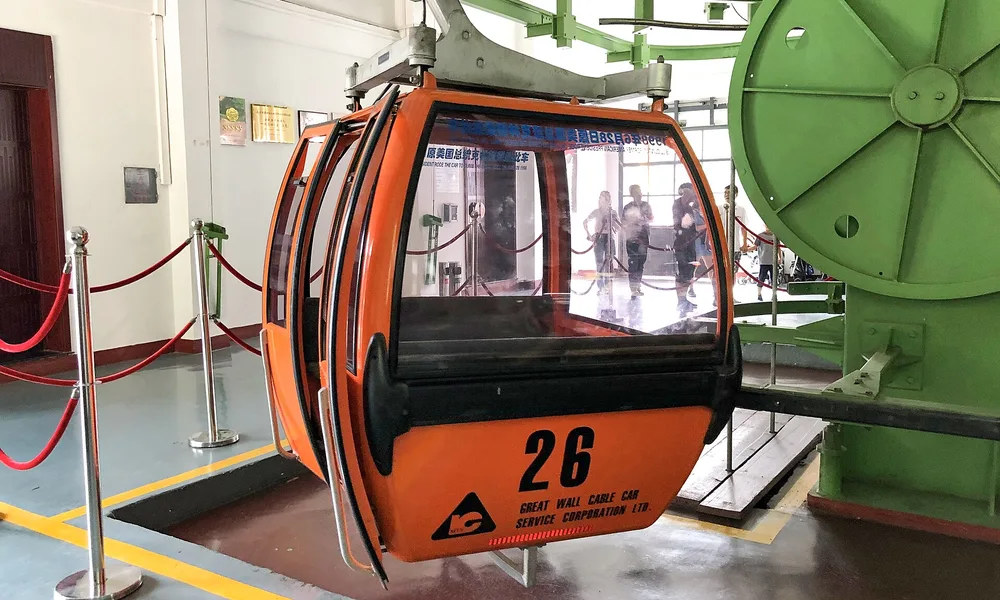
The worst gondola experience in 2026 starts before any cabin leaves the station. At peak hour the cabins arrive already full, and the crowd at the bottom station pushes on anyway, until every seat is taken and late boarders stand pressed against the doors with nowhere to put their feet. A gondola cabin is a small box, and when it is packed there is no aisle to move through, no air to breathe, and no window left to look out of, because every pane is blocked by a shoulder.
2. The cabin that stops mid-air: a line fault strands everyone
A gondola has no engine of its own, and that fact shows most clearly when the line stops between towers. When a fault in the drive station cuts the pull, every cabin on the cable stops where it is, and nothing on board can move any of them again. The worst version stops mid-span, high above the slope, where there is nowhere to step off and no way down except a rescue that takes hours. Unlike a funicular, which at least sits on a track, a gondola cabin hangs from a wire, so passengers sit swaying in the air, watching the mountain they paid to see turn into a waiting room.
3. The queue-first gondola: an hour in line for a ten-minute ride
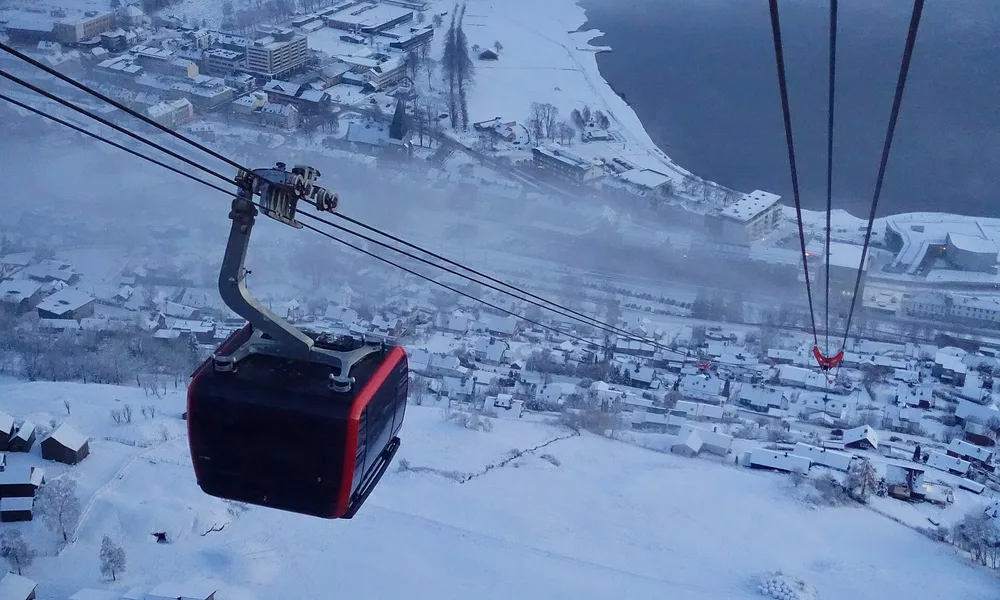
Some gondolas are now queues with a ride attached. The line at the bottom station stretches around the building before the first cabin of the day leaves, and the wait grows until it is longer than the journey itself. The worst version makes the queue part of the ticket: you pay, you wait, and the ride at the end lasts ten minutes. The queue hides the real problem, which is capacity: small cabins on a slow line, and no booking system to spread the demand across the day.
4. The glass cabin with no shade and no air: a greenhouse on a wire
The glass gondola cabin looks like the best seat on the mountain, and on a cool cloudy morning it is. In summer sun it becomes a greenhouse. The worst version has floor-to-ceiling glass, no blinds, no shade and no ventilation, so the cabin heats up with every minute on the cable and the windows fog from the breath of a full load of passengers. The panorama that sold the ticket disappears behind condensation and glare, and passengers press against the glass trying to see out, which only makes the crowding worse.
5. The short-hop gondola to nowhere useful: a tourist loop with no real stops
Not every gondola is transport. Some are short lines built for visitors, running a brief distance between two points that are already easy to reach, with no stops that serve the people who live nearby. The worst version charges a full fare for a ride that gets you nowhere you needed to go: it starts at a tourist square, climbs a short slope, and drops you at a viewpoint you could have reached on foot in half an hour. The ride is over quickly, and the top station has nothing but a gift shop and the same view you could have had from the trail.
6. The cabin with no shelter in bad weather: wind sway in rain and cold
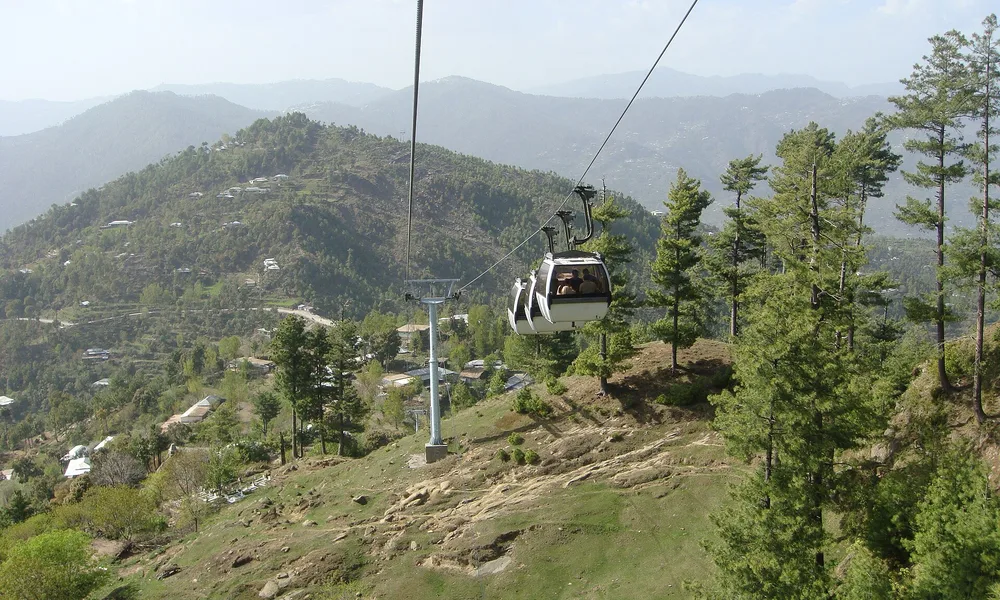
A gondola is an outdoor ride by design, and in good weather that is the whole point. In bad weather it is the whole problem. The worst version offers no shelter at all: open stations with no cover, cabins with draughty vents, and wind that sways the cabin sideways across the cable for the full climb. Passengers arrive at the top cold and shaken, and the design makes it worse, because the cabin moves slowly between towers, so the exposure lasts longer than a bus ride through the same weather.
7. The night gondola with no light and no call: a dark ride with no help
The night gondola is the quietest ride on the mountain, and the worst version is also the loneliest. The cabin runs after dark with dim lighting, no announcements and no staff at the top station, so passengers ride up a dark slope with no idea where the cabin will stop or who is waiting at the top. The windows show nothing but blackness, the timetable is a guess, and when the cabin stops between towers there is no call button that anyone answers.
What to avoid when riding a gondola
The most common gondola regret is not a bad cabin but a wrong match: a glass cabin booked at midday in summer, a queue joined at the busiest hour, or a short hop paid for as if it were real transport. Avoid the trap by checking three things before you pay: the real queue length, not the timetable; the ventilation in the cabin, not the word panoramic; and the total time with waiting, not the ten minutes on the cable. The same checks work on other mountain rides too, and our guide to the worst aerial lifts of 2026 makes the same point about capacity and waiting time, because the traps are the same on a lift as they are in a cabin. Mountain trips have the same queue problem at the base, as our guide to the worst ski resorts of 2026 shows.
Checklist: riding a gondola in 2026
- Arrive early or late, when the cabins run half empty and the windows are yours.
- Look at the queue before you buy a ticket, and walk up if the line is already around the corner.
- Pick a ventilated cabin over a sealed glass box at midday in summer.
- Check the real journey time with waiting, not just the minutes on the cable.
- Confirm the last cabin down before you ride up, especially after dark.
- Skip the short hop that ends at a gift shop when the trail takes half an hour for free.
Frequently asked questions
What is a gondola?
A gondola is an enclosed cabin that hangs from an overhead cable, carried along the wire between towers. It is different from a street cable car, which grips a moving cable under a city road, and from a funicular, which runs on rails up a steep track, and from an open chairlift, which has no cabin at all.
Why do gondolas have such long queues?
Gondola cabins are small and the line runs at a fixed speed, so when more people arrive than the cabins can carry, the queue grows with every departure, and there is no way to add extra cabins at peak times.
Is a gondola safe if it stops mid-air?
Gondolas have brakes designed to hold the cabins on the cable, but a stop mid-air still strands passengers with nowhere to step off, and a rescue can take hours. A line with frequent stops is a worse ride than a slow one, so check its recent closure record first.
Are glass gondola cabins worth it?
On a cool cloudy day, yes. In summer sun, a glass cabin with no shade and no ventilation becomes a greenhouse, and the windows fog with a full load of passengers, so the view disappears. A ventilated cabin is the better ride.
When is the best time to ride a gondola?
Early in the morning or late in the afternoon, when the cabins run half empty, the queue is short and the sun is low enough to see through the windows without glare.
Should I ride a gondola or walk up?
Walk up if the queue is long, the ride is a short hop to a viewpoint, or the weather is fine and the trail is open. Ride when the slope is genuinely steep, the queue is short, and the cabin has seats and air.
Bottom line
The worst gondolas of 2026 are the ones that forget the ride is transport: small cabins that cannot carry the crowd, a cable that stops mid-air, a queue longer than the journey, and a glass box that cooks its passengers in the sun. Ride early, pick a ventilated cabin, check the queue before you pay, and walk up when the trail is quicker than the line.