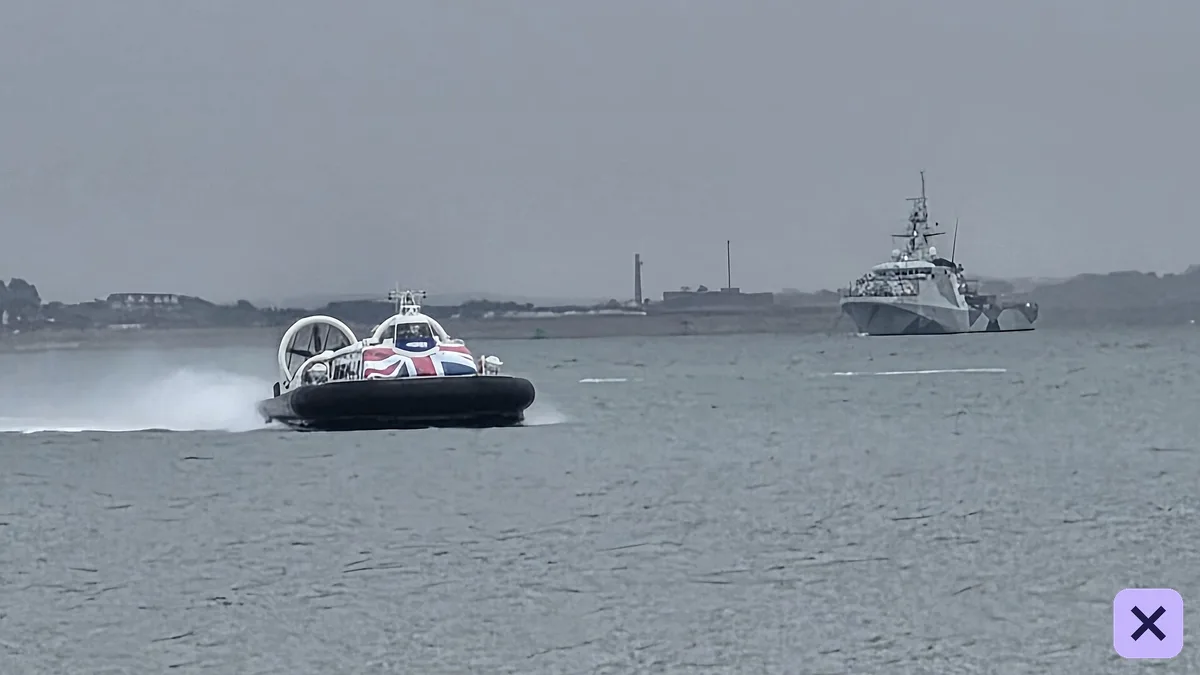
Worst Hovercraft of 2026: Air-Cushion Craft That Disappoint on Water and Land
The worst hovercraft of 2026 look like the cleverest way across the water: a craft that flies over the waves on a cushion of air, lands on a beach instead of a pier, and cuts the crossing to minutes. Then the engines roar, the spray soaks the deck, the skirt tears, and the sailing is cancelled in a breeze. A bad hovercraft rarely announces itself in the booking photo. This guide ranks the worst hovercraft of 2026 by type and pattern, not by operator, so you can spot the trap before you pay.
Key takeaways
- The noisy short-hop commuter is the hovercraft to avoid first: a roaring cabin, heavy vibration, and a ride too loud for conversation.
- A hovercraft is not a ferry: it rides on a cushion of air, not a hull in the water, so it cancels in wind and chop that a boat would sail through.
- The skirt is the weak point: a torn or worn skirt means delays, cancellations and a rough ride over every wave.
- Beach landings sound convenient until you walk half a mile across wet sand and mud with your bags to reach the road.
- Always check the cancellation record, the real crossing time including the beach walk, and the cabin before you book, and travel with a backup plan.
How the worst hovercraft of 2026 were ranked
Every type below was scored on five measures. Reliability comes first: how often crossings are cancelled or delayed by wind, rough water and skirt failures, and whether a backup exists. Comfort is second, judged on noise, vibration, seating and whether the cabin stays dry. Capacity is third: whether the craft can actually carry its passengers and vehicles, or whether weight and space limits leave people behind. Boarding is fourth, covering the terminal, the beach landing and the walk to the road. Value is fifth: the real cost of the trip, including the hours lost to a cancellation, not the fare on the website. The scores below are worst scores out of ten, with ten meaning the most punishing hovercraft experience of the year.
Two notes before the list. First, no hovercraft here is useless on paper: each type earns its place because the crossing lets passengers down, not because the idea of riding on air is wrong. Second, this guide ranks types and patterns, not named operators or routes: no published reliability scores exist for individual hovercraft services, so naming companies would be guesswork. This guide is strictly about air-cushion craft: vehicles that ride on a cushion of air held in by a flexible skirt, with no hull in the water at all. That is what makes a hovercraft different from the hull boats in our guide to the worst ferries of 2026, which float in the water and keep sailing in weather that grounds a hovercraft. Once you step off the craft, the onward journey matters too, and our guide to the worst trains of 2026 makes the same point about connections that fail when you need them most.
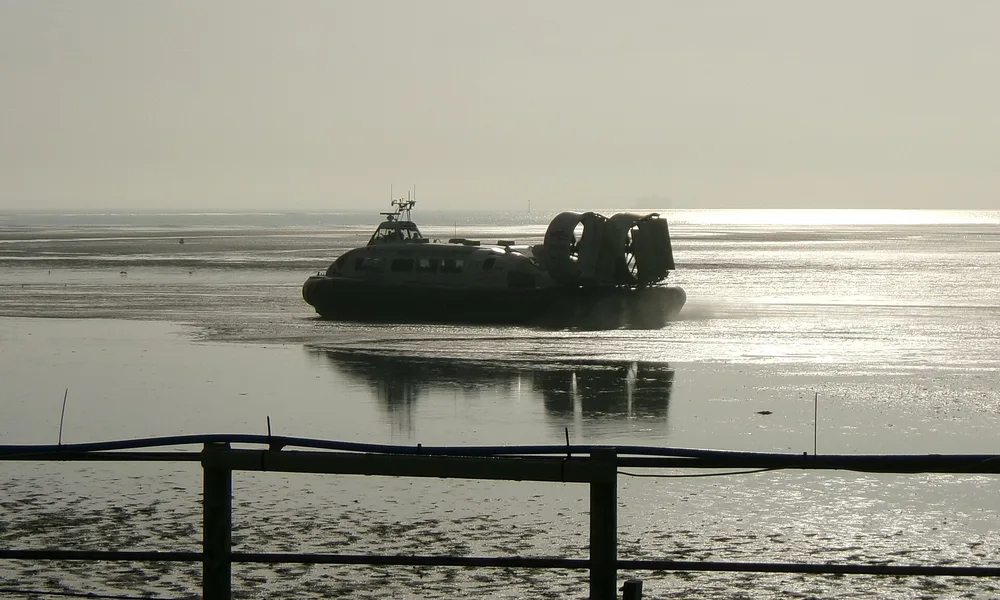
Comparison table: the worst hovercraft of 2026
| Rank | Type | Main flaw | Warning sign | Worst score |
|---|---|---|---|---|
| 1 | Noisy short-hop commuter | Roaring cabin, heavy vibration | Earplugs handed out at boarding | 10/10 |
| 2 | Spray-soaked open-deck ride | Wet, cold, no shelter | Passengers arrive soaked through | 10/10 |
| 3 | Giant car-carrying relic | Slow loading, ageing skirt | Cars queue for an hour to board | 9/10 |
| 4 | Weather-cancelled crossing | Cancels in wind or chop | No crossings on three of the last seven days | 9/10 |
| 5 | Cramped cabin with no view | Tiny windows, no legroom | Seats facing a blank wall | 9/10 |
| 6 | Beach-landing shuffle | Long walk across sand and mud | No pier, no bus, bags carried by hand | 8/10 |
| 7 | Once-a-day island service | Miss it and you are stranded | One crossing a day, no backup craft | 8/10 |
The worst hovercraft of 2026
1. The noisy short-hop commuter: the hovercraft to avoid first
The noisy short-hop commuter is the worst hovercraft type in 2026 because it turns a ten-minute crossing into ten minutes of noise you cannot escape. The lift fans and propellers sit close to the cabin, the whole craft vibrates, and the sound level inside is closer to a factory floor than a passenger vehicle. Conversation is impossible, announcements cannot be heard, and you step off with ringing ears and a headache. The crossing is short, which is the only defence the operator offers, but a short crossing in a roaring cabin still ruins the start of the day.
2. The spray-soaked open-deck ride: wet before you arrive
The spray-soaked open-deck ride is charming in photographs and miserable in practice. There is no enclosed cabin, no roof and no heating, so a choppy crossing soaks everyone with spray and a cold wind leaves passengers shivering. The seats are hard plastic benches, the deck is slippery when wet, and bags left on the floor get soaked too.
3. The giant car-carrying relic: slow to load, slow to go
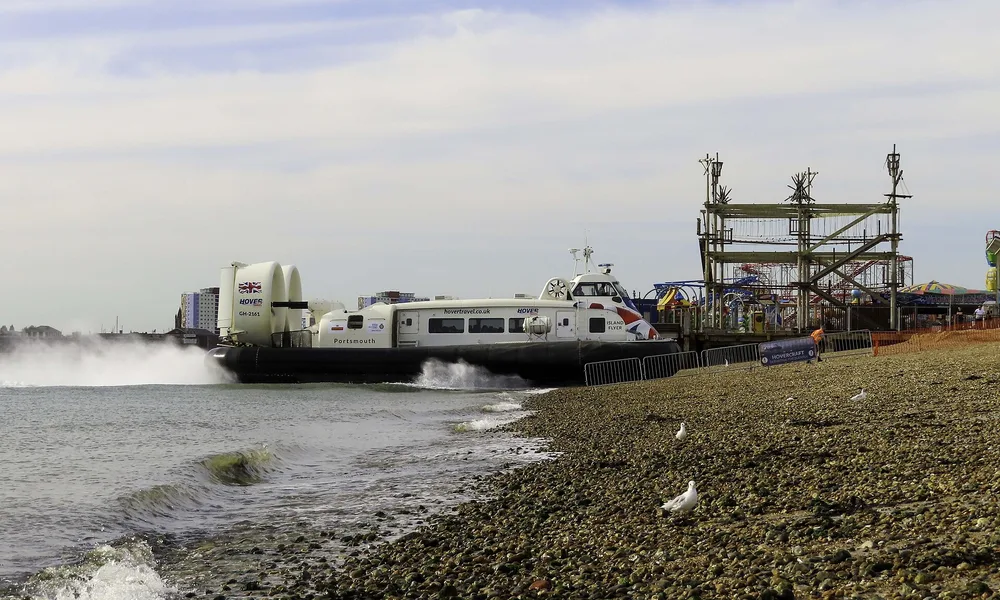
The giant car-carrying relic is the hovercraft that promises to take your car across the water and then spends an hour loading it. The craft is decades old, the skirt is patched and worn, and the loading ramp is a single narrow lane that cars inch up one at a time. The crossing itself may take only forty minutes, but the loading takes longer than the sailing, and unloading is the same in reverse. When the skirt tears, the whole service stops for repairs, and there is no backup craft.
4. The weather-cancelled crossing: gone when it matters
The weather-cancelled crossing promises to cut the journey in half, and on a calm day it does. The problem is that a hovercraft is the first craft cancelled when the wind rises, which is exactly when travellers most need a reliable crossing. A hovercraft has no hull in the water to steady it, so it bounces and drifts in a swell, and operators cancel early to keep the ride safe. Even when it does sail in choppy water, the ride is harsh and passengers feel sick.
5. The cramped cabin with no view: a box on a cushion
The cramped cabin with no view is the hovercraft that forgets passengers want to see where they are going. The windows are tiny slits, the seats face a blank wall, and the legroom is tighter than a budget airline. There is no room for a bag at your feet, no table, and no space to stand and stretch. The ride is loud and bumpy, and with nothing to look at, every minute feels longer.
6. The beach-landing shuffle: the walk nobody mentions
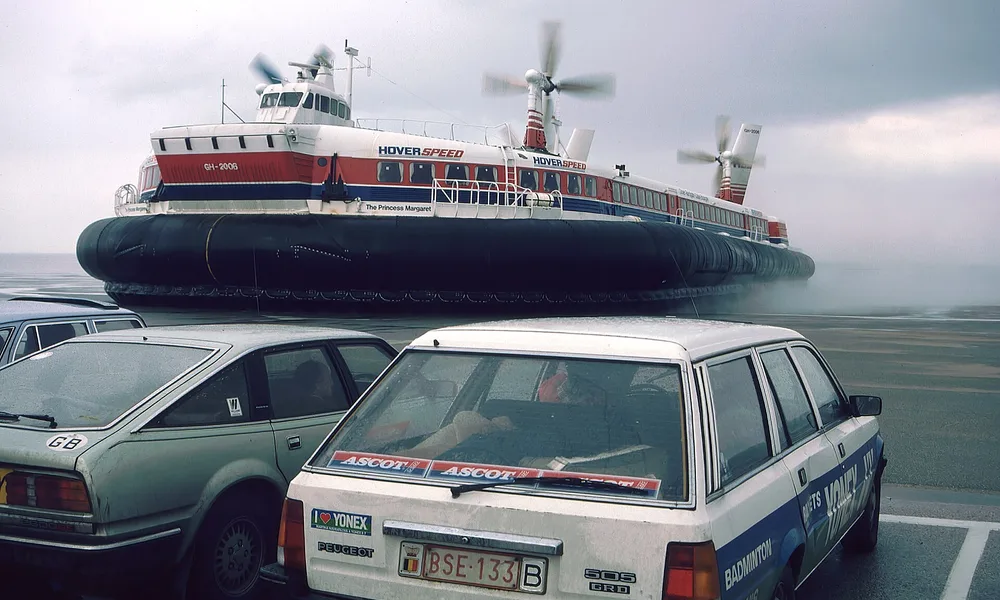
The beach-landing shuffle is the hovercraft that lands on sand instead of a pier, and the timetable pretends the journey ends at the beach. It does not. Passengers step off onto wet sand, carry their bags across half a mile of beach and mud, and then look for a road, a bus or a taxi that may not exist. Anyone with reduced mobility, a pushchair or heavy luggage faces a walk that is harder than the crossing itself.
7. The once-a-day island service: one chance and no backup
The once-a-day island service is the riskiest booking on this list, because there is no second chance. The craft crosses in the morning and returns in the evening, and if it is cancelled for weather, a skirt failure or a mechanical fault, there is no later crossing, no backup craft and no alternative route. Travellers who miss the departure face the same problem: a night on the mainland they did not plan.
What to avoid when booking
The most common mistake is booking a hovercraft as the last link in a tight itinerary. A craft that cancels in a breeze will not care about your onward connection, and the beach has no rebooking desk. Before you book, check the weather record for the route, add a full day of slack after any hovercraft leg, and never book the last crossing of the day if you have somewhere to be. The same thinking applies to the journey after the landing, and our guide to the worst tour buses of 2026 makes the same point about onward transport that fails when you need it most, because the trip does not end on the beach.
Checklist: booking without the regret
- Check the cancellation record for the last month, not just the timetable: a route that cancels often in wind will cancel on your day too.
- Ask where the craft actually lands and how far the road is: a beach landing can add half a mile of sand and mud to your journey.
- Look at the cabin before you pay: real windows, real seats and an enclosed cabin beat a dark box or an open deck.
- Ask about the skirt and the maintenance record: a patched, ageing skirt means delays and cancellations.
- Carry earplugs and pack a bag you can carry yourself, because the cabin is loud and the beach walk is long.
- Build a full day of slack after any hovercraft leg, and never plan a tight connection after a crossing that needs calm weather.
Frequently asked questions
Are the worst hovercraft of 2026 unsafe?
No. The hovercraft on this list are uncomfortable, unreliable or badly run, not unsafe. Safety is regulated separately, and a craft that failed safety checks would not be sailing at all. The problems here are cancelled crossings, noisy cabins, wet decks and long beach walks, which waste your time and money rather than putting you in danger.
Why do hovercraft cancel so often in bad weather?
A hovercraft has no hull in the water to steady it, so it bounces and drifts in a swell, and the skirt takes a battering in rough water. Operators cancel earlier than ferry companies to keep the ride safe and comfortable. Larger, slower ferries with hulls in the water keep sailing in conditions that stop the hovercraft.
Is a hovercraft or a ferry better for a short crossing?
It depends on the trip. A hovercraft is faster when it runs and can land on a beach, but it cancels far more often than a ferry and the cabin is louder. A ferry is slower and needs a pier, but it sails in weather that grounds a hovercraft. For a trip that matters, the ferry is usually the safer bet.
What is a hovercraft skirt, and why does it matter?
The skirt is the flexible curtain around the base of the craft that holds the cushion of air in. When it tears or wears out, the cushion leaks, the ride gets rough, and the craft may have to stop for repairs. A patched, ageing skirt is a warning sign of delays and cancellations.
How far is the walk after a beach landing?
It varies, but half a mile across sand or mud is common, and there may be no bus or taxi waiting. Ask the operator for the exact distance and the onward transport before you book, especially if you have heavy bags or reduced mobility.
Does this guide name any specific hovercraft operator as the worst?
No. It ranks types of hovercraft and patterns of service, because the same faults appear on routes all over the world, and the patterns are what travellers should learn to recognise.
Bottom line
The worst hovercraft of 2026 fail in the same few ways: roaring cabins, spray-soaked decks, ageing skirts, weather cancellations and beach landings with no road at the end. Learn the patterns, check the cancellation record and the landing point before you book, build slack into the day after, and choose a conventional ferry when the warning signs are there.