
The bassoon is the clown of the orchestra and its warmest bass voice at the same time, and it is one of the hardest instruments to buy well. A good bassoon sings in its low register, speaks clearly in the tenor range, and stays in tune through a long concert. A bad bassoon does the opposite. It fights the player on every note, it wobbles out of tune when the room warms up, and it makes a beginner sound worse than they are. The best bassoons of 2026 are not the most expensive ones. They are the bassoons that play in tune, respond evenly, and keep working year after year without constant trips to the repair shop.
What Makes a Bassoon Good
The first thing to judge is the sound. A good bassoon has a warm, rounded tone in the low register, where it does most of its work, and a clear, singing quality as it climbs into the tenor range. The sound should stay full and even across the whole range, with no notes that suddenly go thin, stuffy or wild. If the low notes boom and the middle notes vanish, the instrument will never blend in an ensemble, and no amount of practice will fix a bore that was made badly. Tone is the foundation of everything else.
The second thing is tuning. A bassoon is a long tube of wood folded back on itself, and small differences in the bore change where every note sits. A good bassoon plays close to in tune with itself, so the player spends their energy making music instead of bending every note into place. The best test is simple: play a slow scale with a tuner, then play the same scale against a piano or another instrument. If most notes sit near pitch and only a few need a gentle nudge, the instrument is sound. If half the notes need wrestling, walk away, because that fight never gets easier.
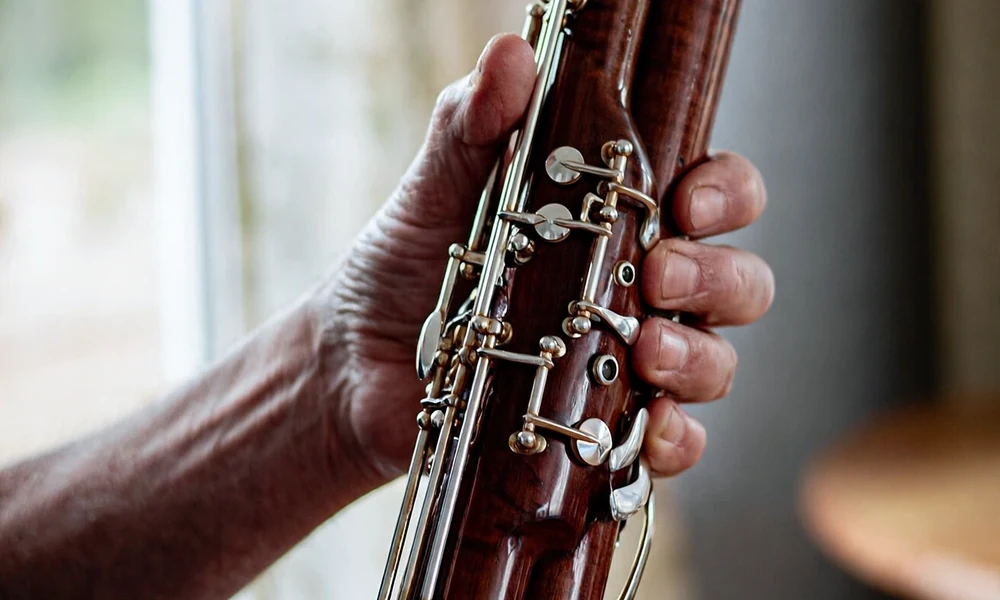
The third thing is the keywork. A bassoon has more keys than almost any other wind instrument, and they need to move smoothly, seal cleanly and fall under the fingers without stretching or twisting the hands. Press each key slowly and listen for a clean, quiet click, then check that the pads close fully and spring back at once. Sticky keys, rattling rods and pads that leak air will make the instrument feel sluggish and sound fuzzy. Good keywork feels light and precise, and it lets the player forget about the mechanism and think about the music.
The Main Types of Bassoon
The German system bassoon, often called the Heckel system, is the standard in most of the world. It has a rich, dark tone and a key system refined over more than a century, and almost every orchestra, conservatoire and teacher works with it. If you are buying one bassoon and want the widest choice of teachers, reeds and spare parts, a German system instrument is the safe and sensible pick. It is the bassoon most players mean when they simply say bassoon, and the used market for it is far larger than for any other type.
Student bassoons are built for young players and adult beginners. They are usually made from maple or a good synthetic material, they have fewer keys than a professional model, and they are lighter and tougher than a hand-made instrument. A good student bassoon plays in tune, speaks easily in the low register and survives being carried to school in a case every day. A poor one feels like a drainpipe with keys, and it will put a child off the instrument within a term. The difference between the best and worst student bassoons is larger than between most professional models, so this is where careful choosing pays off most.
Professional bassoons are hand-finished instruments made from aged maple, with a full key system, extra keys for the high register and the low A, and a bore shaped by a maker who has spent years learning the craft. They cost far more than student models, and they reward that cost with a bigger, more flexible sound and a mechanism that stays in adjustment. They are the right choice for a serious student heading for music college, a working orchestral player or an advanced amateur who plays every week. They are not the right first bassoon.
How to Choose the Right Bassoon
Start with the player, not the price tag. A young child needs a short-reach or mini bassoon, or at least a light student model with a seat strap and a hand rest that fits small hands. An adult beginner needs a full-size student bassoon that speaks easily and stays in tune. An advancing player needs an instrument with enough keys and enough tonal headroom to grow into. Buying a professional bassoon for a ten-year-old is a waste of money and a recipe for a sore back, while buying a cheap student model for a college audition will hold the player back at exactly the wrong moment.
Always try the instrument before you buy it, and take a teacher or an experienced player with you if you can. Play slow scales, long notes and the passages you already know, and listen for notes that jump out or disappear. Check the tuning against a tuner and against another instrument, and play quietly as well as loudly, because a bassoon that only works at full volume is no use in an orchestra. If you are buying online, choose a seller with a proper trial period and a clear returns policy, and have the instrument checked by a repairer as soon as it arrives.
The Best Bassoons of 2026
The best student bassoon of 2026 is a light maple model with a simple key system, a warm low register and a price that leaves room for lessons, reeds and a decent case. It speaks easily, so a beginner can make a pleasant sound in the first weeks, and it stays in tune well enough that a school band sounds like a band instead of a struggle. The keys are placed for smaller hands, the instrument is tough enough for daily carrying, and it holds its value well when the player outgrows it. For a first bassoon, or a school instrument that many hands will share, this is the pick that makes the most sense for the most people.
The best intermediate bassoon is a step-up model with extra keys, better maple and a bore that gives a bigger, more flexible sound than a student instrument. It suits the player who has been playing for two or three years, who is starting to play solos and join youth orchestras, and who needs an instrument that will not hold them back. The high register speaks more easily, the low notes stay firm, and the mechanism feels quicker under the fingers. It costs more than a student model, but it can carry a player right through school and into the first years of college without needing to be replaced.
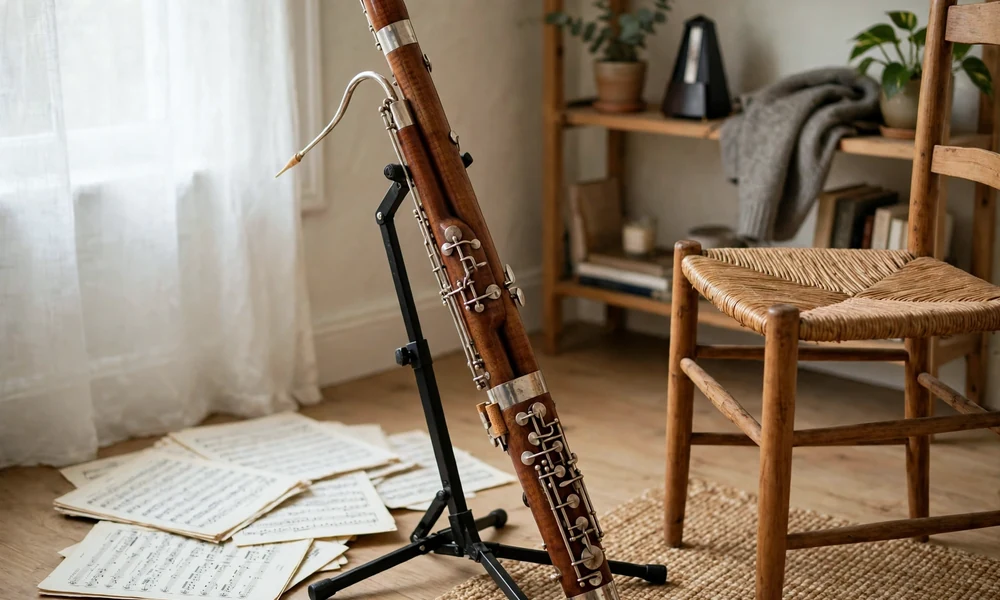
The best professional bassoon of 2026 is a hand-finished German system instrument made from well-aged maple, with a full key system including a high D key and a low A, and a bore that gives a dark, singing tone across the whole range. It is the instrument for the player who earns a living from the bassoon, or who is about to, and who needs an instrument that will blend in a section, carry a solo and stay in tune through a long rehearsal. It is expensive, so try it against others with a teacher before buying.
The best bassoon for an adult beginner is a second-hand student or intermediate model that has been checked and serviced by a good repairer. Adult beginners often progress quickly, and a serviced used instrument gives them a far better sound than a new budget model at the same price. Look for clean keywork, pads that seal, no cracks in the wood and a bore that has not been damaged by damp. A repairer can tell you in ten minutes whether a used bassoon is a bargain or a money pit, and that ten minutes is the best money an adult beginner will spend.
Reeds, Bocals and Accessories
A bassoon is only as good as its reed, and the reed is a small piece of cane that wears out in weeks, not years. Beginners should start with soft, ready-made reeds from a reputable maker, and learn to test them by playing long notes and slow scales. A reed that is too hard will make the player blow too hard and sound thin, while a reed that is too soft will collapse and go flat. As the player improves, a teacher can show them how to adjust a reed, and later how to make their own. No bassoon, however fine, will sound good with a dead reed.
Common Mistakes to Avoid
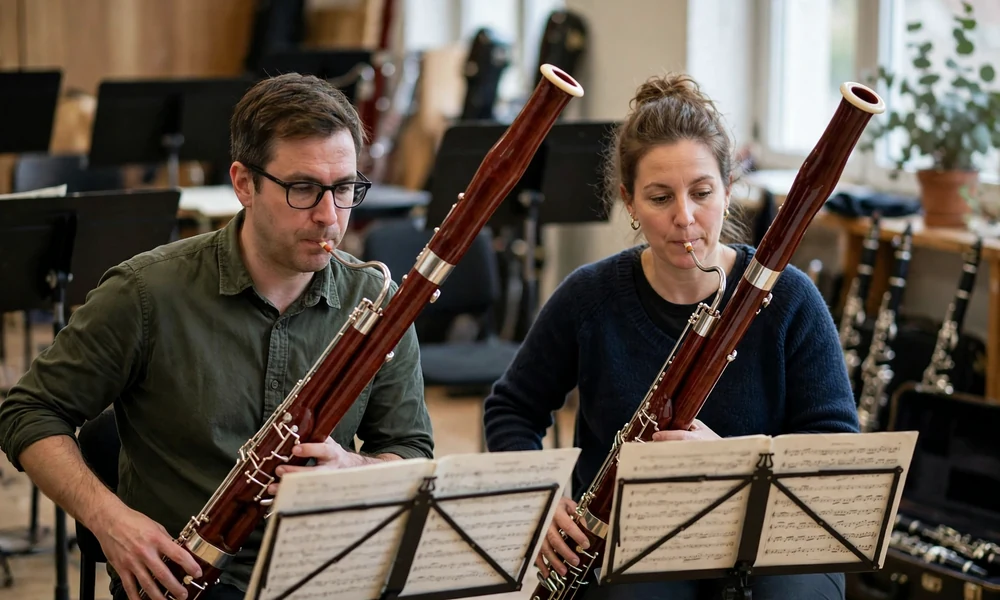
The biggest mistake is buying the cheapest bassoon on the internet without trying it. A very cheap instrument is usually cheap because the bore was cut badly, the keys were fitted loosely or the wood was not seasoned, and none of those faults can be fixed by a teacher or a repairer. The second mistake is buying a professional instrument too soon, before the player can hear the difference, and then being afraid to take it out of the house. The third is neglecting the reed: playing on a dead reed for months teaches bad habits, because the player blows harder and harder to make a sound that a fresh reed would give easily.
How Bassoons Fit the Woodwind Family
The bassoon sits at the bottom of the woodwind family, giving the section its depth and warmth, and it pairs naturally with the other woodwinds in an orchestra. A player who understands the bassoon will find the rest of the family easier to understand too, because the same ideas about breath, reeds and tuning run through them all. Readers who want to compare the bassoon with its closest neighbour will enjoy the best clarinets guide, which covers a reed instrument with a brighter voice and a very different feel under the fingers.
The bassoon also shares the orchestra with the strings and the brass, and its low voice often blends with the cellos to carry the bass line of a piece. That shared ground makes it worth knowing how the other sections choose their instruments too. The best cellos guide and the best trumpets guide cover the same idea from different corners of the orchestra: the right instrument, matched to the player, makes the whole ensemble sound better.
The Verdict
The best bassoon of 2026 is the one that fits the player holding it. For most beginners that means a light, well-made student model: easy to play, in tune and tough enough for daily use. For the advancing player, a good intermediate model with extra keys and better wood is the smarter buy. For the professional, a hand-finished German system bassoon, chosen with a teacher and tried in a hall, is the instrument for a lifetime. Try it first, mind the reed and look after the wood. A bassoon chosen that way will still be sounding good years from now.


