
Best Cellos 2026
A cello is one of the most rewarding instruments a person can pick up, and one of the easiest to buy badly. A good cello sings under the bow: it answers quickly, it holds a steady tone from the lowest string to the highest, and it feels comfortable to sit with for an hour at a time. A bad cello fights the player, sounds thin or muddy, and makes practice feel like a chore. The best cellos of 2026 are not the most expensive ones, and they are not the ones with the fanciest varnish or the longest list of features. They are the cellos that sound warm and even and fit the player holding them.
What Makes a Cello Good
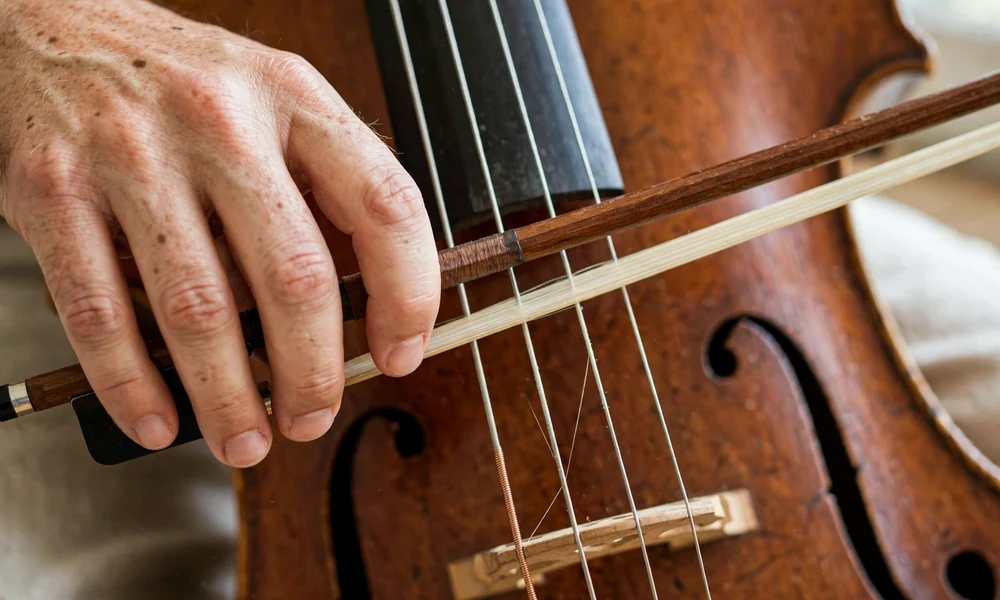
The first thing to judge is the sound. A good cello has a warm, open voice that carries without shouting, and it should sound full on all four strings, not just on one or two. The lowest string should be deep and clear rather than woolly, the middle strings should sing, and the highest string should stay sweet instead of turning thin or scratchy. Play the same scale slowly on each string and listen for notes that jump out or disappear.
The second thing is how the cello feels to play. The strings should sit at a sensible height above the fingerboard, low enough that stopping a note takes little effort, but high enough that the strings do not buzz against the wood. The neck should feel comfortable in the left hand, and the cello should balance well on its endpin. A cello that is hard to play will tire the arms and the hands, and a tired player stops practising.
The Main Types of Cello
Acoustic cellos are the classic instrument most people picture: a hollow wooden body, four strings, and a sound that fills a room without any help. They are made from spruce for the top and maple for the back and sides, and the wood is what gives each cello its voice. A well-made acoustic cello improves with playing, opening up over months and years as the wood vibrates and settles. For anyone learning the cello properly, for school orchestras, and for playing at home or in a hall, an acoustic cello is the honest place to start.
Student cellos are acoustic cellos built to be sturdy, affordable and forgiving. They use laminated or solid wood, a simple varnish, and reliable fittings that can survive being carried to school and back. A good student cello sounds pleasant, stays in tune, and responds well enough that a beginner can hear real progress. The best student cellos are the ones that do not fight the player: they are easy to tune, easy to hold, and easy to enjoy from the very first lesson.
Electric cellos look very different. They have a slim body, sometimes just a frame, and they need an amplifier or headphones to be heard. They are quiet to practise on, which makes them popular with players who live in flats or practise late at night, and they can be plugged into effects for modern styles of music. They do not replace an acoustic cello for orchestral playing, but for silent practice or a modern sound, an electric cello is a useful second instrument.
Fractional cellos are smaller versions made for children and smaller adults: three-quarter, half, quarter and even eighth size. A child who plays a full-size cello will stretch too far, tire quickly and learn bad habits, while a child on the right fractional size can sit comfortably and reach every note. The right size is the one where the player can sit with the cello resting naturally, the left hand can reach the top of the fingerboard without strain, and the bow arm moves freely. Children grow, so a fractional cello is often rented or bought second hand and swapped as the child gets taller.
How to Choose Your Size
Size is the first decision, and it matters more than brand or price. An adult of average height almost always needs a full-size cello, known as four-quarter size. The fit is adjusted with the endpin length and the chair height instead. A shorter adult or an older teenager may find a seven-eighths size more comfortable, though full-size instruments are far more common and easier to buy, sell and find strings for.
For children, the usual guide is height and arm length. A child who can comfortably reach around the cello and place the left hand near the top of the fingerboard is on the right size, while a child who has to stretch or lean to reach is on one that is too big. A teacher or a music shop can check the size in a minute, so ask before buying. Buying one that is too big in the hope the child will grow into it is a false economy: the child will struggle and the lessons will feel harder than they need to be.
The Best Cellos of 2026
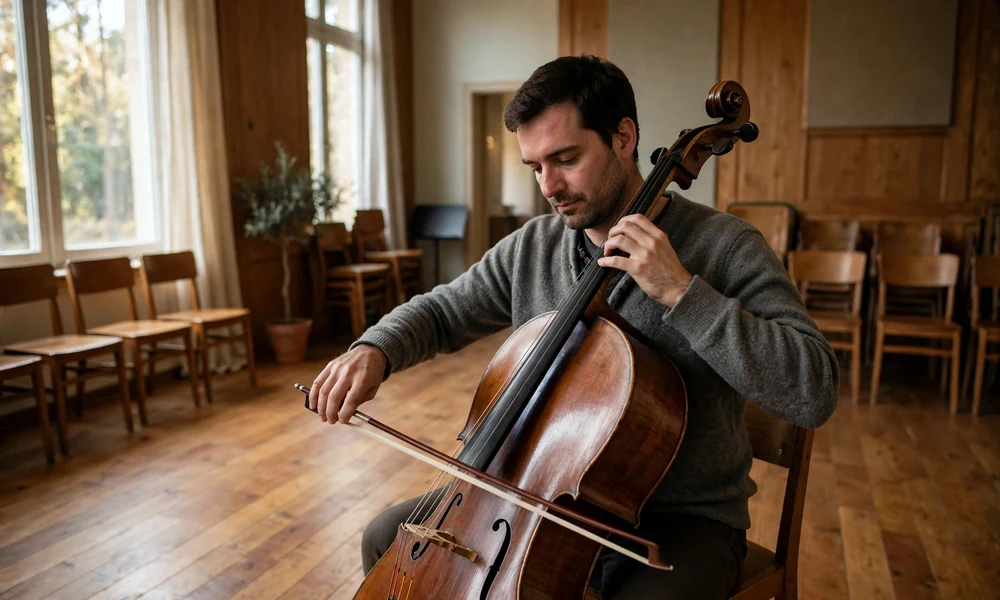
The best cello for most players this year is a well-made solid-wood student model with a proper set-up and a good bow in the case. It sounds warm and even, it stays in tune, and it responds well to a beginner as well as to a player who has been learning for a couple of years. The outfit usually includes a case, a bow and rosin, so there is nothing else to buy before the first lesson. For a first cello, a school cello or a relaxed home instrument, this is the pick that makes the most sense for the most people.
The best beginner cello is a complete outfit sold ready to play, with the cello, a decent bow, a padded case, rosin and an endpin stop in the box. It costs far less than a professional instrument, and it removes every excuse not to start. The cello itself is forgiving and easy to tune, the set-up takes minutes, and the player can be playing simple tunes in the first week. It is not the cello for winning competitions, but it is the cello that turns a curious beginner into a regular player, and that is worth more than any fancy varnish.
The best cello for a progressing student is a step-up solid-wood model with a finer bridge, better strings and a more responsive top. It rewards the player who practises every day: the tone opens up, the dynamics widen, and the cello starts to answer the small differences in bow speed and pressure that a beginner cannot yet control. It suits the student who has outgrown a first cello, who plays in a school orchestra or a youth ensemble, and who wants an instrument that will carry them through several years of lessons without holding them back.
The best advanced cello of 2026 is a hand-finished instrument from a respected workshop, with carefully chosen spruce and maple, a warm amber varnish and a voice that fills a hall. It is not the cheapest cello and it is not the easiest to buy without trying, but it is the most rewarding, and for the player who values tone above all it has no equal. It suits the serious student and the keen amateur who wants a cello that will still be sounding better in ten years.
The best electric cello of 2026 is a slim, well-balanced model that plays quietly through headphones and sounds full through an amplifier. It is light to hold, easy to carry, and it lets the player practise at midnight without waking anyone. It suits the player who lives in a flat, who travels, or who plays modern music and wants effects and a direct output. It will not replace an acoustic cello in an orchestra, but as a practice instrument or a second cello for modern styles, it earns its place.
What Else You Need
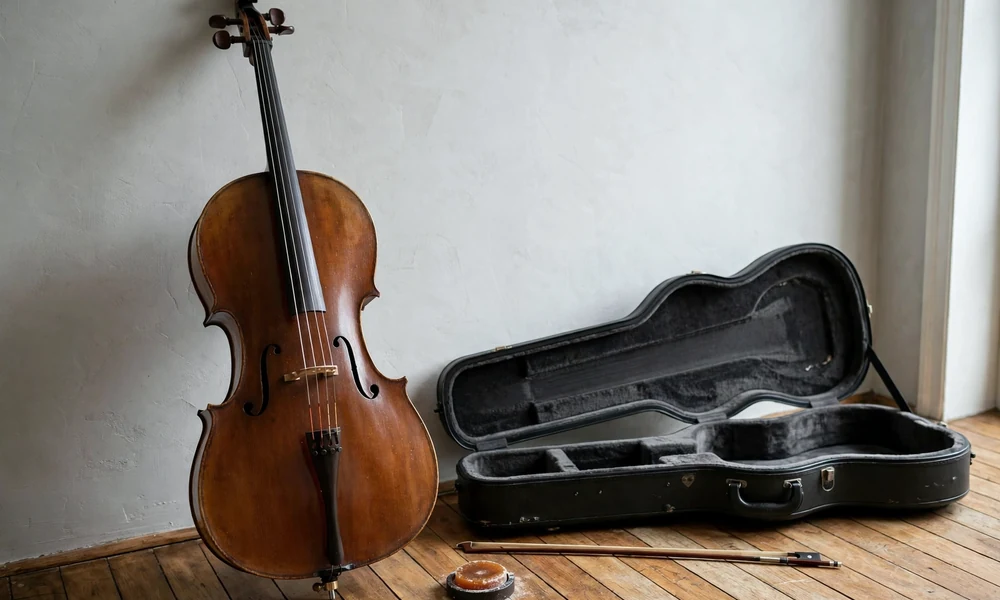
A cello on its own is only half the kit. The bow matters as much as the cello, and a bow that is too heavy or too light will make even a good cello sound scratchy. A beginner bow of pernambuco or good carbon fibre, properly rosined, will do the job well. Rosin itself is cheap and essential: without it the bow slides silently across the strings. A rock stop or endpin stop keeps the endpin from sliding on a smooth floor, and a soft cloth for wiping the strings and body after playing keeps rosin dust from building up on the varnish.
Common Mistakes to Avoid
The biggest mistake is buying a cello that is too big, especially for a child. A cello that is too large looks impressive in the shop and feels awful in the lesson, and it builds habits that are hard to break. The second mistake is buying the cheapest outfit without checking the set-up: a badly cut bridge, a slipping peg or a warped fingerboard will make the cello hard to play and hard to tune. The third is skipping the bow: a poor bow will make a good cello sound bad.
How the Cello Sits Beside Other Instruments
The cello belongs to the string family, and it shares its roots with the instrument most people meet first. The violin is smaller, higher and played under the chin, while the cello is larger, deeper and played seated with an endpin, but the bowing, the fingering and the reading of music carry across. Readers who are choosing between the two, or who have a child deciding which string instrument to learn, will find the best violins guide useful, because it covers the same questions of size, set-up and beginner outfits from the violin side.
Many cellists also play a second instrument, and the guitar is the most common choice, because it is portable, it teaches chords and harmony, and it opens up a different kind of music. A cello player who already reads music will find the guitar easier to pick up than a complete beginner would, and a guitarist who takes up the cello will find the left-hand work familiar even if the bowing is new. The best guitars guide covers the same ground for that instrument: which size to buy, what a good set-up looks like, and which beginner outfits are worth the money.
The cello also sits comfortably in an orchestra beside the brass section, and its warm middle voice blends with instruments that could hardly be more different. The trumpet is bright, loud and played standing, while the cello is warm, seated and bowed, yet in a full orchestra they share the same music and the same rehearsal room. Players who enjoy ensemble playing often end up curious about the other sections, and the best trumpets guide is a good place to start for anyone wondering what the brass players are holding.
The Verdict
The best cello of 2026 is the one that fits the player holding it. For most people that means a well-made solid-wood student model with a proper set-up: warm, even and able to grow with its owner. For the progressing student, a step-up model with better strings and a finer bridge is the better tool. For the serious player, a hand-finished workshop cello is the most rewarding instrument in the range. Whatever the choice, start with the right size, check the set-up and look after the wood. A cello chosen this way will sound well on the first day and years from now, and every good note will feel earned.


