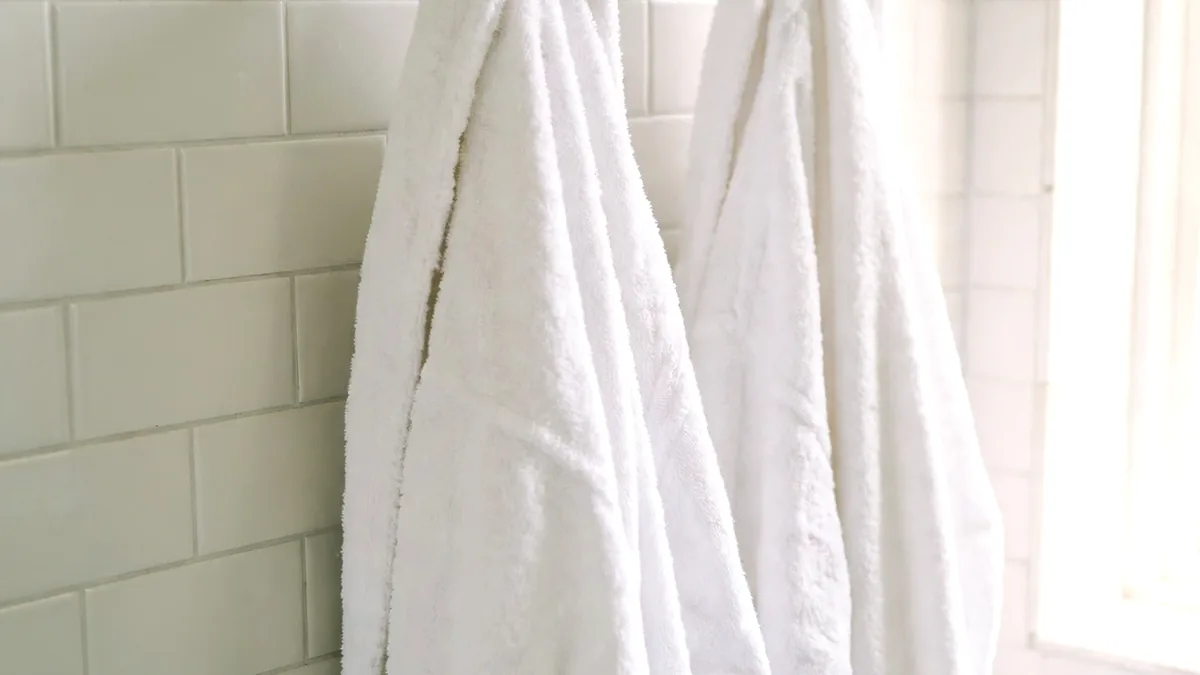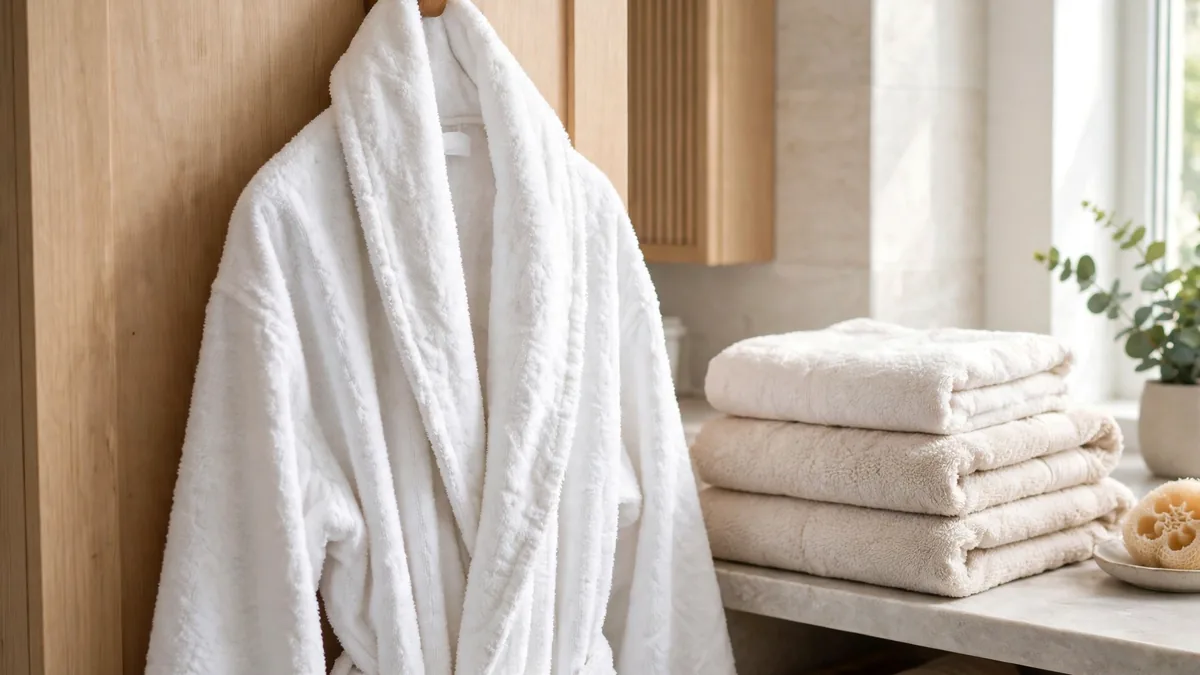
A bathrobe is the first thing you reach for after a shower, and it decides whether you step out feeling warm and wrapped up or cold and still damp. A good robe wraps you in warmth, soaks up the water left on your skin, and lets you move around the house in comfort. A bad one slips open, soaks through in minutes, and leaves you colder than you were before you put it on. The best bathrobes in 2026 are softer, smarter and better made than ever before, with fabrics for every routine, every season and every budget.
Choosing well matters more than most people expect. A robe that is too heavy feels stifling in summer, one that is too thin offers no warmth on a cold morning, and a poor fit means constantly retying a belt that slips. Fabric, weight, length and washability all shape how a robe feels in daily use. This guide compares the best bathrobes across the styles that matter most, so you can find the one that suits your mornings instead of fighting you through them.
Key Takeaways
- Turkish cotton terry is the best all-round choice for absorbency, softness and durability after the shower.
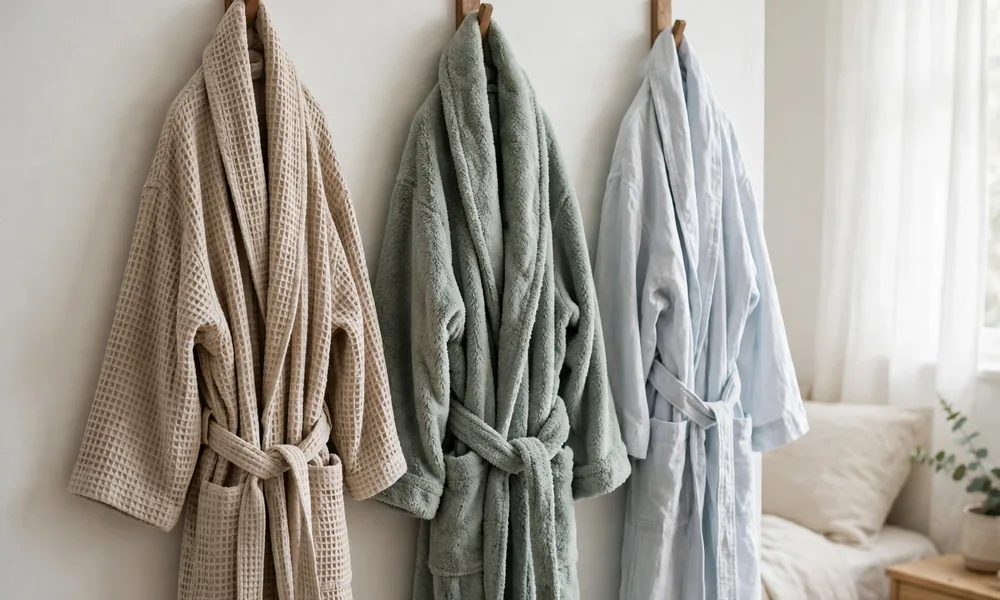
- Waffle-knit robes dry fastest and feel lightest, making them ideal for warm bathrooms and summer mornings.
- Silk and satin robes are best for lounging and layering, not for drying off, because they absorb very little water.
- A mid-calf length with a proper tie belt and deep pockets suits most people better than a very short or very long robe.
- Wash a new robe before first wear, skip fabric softener, and hang it to dry to keep the fabric soft for years.
What Makes a Good Bathrobe
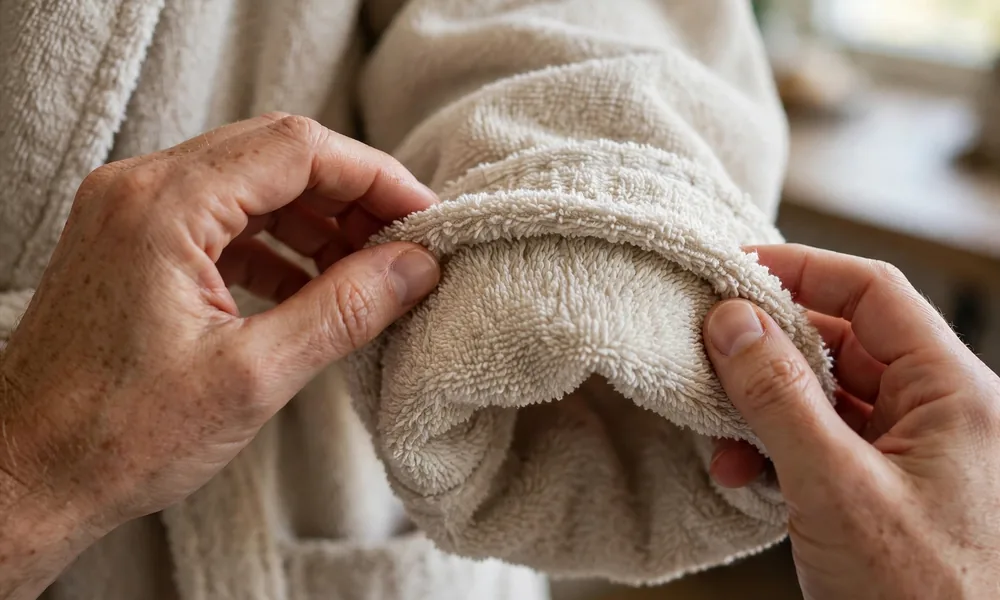
Fabric is the first thing to check, and it matters more than brand, colour or price. Natural fabrics such as cotton and bamboo absorb water properly, because their fibres pull moisture in and hold it until the robe is hung to dry. Turkish cotton terry has dense loops that soak up the water left on your skin after a shower, which is why it feels warm and dry the moment you put it on. Waffle knit cotton is lighter and dries faster, which suits warm bathrooms and summer mornings. Fleece is soft and warm, though it absorbs less water, so it suits the bedroom more than the bathroom. Silk and satin feel smooth and look elegant, but they absorb almost nothing and offer no warmth at all.
Weight is the second thing, and it decides whether the robe feels like comfort or like a burden. Heavyweight terry, around 400 grams per square metre and above, suits cold mornings and slow weekends. Lightweight waffle and cotton robes suit warm rooms and quick mornings. If you run hot, a heavy robe will end up on the floor within minutes.
Fit is the third thing, and it is where most robes disappoint. A good robe should close comfortably without gaping and tie securely at the waist. Look for a proper inner tie as well as an outer belt, since that combination keeps the robe closed while you move. Sleeves should end at the wrist, and the length should fall between the knee and the mid-calf for most people. Deep pockets matter too: a robe without pockets leaves you carrying your phone in your hands.
Bathrobe Fabrics Compared
Every bathrobe fabric has a clear best use, and matching the fabric to your routine is the fastest way to choose. A robe bought for drying off after a shower needs absorbency above all. A robe bought for lounging on a Sunday morning needs warmth and drape. A robe bought for a hot climate needs lightness and fast drying. Start with the job, then pick the fabric.
| Fabric | Absorbency | Warmth | Drying Speed | Best For |
|---|---|---|---|---|
| Turkish cotton terry | Excellent | High | Slow | After-shower drying |
| Waffle-knit cotton | Good | Low | Fast | Warm bathrooms, summer |
| Microfibre fleece | Fair | High | Fast | Cold bedrooms |
| Silk and satin | Poor | Low | Fast | Lounging, layering |
| Bamboo viscose | Very good | Medium | Medium | Sensitive skin |
Turkish cotton terry leads for absorbency, waffle cotton for breathability, silk and satin for drape, and microfibre fleece for warmth without weight. Bamboo viscose deserves a mention for sensitive skin: it is soft, absorbent and naturally antibacterial, though it needs gentler washing than cotton. Whatever fabric you choose, check the weight on the label before you buy.
The Main Types of Bathrobes
Plush Terry Robes
The plush terry robe is the classic after-shower robe, and it is the one most people picture when they think of a bathrobe. Dense cotton loops absorb water quickly, the shawl collar sits warmly against the neck, and the weight feels like a hug after a hot shower. Terry robes suit cold bathrooms and slow mornings, and they are the best choice if you only own one robe. Their weakness is drying time: a heavy terry robe needs a full day on a hook to dry out.
Waffle-Knit Robes
A waffle-knit robe is the lightest useful robe, with a honeycomb weave that dries fast and feels cool against the skin. It absorbs less than terry, but it absorbs enough for a quick dry-off, and it is the robe that gets worn most in summer. Waffle robes pack small, which makes them good for travel and for small bathrooms with no room for a heavy robe on the hook.
Fleece and Hooded Robes
Fleece robes are for warmth, not for drying. A microfibre fleece robe feels soft and light, keeps you warm in a cold bedroom, and dries quickly if it gets damp. A hooded version adds warmth for the head and neck. Fleece is the right choice for winter mornings and for anyone who wears their robe for hours rather than minutes. It is the wrong choice for stepping out of a hot shower, because it pushes water around instead of soaking it up.
Silk and Satin Robes
Silk and satin robes are for lounging, not for drying off. They drape beautifully, feel cool and smooth against the skin, and look like a small daily luxury. They absorb almost nothing, offer no warmth, and need delicate washing, so they suit a slow evening with a book rather than a rushed morning after the shower. Buy one for lounging, not for drying off.
Fit, Length and the Details That Matter
Length changes how a robe feels more than most buyers realise. A knee-length robe is the most practical: it keeps you warm, stays out of the way, and dries quickly. A mid-calf robe is the warmest practical length and suits cold houses and tall people. An ankle-length robe looks dramatic but trips on stairs, drags on wet floors, and takes the longest to dry. For most people, mid-calf is the sweet spot, with knee-length as the better choice for warm climates and short people.
The belt is the part of a robe that fails first, so check it before you buy. A wide, securely stitched belt stays tied, while a narrow, slippery belt comes undone every time you move. Belt loops keep the belt in place when the robe is on a hook, and an inner tie stops the robe gaping open at the front. Pockets should be deep enough for a phone, and the collar should sit flat without flopping.
Buying for someone else needs a different approach. Sizes vary widely between brands, and a robe that fits one person perfectly can swamp another. When in doubt, size up: a slightly loose robe is comfortable, while a tight robe gaps and slips. If you are buying for a woman specifically, our guide to the best bathrobes for women covers the styles, lengths and fabrics that suit women best.
Care and Washing
A bathrobe collects more moisture than any other garment you own, so washing matters. Wash a new robe before first wear to remove factory finishes and to open up the fibres, which improves absorbency. After that, wash a terry robe every week or two, and a waffle or fleece robe every two to three weeks. Use warm water and a mild detergent, and skip fabric softener entirely, because softener coats the fibres and kills absorbency long before the robe wears out.
Drying is as important as washing. Hang a robe to dry in fresh air when you can, and tumble dry on low heat if you must. Never use high heat on fleece or silk, and never leave a damp robe scrunched on a hook, because it will smell musty within a day. A robe that has lost its softness usually has softener build-up, and a hot wash with a cup of white vinegar can strip it and bring the absorbency back.
The rest of the bathroom matters too. A robe works best as part of a routine: a good towel for the first dry-off, the robe for warmth while you get ready, and a dry place to hang it afterwards. Our guide to the best bath towel sets for families covers the sizes and weights that pair best with each robe type. Keep the robe on a proper hook, not a door handle, so air circulates and it dries between wears.
Bathrobe Buying Checklist
- Choose the fabric for the job: terry for drying off, waffle for warm rooms, fleece for cold bedrooms, silk for lounging.
- Check the weight: heavyweight terry for winter, lightweight waffle for summer.
- Pick a knee to mid-calf length, and size up if you are buying for someone else.
- Look for an inner tie plus an outer belt, deep pockets and a collar that sits flat.
- Wash before first wear, skip fabric softener, and hang the robe to dry.
- Buy a robe that matches your routine, not the one that looks best on the hanger.
Frequently Asked Questions
What is the best fabric for a bathrobe?
Turkish cotton terry is the best all-round fabric for warmth and absorbency after a shower. Waffle knit suits warm mornings, fleece suits cold rooms, and silk suits lounging. Choose the fabric for the job you actually use the robe for.
How long should a bathrobe be?
Knee to mid-calf suits most people. Knee-length is the most practical and dries fastest, while mid-calf is warmer and suits cold houses and tall people. Ankle-length robes look dramatic but trip on stairs and take the longest to dry.
Should I size up when buying a bathrobe?
Yes, especially when buying for someone else. A slightly loose robe is comfortable, while a tight robe gaps open and slips. Sizes vary widely between brands, so check the size guide and size up if you are between sizes.
Why has my bathrobe stopped absorbing water?
Fabric softener is the usual cause: it coats the fibres and kills absorbency. Skip softener, and wash the robe in hot water with a cup of white vinegar to strip the build-up. Absorbency usually comes back after one or two washes.
How often should I wash my bathrobe?
Every week or two for terry robes, and every two to three weeks for waffle or fleece robes. A robe collects moisture and skin oils every time you wear it, so it needs washing more often than most people think.
Can I wear a bathrobe instead of pyjamas?
Yes, many people do, especially in winter. A fleece or hooded robe works well as a warm layer over nightwear. If you want nightwear designed for sleeping, our guide to choosing pajamas that actually help you sleep covers the fabrics and fits that suit each season.
The Bottom Line
The right bathrobe is the one whose fabric, weight and fit suit your mornings. For most people that means a Turkish cotton terry robe in a knee to mid-calf length, with an inner tie, a proper belt and deep pockets, washed without fabric softener and hung to dry. Buy for the routine you actually have, and the robe becomes the most-used garment in the house.