
Why the best beard oils of 2026 are worth the habit comes down to one simple fact: a beard is hair, and hair that is never conditioned turns dry, itchy and rough. A few drops of beard oil, rubbed between the palms and worked through the beard, soften the hair, calm the skin underneath, and leave the beard looking tidy instead of wild. This guide explains what beard oil does, which oils suit which beards, and how to use it properly, so a small bottle earns a permanent place on the bathroom shelf.
Key Takeaways
- Beard oil softens the hair and moisturises the skin underneath, which cuts itching and flaking.
- Two or three drops suit a short beard; longer beards need four to six drops, applied daily.
- Apply beard oil to a clean, slightly damp beard, then comb it through for an even finish.
- Jojoba and argan oils suit most skin types, while heavier oils suit thick, coarse beards.
- Oil is a conditioner, not a styling product; it will not hold a shape the way balm or wax does.

What Is Beard Oil?
Beard oil is a light blend of carrier oils, sometimes with a few drops of essential oil for scent, designed to condition facial hair and the skin beneath it. The carrier oil does the real work: jojoba, argan, sweet almond and grapeseed are the most common, and each absorbs easily without leaving a greasy film. A good beard oil is thin enough to spread through the beard with the fingers, and it sinks into the hair rather than sitting on top of it. It is not a growth product, whatever the label claims. No oil can make hair grow faster or thicker; what it can do is keep the hair you already have soft, healthy-looking and free of the dryness that makes beards itch.
What Beard Oil Actually Does
A beard itches for a simple reason: the skin underneath dries out. Facial skin produces natural oils, but a full beard traps them at the roots, so the skin beneath gets little moisture while the hair itself grows dry and wiry. Beard oil replaces that missing moisture. Rubbed into the skin, it eases the itch that drives new beard growers to shave, and it softens the flakes that collect on dark shirts. It also adds a light, healthy sheen, the difference between a beard that catches the light and one that looks dull. Think of it as conditioner for the face, a daily habit rather than a one-off treatment, and the results build up over weeks of regular use. Winter is when oil matters most: cold air and indoor heating dry facial hair faster than summer does, so many men use a drop more in the colder months and a drop less when it is warm. A small bottle also travels well, which is why it suits men who keep a wash bag packed for work trips.
Best Beard Oils by Type in 2026
There is no single best beard oil for everyone, because the right choice depends on your beard length, your skin and the scent you can live with every day. The five types below cover almost every user.
Best Jojoba Beard Oil
Jojoba oil is the closest thing to the skin’s own natural oil, which is why it suits almost everyone. It absorbs quickly, rarely causes spots, and works well on sensitive skin. It is the best starting point for a first beard oil, and the best choice for anyone who has reacted badly to scented products before. The trade-off is scent: pure jojoba has almost none, so it suits people who prefer a neutral finish.
Best Argan Beard Oil
Argan oil is richer than jojoba and gives a softer, smoother finish on coarse or wiry hair. The downside is price: good argan oil costs more than most other carrier oils, though a bottle still lasts months.
Best Unscented Beard Oil
An unscented oil contains carrier oils only, with no essential oils at all. It suits anyone with sensitive skin, anyone who wears cologne and does not want two scents competing, and anyone who works close to other people. It is also the safest choice for a first oil, since there is nothing in it to react to.
Best Woodsy Scented Beard Oil
A woodsy oil, usually cedarwood, sandalwood or pine, gives the classic barbershop scent that most beard wearers expect. It suits short and medium beards, and it pairs well with a tidy, shaped beard rather than a wild one. The trade-off is strength: a heavily scented oil can overpower a small room, so start with fewer drops than the label suggests.
Best Heavy Beard Oil for Coarse Beards
A heavy oil, usually built on castor or sweet almond oil, suits thick, coarse beards that drink lighter oils without softening. It coats each strand more thickly and tames frizz that lighter oils cannot touch. The downside is weight: too much heavy oil leaves the beard looking greasy, so apply it sparingly and comb it through well.
How to Use Beard Oil Properly
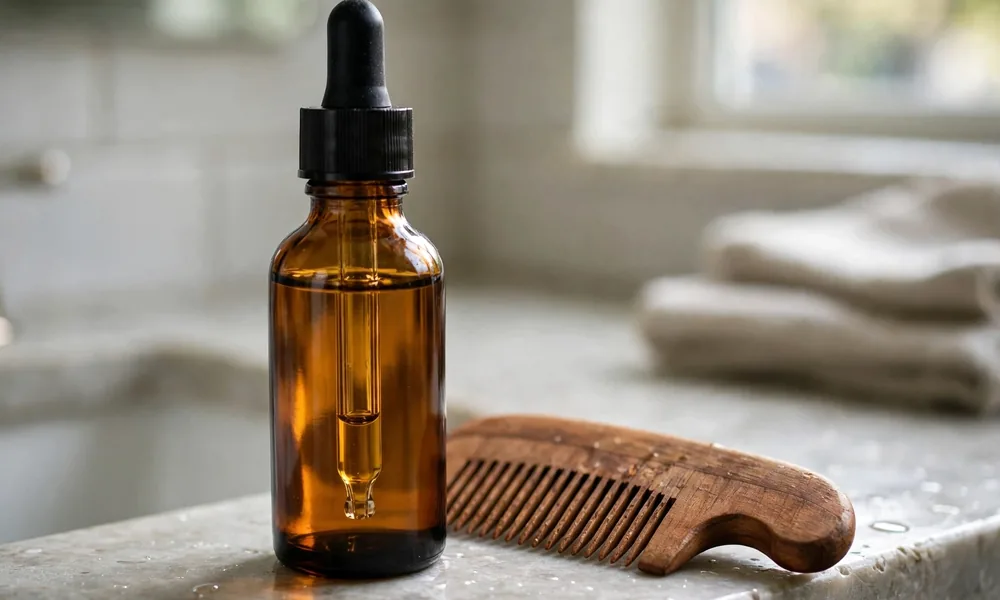
Good technique takes less than a minute. Wash the beard first, or at least rinse it, then towel it dry until it is slightly damp, not dripping. Put two or three drops in one palm for a short beard, four to six for a long one, and rub both palms together to warm the oil and spread it evenly. Then work it through the beard from the roots outward, making sure to reach the skin underneath with the fingertips. Finish by combing through with a wooden comb, which spreads the oil evenly and tidies the shape. Never pour oil straight onto the beard, because it pools in one spot and leaves the rest dry. A good comb makes the whole routine easier, and our guide to the best combs of 2026 covers the combs that glide through thick beards without snagging.
Beard Oil, Balm and Wax: Which Do You Need?
Oil, balm and wax do different jobs, and most beards need only one of them. Oil conditions and softens, and it is the right choice for daily care. Balm adds a little hold as well as conditioning, and it suits medium beards that need shaping through the day. Wax gives the strongest hold and suits moustaches and styled beards that must stay in place. Buying all three at once is a waste for most men: start with oil, use it for a month, and add balm only if the beard still will not behave. If you would rather remove the beard altogether, our guide to the best safety razors of 2026 covers the razors that shave close without tearing the skin.
Beard Oils Compared
| Oil Type | Best For | Typical Price | Feel | Scent |
|---|---|---|---|---|
| Jojoba | First oil, sensitive skin | £8–£15 | Light | Nearly none |
| Argan | Long beards, coarse hair | £12–£20 | Rich | Light, nutty |
| Unscented | Sensitive skin, cologne wearers | £8–£15 | Light | None |
| Woodsy scented | Short beards, classic scent | £10–£18 | Medium | Cedar, sandalwood |
| Heavy, castor-based | Thick, coarse, curly beards | £10–£18 | Heavy | Mild |
| Citrus scented | Summer, fresh scent | £10–£18 | Light | Bergamot, lemon |
Common Mistakes to Avoid
The most common mistake is using too much. A beard soaked in oil looks greasy, stains shirt collars, and attracts dust, when three drops would have done the job. Start small and add a drop only if the beard still feels dry. The third is expecting growth. No oil grows hair faster, and any brand that promises it is selling a story, not a result. A fourth is poor storage: a bottle left on a sunny windowsill or beside a hot radiator goes stale faster, so keep it in a cool drawer and close the cap properly after each use. Another mistake is ignoring the skin: oil rubbed only onto the hair does nothing for the itch underneath, so work it in with the fingertips.
How to Choose the Best Beard Oil for You
Start with your skin. If it is sensitive or spot-prone, choose jojoba or an unscented oil. Patch-test any new oil first: one drop on the jawline, left overnight, tells you more than any review can, and it costs nothing. If your beard is coarse or long, choose argan or a heavier castor-based oil. Then think about scent: woodsy suits most men, citrus suits summer, and unscented suits anyone who wears cologne. Check the ingredients list before you buy. Set a budget before you shop: a good beard oil costs £8 to £20, and more is rarely better. Oil works best as part of a simple routine, and if you trim the beard yourself, our guide to the best beard trimmers of 2026 covers the trimmers that hold one even length without snagging.

Beard Oil Buying Checklist
- Choose jojoba or unscented oil for sensitive skin, argan or heavy oil for coarse beards.
- Check the ingredients: short list, carrier oils first, no silicones and no alcohol.
- Smell the oil first, or start unscented if you wear cologne.
- Use two or three drops for a short beard, four to six for a long one.
- Apply to a clean, slightly damp beard and comb it through.
- Set a budget of £8 to £20 and expect a bottle to last two to three months.
Frequently Asked Questions
How often should I use beard oil?
Once a day is enough for most beards, usually in the morning after a shower. Longer or drier beards can take a second light application at night. Daily use matters more than large amounts.
Can beard oil make my beard grow faster?
No. Beard oil conditions the hair you already have and keeps the skin healthy, but it cannot change how fast hair grows or how thick it is. Any brand that promises growth is overstating what oil can do.
Will beard oil make my skin break out?
It should not, if you choose the right oil. Jojoba and argan oils are light and rarely cause spots. If your skin is prone to breakouts, pick an unscented oil, use fewer drops, and stop if spots appear.
Should I use beard oil or beard balm?
Oil is for conditioning and suits daily use on any beard. Balm adds hold and suits medium beards that need shaping. Start with oil, and add balm only if your beard will not stay tidy through the day.
How long does a bottle of beard oil last?
A 30-millilitre bottle lasts two to three months of daily use. Store it upright, away from heat and sunlight, and replace it if the oil starts to smell stale or rancid.
Can I use beard oil on a short beard or stubble?
Yes. One or two drops soften stubble and calm the skin underneath, which is when itching is often worst. Use less than you would on a full beard, and rub it well into the skin.
The Bottom Line
The best beard oils of 2026 are simple, cheap and quick to use. For most men, a jojoba or argan oil, two or three drops a day on a clean, slightly damp beard, is the whole routine. Sensitive skin calls for an unscented oil, coarse beards call for a heavier one, and scent is a matter of taste, not quality. Oil will not grow your beard or hold its shape, but it will keep the hair soft, the skin calm and the beard looking deliberate. For less than a minute a day and a few pounds a month, that is a habit worth keeping.


