
How to Choose Hair Crimpers That Add Volume in 2026
Hair crimpers are back, and not as a novelty. The best hair crimpers in 2026 press a fine zigzag texture into the hair that adds volume at the roots without teasing and gives straight hair a grip that lasts all day. A good crimper works in minutes and leaves the hair looking fuller rather than fried. A bad one leaves creases that look accidental and cooks the same section twice. This guide explains how to choose hair crimpers for your hair type and use them without damage.
Key Takeaways
- Crimping adds volume and texture, not curls: zigzag plates lift the roots and give fine hair grip.
- Match the plate width to the job: narrow for roots and short hair, wide for long hair.
- Choose ceramic plates for fine or damaged hair and titanium for thick, coarse hair.
- Crimp only fully dry hair, in thin sections, with heat protectant, for five to eight seconds per press.
- Use the lowest heat that holds: 160 to 180 degrees for fine hair, 180 to 200 for thick hair.
Hair Crimpers 2026 at a Glance
| Crimper | Best for | Plates | Heat range | Approx. price |
|---|---|---|---|---|
| Narrow ceramic crimper | Root volume, short hair | Ceramic, 20 mm | 140–200°C | $25–$55 |
| Wide ceramic crimper | All-over texture, long hair | Ceramic, 40 mm | 140–210°C | $35–$75 |
| Titanium crimper | Thick, coarse hair | Titanium, 30 mm | 150–230°C | $50–$100 |
| Mini travel crimper | Fringes, touch-ups, travel | Ceramic, 15 mm | 150–200°C | $20–$40 |
| Interchangeable-plate crimper | Crimping and straightening | Ceramic, swap plates | 140–210°C | $60–$120 |
| Deep-wave crimper | Bold texture, statement looks | Ceramic, deep zigzag | 150–210°C | $40–$85 |
What a Hair Crimper Actually Does
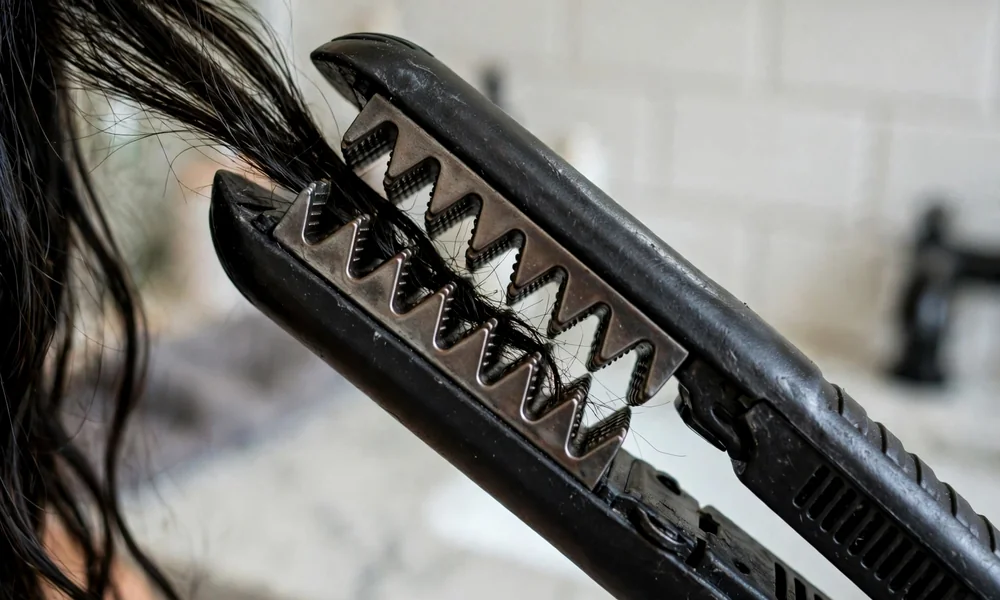
A hair crimper is a hot tool with two plates pressed into a zigzag pattern. When the plates close, the heat reshapes the bonds inside each strand so the zigzag holds. The effect is texture and volume rather than curl: the hair looks thicker and holds ponytails and braids far better than smooth hair does. That is why crimpers suit fine, slippery hair: smooth fine hair falls flat within an hour, while crimped hair has grip.
The crimp also changes how light falls on the hair, so crimped hair looks denser even though the amount of hair has not changed. Used lightly at the roots under the top layer, the crimp is almost invisible and simply lifts the hair. Used all over, it is a deliberate textured style.
The Main Types of Hair Crimper
Crimpers fall into a handful of types, and the right one depends on how much hair you plan to crimp and how long it is.
Narrow crimpers for roots and short hair
A narrow crimper, usually around 20 millimetres wide, is the best choice for root volume and short hair. The small plates fit close to the scalp and around the ears and nape, where a wide plate cannot reach. Crimping just the under-layers at the roots lifts the top layer with no visible texture on the surface.
Wide crimpers for long hair and all-over texture
A wide crimper, around 40 millimetres, covers more hair per press and cuts the time for long hair in half. If you want crimped texture through the whole head, a wide plate is the only sensible choice, because a narrow plate would take dozens of presses. Wide plates suit medium and long hair best and give the most even all-over texture.
Mini crimpers for fringes and travel
A mini crimper has plates around 15 millimetres wide, made for fringes, face-framing layers, and touch-ups. It fits in a wash bag and handles fiddly sections a full-size tool cannot reach, but it is not a whole-head tool.
Interchangeable-plate tools
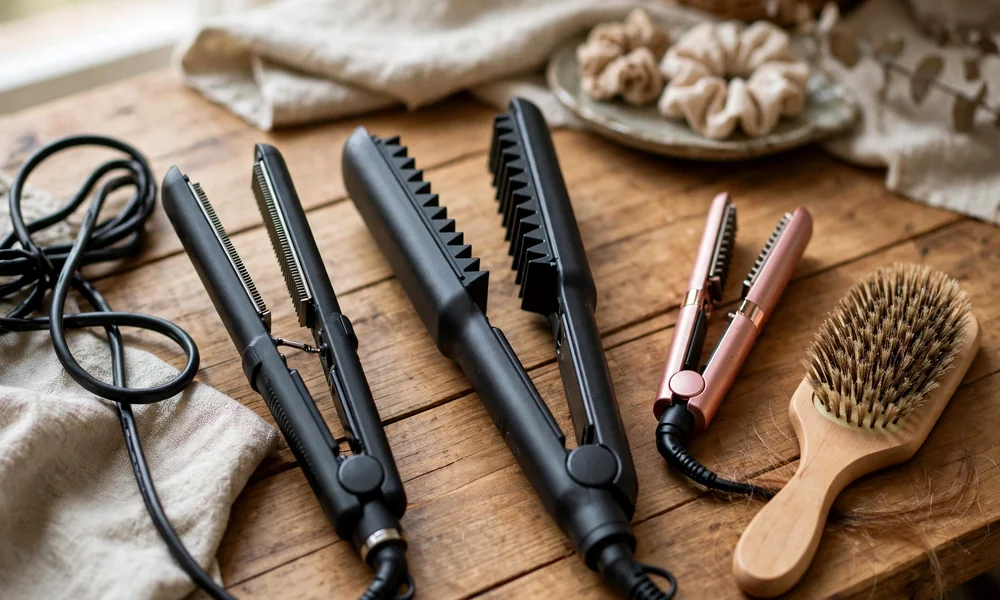
Some tools come with crimping plates that swap for straightening plates, so one handle does two jobs. Check that the plates lock firmly, because a plate that shifts while hot is dangerous, and that the crimping plates are genuinely zigzag rather than a shallow wave.
Plate Materials: Ceramic Versus Titanium
The plate material matters more than the brand name. Ceramic plates heat evenly, so there are no hot spots that scorch one strand while another stays straight. Ceramic is forgiving, holds a steady temperature, and suits fine, thin, or damaged hair best. Look for genuine ceramic plates rather than a thin coating over cheap metal that chips within a year.
Titanium plates heat faster and transfer heat more efficiently than ceramic, which is why they are the best hair crimpers for thick, coarse hair. A titanium crimper can set a crimp in a thick section in a single press. Titanium is less forgiving: a careless press at 230 degrees can scorch fine hair in seconds. If your hair is thick, choose titanium at 190 to 210 degrees and always use a heat protectant.
Heat Settings: Lower Is Almost Always Better
The biggest mistake in crimping is using more heat than the hair needs. Most crimpers go up to 230 degrees, but few heads of hair need that much. Fine hair usually crimps at 150 to 170 degrees, medium hair at 170 to 190, and thick hair at 190 to 210. Start low and test one hidden section: if the crimp holds for an hour, the setting is right. Going straight to the maximum is how hair ends up dry and snapping at the ends.
Heat control matters as much as the maximum. A good crimper lets you set the temperature precisely and holds it steady, because a plate that cools between presses gives uneven results. Give the tool a full minute to reach temperature before you start. Always use a heat protectant, and dry the hair completely first: crimping damp hair boils the water inside the strand and damages it from the inside. Dry it fully with a hair dryer first, and our guide to the best hair dryers in 2026 explains which dryers protect hair while they dry it.
How to Crimp Your Hair Without Damage
Start with clean, fully dry hair and a heat protectant worked through it. Divide the hair into thin sections no wider than the plates and clip the top layers out of the way. Place one section flat between the plates near the roots, close the crimper, and hold for five to eight seconds. Release, move down by one plate length, and press again, overlapping slightly so there is no smooth gap.
For root volume only, crimp just the first few centimetres of the under-layers at the crown and let the top layer fall over the top. The lift is dramatic and the texture stays hidden. For all-over texture, crimp every section from root to tip in the same order. Leave the ends uncrimped, which spares the oldest, driest part of the hair.
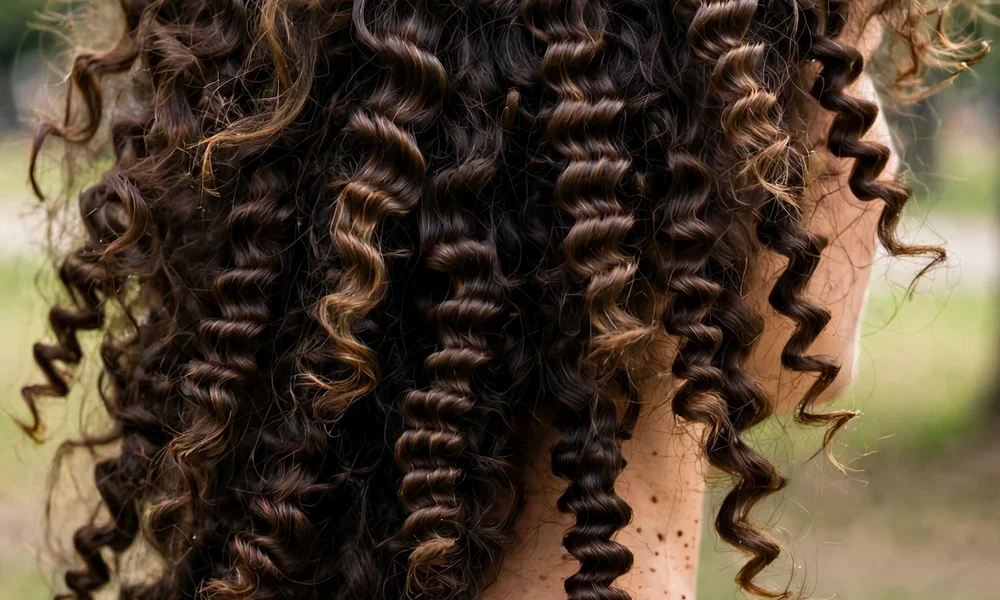
Once a section is crimped, do not brush it: brushing breaks the zigzag and turns the texture into frizz. Let the hair cool for a few minutes before you touch it at all, because the crimp sets as it cools. A light mist of flexible hairspray helps the texture last, but avoid heavy sprays that weigh the hair down.
Hair Crimpers Versus Curling Irons and Flat Irons
Crimpers, curling irons, and flat irons all use heat, but they make different finishes. A curling iron wraps hair around a round barrel to make waves and curls, while a crimper presses a zigzag into the hair for volume and texture. If you want soft waves, a curling iron is the right tool, and our guide to the best curling irons for effortless waves explains barrel sizes and technique. If you want volume at the roots, a crimper does the job in a way a curling iron cannot, because a curl drops while a crimp holds.
A flat iron presses hair between two smooth plates to make it sleek and straight, which is the opposite of what a crimper does. The two tools complement each other: many people straighten the top layer for shine and crimp the under-layers for lift. Our guide to the best flat irons for sleek hair without damage covers plates, heat, and technique. If you can only own one hot tool, choose by the finish you want most days: waves, sleekness, or volume.
Choosing the Right Crimper for Your Hair
Fine hair needs the gentlest crimper: ceramic plates, a narrow or medium width, and a low heat setting, since fine hair crimps easily and high heat damages it fastest. Thick hair needs the opposite: a wide plate, titanium if possible, at 190 to 210 degrees, worked in thin sections. Short hair suits a narrow or mini crimper; long hair suits a wide crimper, because it covers more hair per press.
Care, Cleaning, and How Long a Crimper Lasts
A well-made crimper lasts three to five years. Let the plates cool before putting it away, wipe them with a soft, dry cloth once cool, and never wrap the cord tightly around the tool. Replace it when the plates no longer heat evenly or the coating chips.
Your Hair Crimper Checklist
- Pick the plate width for the job: narrow for roots and short hair, wide for long hair.
- Choose ceramic for fine or damaged hair and titanium for thick, coarse hair.
- Check the heat range goes low enough, ideally down to 140 degrees, with precise control.
- Always use heat protectant and crimp only fully dry hair, in thin sections.
- Hold each press for five to eight seconds and never crimp the same section twice.
- Let the crimp cool before touching it, and never brush crimped hair.
Frequently Asked Questions
Do hair crimpers damage your hair?
Any hot tool can damage hair if used badly, but a crimper used correctly is no worse than a flat iron. The damage comes from too much heat, damp hair, and pressing the same section twice. Use protectant, dry the hair fully, use the lowest heat that holds, and press each section once. Limit crimping to two or three times a week.
How long does crimped hair last?
A good crimp lasts all day and often into the next day, especially on fine hair, because the zigzag holds its shape better than a curl. Humidity softens it faster, so a light mist of flexible hairspray helps. Sleeping on it flattens the roots, but a quick morning touch-up restores the volume.
Can you crimp short hair?
Yes, short hair crimps well with a narrow or mini crimper, and it is one of the best ways to add volume to a bob or a pixie cut. Use a narrow plate close to the roots, work in small sections, and leave the top layer smooth. Wide plates are too big for short hair.
Is crimping better than teasing for volume?
Crimping is gentler than teasing, because teasing pushes the hair backwards against the cuticle and tangles it, while crimping presses a shape into the strand without tangling. Crimped volume also lasts longer and brushes out cleanly. For daily volume, crimping is the kinder choice.
Can you crimp curly hair?
Yes, but the result is texture on top of texture, so it suits bold styles rather than subtle volume. Use a wide plate and a higher heat setting, work in thin sections, and straighten the section lightly first if you want the crimp to read clearly.
What is the difference between crimping and waving?
Crimping presses a fine, regular zigzag into the hair, while waving makes larger, smoother curves. Crimping adds volume and grip, waving adds movement and softness. If you want volume, crimp; if you want soft movement, wave.
The Bottom Line
The best hair crimpers in 2026 match your hair: ceramic and narrow for fine hair and root volume, wide and titanium for thick hair and all-over texture, and a mini tool for fringes and travel. Use the lowest heat that holds, use protectant, crimp dry hair once per section, and let it cool before you touch it. Done that way, crimping is the fastest route to volume that lasts all day.


