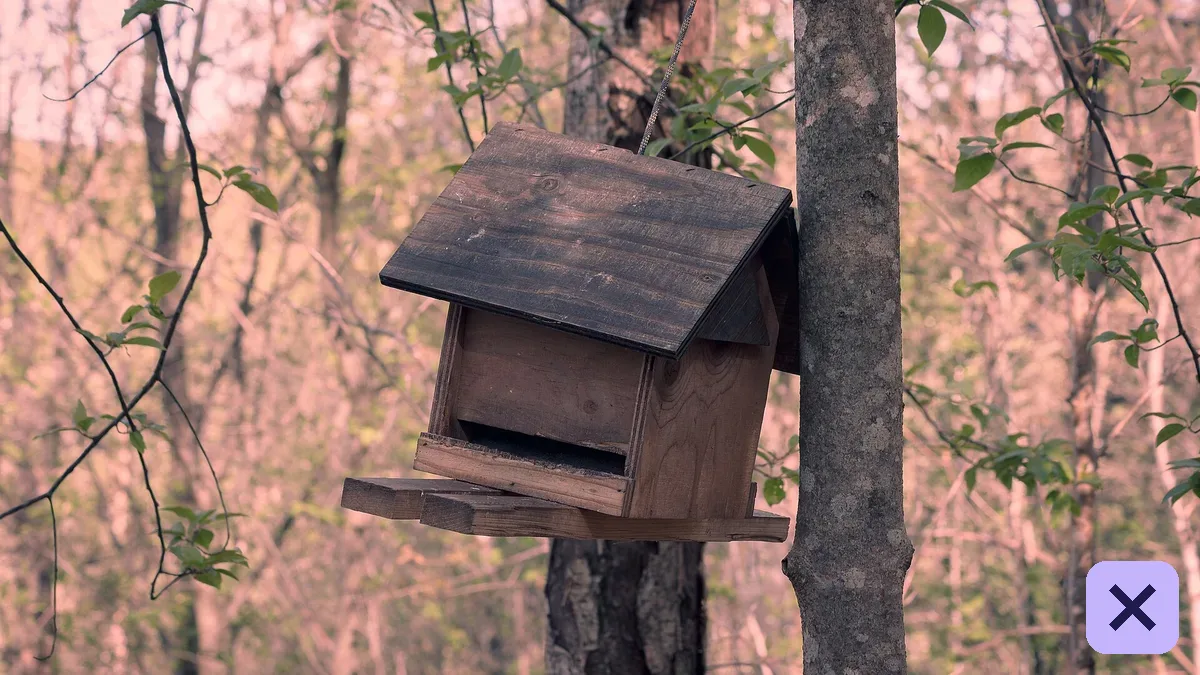
The best bird feeders in 2026 are the ones that bring the birds and keep the squirrels out. A bird feeder sounds like the simplest garden purchase there is, until you hang one up and discover that the birds ignore it, the squirrels empty it in an afternoon, the seed turns to damp mush after one rainy night, and the whole thing falls apart by spring. The best bird feeders avoid all of that: they are built to keep seed dry, they are easy to clean, they are hard for squirrels to raid, and they are designed around the birds you actually want to see in your garden.
We judged the best bird feeders on the birds they attract first, then on squirrel resistance, weather protection, ease of cleaning, build quality, and value for money, because a feeder that only works for a month is a waste of money no matter how cheap it was. The garden hoses we compared earlier keep your garden watered, but a feeder is what turns a garden into a place where birds actually spend time, and the right one can bring finches, tits, cardinals, and woodpeckers to your window within days of hanging it.
Key Takeaways
- A tube feeder is the best bird feeder overall in 2026, attracting finches, tits, and chickadees while keeping seed dry and easy to refill.
- A squirrel-proof feeder is the best bird feeder for gardens with bold squirrels, using weight-activated perches that shut off the seed ports.
- A hopper feeder is the best bird feeder for attracting the widest variety of birds, holding plenty of seed and suiting cardinals and grosbeaks.
- A platform feeder is the best bird feeder for ground-feeding birds, but it needs the most cleaning and the most protection from rain.
- A suet feeder is the best bird feeder for woodpeckers in winter, giving them the high-energy fat they need when insects are scarce.
The Best Bird Feeders of 2026 at a Glance
| Feeder Type | Best For | Birds It Attracts | Squirrel Resistance | Cleaning Ease |
|---|---|---|---|---|
| Tube feeder | Best overall | Finches, tits, chickadees | Good with a baffle | Easy |
| Squirrel-proof feeder | Squirrel-heavy gardens | Finches, tits, cardinals | Excellent | Moderate |
| Hopper feeder | Widest variety | Cardinals, grosbeaks, jays | Poor without a baffle | Moderate |
| Platform feeder | Ground-feeding birds | Doves, sparrows, juncos | Poor | Needs frequent cleaning |
| Suet feeder | Woodpeckers in winter | Woodpeckers, nuthatches | Fair | Easy |
How We Judged the Best Bird Feeders
A bird feeder earns its place on this list by doing four things well: attracting birds, keeping seed fresh, standing up to weather, and surviving squirrels. We looked at how long seed stays dry in rain, how easily the feeder comes apart for scrubbing, how the ports and perches suit different beaks and body sizes, and whether the materials last more than one season. A feeder that rusts, cracks, or clouds over with mould in its first winter is not a bargain at any price.
Tube Feeders: The Best Bird Feeders Overall
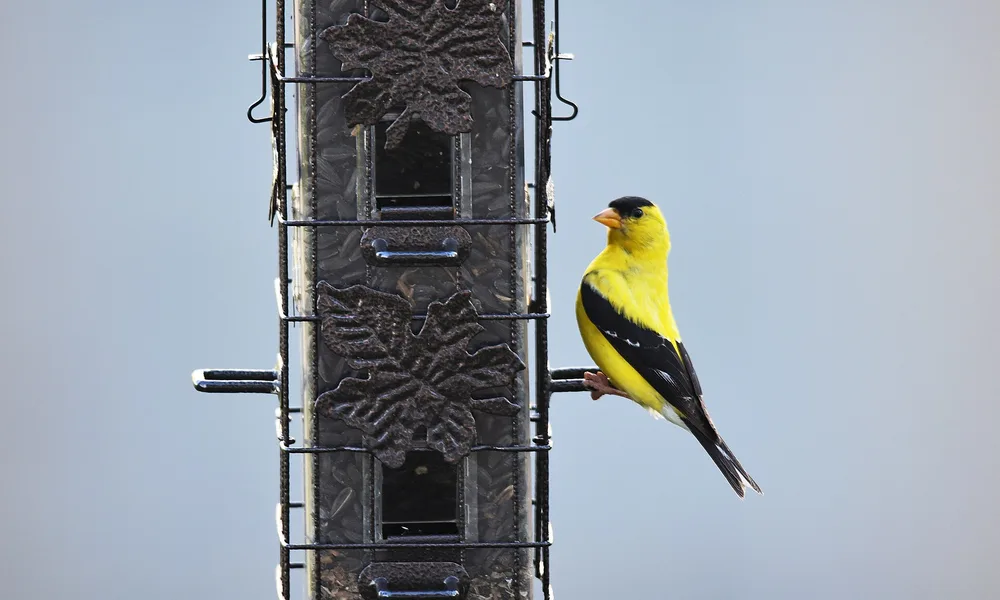
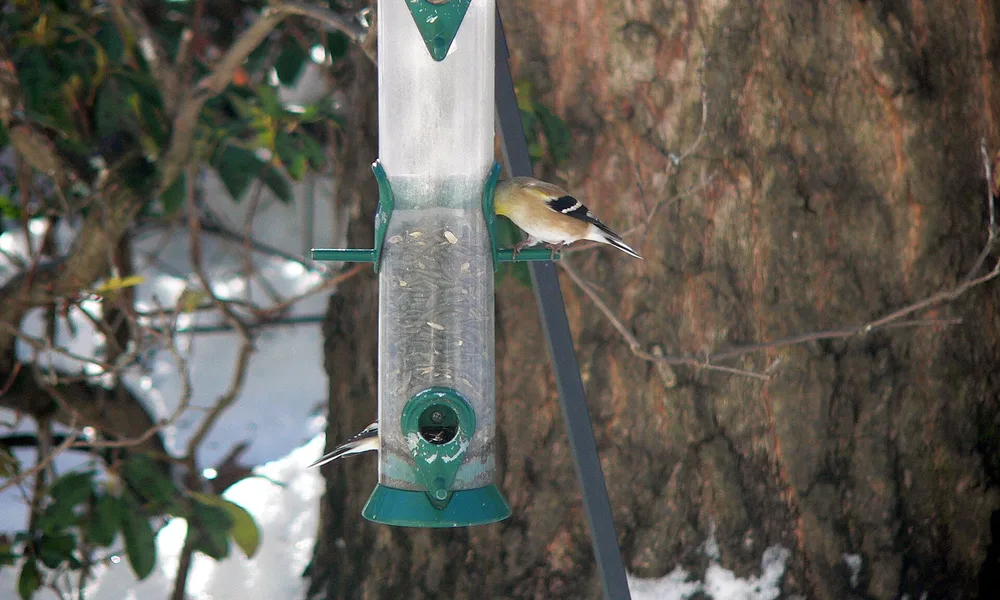
A tube feeder is a clear cylinder with feeding ports and perches spaced along its length, and it is the best bird feeder overall because it does the basics better than anything else. Seed stays dry inside the tube, birds can feed at several ports at once, and you can see at a glance when it needs refilling. Fill one with sunflower hearts or nyjer seed and finches will find it within days, and tits and chickadees are rarely far behind.
The best tube feeders have metal ports rather than plastic ones, because squirrels chew plastic ports to pieces. They also have a removable base so you can tip out old seed and scrub the inside, which matters more than most people realise: damp, mouldy seed can make birds ill, and a feeder you cannot clean properly becomes a health risk. Look for a tube feeder with a built-in seed tray as well, because it catches the seed that birds drop and gives larger birds somewhere to perch.
Squirrel-Proof Feeders: The Best Bird Feeders for Squirrel Country
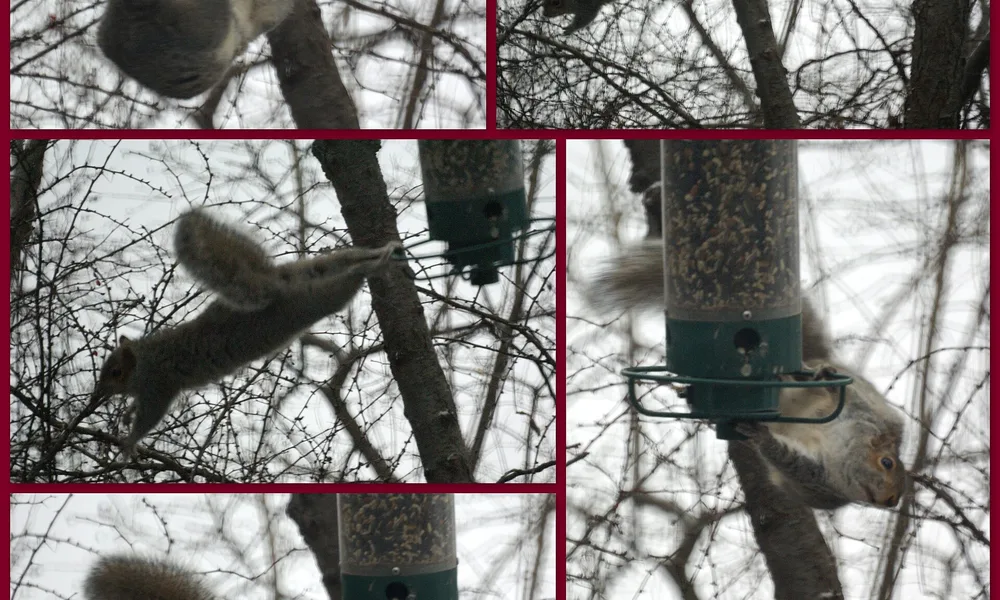
If squirrels empty your feeder before the birds get a look in, a squirrel-proof feeder is the answer, and the weight-activated kind works best. When a squirrel climbs on, its weight closes a sleeve over the seed ports. Birds are light enough that the ports stay open for them. The mechanism sounds like a gimmick, but the good ones really do work, and they pay for themselves in saved seed within a few weeks.
Hopper Feeders: The Best Bird Feeders for Variety
A hopper feeder holds seed in a central chamber and lets it flow out onto a tray as birds eat, and it is the best bird feeder for attracting the widest variety of birds. Cardinals, grosbeaks, jays, and sparrows all feed comfortably from a hopper, and because it holds a lot of seed, you refill it less often. A hopper feeder on a pole in an open part of the garden is one of the best ways to see many species in one place.
Platform and Suet Feeders: Specialists Worth Having
A platform feeder is nothing more than a flat tray, often with a roof, and it is the best bird feeder for ground-feeding birds like doves, juncos, and sparrows, which will not use a tube or a hopper. Scatter seed on a platform and they will come, and because the tray is open, you can offer foods that do not fit in a tube, like cracked corn, mealworms, and fruit. The trade-off is cleaning: an open tray collects rain, droppings, and old seed, so it needs scrubbing every few days, and it should never be left with soggy seed sitting in it.
A suet feeder is a wire cage that holds a block of suet, and it is the best bird feeder for woodpeckers in winter. Suet is pure energy, and when insects are scarce, woodpeckers, nuthatches, and chickadees depend on it. The best suet feeders have a tail prop, a flat board below the cage that a woodpecker braces its tail against while it feeds, because woodpeckers feed far more comfortably with that support. In summer, use a no-melt suet, because ordinary suet turns soft and rancid in warm weather.
Where to Hang Your Bird Feeder
Placement matters as much as the feeder itself. Hang a feeder near cover, like a shrub or a small tree, so birds can dart to safety when a hawk passes, but not so close to thick cover that a cat can hide and ambush them. Ten feet from dense cover is a good rule: close enough for a quick escape, far enough that a predator cannot lurk unseen.
Keep feeders away from windows, or very close to them. A feeder hung in the middle of a garden, ten or fifteen feet from a window, is in the danger zone where a startled bird builds up speed before hitting the glass. Either hang it within three feet of the window, so a bird cannot gain speed, or more than thirty feet away, and consider window decals if you have had strikes before. The string lights we looked at earlier show how a garden changes after dark, but a feeder is a daytime feature, and its position should be judged in daylight, when the birds are actually using it.
Keeping Your Bird Feeder Clean and Your Seed Fresh
A dirty feeder is worse than no feeder at all. Seed that sits damp grows mould, and mould can carry diseases that spread quickly among the birds that visit. Clean tube and hopper feeders every two weeks in dry weather and weekly in wet weather, using hot water and a brush, and let them dry fully before refilling. Platform feeders need cleaning every few days. Never top up a feeder with fresh seed on top of old, damp seed: empty it, clean it, and start fresh.
Your Bird Feeder Checklist
- Match the feeder to the birds you want: tube for finches, hopper for cardinals, suet for woodpeckers.
- Choose metal ports and a metal body where squirrels are a problem, because plastic gets chewed through.
- Hang the feeder at least six feet from any branch or fence a squirrel could jump from.
- Make sure the feeder comes apart for cleaning, and clean it every two weeks, weekly in wet weather.
- Fill it with sunflower hearts or nyjer seed, and avoid cheap mixed seed full of filler.
- Put a tray underneath to catch dropped seed, and sweep the ground clear each evening to keep rats away.
Frequently Asked Questions
Why are no birds coming to my new bird feeder?
Birds take time to find a new feeder, usually a few days and sometimes a few weeks. Make sure the feeder is visible from the air, near cover but not hidden inside it, and filled with sunflower hearts, which most birds recognise. If nothing comes after a month, move the feeder to a more open spot and check that the seed is fresh and dry.
How do I stop squirrels from emptying my bird feeder?
Use a weight-activated squirrel-proof feeder, hang it at least six feet from anything a squirrel can jump from, and fit a dome baffle above it or a cone baffle below it. A pole-mounted feeder with a smooth metal baffle is the hardest setup for a squirrel to beat. Greasing poles does not work for long and can harm birds, so avoid it.
How often should I clean my bird feeder?
Clean tube and hopper feeders every two weeks in dry weather and weekly in wet weather, and platform feeders every few days. Use hot water and a brush, rinse well, and let the feeder dry completely before refilling. Never add fresh seed on top of old, damp seed.
What is the best seed to put in a bird feeder?
Sunflower hearts are the best all-round seed, attracting finches, tits, chickadees, and cardinals with almost no waste. Nyjer seed is best for finches, and peanuts in a mesh feeder are best for tits and woodpeckers. Avoid cheap mixed seed, which is mostly milo and wheat that most garden birds will not eat.
Where is the best place to hang a bird feeder?
Hang it five to six feet off the ground, about ten feet from shrubs or small trees that give birds an escape route, and either within three feet of a window or more than thirty feet away, to prevent window strikes. Keep it away from thick cover where cats can hide.
Should I take my bird feeder down in summer?
No, birds benefit from feeders all year, but summer needs more care: sugar water ferments fast, suet goes rancid in heat, and seed moulds quicker in warm rain. Clean feeders more often in summer, use no-melt suet, and change hummingbird nectar every few days.
The Bottom Line
The best bird feeders in 2026 are the ones that bring the birds and keep the squirrels out, and for most gardens that means a well-made tube feeder with metal ports, a baffle, and a regular cleaning routine. If squirrels are your main problem, a weight-activated squirrel-proof feeder is worth every penny, and if you want the widest variety of birds, add a hopper feeder and a suet cage alongside it. The pressure washers we compared earlier keep the patio clean, but a feeder kept clean and filled with good seed is what turns a garden into a place birds return to every day. Hang it in the right spot, keep it clean, and the birds will do the rest.


