A great bread basket does a simple job beautifully: it brings bread to the table warm, keeps it within easy reach, and makes the meal feel finished. The best bread baskets in 2026 are wide and shallow, lined with cloth, and steady enough that nobody thinks about them at all. They hold a loaf and a few rolls without crushing the crust, they keep the bread warm for the length of a meal, and they look good doing it. This guide explains what makes a great bread basket, how it differs from the boxes and boards around it, and how to choose one that suits the way you actually eat.
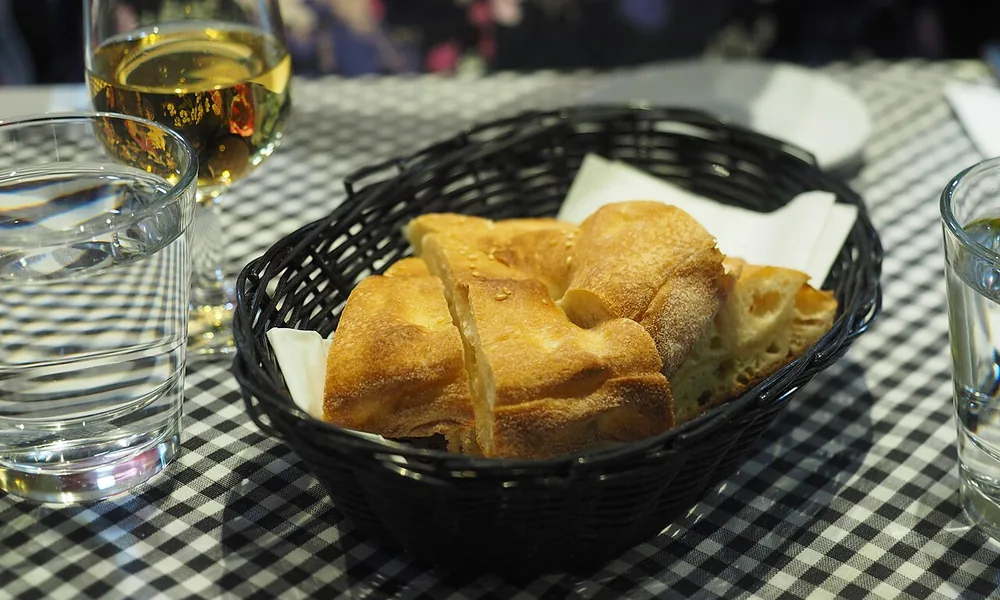
Bread is at its best for a short window. A loaf that leaves the oven crisp and warm starts to cool the moment it is cut, and by the end of a long meal it can be cold and tough. A basket cannot stop that entirely, but a lined basket slows it down. The cloth traps a little warmth, the weave lets a little steam escape so the crust stays crisp, and the bread stays in one place where everyone can reach it.
Key Takeaways
- Choose a wide, shallow basket with a cloth liner: bread stays warm, the crust stays crisp, and nothing is crushed underneath.
- Size it to your table and your loaf: a basket that holds one loaf and a few rolls suits most households.
- Wicker, rattan and seagrass breathe best; a liner matters more than the material for keeping bread warm.
- Keep bread in the basket only for the meal: it is a serving piece, not a storage box.
- Wash the liner after every use and wipe the basket weekly, so crumbs and butter never build up.
What a Bread Basket Really Is
A bread basket is a table serving piece, not a storage box. It holds bread for the length of a meal, usually lined with a cloth, and then it is emptied, shaken out and put away. That distinction matters, because a bread basket is different from a bread box in almost every way that counts. A bread box sits on the countertop for days, keeping a whole loaf fresh between meals, with a lid that balances moisture and airflow. A bread basket has no lid and no storage job: it is open, it is used for an hour, and it is judged on how it serves rather than how it stores. See our guide to bread boxes that keep loaves fresh longer for the storage side.
It is also different from a bread knife, though the two work together at every meal. The knife cuts the bread; the basket presents it. A good knife slices cleanly without crushing the crumb, and a good basket holds the sliced loaf so the cut faces stay protected and the slices are easy to take. Our guide to bread knives that slice cleanly without crushing covers what to look for in a blade.
The third thing a bread basket is often confused with is a storage basket. Storage baskets live on shelves and under benches, holding blankets, toys and clutter, and they are judged on capacity and sturdiness. A bread basket is smaller, shallower and food-safe, and it has to be clean enough to hold something you eat. Food and storage are different jobs, and the baskets built for each are different too.
How to Choose a Bread Basket
Start with size, and measure against the bread you actually buy. A basket that is too small means the loaf sits on top of the rim, cooling fast and sliding around. A basket that is too big looks empty with a few rolls rattling in the middle. For most households, a basket about 30 to 35 centimetres across holds a standard loaf, sliced, plus four or five rolls. If you bake large sourdoughs, go bigger, and if you mostly serve rolls, go smaller and shallower. Measure your table too, and leave room for plates, glasses and serving dishes on each side.
Shape follows the bread. Oval baskets suit long loaves and baguettes, which lie naturally along the length. Round baskets suit round sourdoughs and boules, and they look generous from every seat at a round table. Rectangular baskets suit sliced sandwich loaves and work well on a sideboard. Whatever the shape, look for a flat, stable base. A basket that rocks when you set it down will rock every time someone takes a slice. Press the base on a flat surface before you buy: it should sit solidly, with no wobble and no twist.
Material is where the choice gets interesting. Wicker and rattan are the classics: they breathe, they are light, and they look at home on almost any table. Seagrass is softer and more relaxed, but it stains more easily if butter drips on it. Wooden baskets, usually thin bentwood or bamboo slats, are sturdy and handsome, though heavier. For most tables, woven wicker with a linen liner is the safest choice, and the liner matters more than the weave: a good cloth keeps bread warm and the basket clean.

Bread Basket Materials Compared
The table below compares the materials you will actually find in shops in 2026. Prices are typical for a medium, table-sized basket, and the ratings reflect everyday family meals rather than careful display.
| Material | Warmth | Crust | Ease of cleaning | Typical price |
|---|---|---|---|---|
| Wicker and rattan | Good | Stays crisp | Wipe, wash liner | £15–£40 |
| Seagrass | Good | Stays crisp | Spot clean only | £12–£30 |
| Cotton rope | Fair | Softens slowly | Machine washable | £15–£35 |
| Bamboo and bentwood | Good | Stays crisp | Wipe clean | £18–£45 |
| Coated wire | Poor | Cools fast | Rinse or wipe | £10–£25 |
One detail that separates a good basket from a disappointing one is the finish on the inside. Run your hand around the interior before you buy. Rough splinters, sharp wire ends and loose weaving will snag a liner and scratch the crust. A well-made basket feels smooth inside, with the weave tucked in neatly and no ends sticking out. If you are buying online, read the reviews for mentions of splinters and shedding. A basket that sheds fibres into your bread is a basket that will annoy you every single day.
Serving Bread from the Basket
How you serve the bread matters as much as the basket. Slice the loaf just before the meal, not hours ahead, so the cut faces stay fresh and the crust stays crisp. Put the sliced loaf in the basket cut-side down, with the crust facing out, so the slices are easy to lift and the cut faces are protected from the air. Tuck a cloth over the top if the meal will be long: a loose fold of linen keeps warmth in without trapping steam, and guests can lift it aside easily. Rolls go on top of the sliced loaf or along one side, where they are easy to grab without disturbing the slices.
Butter belongs beside the basket, not inside it. A small butter dish on the table keeps the basket clean and the butter at the right temperature. The same goes for olive oil and dips: keep them in their own dishes, and let the basket hold bread and nothing else. A basket that doubles as a serving dish for spreads ends up sticky, stained and hard to clean. Keep the jobs separate and both pieces last longer.
Think about the rest of the table as well. A bread basket sits naturally beside the main dishes, and it pairs with the other table pieces you already own. A fruit basket on the same table, for instance, holds the fruit for afterwards while the bread basket holds the bread for the meal, and the two together make the table look finished. Our guide to fruit baskets for the table covers the wide, shallow baskets that keep fruit in a single layer, and it is the natural companion to this guide if you are building a table that works for the whole meal. The two baskets are different tools for different foods, and they work best side by side.
Keeping a Bread Basket Clean
A bread basket needs very little care, but it needs it after every meal. Shake the crumbs out over the sink or outside, then shake the liner out and wash it. Linen and cotton liners can go in the washing machine with the rest of the laundry, and they should be washed after every use, because butter and crumbs go rancid quickly in warm cloth. Wipe the basket itself with a dry cloth, and with a damp cloth once a week. Let a woven basket dry fully in the air before you put it away, because a damp basket is where mould starts.
Checklist: Before You Buy a Bread Basket
- Measure your loaf and your table, and choose a basket about 30 to 35 centimetres across for most households.
- Choose a wide, shallow shape so bread sits in one layer and nothing is crushed underneath.
- Check the base on a flat surface: it should sit solidly with no wobble or twist.
- Run your hand around the inside and reject any basket with splinters, sharp wire ends or loose weaving.
- Buy a linen or cotton liner with the basket, and plan to wash it after every meal.
- Remember the job: a basket serves bread for one meal, and storage belongs in a bread box.
Frequently Asked Questions
How big should a bread basket be?
Big enough for one sliced loaf and a few rolls, and no bigger. For most households that means 30 to 35 centimetres across. If you bake large sourdoughs, go bigger; if you mostly serve rolls, go smaller and shallower. A basket that looks half full is better than one that is overfilled.
Do I need a liner in a bread basket?
Yes. A linen or cotton liner keeps the bread warm, protects the crust from rough weaving, catches crumbs and butter, and makes cleaning easy. Wash the liner after every meal. An unlined basket stains, sheds fibres and is much harder to keep clean.
Can I store bread in the basket overnight?
No. A bread basket is a serving piece, not a storage box. Bread left in it overnight goes stale and leaves the basket smelling of old bread. Put leftover bread in a bread box, a bag or the freezer, and put the empty basket away clean and dry.
How do I keep bread warm in the basket?
Slice the loaf just before the meal, put it in the basket cut-side down, and tuck a cloth loosely over the top. The liner traps warmth and the loose cover keeps it in without trapping steam.
What is the difference between a bread basket and a bread box?
A basket serves bread at the table for one meal: it is open, lined with cloth, and emptied afterwards. A box stores a loaf on the countertop for days, with a lid that balances moisture and airflow.
How often should I clean the basket?
Shake the crumbs out and wash the liner after every meal. Wipe the basket with a damp cloth once a week and let it dry fully in the air before putting it away. If it starts to smell, wipe it with water and a little white vinegar, then dry it thoroughly.
The Bottom Line
The best bread basket in 2026 is a wide, shallow, well-made basket with a linen liner, sized to your loaf and your table. Wicker and rattan lead the field for everyday meals, the liner matters more than the material, and the habit of serving fresh, slicing late and washing the liner after every meal beats any single purchase. Choose the size you actually serve, keep the bread in one layer, and the basket will quietly do its job: warm bread, crisp crust, and a table that feels finished.