
How to Choose a Brioche Worth the Butter in 2026
A good brioche is the richest bread most kitchens will ever buy, and the easiest to get wrong. Made with butter, eggs and milk, it should taste of all three: buttery without being greasy, soft without falling apart, and sweet enough to notice but never so sweet it tastes like cake. A bad brioche is a pale, dry loaf wearing a golden crust, or a heavy, oily one that leaves butter on your fingers and nothing else to remember. Brioche costs more than ordinary bread, so a disappointing loaf wastes breakfast, sandwich and dessert all at once. This guide shows how to choose a brioche worth the butter in 2026, whether you buy it from a bakery or a supermarket shelf.
Key takeaways
- Butter is the point: a good brioche lists butter high in the ingredients and tastes rich, not just yellow.
- Press the loaf gently: it should spring back slowly and feel soft and even, never dense at the base or hollow at the top.
- A golden, glossy crust with an even bake beats a dark, blotchy one every time.
- Buy the shape for the job: sliced loaf for toast and sandwiches, buns for burgers, braided loaf for tearing at the table.
- Store brioche airtight at room temperature and eat it within two days, or slice and freeze it on day one.
How the best brioche was chosen
Every brioche below was judged on five measures. Richness comes first: butter, eggs and milk should be flavours you can taste, not just words on the label. Texture is second: a fine, even, soft crumb that pulls gently when torn, not a dry crumble or a doughy chew. Freshness is third, because an enriched loaf goes stale faster than a lean one, and a brioche that is dry on day one was never a good buy. Usefulness is fourth: a loaf should earn its place across breakfast, sandwiches and dessert, not serve one meal and fail the rest. Value is fifth, comparing the price against how much of the loaf actually gets eaten instead of going stale in the bag.
Two notes before the list. First, brioche is not a single loaf. It is a family of shapes made from the same rich dough, and the shape matters as much as the recipe: a sliced sandwich loaf, a round bun and a braided table loaf behave differently even when they come from the same bakery. Second, brioche sits inside the wider world of enriched breads, and our comparison of the best and worst breads of 2026 puts it alongside its cousins, including challah, which is egg-rich but made with oil instead of butter. Knowing the family helps you spot a loaf labelled brioche that is really just sweetened white bread in a golden coat.

Comparison table: the best brioche in 2026
| Rank | Brioche type | Best for | Watch out for |
|---|---|---|---|
| 1 | Bakery sliced loaf | Toast, sandwiches, everyday eating | Price, short shelf life |
| 2 | Braided table loaf | Tearing at the table, weekends | Dries out once cut |
| 3 | Brioche buns | Burgers, breakfast sandwiches | Small buns squash flat |
| 4 | Brioche burger buns | Juicy burgers, pulled pork | Sweet buns fight savoury fillings |
| 5 | Thick-cut French toast brioche | Weekend French toast | Too soft when fresh, needs a day |
| 6 | Sweet filled brioche | Dessert, afternoon tea | Filling can be mostly sugar |
| 7 | Supermarket sliced brioche | Budget, lunchboxes | Often low on butter, high on sugar |
The best brioche in 2026
1. Bakery sliced loaf: the best everyday brioche
A sliced loaf from a real bakery is the benchmark. It is baked that morning from high-butter dough, sliced thick enough to toast without drying out, and soft enough to eat plain. The crumb is fine and even, pale gold rather than white, and smells faintly of butter when you open the bag. The weakness is time: with no preservatives, it starts to firm up within a day. Buy the size you will finish in two days, keep it sealed, and toast the last slices.
2. Braided table loaf: the best for weekends
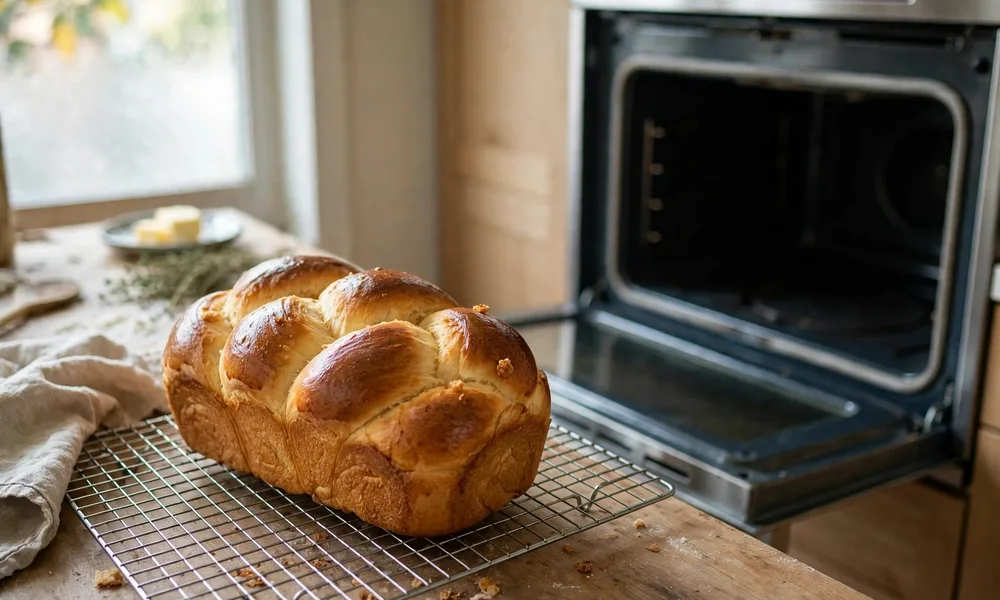
A braided brioche is the loaf to put in the middle of the table. The braid is not just decoration: the strands bake into a loaf that tears into soft, pull-apart pieces, each with a little more crust than a slice from a tin loaf. It suits slow weekend breakfasts, where everyone tears off a piece and butters it themselves. The trade-off is storage: once the braid is cut, the exposed crumb dries faster than a sliced loaf kept in its bag, so wrap the cut end tightly and use the rest the next day for French toast.

3. Brioche buns: the best for breakfast sandwiches
Small round brioche buns are the best shape for a breakfast sandwich: soft enough to bite through without the filling squirting out, rich enough to make egg and bacon taste like a treat, and sturdy enough to hold together while you eat. The best buns have a glossy top, a soft base that does not crumble, and a crumb that springs back when pressed. Avoid buns that feel heavy for their size, which usually means under-proved dough, and buns with a pale, floury top, which usually means they were baked too cool and will taste doughy.
4. Brioche burger buns: the best for juicy burgers
A brioche burger bun does one job better than any other bun: it stands up to juice. The butter-rich crumb absorbs a little of the burger’s juices without collapsing, and the soft top compresses just enough to let you take a proper bite. The best burger buns are wide and flat rather than tall and domed, so the burger sits in the middle instead of sliding out, and lightly sweet rather than dessert-sweet, so they do not fight a savoury patty. If a bun tastes like a sweet roll, it belongs with jam, not beef. Toast the cut sides in a dry pan first, which adds a thin crisp layer that holds the juices back.
5. Thick-cut French toast brioche: the best weekend treat
Brioche makes the best French toast of any bread, and it is worth buying a loaf specifically for it: the rich crumb soaks up custard without falling apart, and the butter in the dough browns beautifully in the pan. Our guide to the best French toast explains why brioche and challah lead the pack: both are enriched, both slice thick, and both develop a deep golden crust. The one rule is patience: use day-old brioche, not fresh, because a fresh loaf soaks through in seconds. Leave it out overnight, slice it thick, and soak each slice for twenty seconds a side.
6. Sweet filled brioche: the best for dessert
Filled brioche, swirled with chocolate, jam or sweet cream, is a dessert loaf rather than a breakfast one, and judged as dessert it can be excellent. The best filled loaves keep the brioche character: the dough is still the star, soft and buttery, with the filling as a ribbon through it rather than a layer that overwhelms it. Avoid loaves where the filling is mostly sugar and the dough is an afterthought, dry and pale beneath a glossy top. Check the label: if sugar comes before butter, the loaf will taste sweet before it tastes rich, and a smaller portion will satisfy you sooner.
7. Supermarket sliced brioche: the best budget option
Supermarket brioche is the cheapest way into the loaf, and the most variable. The best are genuinely enriched, with butter in the first few ingredients, a soft even crumb and a shelf life of three or four days. The worst are sweetened white bread with a little butter flavouring and golden colouring, stale or soggy within a day. The label is your best tool here: look for butter, eggs and milk before sugar, and for a short ingredient list without a long tail of emulsifiers and preservatives. A supermarket loaf that passes those checks is a fair buy for lunchboxes and toast, even if it never matches a bakery loaf plain.
What to avoid when buying brioche
The most common brioche regret is paying bakery prices for a loaf that was never really brioche. Check the ingredients: a real brioche is built on butter, and if butter appears after sugar, or not at all, the loaf is borrowing the name. The second regret is buying a loaf that is already stale: press it gently through the bag and it should give and spring back, not stay dented or feel hard at the ends. The third regret is size. A large loaf half-eaten by day three is worse value than a small loaf finished in two days, because stale brioche is only good for French toast and breadcrumbs. Finally, beware the very dark crust: deep golden brown is right, while a dark, almost burnt top usually means the sugars caramelised too far and the loaf will taste bitter at the edges. The same softness-first logic applies to other enriched breads, and our guide to cinnamon rolls that stay soft for days makes the same point about fat keeping the crumb tender longer.
Checklist: choosing a brioche worth the butter
- Read the label first: butter, eggs and milk should come before sugar in the ingredients.
- Press the loaf gently: it should spring back slowly and feel even from end to end.
- Look for a golden, glossy, evenly baked crust, not a dark or blotchy one.
- Match the shape to the job: sliced loaf for toast, buns for burgers, braid for the table.
- Buy the size you will finish in two days, and freeze the rest sliced on day one.
- Smell the loaf: a good brioche smells of butter, not of sugar or nothing at all.
Frequently asked questions
What makes brioche different from ordinary bread?
Brioche is an enriched bread, made with a high proportion of butter, eggs and milk worked into the dough. That gives it a soft, fine crumb, a rich flavour and a golden colour lean breads never have.
How long does brioche stay fresh?
Two days at room temperature in a sealed bag is realistic for a good loaf. After that it firms up quickly, so slice and freeze leftovers on day one, and toast the rest or turn it into French toast rather than eating it plain.
Is brioche good for sandwiches?
Yes, where a little richness helps: egg, ham, cheese and roasted vegetables all suit it. It is less suited to very wet fillings, which soak through the soft crumb, so toast the bread first or keep wet fillings in the middle.
Why is my brioche dry?
Most dry brioche was either low on butter from the start or stored badly: a loaf kept open on the counter dries within a day, and a lean dough was never going to stay soft. Buy by the label, store it sealed, and use leftovers for French toast.
Can I freeze brioche?
Yes, and it freezes better than most breads because the butter protects the crumb. Slice it first, freeze the slices in a sealed bag, and toast them straight from frozen; a whole frozen loaf takes hours to thaw and dries at the cut end.
Is brioche the same as challah?
No, though both are enriched braided breads. Brioche is French and built on butter, making it richer and more tender. Challah uses oil and eggs instead of butter, so it is lighter, a little chewier, and keeps a day longer. Either makes excellent French toast.
Bottom line
The best brioche in 2026 tastes of butter before it tastes of sugar, springs back when you press it, and comes in a shape that fits the meal you are making. Buy a bakery loaf when you can, check the label when you cannot, and buy the size you will finish in two days. Do that, and the butter in the name will be in the bread as well.


