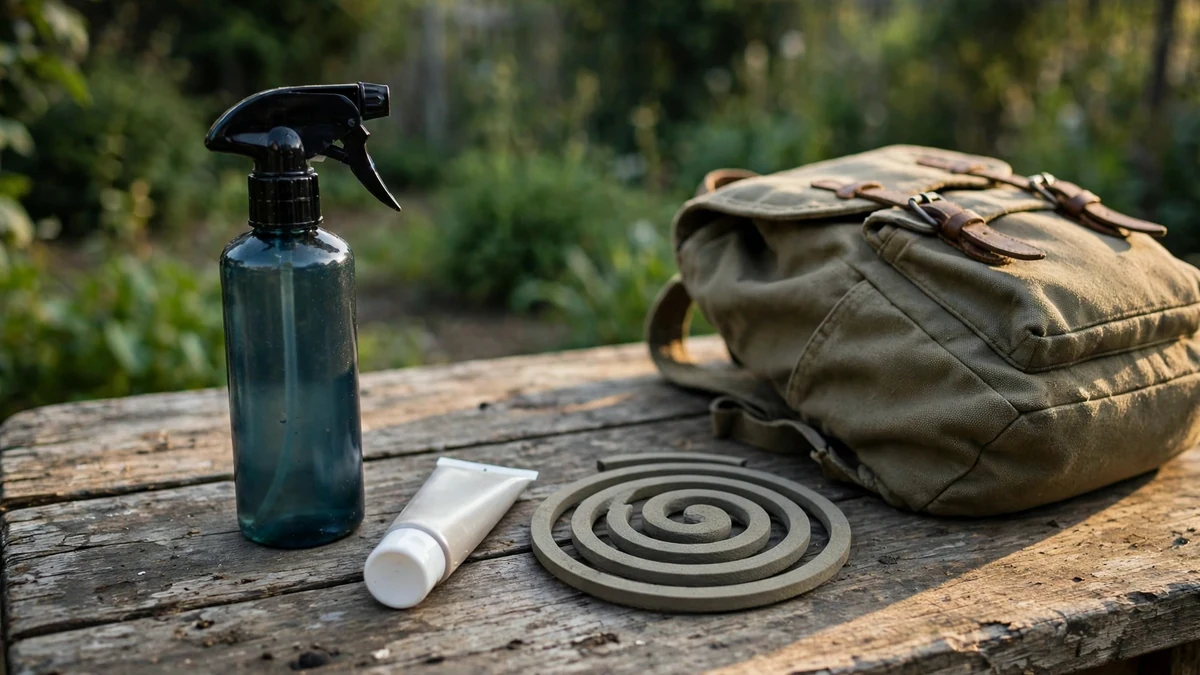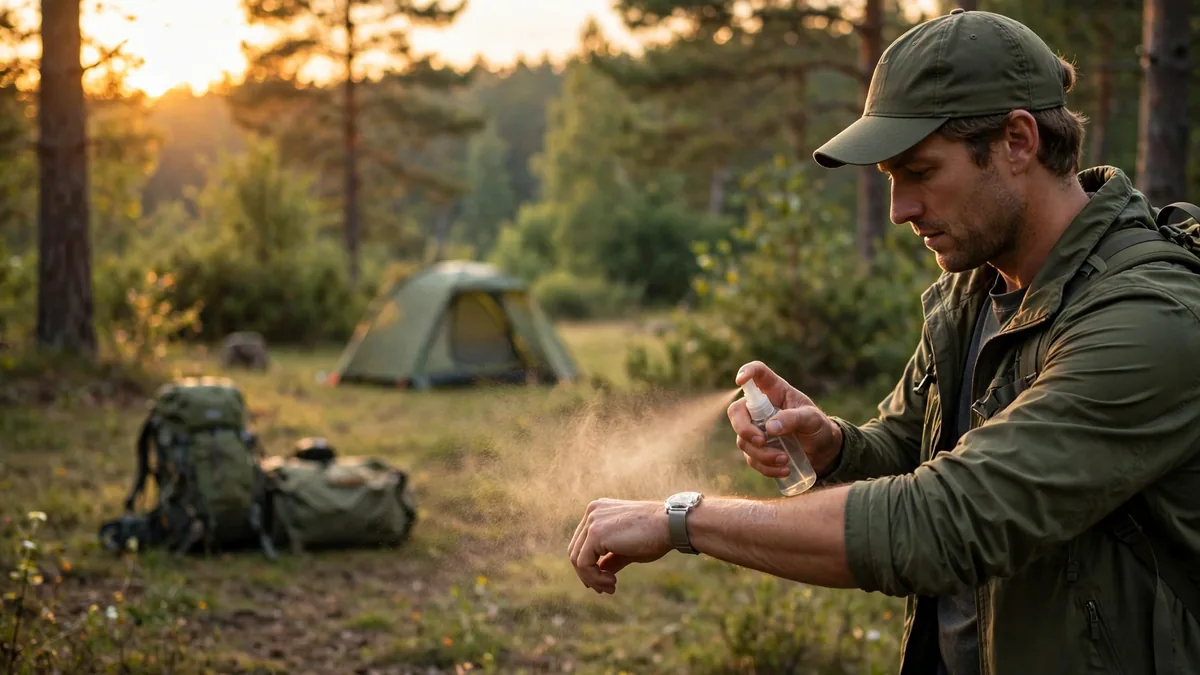
The best bug sprays in 2026 do one simple job brilliantly: they keep mosquitoes, ticks, and biting flies away so you can enjoy being outside. A good spray is the difference between a relaxed evening in the garden and a night spent scratching. The active ingredient, its concentration, and how you apply it matter far more than the brand on the bottle. This guide compares the strongest bug sprays of 2026 and shows you how to apply them properly.
Bug spray works by making you hard to find. Mosquitoes and ticks track the carbon dioxide you breathe out and the scent of your skin. Repellents confuse those senses, so biting insects land less often or fly away without biting. No spray makes you invisible, but the right one, applied well, cuts bites dramatically. Pack your spray alongside the rest of your kit from our guide to the best camping essentials so nothing important gets left behind.
Key Takeaways
- Picaridin and DEET protect longest; oil of lemon eucalyptus is the strongest plant-based option, but needs reapplying sooner.
- Higher concentration means longer protection, not stronger protection, so 20 percent picaridin outlasts a 10 percent spray.
- Apply sunscreen first, let it sink in, then apply bug spray on top, and reapply after swimming or heavy sweating.
- Spray into your hands to apply on faces and around ears, and never spray directly onto a child’s face or hands.
- A bug spray is a chemical repellent worn on skin and clothing, while a mosquito net is a physical barrier you sleep under.
How We Picked the Best Bug Sprays of 2026
Every spray was judged on five things: how long it protects, how it feels on skin, how it smells, how easy it is to apply evenly, and how good its value is. Protection time matters most, because a spray that wears off after two hours is useless on a long hike. We gave extra credit to sprays that dry without stickiness and do not stain clothes. Price was judged per hour of protection, not per bottle.
The Active Ingredients, Explained Simply
DEET is the oldest and most tested repellent. It works against mosquitoes, ticks, and black flies, and a 30 percent formula typically protects for six to eight hours. It feels oily, smells strong, and can damage some plastics, so keep it away from sunglasses and phone cases. Picaridin is the modern rival. It is odourless, feels light on skin, does not damage plastics, and at 20 percent protects for eight to twelve hours, which is why it is our default recommendation. Oil of lemon eucalyptus is the strongest plant-based repellent, protecting for up to six hours at 30 percent, but it must not be used on children under three. Permethrin is sprayed onto clothing and tents, never skin, where it kills ticks and mosquitoes on contact.
The Best Bug Sprays of 2026
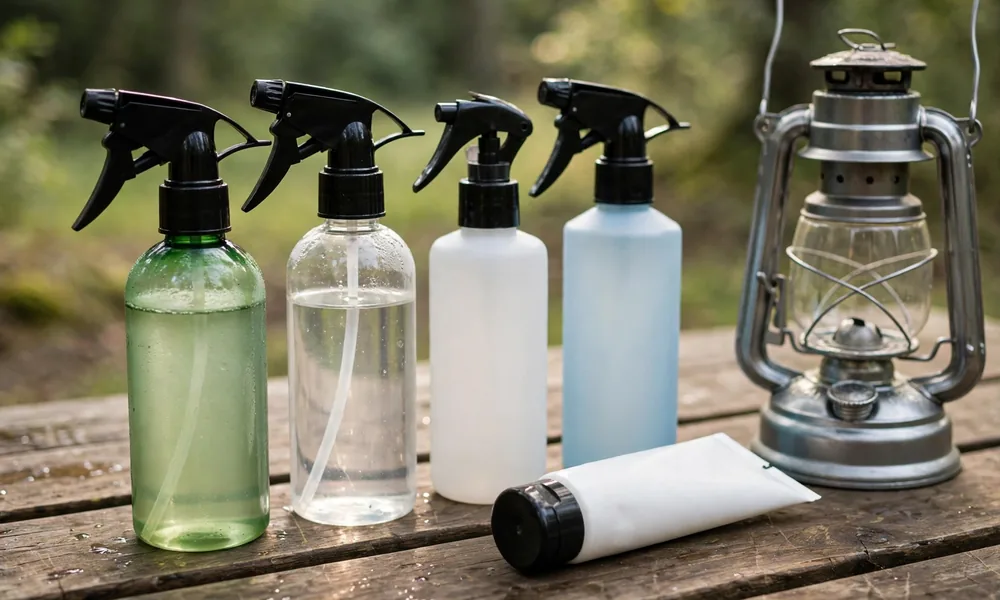
These six sprays cover every kind of outdoor day, from deep-woods hiking to a quiet evening on the patio. Match the spray to your trip rather than buying the strongest bottle on the shelf.
1. Best Overall: Sawyer Premium Insect Repellent, 20 Percent Picaridin
Sawyer’s picaridin spray is the one we reach for first, because it does almost everything well. It protects against mosquitoes and ticks for up to twelve hours, feels light and dry on skin, has almost no smell, and will not damage your sunglasses or phone. A lotion version suits faces and children. If you buy only one bug spray this year, buy this one.
2. Best for Deep Woods and Tick Country: OFF! Deep Woods Dry, 25 Percent DEET
When the woods are thick, the ticks are out, and the mosquitoes are relentless, DEET still earns its place. OFF! Deep Woods Dry uses 25 percent DEET for up to eight hours of protection, and its dry formula avoids the greasy feel of older DEET sprays. It is the spray to pack for dense forest, marshland, and any trip where ticks are the main worry. Keep it away from plastics and wash it off at home.
3. Best Plant-Based: Repel Plant-Based Lemon Eucalyptus
If you prefer a plant-based spray, Repel’s lemon eucalyptus formula is the strongest option without synthetic chemicals. It uses 30 percent oil of lemon eucalyptus and protects for up to six hours, which is genuinely useful rather than just a pleasant smell. On a long day you will need to reapply, and it is not suitable for children under three.
4. Best for Families: Cutter Family Mosquito Wipes and Lotion
Spraying a wriggling child is nobody’s idea of fun, which is why wipes and lotions win for families. Cutter’s family formula uses a gentle picaridin lotion that goes on evenly, does not drift into eyes, and lets you control exactly where it goes. Wipes suit faces; lotion suits arms and legs. Apply it to children yourself, avoid their hands, and reapply after swimming.
5. Best for Clothing and Gear: Sawyer Permethrin Clothing Spray
Permethrin is the secret weapon most people overlook. You spray it onto clothes, shoes, socks, and tent fabric, let it dry, and it keeps killing ticks and mosquitoes on contact for weeks and through several washes. It is not a skin product and should never be applied to skin, but treated clothing is the single best defence against ticks. Treat clothes the day before a trip and let them dry fully.
6. Best Budget: Cutter Backwoods Insect Repellent
Cutter Backwoods is the dependable budget pick that has been in camping kits for years. Its 25 percent DEET formula protects for up to eight hours, it is widely available, and it costs noticeably less per bottle than the premium options. If you need several bottles for a group trip, this is the one to buy in bulk.
Best Bug Sprays 2026 Comparison Table
| Spray | Active Ingredient | Protection | Best For |
|---|---|---|---|
| Sawyer Premium, 20% picaridin | Picaridin 20% | Up to 12 hours | Most people, most trips |
| OFF! Deep Woods Dry | DEET 25% | Up to 8 hours | Deep woods and ticks |
| Repel Lemon Eucalyptus | Oil of lemon eucalyptus 30% | Up to 6 hours | Plant-based protection |
| Cutter Family lotion and wipes | Picaridin | Up to 8 hours | Children and families |
| Sawyer Permethrin clothing spray | Permethrin 0.5% | Weeks on fabric | Clothes, shoes, tents |
| Cutter Backwoods | DEET 25% | Up to 8 hours | Budget and group trips |
How to Choose the Right Bug Spray
Start with where you are going and who is going with you. For a long hike in tick country, take a 20 percent picaridin spray for skin plus permethrin-treated clothing. For children, choose a picaridin lotion or wipes so you can apply it precisely. For travel where mosquito-borne illness is a real risk, use 20 percent picaridin or 30 percent DEET and reapply on schedule. Pair it with the right kit from our guide to the best hiking essentials, so sore feet and sunburn do not spoil the walk as well.
How to Apply Bug Spray So It Actually Works
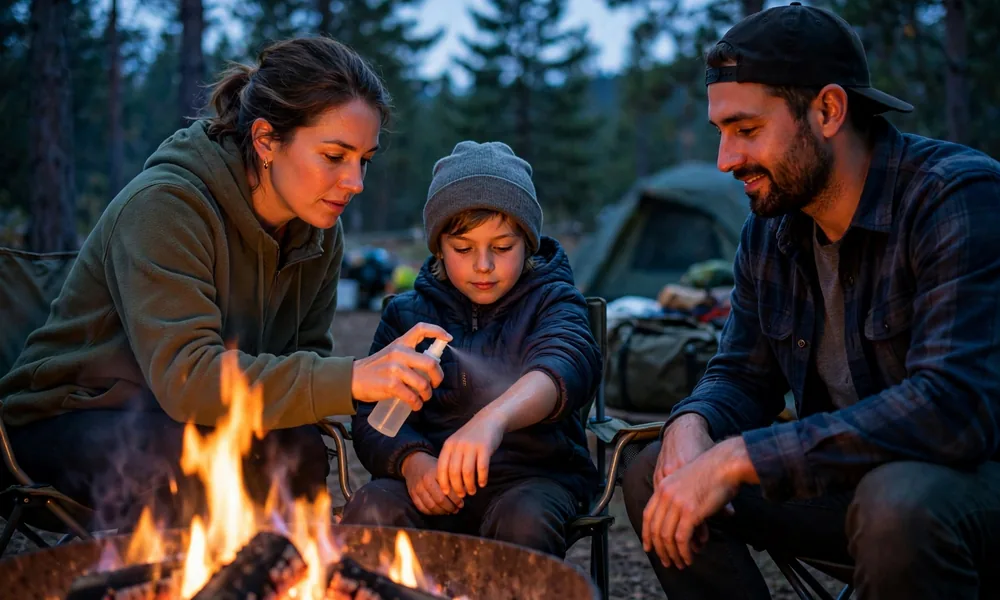
Most bug spray failures are application failures, not product failures. Apply spray outdoors or in a ventilated room, hold the bottle about fifteen centimetres from skin, and use a slow, sweeping motion so the coating is even. Cover all exposed skin, including ankles, the backs of knees, and the back of the neck, because mosquitoes find the spots you missed. Spray into your hands first for your face, avoiding eyes, lips, and broken skin. Let sunscreen go on first and sink in for fifteen minutes, then add spray on top. Reapply after swimming, and wash it off when you get home.
Bug Spray vs Mosquito Net: What Is the Difference?
A bug spray and a mosquito net solve the same problem in opposite ways. A bug spray is a chemical repellent you wear on your skin and clothing. It travels with you, protects you while you walk, sit, and eat outdoors, and wears off after a set number of hours, so it needs reapplying. A mosquito net is a physical barrier you sleep under or sit behind. It does not wear off and blocks insects completely while you stay inside it, but it cannot protect you once you step outside it. Use both: spray for the evening, and a net for the night in the tent.
Mistakes That Leave You Covered in Bites
The most common mistake is applying too little. A quick puff on each arm is not enough; the coating must be even and complete. The second is forgetting the ankles, a mosquito favourite and the first place ticks climb to. The third is spraying over sunscreen instead of under it, which weakens both products. The fourth is using a spray that has been baking in a hot car, where heat can degrade the formula. Read our guide to the best sunscreens before a long day outside, and apply sunscreen first, then spray.

Bug Spray Buying Checklist
- Check the active ingredient and its percentage, and match it to your trip rather than buying the strongest bottle.
- Check the protection time on the label, and set a reminder to reapply before it runs out.
- Choose a lotion or wipes for children and faces, and a spray for arms, legs, and clothing.
- Buy a permethrin clothing treatment for hiking clothes, shoes, and tents before a trip into tick country.
- Pack a small bottle in your day pack, and keep the main bottle out of direct heat and sunlight.
- Test a new spray on a small patch of skin first, especially if you have sensitive skin.
Frequently Asked Questions
How long does bug spray last?
It depends on the active ingredient and its concentration. A 20 percent picaridin spray lasts up to twelve hours, a 25 percent DEET spray lasts up to eight hours, and a 30 percent oil of lemon eucalyptus spray lasts up to six hours. Reapply after getting wet.
Is DEET safe?
DEET has been used for decades and is considered safe when used as directed, including for children over two months old in lower concentrations. Keep it away from eyes and mouths, do not apply it to broken skin, and wash it off when you come indoors. If you prefer to avoid it, picaridin is an equally effective alternative.
Can I use bug spray on children?
Yes, with care. Use a picaridin lotion or wipes so you can apply it precisely, avoid children’s hands, eyes, and mouths, and never use oil of lemon eucalyptus on a child under three. Apply the spray to your own hands first, then rub it onto the child.
Does bug spray work on ticks as well as mosquitoes?
Yes, picaridin and DEET both repel ticks, but permethrin-treated clothing is even better against them, because it kills ticks on contact. For the best protection in tick country, combine a skin repellent with treated clothes and socks, and check yourself for ticks after every walk.
Should I apply sunscreen or bug spray first?
Always apply sunscreen first. Let it sink in for about fifteen minutes, then apply bug spray on top. Applying spray first and sunscreen over it dilutes the repellent and reduces its protection, while sunscreen underneath still works normally.
Can I use bug spray with a mosquito net?
Yes, and you should. Spray protects you while you are up and moving outdoors, and a net protects you while you sleep. Use the spray in the evening, then sleep under the net at night.
The Bottom Line
The best bug sprays of 2026 are led by Sawyer’s 20 percent picaridin spray for most people, with OFF! Deep Woods Dry for the worst woods and tick country, and Repel’s lemon eucalyptus for those who prefer a plant-based option. Add permethrin-treated clothing for ticks, and apply sunscreen first, spray second.