The best car wax in 2026 is the one that matches your paint, your patience, and the weather your car actually lives in. A good wax leaves paint deeper, glossier, and better protected against sun, rain, road grime, and bird droppings, and it makes the next wash easier because dirt has less to cling to. A bad wax smears, streaks, or vanishes after the first shower, leaving you with sore arms and nothing to show for them. This guide compares the main types of car wax on the things that matter in real use: how easy each is to apply, how long the protection lasts, how good the finish looks, and how forgiving it is when you make a mistake.
Car wax is a protective coating, not a cleaner. It sits on top of clean paint as a thin sacrificial layer, taking the punishment from ultraviolet light, water, and contamination so the clear coat underneath does not have to. It is different from a car wash kit, which is about cleaning: shampoo, buckets, and mitts remove dirt but add no lasting protection. It is also different from a car cover, a physical sheet that shields the whole car while it is parked. Wax, washing, and covering work together, but they are not substitutes for one another.
Key Takeaways
- Car wax protects paint and adds shine, but it only works on paint that is already clean and dry.
- Paste wax lasts longest and looks deepest, while spray wax is fastest and best for topping up between full waxes.
- A thin, even coat always beats a thick one: thick wax is harder to remove and more likely to streak.
- Most waxes last six to twelve weeks, so plan on waxing three or four times a year.
- Never wax in direct sun or on hot panels, and always buff with a clean microfiber cloth.

What Car Wax Actually Does
Paint leaves the factory with a clear coat, but that clear coat is not invincible. Ultraviolet light slowly oxidises it, rain leaves mineral spots, and road film bonds to the surface a little more with every journey. Wax slows all of that down. The wax layer is hydrophobic, so water beads and rolls off instead of sitting on the paint, and it is smooth, so dust and insects wipe away with far less effort. The visual difference is just as real: wax fills tiny imperfections and adds a layer with a high refractive index, which is why freshly waxed paint looks deeper and wetter than bare paint.
Wax does not repair damage. It will not remove scratches, swirl marks, or oxidation that is already there, and it will not fix faded paint. If your paint is dull or scratched, that work has to happen first, with a polish, before wax goes on. Think of wax as the final step in paint care, not the first. Applied over neglected paint, even the best car wax in 2026 will only lock the dullness in and make it glossier for a week.
The Main Types of Car Wax Compared
Paste Wax
Paste wax is the traditional choice, usually based on carnauba wax blended with oils and solvents, and it still gives the warmest, deepest shine of any type. It goes on with a foam applicator in thin, overlapping circles and needs a short curing time before buffing off. The effort is real: a full car takes forty minutes or more, and the wax must be removed before it hardens fully or it becomes stubborn. In return you get the longest protection of any natural wax, typically two to three months, and a finish that makes dark paint look liquid.
Liquid Wax
Liquid wax is the middle ground, easier to spread than paste and easier to remove, with only a small sacrifice in depth of shine and durability. It spreads thinly over large panels quickly, which makes it a good choice for larger cars and for anyone waxing in a limited window of time. Most liquid waxes last six to ten weeks, and they are more forgiving than paste if you leave them on a little too long. If you want a proper wax finish without the workout, liquid wax is usually the right pick.
Spray Wax
Spray wax is the fastest option by a wide margin: mist it onto a panel, spread it with a microfiber cloth, and buff. A whole car can be done in fifteen minutes, which is why spray wax is the best choice for topping up an existing coat or for a quick shine before a journey. The compromise is durability. Most spray waxes last two to four weeks, and they add less depth than paste or liquid. Used as a top-up over a paste or liquid base, it is the easiest way to keep a car looking freshly waxed all year.
Ceramic-Infused Wax
Ceramic-infused waxes blend traditional wax with silicon dioxide, the same family of chemistry behind ceramic coatings, and they aim to combine the warmth of wax with the water behaviour and durability of a ceramic product. In practice they bead water aggressively and often last three to four months, longer than ordinary wax. The finish tends to be sharp and glassy rather than warm and deep, which suits silver, white, and grey cars particularly well. The main caution is the same as with any ceramic product: apply it thinly and evenly, and do not let it dry in patches.
| Type | Ease of Use | Typical Durability | Best For |
|---|---|---|---|
| Paste wax | Hardest | 8–12 weeks | Deepest shine on dark paint |
| Liquid wax | Moderate | 6–10 weeks | All-round waxing, larger cars |
| Spray wax | Easiest | 2–4 weeks | Quick top-ups and fast shines |
| Ceramic-infused wax | Moderate | 10–16 weeks | Long protection, light paint |
| Cleaner wax | Moderate | 4–8 weeks | Older paint needing light cleaning |
| Hybrid wax | Moderate | 8–12 weeks | Balance of shine and durability |
How to Apply Car Wax Properly
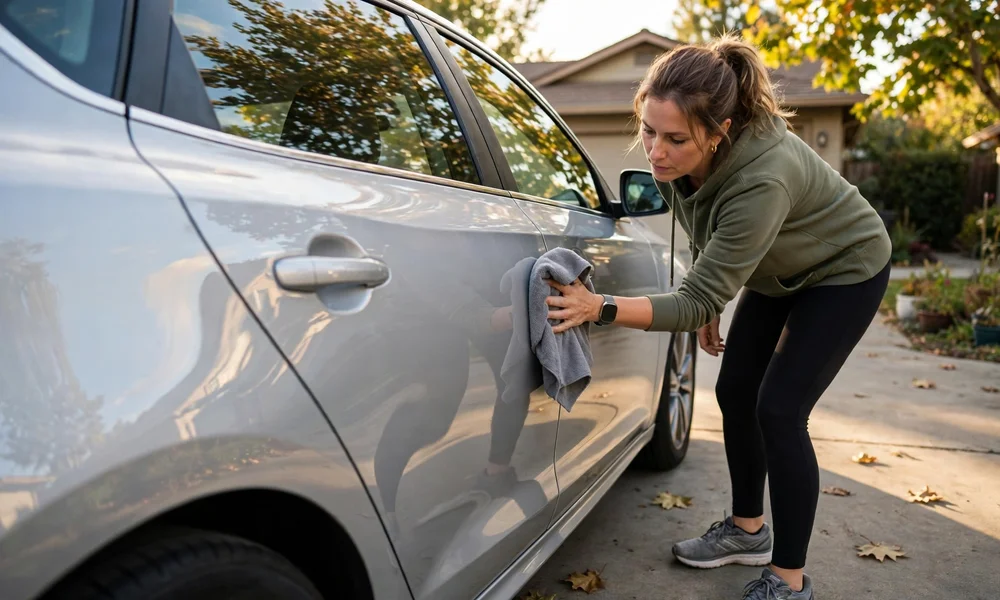
Good results come from preparation and patience more than from the product itself. Start by washing the car properly and drying it completely, because wax applied over dirt grinds that dirt into the paint. Work in the shade on cool panels, and lay out everything you need before you start: the wax, a foam applicator, and at least two clean microfiber cloths, one for removing and one for a final buff.
Apply the wax one panel at a time, in thin, overlapping straight lines or small circles, and use far less product than you think you need. A haze you can barely see is enough; if the wax goes on white and thick, you have used too much, and removal will be hard work. Let each panel haze for the time the label suggests, usually five to fifteen minutes, and test a small area with a fingertip: if the wax wipes away cleanly, it is ready to buff. Work panel by panel rather than coating the whole car at once, so no section is left to harden while you work elsewhere.
Buff with a clean, dry microfiber cloth, turning it often so you are always working with a fresh face, and finish with a second clean cloth for a final pass. Check your work in different light, because streaks and missed patches show up at an angle. When you are done, wash the applicator and cloths before they dry out, or the wax residue will stiffen them.
Choosing the Right Wax for Your Car
Start with your paint colour. Dark colours show the warm depth of a carnauba paste best, while light colours benefit more from the sharp, glassy finish of a ceramic-infused wax. Then be honest about how often you will actually wax. If the answer is twice a year, choose a long-lasting paste or ceramic-infused wax. If you enjoy a quick routine, a spray wax you genuinely use every month will protect your paint better than a paste wax you never get around to opening.
The most common mistakes are easy to avoid once you know them. Waxing in direct sun is the biggest: heat makes wax dry too fast and bond unevenly, leaving streaks that are hard to remove. Using too much product is the second, and it causes more wasted effort than any other error. Waxing dirty paint is the third, and it is the only mistake that can actually damage your paint, so never skip the wash.
Pairing wax with the right accessories matters more than most people expect. A good microfiber cloth is the difference between a streak-free finish and a hazy one, since a rough or dirty cloth will undo the work of the wax. The same principle applies to the rest of your paint care routine: a car cover protects the wax and the paint underneath it while the car is parked, and steering clear of the worst car detailing products saves you from products that strip wax or scratch paint.

Car Wax Checklist
- Wash and fully dry the car before waxing, and work in the shade on cool panels.
- Pick the wax type that matches your paint colour, your time, and how often you will reapply.
- Apply a thin, even coat one panel at a time, using less product than feels necessary.
- Let the wax haze, test a small area with a fingertip, then buff with a clean microfiber cloth.
- Check the finish in different light for streaks or missed patches before you finish.
- Rewax when water stops beading or the paint stops feeling slick, usually every two to three months.
Frequently Asked Questions
How often should I wax my car?
Most cars need waxing three or four times a year. Paste and ceramic-infused waxes last two to four months, liquid waxes six to ten weeks, and spray waxes two to four weeks. When rain stops beading and starts sheeting flat, it is time to wax again.
Can I wax a car in direct sunlight?
You should not. Hot panels make wax dry too quickly and bond unevenly, causing streaks that are difficult to remove. Wax in the shade, in a garage, or on a cloudy day, and make sure the panels are cool to the touch first.
Does car wax remove scratches?
No. Wax is a protective coating on top of the paint, and it cannot fill or remove scratches, swirl marks, or oxidation. It can make very fine marks less visible by adding gloss, but real correction needs a polish first, with wax applied afterwards.
Is spray wax as good as paste wax?
It depends on what you mean by good. Spray wax is far quicker and easier, but it lasts only a few weeks, while paste wax lasts two to three months and gives a deeper shine. Spray wax is excellent as a top-up over a paste or liquid base coat.
Should I wax a new car?
Yes, once the paint has fully cured, which is normally the case by the time a new car reaches you. New paint still benefits from wax protection against sun, rain, and contamination. Check your owner’s manual first, since a few manufacturers give specific guidance for freshly painted cars.
Can wax damage my car’s paint?
Wax itself does not damage paint when used correctly, but waxing over dirt can, because the grit gets dragged across the surface. Always wash and dry the car first, use clean applicators and cloths, and avoid abrasive pads.
The Bottom Line
The best car wax in 2026 is the one you will actually use, matched to your paint and your routine. A paste wax gives the deepest shine and longest protection for owners who enjoy the process, a liquid wax is the best all-rounder, and a spray wax is unbeatable for quick top-ups. Whichever type you choose, apply it thinly to clean, cool paint, buff it with a clean microfiber cloth, and renew it when the water stops beading.