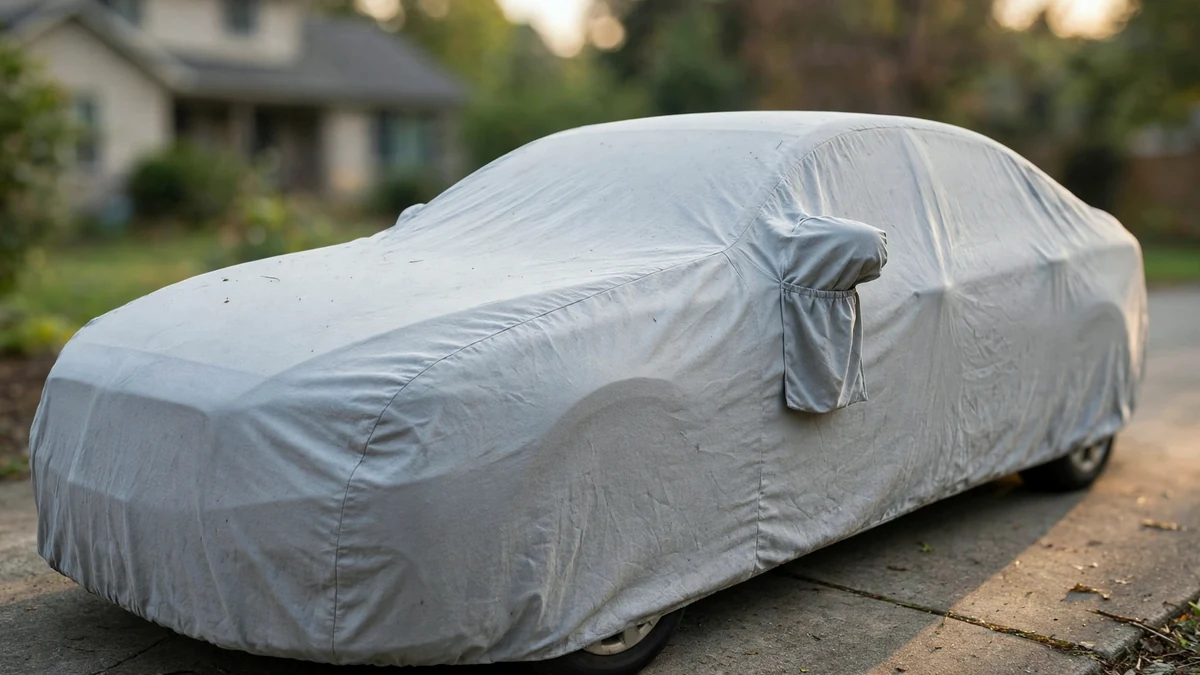
A car cover is one of the cheapest ways to protect one of the most expensive things you own, and one of the easiest purchases to get wrong. It is a sheet of fabric that stands between your paint and everything the sky can throw at it: sun, rain, frost, bird droppings, tree sap and dust. Buy well and your car stays clean, dry and protected for years. Buy badly and the cover itself becomes the problem, scratching the paint it was meant to save, trapping damp against the bodywork, or blowing halfway down the street on the first windy night.
This comparison puts the best car covers of 2026 head to head against the worst, judging them the way you would actually use them: fitted on a real car, left outside through a wet winter or a hot summer, then taken off to see what the paint underneath looks like. We look at the fabric, the fit, the lining, the straps and whether the cover helps or harms over time. The same honest approach sits behind our comparison of the best and worst car seat covers of 2026, which covers protection for the inside of the car, while this guide goes deep on the cover that guards the outside.
Key Takeaways
- A good car cover fits your exact car shape: loose universal covers flap in the wind and scratch paint.
- The lining matters more than the outer fabric: soft fleece or cotton protects paint, rough plastic scratches it.
- Waterproof covers must still breathe, or trapped damp causes mould and corrosion underneath.
- Outdoor covers need UV protection and strong straps; indoor covers need softness and dust-proofing.
- The worst covers are thin, shiny plastic sheets that tear, trap water and flap loose within weeks.

What Makes a Car Cover Good or Bad
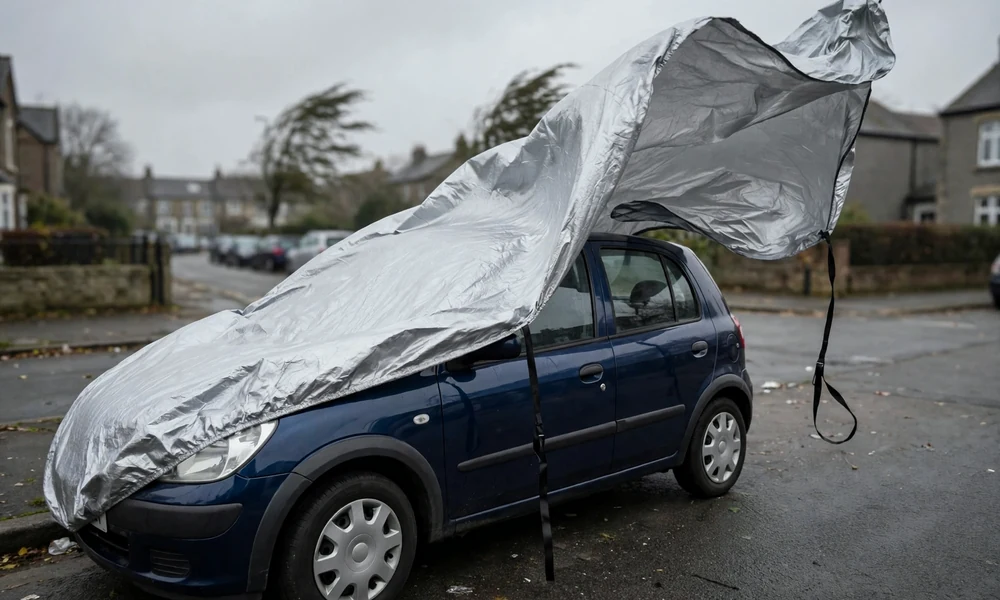
A good car cover starts with the fit, and the fit decides almost everything else. The best covers are cut for a specific car shape, or at least for a narrow size range, with mirror pockets and an elasticated hem that hugs the bodywork. They sit still in the wind, they do not rub, and they come off without a fight. A bad cover is a loose rectangle of thin material sold as one size fits all. It billows in the wind, the fabric flaps against the paint hundreds of times a day, and every flap drags trapped grit across the clear coat like sandpaper. After a month under a flapping cover, the paint can look worse than if the car had been left uncovered.
The second test is the fabric, because the fabric is what touches your paint. A good outdoor cover uses several layers: a tough waterproof outer face, a breathable membrane in the middle, and a soft fleece or cotton lining inside. The outer face shrugs off rain and sun, the membrane lets trapped moisture escape, and the lining cushions the paint. A bad cover is a single layer of cheap shiny plastic. It keeps the rain out but also keeps the damp in, so condensation forms underneath and sits there for days. On a car that is parked for weeks, that damp breeds mould on the paint and starts corrosion around the edges of panels and trim.
The Best Car Covers of 2026
The best car covers of 2026 share a clear set of qualities, and you can feel most of them before the cover ever goes near your car. The fabric is heavy, flexible and quiet in the hand, not stiff and crackly. The seams are double-stitched and taped so water cannot creep through the stitching. The hem is elasticated all the way round, and there are straps underneath that clip to the wheels or the chassis so the cover cannot lift in a gale. Mirror pockets are shaped properly, not just flat flaps, and there is a flap or zip for the driver’s door so you can get in without pulling the whole cover off.
Fit is where the best covers earn their price. A tailored cover follows the shape of the roof, the bonnet and the boot, with no baggy folds to catch the wind and no tight spots to split at the seams. Putting it on takes a couple of minutes once you know the routine: unroll it over the roof, pull it forward over the bonnet, then back over the boot, and clip the straps. Taking it off is just as easy, and a good cover folds down small enough to fit in its own storage bag in the boot. The worst covers fight you at every step. They tangle, they catch on the mirrors, and they end up stuffed in a corner of the garage because nobody wants the hassle.
Outdoor Covers: Rain, Sun and Frost
An outdoor cover lives a hard life, and the best ones are built for it. In summer the sun is the enemy: ultraviolet light fades paint, cracks rubber seals and dries out plastic trim, and a good cover blocks it with a UV-stable outer layer that does not go brittle or chalky after one season. In winter the enemies are rain and frost. A good cover sheds rain from its surface so water runs off instead of soaking through, and it does not freeze solid to the paint on a cold morning. The best covers survive being peeled off a frosty car without cracking, and they dry quickly once they are hung up.
Wind is the test most covers fail. A cover that is not strapped down properly becomes a sail, and a sail full of grit is a sanding machine. The best outdoor covers have at least two underbody straps, and many have a third across the middle, plus a drawstring at the hem that pulls tight under the bumpers. Our comparison of the best and worst car waxes of 2026 shows why this matters: even a well-waxed car can be scratched by a flapping cover, because wax protects against water and dirt, not against fabric rubbing back and forth for hours. A cover that stays still is worth far more than a cover that is merely waterproof.
Indoor Covers and Long-Term Storage
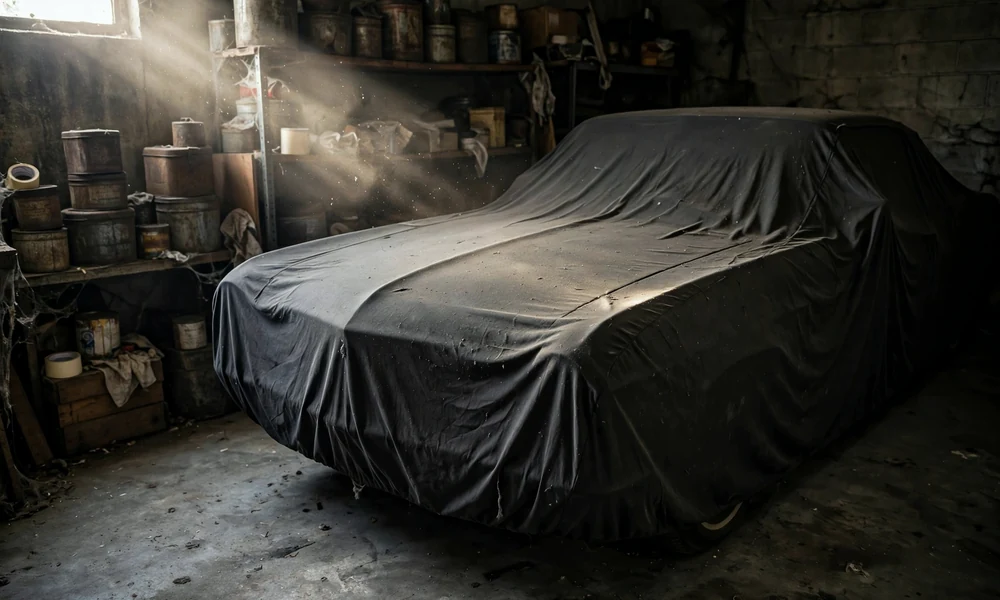
Indoor covers do a quieter job, but they still separate the good from the bad. A car stored in a garage does not need to survive rain or sun, but it does need protection from dust, accidental knocks, and the slow damp that creeps into an unheated garage in winter. The best indoor covers are made from soft, breathable fabric that lets moisture escape while keeping dust out. They are light enough to lift on and off with one hand, they do not shed fibres onto the paint, and they have a soft lining that will not mark even the most delicate paintwork. A classic car under a good indoor cover can sit for months and come out looking exactly as it went in.
The Worst Car Covers of 2026
The worst car covers of 2026 are easy to spot once you know what to look for, and they are usually the cheapest on the shelf. They are made from a single layer of thin, shiny plastic or cheap non-woven fabric that feels like a disposable dust sheet. The seams are single-stitched and start to split within weeks. There are no mirror pockets, no straps worth the name, and the elastic hem gives up after a few uses. The cover goes on in a tangle, billows in the wind, and comes off with a tear. Within a season it is faded, brittle and fit only for the bin.
What makes these covers genuinely harmful, rather than merely useless, is what happens underneath them. A non-breathable plastic cover traps condensation against the paint, and on a car that sits for days at a time that damp never clears. Paint goes dull, chrome starts to spot, and in the worst cases mould grows on the surface and corrosion starts under the trim. The same problem applies inside the car: a cover that lets the cabin stay damp does no favours to the interior either, which is why our comparison of the best and worst car floor mats of 2026 stresses dryness and easy cleaning as well. A cover that keeps your car wet is worse than no cover at all.
How to Fit a Car Cover Properly
Fitting a car cover properly is a two-minute job that saves hours of damage, and it starts before the cover comes out of its bag. Wash the car first, or at least rinse off the loose dirt and grit, because any dirt trapped between the cover and the paint will be rubbed in by the wind. Dry the car if you can, especially around the mirrors, the door handles and the edges of the panels, so you are not sealing damp underneath. Then unroll the cover over the roof from the middle outwards, pull it forward over the bonnet and back over the boot, and check the mirror pockets are sitting where they should.
Once the cover is on, pull the elastic hem down under the bumpers, clip the underbody straps and give the whole thing a firm tug to check nothing is loose. The cover should look smooth and snug, with no baggy folds to catch the wind. If it is flapping at the corners, tighten the straps or choose a smaller size. When you take the cover off, fold it from the outside in so the dirty outer face never touches the clean inner lining, and let it dry fully before you fold it away. A cover stored wet will smell, go mouldy, and pass that mould straight back onto your car next time.
Verdict: Which Car Cover Should You Buy?
The verdict is simple: buy a cover that fits your car, breathes, and stays put in the wind, and spend a little more than the cheapest option. For a car parked outside every day, a multi-layer outdoor cover with a soft lining, taped seams, mirror pockets and at least two underbody straps is the right choice. It will keep the rain and sun off, it will not scratch the paint, and it will still be doing the job next year. For a car kept in a garage, a soft breathable indoor cover is better, because it keeps dust out without trapping damp in.
Do not buy a thin single-layer plastic cover, however cheap it looks, and do not buy a universal size that flaps around your car like a tent. The money you save on the cover will be spent many times over on paint correction, and a cover that scratches your car is not a bargain at any price. Measure your car, match the cover to where it will live, and check the fit, the lining and the straps before you hand over any money. A good car cover is quiet, snug and invisible in its job. The best ones simply disappear into the background while your paint stays exactly as it was.


