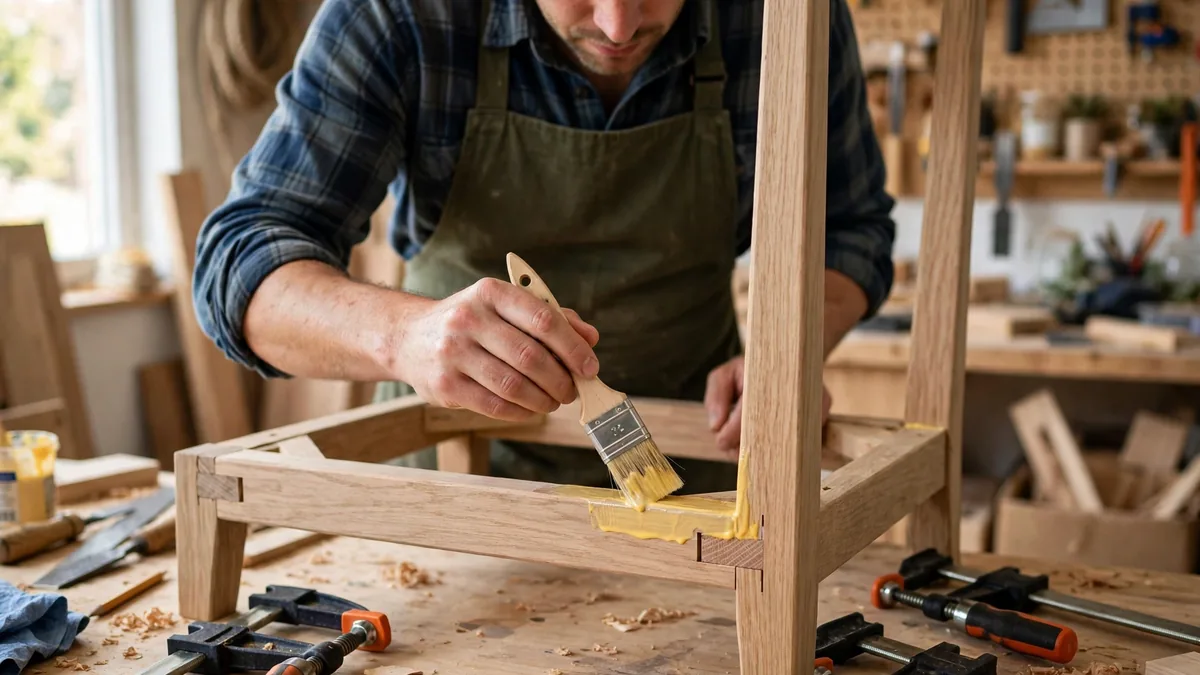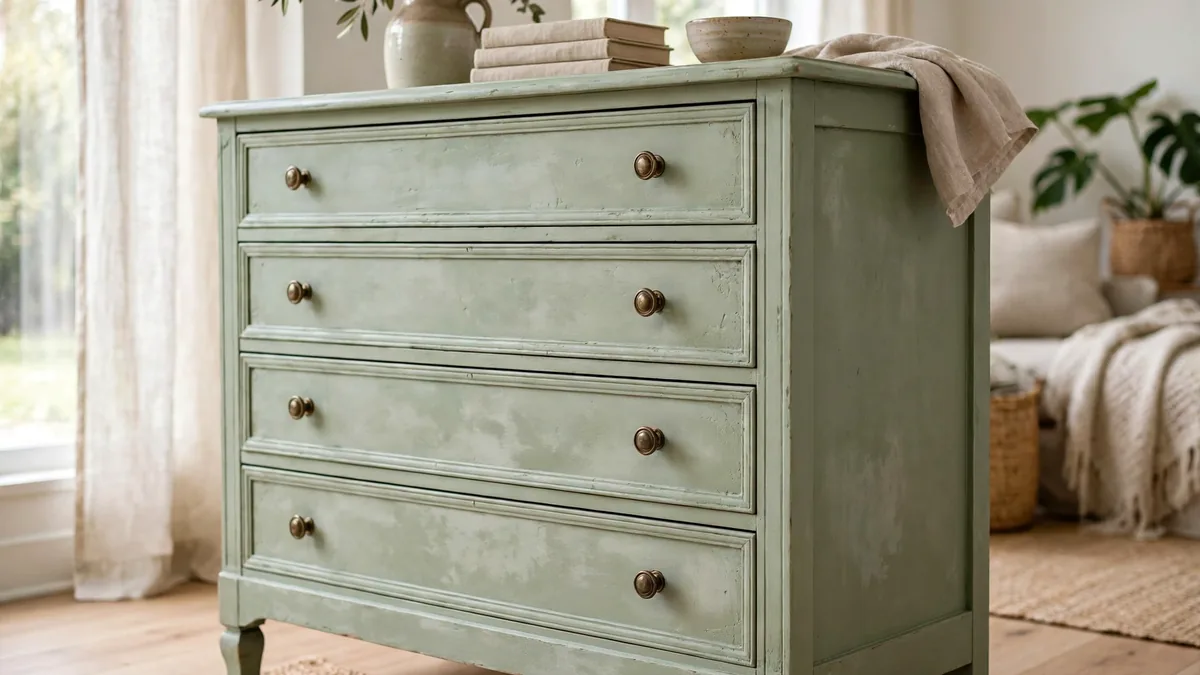
Chalk paint that gives furniture a matte finish in 2026 is the easiest way to turn a tired chest of drawers into a piece you actually love. The paint goes on thick, dries to a soft, chalky flatness that hides scratches and old varnish, and needs almost no sanding before you start. A weekend, a brush, and a tin of paint are often all it takes.
Choosing the best chalk paint is not about buying the most expensive tin on the shelf. It is about matching the paint to the piece: a kitchen dresser wiped down daily needs a different finish from a bedroom side table that is barely touched. This guide compares the chalk paints that give furniture a beautiful matte finish in 2026 and helps you pick one that goes on smoothly, dries flat, and lasts.
Key Takeaways
- Chalk paint sticks to most surfaces with little or no sanding, which is what makes it so quick to use.
- Two thin coats beat one thick coat; thick paint drips, cracks, and dries unevenly.
- Always seal the finish with wax or a clear topcoat, because unsealed chalk paint marks and stains easily.
- Good brushes matter: a natural bristle brush leaves fewer marks than a cheap synthetic one.
- Test your colour on a hidden spot first, since chalk paint dries lighter and flatter than it looks in the tin.
Why Chalk Paint Suits Furniture
Chalk paint was made for furniture. Unlike ordinary emulsion or gloss paint, it is thick, full of pigment, and designed to grip wood, laminate, metal, and even old varnish without a primer coat. That grip is what saves the hours of sanding and priming that put so many people off painting furniture.
The matte finish is the other half of the appeal. A flat, chalky surface softens the look of a piece, hides small dents and scratches, and suits the relaxed, vintage style that works so well in bedrooms and living rooms. It also takes wax beautifully: a coat of clear wax deepens the colour slightly, adds a soft sheen, and protects the paint from everyday knocks.
Types of Chalk Paint Compared
Classic chalk paint is the original formula, thick and heavily pigmented, and it is still the best choice for most furniture. It covers well in two coats, dries to a dead-flat finish, and distresses easily if you want a shabby, worn look. It is the paint to reach for when you want that soft, powdery surface on a dresser, a chair, or a side table.
Chalk mineral paint is a newer formula with a little more durability built in. It is slightly thinner, levels out more smoothly, and is often sold as needing no wax, although a topcoat still helps it last. It suits pieces that get more wear, such as a coffee table or a hallway bench.
Chalk spray paint is the quick option for fiddly pieces. A can covers carved details, spindles, and wicker far more evenly than a brush ever could, and it dries in minutes. The finish is thinner than brushed paint, so it suits small items and decorative pieces best, and you need a steady hand and good ventilation.
What Makes a Chalk Paint Good
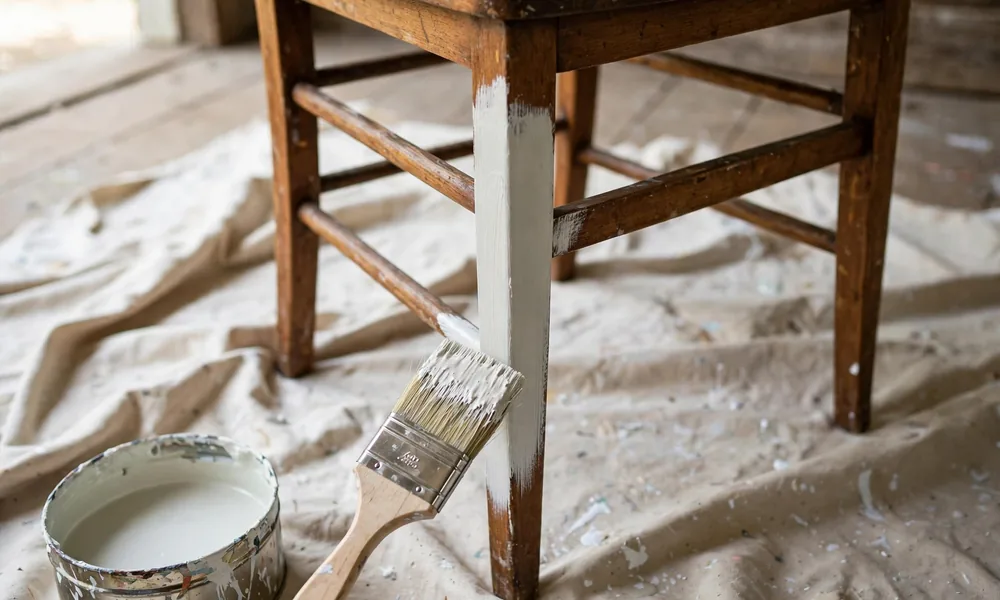
Coverage is the first thing to check. A good chalk paint covers in two coats over a mid-toned wood, while a thin, watery one needs three or four and still shows the grain through. Read the coverage on the tin: a litre should cover roughly 12 to 14 square metres, enough for a large dresser with paint to spare. Paint that needs more coats costs more in the end, however cheap the tin looks.
Consistency matters just as much. The paint should be thick and creamy, like double cream, and it should hold its shape on the brush without running. If it stays lumpy after stirring, take it back. A smooth paint lays down smoothly; a gritty one leaves a rough finish that no amount of waxing will fix.
Preparing Furniture for Chalk Paint
Preparation is quick, but it is not optional. Start by cleaning the piece properly: wash it with warm soapy water, or sugar soap for a greasy kitchen piece, and let it dry completely. Dirt, grease, and old polish are the main reasons chalk paint peels.
Then check the surface. A light scuff with fine sandpaper helps the paint grip on shiny varnish or laminate, and it takes only a few minutes. Fill any dents and chips with wood filler, let it dry, and sand it smooth. Remove the handles and knobs, and take the drawers out if you can, because painting a piece in place always leaves missed spots and drips.

Applying Chalk Paint for a Smooth Matte Finish
Stir the paint well before you start, and keep stirring it as you go, because the pigment settles and the colour will change if you do not. Load the brush lightly and lay the paint on in long, even strokes, following the grain of the wood. The first coat will look patchy and thin, and that is normal; chalk paint builds its coverage on the second coat, so do not pile it on thick to hide the patches.
Let the first coat dry fully before you start the second, which usually takes one to two hours. Rushing the second coat drags the first one up and leaves bald patches that are hard to fix. When the second coat is dry, run your hand over the surface: if it feels rough, smooth it lightly with very fine sandpaper, then wipe away the dust with a damp cloth. This one step is the difference between a rough finish and a smooth, professional one.
Distressing is optional, but it is where chalk paint shines. If you want a worn, vintage look, rub the edges and corners lightly with fine sandpaper once the paint is dry, letting a little of the wood show through. If you prefer a clean, modern look, skip this step entirely and go straight to sealing.
Sealing With Wax or a Topcoat
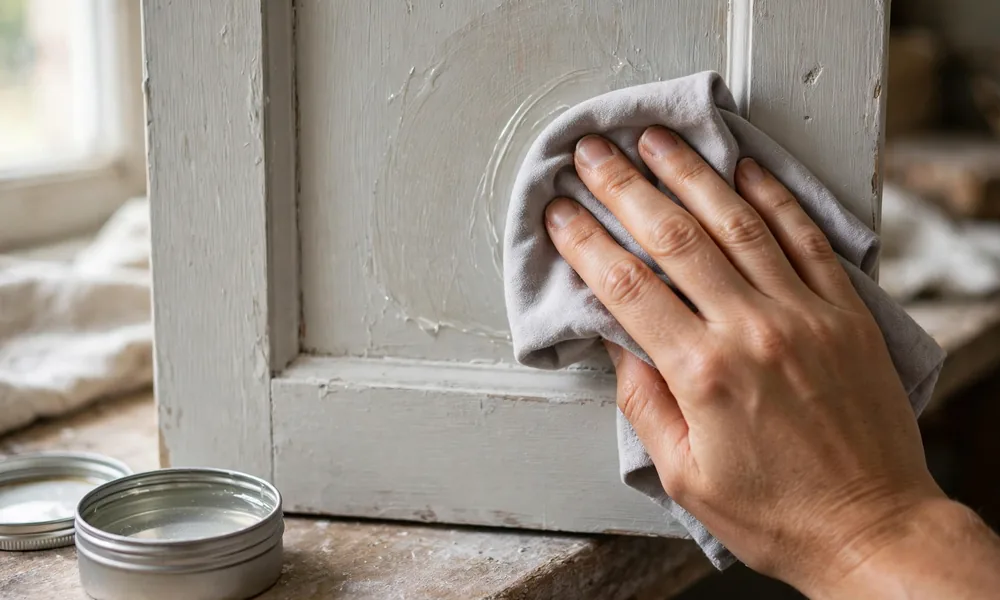
Unsealed chalk paint is fragile. It marks with a fingernail, stains with a coffee ring, and wears away on corners within weeks, so sealing is not optional. Clear wax is the classic choice: rub it on with a cloth or a wax brush, let it sit for a few minutes, then buff it with a clean cloth. It deepens the colour slightly and leaves a soft sheen.
A clear topcoat is the tougher option, and it is the better choice for table tops, kitchen pieces, and anything that will be wiped down often. Water-based topcoats go on like thin paint, dry clear, and give a harder, more washable surface than wax. They add a slight sheen, so if you want the flattest possible finish, choose a matt topcoat and test it on a hidden spot first. Whatever you choose, let the paint cure for a day or two before you seal it, and leave the topcoat to harden for another day before you use the piece.
Choosing a Colour That Works
Chalk paint colours look different on the wall of a shop than they do on your furniture. The paint dries lighter and flatter than it looks in the tin, and the light in your room changes it again, so always test on a hidden spot, such as the back of a drawer, and look at it in daylight before you commit. Pale, chalky colours such as sage, dusty blue, and soft grey are the safest choices, because they suit most rooms and hide dust and small marks well. Dark colours look dramatic but show every fingerprint and scratch, so save them for small pieces or a single statement item. If you are unsure, paint the main body pale and use a darker colour on the drawers or the top.
Common Mistakes to Avoid
The most common mistake is painting too thick. A heavy coat drips, sags, and dries with brush marks baked in, and it can crack as it cures. Two thin coats always beat one thick one, and the second coat is where the finish comes together. The second mistake is skipping the seal: unsealed chalk paint looks lovely for a week and then starts to mark, stain, and wear.
The third mistake is painting over a dirty or greasy surface. Chalk paint grips well, but it cannot grip through a layer of furniture polish or kitchen grease, and the paint will peel off in sheets. Wash the piece, scuff shiny surfaces, and let everything dry before you open the tin. The fourth mistake is using the wrong brush: a cheap brush sheds bristles into the paint and leaves streaks, while a decent natural bristle brush lays the paint down smoothly.
Comparison Table: Which Chalk Paint for Which Piece
| Paint type | Best for | Coats needed | Finish | Seal with |
|---|---|---|---|---|
| Classic chalk paint | Dressers, chairs, side tables | 2 | Dead flat, chalky | Clear wax |
| Chalk mineral paint | Coffee tables, benches, hall pieces | 2 | Flat, slightly smoother | Topcoat or wax |
| Chalk spray paint | Carved, spindle, or wicker pieces | 2-3 light coats | Thin, even, flat | Clear spray topcoat |
| Chalk paint with primer built in | Laminate, shiny varnish | 2 | Flat | Wax or topcoat |
Good tools make the job easier, and our guide to the best paint brushes of 2026 compares the brushes that lay chalk paint down smoothly without shedding bristles. For larger flat surfaces, the best paint rollers of 2026 covers the rollers that give an even coat on table tops and cabinet doors. Protect your floors while you work with the best drop cloths of 2026, which keep drips off everything you are not painting.
Chalk Paint Checklist
- Clean the piece with warm soapy water and let it dry completely before you start.
- Scuff shiny varnish lightly, fill dents, and remove handles and drawers.
- Stir the paint well and apply two thin coats, letting the first dry fully before the second.
- Smooth the dried paint lightly, then wipe away the dust.
- Seal with clear wax or a matt topcoat, and let it harden for a day before using the piece.
- Test your colour on a hidden spot first, in daylight, before you paint the whole piece.
Frequently Asked Questions
Do I need to sand before using chalk paint?
Usually very little. Chalk paint grips most surfaces without sanding, but a light scuff helps on shiny varnish or laminate, and you should always clean the piece first.
How many coats of chalk paint do I need?
Two thin coats is the norm. The first coat looks patchy, which is normal, and the second coat builds the full, even colour.
Do I have to seal chalk paint?
Yes. Unsealed chalk paint marks, stains, and wears quickly. Seal it with clear wax or a matt topcoat for a harder, washable finish.
Can I use chalk paint on laminate furniture?
Yes, and it is one of the best uses for it. Clean the laminate well, scuff it lightly with fine sandpaper, and use a chalk paint with primer built in for the best grip.
Why does my chalk paint look streaky?
Streaks usually come from painting too thick, using a cheap brush, or recoating too soon. Use thin coats and a good brush, and let each coat dry fully.
How long does chalk paint take to dry?
It is touch-dry in about an hour, but let it cure for a day or two before sealing, and leave the seal to harden for another day before you use the piece.
The Bottom Line
Chalk paint gives furniture a matte finish that looks soft, handmade, and inviting, and it does it with less preparation than almost any other paint. Clean the piece, apply two thin coats, smooth it lightly, and seal it well, and a tired old dresser becomes a piece you are proud of. Pick a colour you love, test it first, and enjoy the easiest furniture makeover.