Top Paint Brushes for Clean Edges in 2026
Top paint brushes for clean edges are the tools that separate a tidy, professional-looking paint job from one with wobbly lines and paint where it should not be. The best paint brushes hold a sharp, straight edge, carry enough paint to draw a long line without reloading, and release it evenly so the cut-in line along a ceiling, skirting board or door frame comes out crisp and clean.
Choosing the right paint brush is not about buying the biggest brush on the shelf. It is about matching the brush to the job, because cutting in a ceiling, painting a door panel and touching up a window frame all need different brush shapes and sizes, and a brush that is perfect for one can make a mess of another. This guide compares the strongest paint brushes of 2026 side by side, explains what actually matters when you are buying, and helps you pick a brush that leaves every edge clean.
Key Takeaways
- An angled sash brush is the best tool for cutting in, because the slanted tip follows a straight line naturally.
- Natural bristles suit oil-based paints, while synthetic bristles are best for water-based paints.
- A good brush holds plenty of paint without dripping, so you can paint a long edge in one steady pass.
- Bristles that taper to a fine, flagged tip leave a smoother finish with fewer brush marks.
- Clean your brushes properly after every use, because dried paint ruins the bristles and spoils the next edge.
How a Paint Brush Creates a Clean Edge
A paint brush works by holding paint in the bristles and releasing it in a controlled line as you draw the brush along a surface. The bristles act like a reservoir: the paint sits between them, and the pressure of the stroke squeezes it out evenly. When the bristles are straight, springy and cut to a fine tip, the paint goes exactly where you want it, and the edge comes out sharp.
The edge goes wrong when any part of that control breaks down. Bristles that splay outwards cannot hold a straight line, so the paint creeps past the edge. A brush that holds too little paint forces you to reload constantly, and every reload is a chance to wobble. A brush that drips leaves blobs that run down the wall.
Preparation matters just as much as the tool. If you are still deciding how the finished room should look, our guide to wallpaper versus paint for feature walls compares the two finishes head to head, so you can choose the look before you pick up the brush.
What Makes a Great Paint Brush
Beyond the bristles, four things decide whether a brush is great or merely good: the ferrule, the handle, the size and the ease of cleaning. The ferrule is the metal band that holds the bristles, and a great one is made of rust-resistant metal, crimped tightly so no bristles escape, with no sharp edges that scratch the paint.
Size matters too: a two-inch brush is the best all-round choice for cutting in, a three-inch brush covers large flat areas faster, and a one-inch brush is best for window frames and detail.
Bristle Types Explained
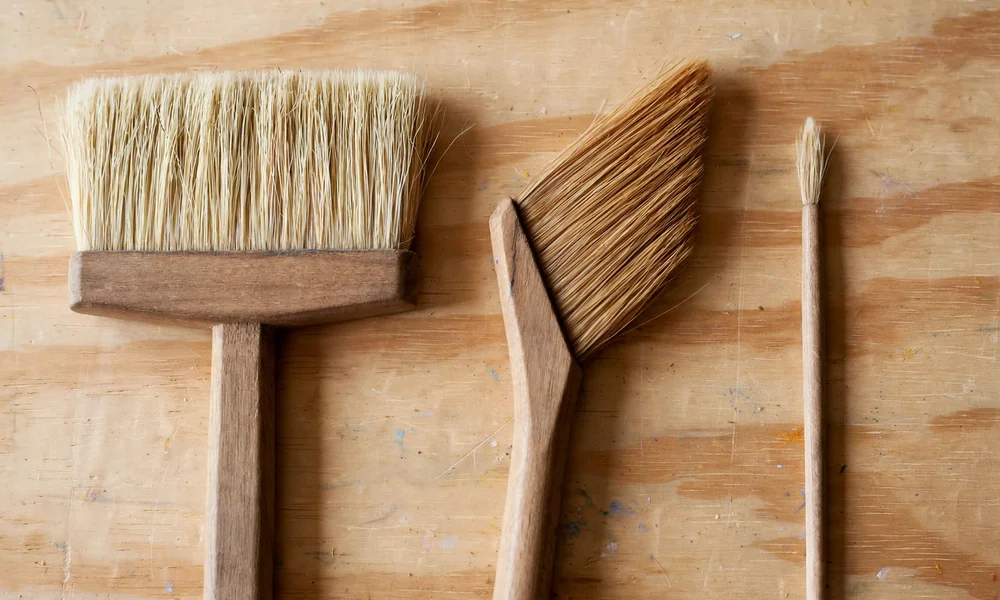
Bristle type is the single most important choice you will make when buying a paint brush, and it is the one most people get wrong. Natural bristles, made from hog hair or ox hair, are best for oil-based paints, because they hold the thick paint well and leave a smooth finish. But they go limp and useless in water-based paints, which swell the natural fibres and make the brush impossible to control.
Synthetic bristles, made from nylon, polyester or a blend of the two, are the best choice for water-based paints, which are what most people use in 2026. They keep their shape when wet, hold plenty of paint, and spring back after every stroke. A good synthetic brush has flagged tips, which are tiny split ends on each bristle that hold more paint and lay it down more smoothly. Cheap synthetic brushes have blunt, unflagged bristles that leave streaks, so the tips are worth checking before you buy.
The shape of the brush matters as much as the bristles. An angled sash brush has bristles cut at a slant, which makes it the best tool for cutting in along ceilings and skirting boards, because the long edge of the slant follows the line naturally. A flat brush with a straight-cut tip is better for broad, flat areas such as door panels and large trim.
The Best Paint Brushes of 2026
We judged every brush on edge quality, paint capacity, shedding, bristle spring and value, testing each one on ceilings, skirting boards, doors and window frames. The five picks below cover every job and budget.
Best Overall: Purdy Monarch Elite Angled Brush
The Purdy Monarch Elite is the best paint brush for most people in 2026. Its angled synthetic bristles hold a sharp edge, carry enough paint for a long cut-in line without reloading, and leave almost no brush marks. The handle is comfortable for hours, the ferrule is solid and rust-resistant, and it washes out cleanly.
Best Budget: Hamilton Perfection Synthetic Brush Set
The Hamilton Perfection set is the strongest budget paint brush we have tested. The two-inch angled brush in the set cuts a surprisingly clean edge for the price, the bristles hold their shape well in water-based paint, and the set covers most household jobs in one box.
Best for Cutting In: Wooster Ultra/Pro Lindbeck Angled Brush
Cutting in is the hardest test for a brush, and the Wooster Ultra/Pro Lindbeck passes it beautifully. Its long, thin angled tip follows a ceiling line with almost no effort, the bristles are firm enough to steer precisely yet soft enough to leave a smooth finish, and it holds enough paint to run a full wall length without a reload.
Best for Doors and Trim: Corona Cortez Flat Brush
Doors and trim need a brush that lays down a flat, even coat without drips, and the Corona Cortez does exactly that. Its three-inch flat bristles cover a door panel quickly, the flagged tips leave a smooth finish with almost no marks, and the handle gives steady control on vertical surfaces.
Best Detail Brush: Anza Platinum Detail Brush
Small jobs need a small brush, and the Anza Platinum detail brush fills that gap beautifully. Its one-inch angled tip reaches into corners, around hinges and along narrow window frames where a full-size brush cannot go, and the fine bristles leave a crisp edge on the smallest surfaces.

Cutting-In Technique That Keeps Edges Clean
Even the best paint brush will leave a wobbly edge if the technique is wrong, so how you cut in matters as much as what you cut in with. The golden rule is to load the brush properly and move steadily: dip the bristles about a third of the way into the paint, tap off the excess against the side of the tin, and never wipe the brush on the rim, which strips the paint out of the bristles. Hold the brush at a slight angle, with the long edge of the slant leading, and draw it along the edge in one smooth, steady motion.
Keep the pressure light and even, reload before the brush runs dry, and never go back over paint that has started to dry, because that is what creates ridges and rough edges. For a ceiling line, work in short sections of about a metre, and keep a damp cloth nearby for the odd slip. Once the cut-in is done, the wall itself can be finished with a roller, and the two should blend seamlessly if the paint is still wet where they meet. If the room needs a final flourish after the painting is done, our guide to choosing wall art that fits your home covers how to dress the freshly painted walls.
Paint Brushes Compared
| Brush | Best For | Size | Bristles | Why It Wins |
|---|---|---|---|---|
| Purdy Monarch Elite | Overall | 2 inch | Synthetic, angled | Sharpest edge, best paint capacity |
| Hamilton Perfection Set | Budget | Mixed | Synthetic, angled | Best value, covers most jobs |
| Wooster Ultra/Pro Lindbeck | Cutting in | 2 inch | Synthetic, angled | Cleanest ceiling lines, easy to steer |
| Corona Cortez | Doors and trim | 3 inch | Synthetic, flat | Smooth finish, no drips on verticals |
| Anza Platinum Detail | Detail work | 1 inch | Synthetic, angled | Crisp edges in tight spaces |
How to Clean and Store Your Brushes
Cleaning is easier than people think, and it is the difference between a brush that lasts for years and one that is thrown away after a single room. As soon as you finish painting, scrape the excess paint back into the tin, then rinse the bristles under warm running water, working the paint out gently with your fingers until the water runs clear. For oil-based paints, use white spirit instead of water, and wash your hands well afterwards.
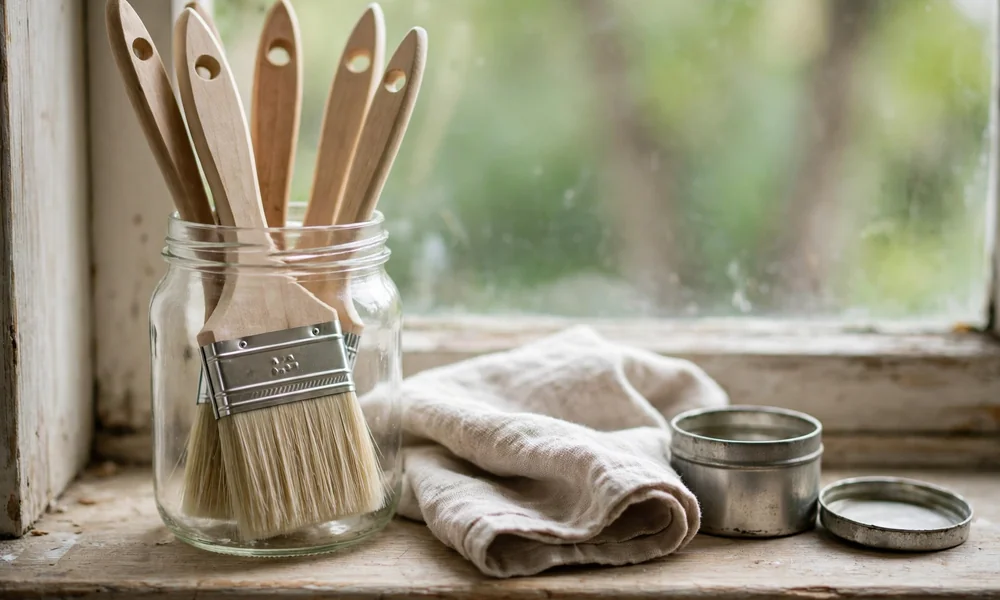
Once the brush is clean, shake out the water, reshape the bristles with your fingers, and hang the brush bristle-down or lay it flat to dry, never standing on its bristles, which bends them out of shape. Store brushes in their original covers or wrapped in paper, so the bristles keep their edge. If your painting project includes wooden furniture as well as walls, our guide to wood cleaners that keep furniture looking new covers how to look after the wood once the paint is dry.
Paint Brush Buying Checklist
- Choose an angled sash brush for cutting in, and a flat brush for doors and trim.
- Pick synthetic bristles for water-based paints and natural bristles for oil-based paints.
- Check the bristles taper to a fine, flagged tip and spring back when bent.
- Make sure the ferrule is tight, rust-resistant and free of loose bristles.
- Buy a two-inch brush for general work, a three-inch brush for large areas, and a one-inch brush for detail.
- Test the handle in your hand before buying, so it stays comfortable for a full room.
Frequently Asked Questions
What size paint brush is best for cutting in?
A two-inch angled sash brush is the best all-round choice for cutting in, because it is wide enough to carry plenty of paint yet narrow enough to steer precisely along a ceiling line or skirting board.
Are synthetic or natural bristles better?
For water-based paints, which most people use today, synthetic bristles are better, because they keep their shape when wet and spring back after every stroke.
Why does my brush leave streaks in the paint?
Streaks usually come from blunt, unflagged bristles, pressing too hard, or going back over paint that has started to dry.
How do I stop my brush shedding bristles into the paint?
Brush a new brush firmly over your hand or a piece of cardboard before you start, which pulls off loose bristles, and wash a reusable brush before its first use.
Can I reuse a paint brush?
Yes, if you clean it properly. Rinse water-based paint out under warm water until it runs clear, reshape the bristles, and hang the brush to dry.
Do I need masking tape when cutting in?
Tape helps, especially on your first room, but a good angled brush should be able to cut in freehand with practice.
The Bottom Line
The best paint brushes in 2026 are not the most expensive ones. They are the brushes that match your job: the Purdy Monarch Elite for all-round excellence, the Hamilton Perfection set for tight budgets, the Wooster Ultra/Pro Lindbeck for cutting in, the Corona Cortez for doors and trim, and the Anza Platinum detail brush for small spaces. Choose synthetic bristles for water-based paint, pick an angled tip for edges, keep the pressure light and steady, and clean the brush after every job. Do those four things and every edge you paint will come out clean.