Cranberry juice that is not just sweet in 2026 is easy to recognise once you know what to look for: a deep red colour, a tartness that makes your mouth wake up, and a label that says 100 percent juice instead of hiding behind the word cocktail. Most of what is sold as cranberry juice is not really juice at all. It is a sweetened drink with a little cranberry in it, dressed up in a bottle that looks like the real thing.
Key Takeaways
- Buy juice labelled 100 percent cranberry juice: cocktail, drink and nectar all mean added water and sugar.
- Real cranberry juice is intensely tart, so expect to dilute it, mix it or sweeten it lightly rather than drinking it straight.
- Check the sugar per 100 millilitres before you buy: the best bottles have no added sugar at all.
- Cranberry juice is not a treatment for urinary infections, and it never replaces medical advice or prescribed treatment.
- Once opened, keep it in the fridge and use it within a week to ten days, or freeze it in portions.
What Cranberry Juice Actually Is
Cranberry juice is the liquid pressed from fresh cranberries, small red berries that grow in bogs in North America and are among the tartest fruit you can buy. Fresh cranberries are almost never eaten raw: they are too sharp, too firm and too sour. Pressed into juice, that same sharpness becomes the point. The juice is a clear, deep red, with a flavour that is sour first, fruity second, and faintly bitter underneath.
100 Percent Juice vs Cocktail vs Nectar
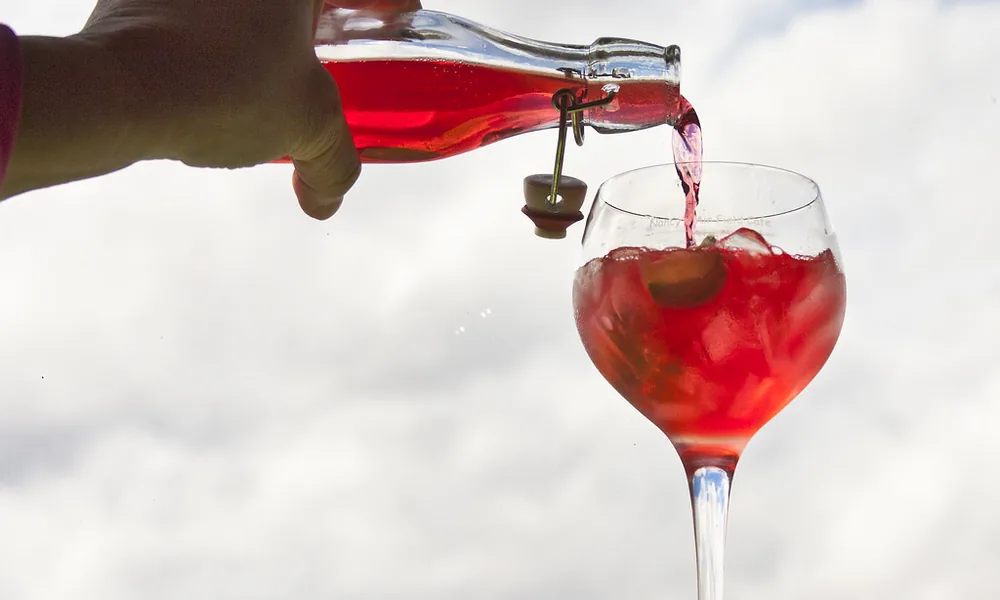
The words on the front of the bottle are the single most useful thing in this guide, because they are legally meaningful. A bottle that says 100 percent juice contains only juice: pressed fruit, with nothing added except, sometimes, a little water to make it drinkable. A bottle that says cranberry juice cocktail contains cranberry juice, water and sweetener, and the cranberry content is often only about a quarter of the bottle. A bottle that says cranberry drink or cranberry nectar is similar: juice, water and sugar, with the emphasis on the sugar.
Our guide to why fresh juice deserves a spot in your fridge in 2026 covers these label terms across all juices, and the same rules apply here with extra force, because cranberry is the juice most often sold in diluted form.
Sugar is the other number that matters. Unsweetened 100 percent cranberry juice has about 4 grams of natural sugar per 100 millilitres. A typical cranberry juice cocktail has 12 to 14 grams per 100 millilitres, most of it added. Over a 250 millilitre glass, that is the difference between 10 grams and more than 30 grams of sugar. If you only check one number on the label, check the sugar per 100 millilitres.
How to Read the Label
Start with the ingredients list, which is ordered by weight. On a good bottle, the first ingredient is cranberry juice, and the list is short: cranberry juice, water, perhaps a little apple or grape juice used as a sweetener. On a poor bottle, the first ingredient is water, followed by sugar or high-fructose corn syrup, and cranberry juice appears somewhere in the middle. That order tells you more than any claim on the front of the bottle.
Next, look for the percentage. Many countries require the juice content to be stated, and a bottle that says 25 percent juice is telling you that three quarters of it is not juice. Then check whether the juice is from concentrate: not-from-concentrate juice usually tastes fresher and costs a little more. Finally, check for added colours and flavourings: a real cranberry juice needs neither, because the berry supplies both.
Taming the Tartness
Unsweetened cranberry juice is too tart for most people to drink straight, and there is no shame in that: the berries themselves are too tart to eat raw. The trick is to dilute it rather than to drown it in sugar. Mix one part juice with two or three parts still or sparkling water, add ice, and you have a refreshing drink that keeps the cranberry flavour and loses the wince. A squeeze of lime or orange and a sprig of mint do the rest.
If you want sweetness, add a little honey or a splash of apple juice rather than reaching for the sweetened bottle: you control the amount, and you will be surprised how little you need once the juice is diluted.
Cranberry Juice and Urinary Health: What the Evidence Actually Says
Cranberry juice is famous for its link with urinary tract infections, and the fame has outrun the facts. Some studies have found that cranberry products may help reduce the recurrence of urinary infections in some people, possibly because compounds in cranberries make it harder for certain bacteria to stick to the walls of the urinary tract. Other studies have found little or no effect. The evidence is mixed, the effect if any is modest, and it is about prevention in some groups, not treatment.
What is clear is what cranberry juice does not do. It does not treat an active urinary infection, it does not replace antibiotics, and it does not work as a home remedy for burning, pain or fever. Anyone with symptoms of a urinary infection should speak to a clinician rather than reaching for a bottle.
Cocktails and Mocktails
Cranberry juice earns its place at the drinks table because of its colour and its tartness, both of which cocktails and mocktails need. The classic is the Cape Cod, or vodka cranberry: vodka, cranberry juice and a wedge of lime over ice, simple enough to make well and easy to ruin with the wrong bottle. Use a cocktail made from sweetened juice and the drink is cloying; use 100 percent juice and it is sharp, clean and properly refreshing.

The same logic applies to mocktails, where cranberry juice does even more work because there is no alcohol to carry the flavour. A cranberry spritzer, made with one part juice, two parts sparkling water, a squeeze of lime and plenty of ice, is one of the best alcohol-free drinks you can serve: it looks festive, tastes grown-up, and takes thirty seconds to make.
Cooking With Cranberry Juice
In the kitchen, cranberry juice behaves like a fruity vinegar: acidic, colourful and best used a splash at a time. Simmer it with sugar and a pinch of cinnamon and it becomes a quick cranberry sauce, sharper and fresher than anything from a jar. Reduce it in a pan with the juices of a roast and it makes a ruby glaze for turkey, pork or duck.
It also works in baking, where its acidity helps cakes rise and its colour tints icings and jellies a deep pink. A splash in a fruit salad keeps cut apples and pears from browning, and a little in a smoothie adds tartness that balances sweet fruit like banana and mango. The dried berries have their own guide, and top dried cranberries for snacking and baking in 2026 covers when to reach for the dried fruit instead: dried berries suit baking and snacking, while juice suits sauces, drinks and glazes.
Buying and Storing Cranberry Juice
Buy the smallest bottle you will use within a week or two, and check the date. Refrigerated 100 percent juice costs more than shelf-stable cocktail, but it tastes fresher and usually contains more cranberry. Shelf-stable bottles are fine for cooking and mixing, where the difference is harder to taste. Either way, read the label before you pay: the price gap between real juice and cocktail is small, and the quality gap is large.
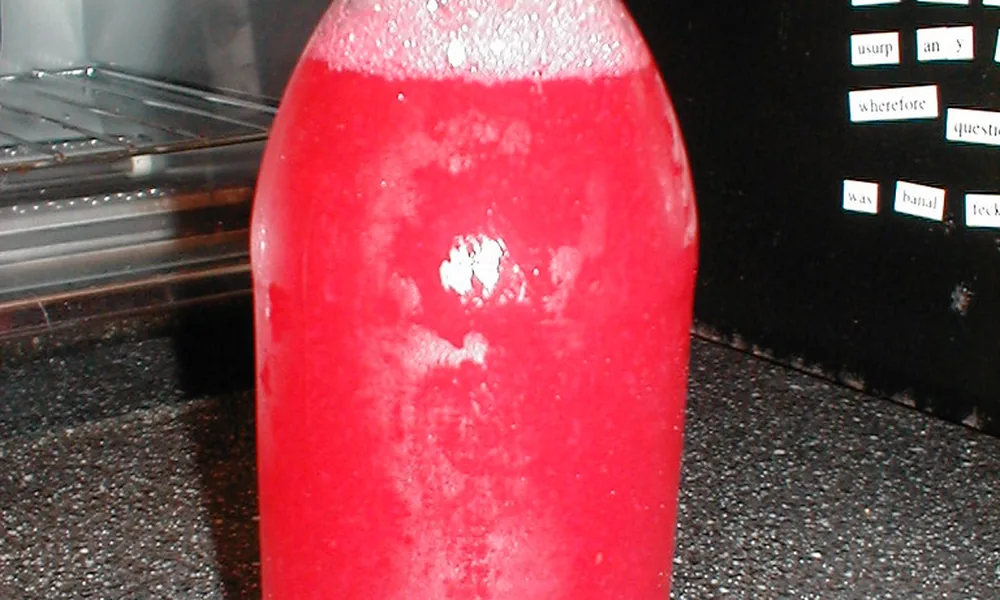
Once opened, keep the bottle in the fridge and use it within seven to ten days. The juice will not turn dangerous after that, but it loses its brightness and starts to taste flat. For longer storage, freeze it in ice-cube trays: frozen cubes are perfect for sauces, smoothies and drinks, and they keep for months. Frozen cranberries are a different product with their own uses, and how to pick frozen cranberries worth stocking in 2026 explains when the frozen berries beat the bottle: for sauces and baking from scratch, the berries win, while the juice wins for speed.
Cranberry Juice Compared
| Type | Juice content | Sugar per 100 ml | Best for |
|---|---|---|---|
| 100% cranberry juice | 100% | About 4 g | Drinking diluted, cocktails, cooking |
| Cranberry juice cocktail | About 25% | 12 to 14 g | Sweet drinks, parties |
| Cranberry nectar / drink | 25 to 50% | 10 to 14 g | Sweet drinks |
| Fresh-pressed at home | 100% | About 4 g | The tartest, freshest flavour |
| Sweetened cranberry squash | Low | High | Not recommended |
The table tells the whole story at a glance. The 100 percent juice costs a little more and tastes a lot better, the cocktail costs less and is mostly sugar water, and the home-pressed version is the tartest of all. If you buy one bottle, make it the 100 percent juice: you can always dilute it or mix it yourself, and you cannot un-sweeten a cocktail.
Checklist: Buying Cranberry Juice
- Choose a bottle labelled 100 percent cranberry juice, not cocktail, drink or nectar.
- Check the sugar per 100 millilitres: the best bottles have no added sugar at all.
- Read the ingredients: cranberry juice should come first, and the list should be short.
- Pick refrigerated juice for drinking, and shelf-stable bottles for cooking and mixing.
- Buy a size you will finish within seven to ten days of opening.
- Taste it diluted first: one part juice to two or three parts sparkling water, over ice.
Frequently Asked Questions
Is cranberry juice good for you?
Unsweetened 100 percent cranberry juice is a low-sugar, refreshing drink with some useful plant compounds, and it is a much better choice than a sugary soft drink. Sweetened cocktail is a different drink entirely: mostly sugar water with a little cranberry.
Why is cranberry juice so tart?
Cranberries are naturally very tart, with high acidity and very little sugar. The juice keeps that character, which is why most people dilute it or mix it rather than drinking it straight.
Can cranberry juice treat a urinary infection?
No. Cranberry juice does not treat an active urinary infection and never replaces medical advice or prescribed treatment. Anyone with symptoms should speak to a clinician promptly.
What is the difference between cranberry juice and cranberry cocktail?
One hundred percent cranberry juice is only juice. Cranberry cocktail is roughly a quarter juice, with added water and sugar, and it tastes much sweeter and less like cranberries.
How long does cranberry juice last once opened?
Keep it in the fridge and use it within seven to ten days. For longer storage, freeze it in ice-cube trays, where it keeps for months and is ready for sauces, smoothies and drinks.
Can I make cranberry juice at home?
Yes. Simmer fresh or frozen cranberries in water until they burst, strain the liquid, and sweeten lightly if you like. Home-pressed juice is the tartest version of all, so dilute it before drinking.
The Bottom Line
Cranberry juice that is not just sweet is a simple buy: a bottle that says 100 percent juice, with no added sugar, from the fridge if you are drinking it and from the shelf if you are cooking with it. Dilute it, mix it, cook with it, and enjoy the tartness instead of hiding it. The sweetened bottles will always be cheaper and easier to drink, but they are a different drink, and once you have tasted the real thing over ice with a squeeze of lime, the cocktail rarely wins again.