How to Pick Frozen Cranberries Worth Stocking in 2026
Frozen cranberries are the most misunderstood bag in the freezer aisle. They are too tart to eat raw and too firm to blend smoothly, yet they are the most useful frozen berry once you understand what they are for. A bag costs very little, keeps for months, and turns into cranberry sauce, compotes, muffins, and breads that taste far better than anything from a jar. Buy the right bag, and know when to thaw it.
Most people buy frozen cranberries once a year, in November, then forget the bag at the back of the freezer until spring. Cranberries freeze better than almost any other fruit: their thick skins and firm flesh hold up to freezing and cooking without turning to mush. A well-stored frozen cranberry tastes almost identical to a fresh one, and costs little all year.
Key takeaways
- Buy whole frozen cranberries, loose and free-flowing in the bag, with no added sugar.
- Halved cranberries cook faster and suit sauces; whole berries hold their shape better in baking.
- Frozen cranberries are intensely tart, so they need sweetener and heat, and should never be eaten raw.
- Use them straight from frozen for baking and smoothies; thaw them only for raw dishes.
- Keep the bag sealed, flat, and cold, and use it within six months for the best flavour.
What frozen cranberries actually are
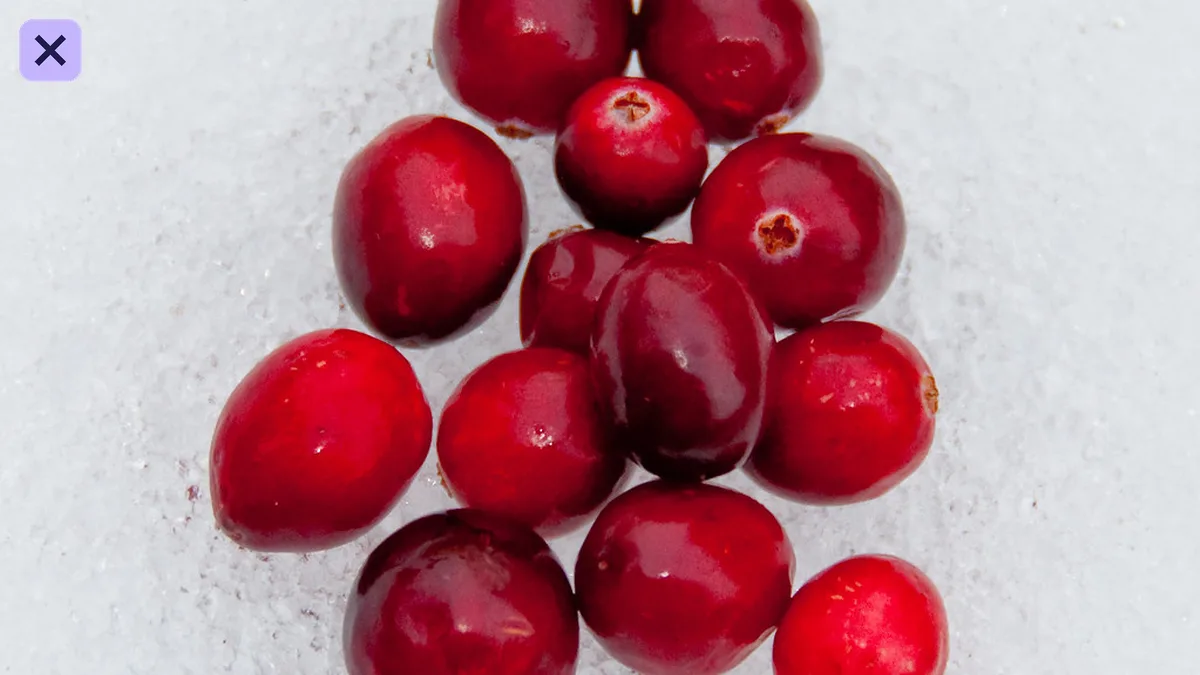
Frozen cranberries are fresh cranberries that have been washed, sorted, and frozen quickly, usually within hours of harvest. The speed matters: fast freezing forms small ice crystals that do little damage to the berry, so the texture, colour, and flavour survive far better than with slow freezing. Most cranberries are picked in autumn, when they are fully ripe and at their tartest, and frozen at their peak.
That matters because fresh cranberries have a very short season. Outside of autumn, fresh berries are either imported at a high price or simply not there. Frozen cranberries solve that completely: the same fruit, picked at the same ripeness, available all year, and usually cheaper than fresh berries even in season.
Whole vs halved: the first choice
Most bags contain whole berries, and whole is the right choice for most people. A whole frozen cranberry holds its shape through cooking, keeps its skin intact, and gives a sauce or a muffin a burst of tart juice when you bite into it.
Halved cranberries have their own uses. Because they are already cut, they cook down faster and release their juice sooner, which makes them better for a quick sauce or a compote that needs to come together in ten minutes. They also spread more evenly through a batter, so a cake made with halved berries has tartness in every bite. The trade-off is that halved berries dry out faster if the bag is left open.
If you can only buy one bag, buy whole. You can chop a whole frozen cranberry yourself in seconds with a knife while it is still frozen. You cannot un-halve a halved berry. Whole berries are also easier to judge: a good one is firm, glossy, and deep red, while a bad one is soft, pale, or shrivelled.
How tart is too tart?
Cranberries are the tartest fruit in the freezer aisle, and there is no getting around it. A raw cranberry is mouth-puckeringly sour, with a sharpness most people find unpleasant on its own. That tartness is not a flaw. It is the whole point of the berry, and it is what makes cranberry sauce taste like cranberry sauce rather than like jam.
The tartness comes from the natural acids in the berry, and it needs two things to become delicious: sweetener and heat. Sugar, honey, or maple syrup balances the acid, and cooking softens the skins and lets the juice out. A sauce made with too little sugar tastes sharp and thin. A sauce made with enough sugar, cooked until the berries pop, tastes bright and rich.
Do not eat frozen cranberries raw, and do not put them in a smoothie without something sweet alongside them. A handful in a smoothie made with banana and yoghurt works well, because the banana and yoghurt do the sweetening.
Frozen cranberries at a glance
| Form | Best for | Texture frozen | Watch out for |
|---|---|---|---|
| Whole | Baking, sauces, stocking up | Firm, glossy, holds shape | Needs chopping for quick sauces |
| Halved | Quick sauces, compotes, batters | Cooks down fast, releases juice | Dries out if the bag is left open |
| Sweetened | Snacking, trail mixes | Soft, sticky, clumps easily | Added sugar limits cooking uses |
| Wild | Sauces, intense flavour | Smaller, firmer, sharper | Dearest, and harder to find |
Sauces: where frozen cranberries shine
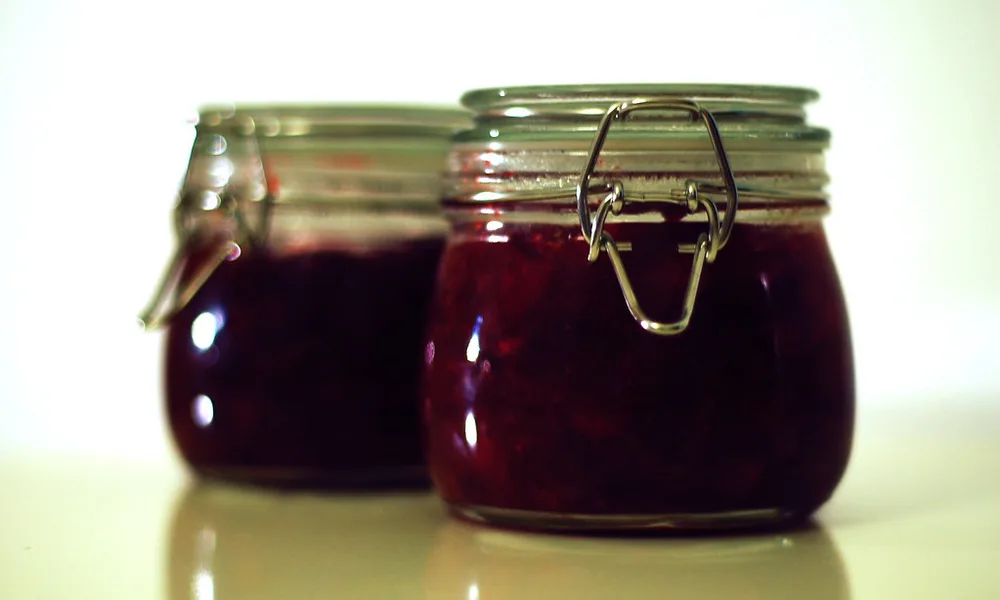
Cranberry sauce is the dish frozen cranberries were made for, and the easiest way to learn how they behave. A basic sauce needs only cranberries, sugar, and water, cooked together until the berries pop and the mixture thickens. It takes about fifteen minutes, and the result beats any sauce from a jar, because you control the sweetness and the texture.
Start with the berries still frozen. Thawing first only adds a puddle of juice to the pan. Put a cup of sugar and a cup of water in a saucepan, bring it to a simmer, then add the frozen berries. Within minutes they will start to pop, releasing their juice. Stir occasionally and cook ten to twelve minutes, until most berries have burst.
The sauce thickens as it cools, so take it off the heat while it still looks a little loose. For a smooth sauce, push it through a sieve while warm. A spoonful of orange zest, a cinnamon stick, or a splash of port added at the end lifts the flavour.
Baking with frozen cranberries
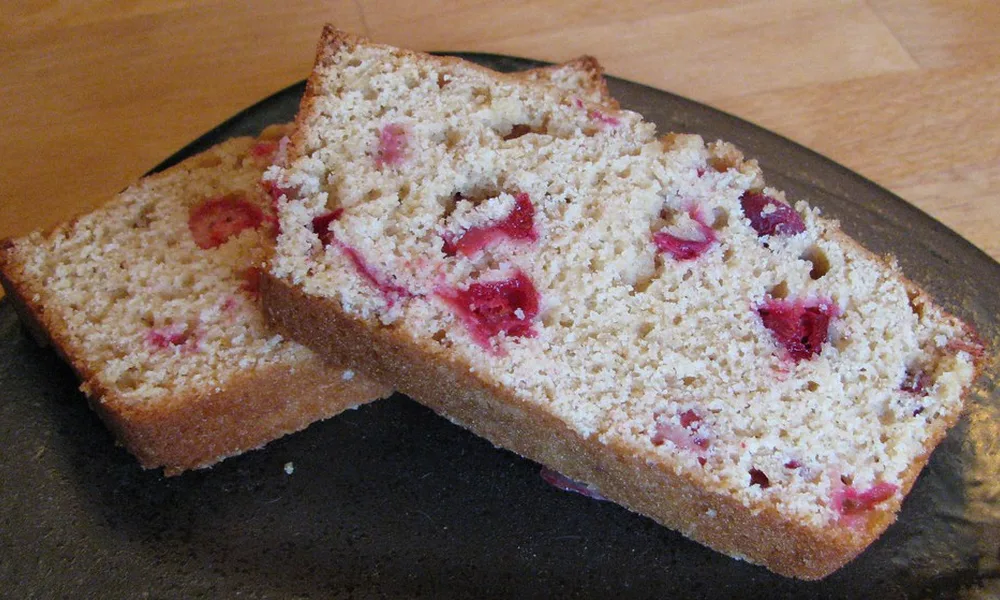
Frozen cranberries are excellent in baking, and in some ways better than fresh ones. A frozen berry holds its shape in a hot oven, so it does not bleed colour into the batter the way a soft berry does, and it releases its juice slowly, which keeps the crumb from going soggy. Muffins, scones, quick breads, and cakes all benefit from berries used straight from the freezer.
Use the berries frozen, straight from the bag, and toss them in a spoonful of flour before folding them into the batter. The flour stops them sinking to the bottom of the tin, the most common problem in cranberry baking. Add two or three minutes to the baking time and test with a skewer before taking the tin out.
Pair cranberries with flavours that suit their tartness. Orange zest is the classic partner and works in almost every cranberry bake. White chocolate, almonds, and walnuts all soften the sharpness, and brown sugar in the topping adds a caramel note.

Smoothies and drinks
Frozen cranberries work in smoothies, but they need handling. A smoothie made with frozen cranberries alone will be too tart and too thick, because the berries are firm and their flavour is strong. Use a small handful rather than a large one, and pair them with a sweet, creamy base. Banana, mango, and yoghurt all work well, and a spoonful of honey helps if the fruit is particularly sharp.
The advantage is that frozen cranberries chill and thicken a smoothie without any ice, so it stays thick and flavourful instead of thinning out as ice melts. Add the cranberries last, after the softer fruit has blended, and blend a few seconds longer than usual, because firm berries take longer to break down.
Thawing: when to thaw and when not to
Most of the time, do not thaw frozen cranberries at all. Baking, smoothies, and sauces all work better with the berries used straight from frozen, because thawing first makes them soft, wet, and harder to handle. A thawed cranberry leaks juice, stains everything it touches, and goes mushy in a batter. A frozen cranberry holds its shape and cooks exactly as it should.
Thaw them only when the recipe needs the berries soft and ready to eat, which usually means a raw preparation: a cranberry relish, a fruit salad, or a topping for yoghurt. To thaw, spread them in a single layer on a plate in the fridge for two to three hours. Do not thaw them at room temperature or in water, because both make them soft and waterlogged.
Never refreeze cranberries that have thawed. Once a berry has thawed, its cells have softened, and refreezing will turn it mushy and grey. If you thawed more than you need, cook the extra berries into a sauce or compote instead.
Storage: keeping the bag good
Frozen cranberries keep for months, but not forever, and how you store them decides how they taste. Keep the bag sealed tightly, squeeze out the air before you close it, and store it flat, so the berries freeze in a single layer rather than in a solid block. A bag left open develops ice crystals, which dry the berries out and dull their flavour.
Unopened bags keep for six to twelve months in a freezer at a steady temperature. Once opened, use the berries within three months for the best colour and flavour, and within six months at the outside. Buy a bag that feels loose and free-flowing when you squeeze it: loose berries are fresh-frozen, while a solid icy block means the bag has thawed and refrozen.
The freezer checklist
- Squeeze the bag before you buy it: loose berries mean fresh-frozen; a solid block means thawed and refrozen.
- Choose whole berries over halved unless you only make quick sauces, because whole berries are more versatile.
- Read the ingredients and buy plain cranberries only, with no added sugar, oil, or juice.
- Use the berries straight from frozen for baking, smoothies, and sauces; thaw them only for raw dishes.
- Toss frozen berries in flour before adding them to a batter, so they do not sink to the bottom.
- Seal the bag, squeeze out the air, store it flat, and use it within six months of opening.
Frequently asked questions
Can you eat frozen cranberries raw?
You can, but you probably will not enjoy it. Raw cranberries are intensely tart, and freezing does nothing to soften that. They are far better cooked with sweetener.
Do I need to thaw frozen cranberries before baking?
No. Use them straight from frozen, tossed in a little flour so they do not sink. Add two or three minutes to the baking time, because the cold fruit slows the bake.
How long do frozen cranberries last?
Unopened bags keep for six to twelve months in a steady freezer. Once opened, use them within three months for the best quality, and within six months at the outside.
Are frozen cranberries as healthy as fresh ones?
Yes, very nearly. Freezing preserves most vitamins and the deep red pigments well, because the berries are frozen quickly at their ripest.
Can I use frozen cranberries instead of fresh in a recipe?
Yes, in almost every recipe. Use the same weight, cook them from frozen, and add a couple of minutes to the cooking time. The only exception is a raw relish, where you should thaw them first.
Why did my cranberry sauce turn out too tart?
Almost always because there was not enough sugar, or because the sauce was tasted while still hot. It tastes sharper when hot and mellows as it cools, so sweeten generously and taste it cold.
Bottom line
The best frozen cranberries in 2026 are whole, plain, loose in the bag, and bought with a plan for how you will use them. Keep a bag in the freezer, cook it into sauce when you need it, bake it into muffins when you want it, and blend a small handful into smoothies when the fruit is sweet enough to carry it. For a fuller picture of the frozen aisle, see the best frozen berries for smoothies and baking, why frozen fruit deserves a spot in your freezer, and what makes great dried fruit worth stocking.