
What Is the Best Honey Dipper for Drizzle Control in 2026?
The best honey dipper for drizzle control in 2026 is the one that lets you pour a thin, steady ribbon of honey exactly where you want it, and then stop, without a drip running down the handle or a sticky pool forming on the table. A honey dipper is a simple tool, a handle with a grooved head, but a good one and a bad one differ every time you use them: in how much honey they hold, how cleanly they release, and how much mess they leave.
This guide explains how a honey dipper works, what separates the good ones from the frustrating ones, and which materials and designs suit different kinds of honey. We cover wooden, stainless steel, silicone and glass dippers.
Key Takeaways
- Groove depth decides drizzle control: deep, evenly spaced grooves hold more honey and release it slowly, while shallow grooves drip fast and run out quickly.
- Wooden dippers are the classic choice, because unfinished wood grips honey well and feels warm in the hand, but they need proper drying after washing.
- Stainless steel dippers are the easiest to clean and the best for runny honey, though they release honey faster than wood.
- Handle length matters: too short and your fingers end up in the honey, too long and the dipper is clumsy in a small jar.
- The dipper should fit your jar: a head wider than the mouth will not go in, and a much narrower head wastes time on every dip.
How a Honey Dipper Works
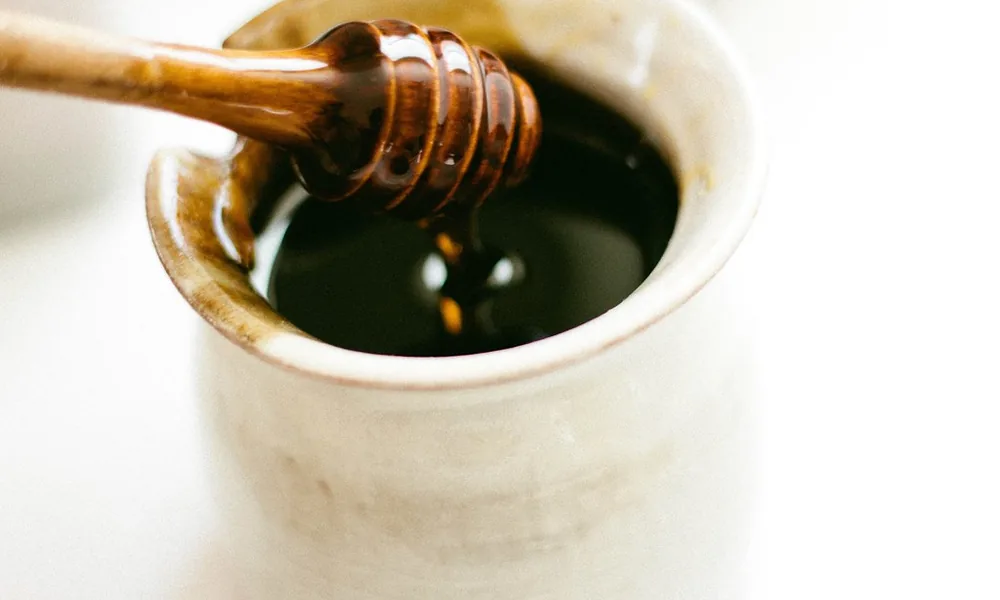
The head is carved into a series of grooves, and when you dip it into honey and twist it, the honey coats the grooves and stays there, held by its own thickness. Lift it, hold it over your food, and turn slowly, and the honey unwinds in a thin stream. Stop turning, and the flow stops. That is the whole trick, and when it works well, it feels almost magical: no spoon to drip, no knife to wipe, no sticky fingers.
The key is the groove. Deep grooves hold more honey, so you can drizzle further without dipping again, and they release it slowly, which is what gives you control. Shallow grooves hold less and let go faster, so the honey comes off in a rush and you are back at the jar within seconds. Even spacing matters too: uneven grooves dump honey in bursts. When you are choosing a dipper, look at the head closely. The grooves should be clean, even and deep enough to see clearly, with no rough edges or splinters.
Honey thickness changes everything. Runny, warm honey flows off any dipper quickly, so control comes from turning slowly and using a dipper with deep grooves. Thick, cool honey clings stubbornly, and a dipper with shallow grooves may barely release it at all. Crystallised honey will not coat the grooves; warm the jar gently in warm water first. The best honey dipper is the one that suits the honey you actually buy, not the honey in the photograph.
The Best Honey Dippers for Drizzle Control in 2026
There is no single best honey dipper for everyone, because the right choice depends on your honey, your jar and how you serve it. The dippers below are grouped by material, so you can match the design to your own kitchen.
Wooden Dippers: The Classic Choice
The wooden dipper is the one most people picture when they think of honey, and it is still the best choice for most households. Unfinished wood grips honey well, so the grooves hold a good load and release it slowly, which is exactly what drizzle control means. Wood feels warm in the hand, it will not scratch a glass jar, and a well-made wooden dipper lasts for years. Look for a single piece of hardwood, such as beech or olive wood, with smooth grooves and no varnish, since a coating stops the wood gripping the honey. The weakness of wood is water: wash by hand, dry properly, and never soak it or put it in the dishwasher.
Stainless Steel Dippers: The Easy-Clean Option
Stainless steel dippers are the practical choice for anyone who values easy cleaning. They go in the dishwasher, they do not absorb smells, and they will not crack, warp or grow mould. The grooves on a steel dipper are usually formed from coiled wire or pressed rings, and they hold honey well, though steel releases honey faster than wood, so you need a slightly slower hand to keep the drizzle thin. Steel suits runny honey best, and households where the dipper is washed often. Buy one with a solid handle and smooth edges, and avoid sharp wire ends, which scratch jars.
Silicone and Glass Dippers: The Modern Alternatives
Silicone dippers are soft, so they will not scratch any jar, they are easy to clean, and they come in bright colours. Their moulded ridges hold honey reasonably well, though not as much as deep wooden grooves. Silicone suits families with children, since there is nothing to break or splinter. Glass dippers look beautiful but are fragile, and best kept for careful adult use at the table.
Dippers With Pots and Lids
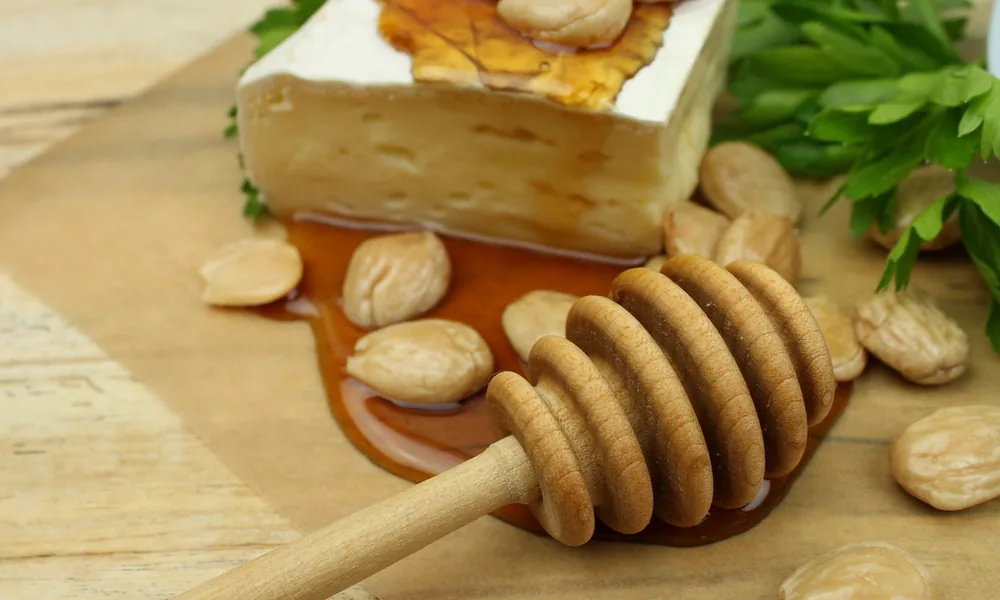
Many honey dippers are sold with a matching pot, and a good set solves two problems at once: the dipper has a place to live, and the honey stays covered between uses. The best sets have a pot with a wide mouth, so the dipper goes in and out easily, and a lid with a notch for the handle, so the dipper can rest inside the pot without the lid sitting crooked. A pot that is too narrow is a daily frustration, and a lid without a notch leaves the dipper on a saucer. If you already have a jar you like, a dipper alone is fine; if not, a set is better value.
Long Handles and Serving Dippers
Handle length is the detail most buyers overlook, and it matters. A short handle, around 12 centimetres, suits small jars and keeps the dipper compact in a drawer, but your fingers can end up close to the honey. A long handle, around 18 centimetres or more, keeps your hand clear and suits deep jars and tall pots, but it can be clumsy in a small jar and awkward to store. As a rule, the handle should be about twice the depth of your jar. A longer dipper suits a large pot at the table; a shorter one suits a small breakfast jar.
Honey Dippers Compared
| Type | Best for | Drizzle control | Cleaning | Durability |
|---|---|---|---|---|
| Wooden dipper | Everyday use, thick honey | Excellent | Hand wash, dry well | Good, if kept dry |
| Stainless steel | Runny honey, busy kitchens | Good | Dishwasher safe | Excellent |
| Silicone dipper | Families, children | Fair | Very easy | Excellent |
| Glass dipper | Table display, gifts | Good | Hand wash | Fragile |
| Dipper and pot set | Table serving | Depends on dipper | Depends on material | Good |
Wood remains the default for drizzle control, since no other material releases honey as slowly. If easy cleaning matters more, steel is the better buy, and silicone is safest for children.
How to Use a Honey Dipper Properly
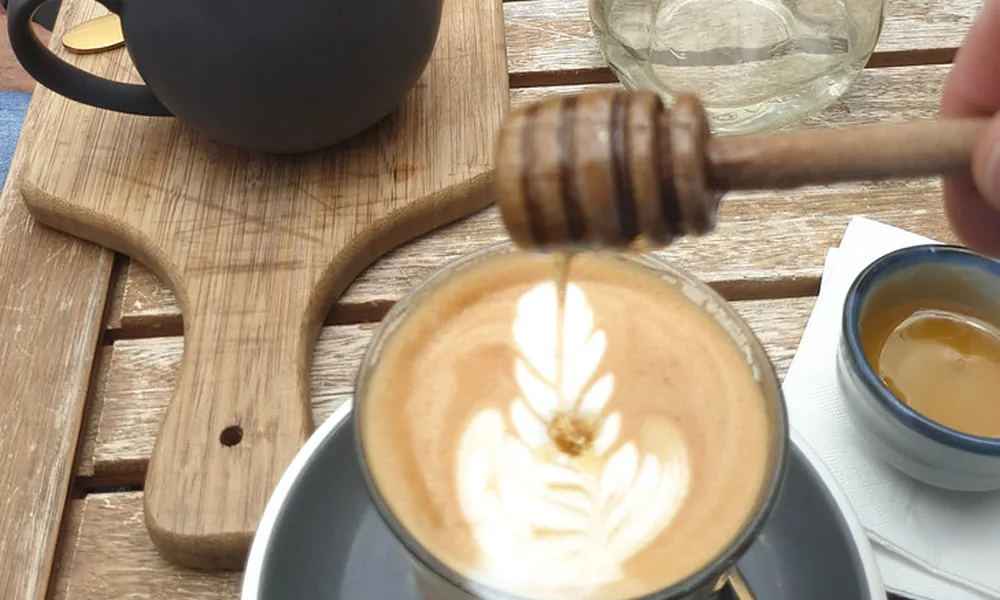
Using a honey dipper well is a small skill, and it takes about a week to learn. Dip the head into the honey and give it a slow twist, two or three turns, so the grooves fill evenly. Lift it out and let the excess drip back into the jar for a second or two. Then hold it over your food and turn the handle slowly. The honey unwinds in a thin stream. When you have enough, stop turning, hold still a moment, then give one quick twist to catch the last drop.
The most common mistake is turning too fast, which dumps the honey in a thick rope instead of a thin drizzle. The second is holding the dipper too low. Hold it a few centimetres above the food, turn slowly, and let the stream fall where you want it.
Temperature matters. Cold honey is thick and slow, and a dipper will struggle to release it. Warm the jar in a bowl of warm water for a few minutes before serving. Never microwave honey, since hot spots can scorch it and spoil the flavour. Warming gently will also return crystallised honey to liquid.
Rinse a wooden dipper under warm water as soon as you have finished, wipe it dry, and stand it upright to dry completely. Steel and silicone dippers can go in the dishwasher. Never leave any dipper sitting in honey for days, since the honey will harden around the grooves. If honey has dried on, soak the head in warm water and it will dissolve.
Choosing the right honey matters as much as choosing the right dipper, and our guide to the best honey explains which types suit tea, toast, baking and cooking. Our best vs worst honey comparison covers both ends of the shelf, and the best olive oil dispensers use the same slow-pour idea for oil.
Before You Buy: A Six-Point Checklist
- Grooves: look for deep, even grooves with no rough edges or splinters, since groove depth decides drizzle control.
- Material: wood grips honey best, steel cleans easiest, silicone is safest for children, glass is prettiest but fragile.
- Handle: about twice the depth of your jar, so you can reach the bottom without dipping your fingers.
- Head size: the head must fit through the mouth of your jar, with a little room to spare.
- Finish: wooden dippers should be unfinished, with no varnish or lacquer that can flake into the honey.
- Cleaning: check how it washes, since a dipper that is hard to clean will be left sticky in a drawer.
Frequently Asked Questions
Why does honey drip off my dipper instead of drizzling?
Shallow grooves, runny honey, or turning too fast. Use deeper grooves, let the excess drip back first, and turn slowly.
Are wooden honey dippers safe?
Yes, if they are made from food-safe hardwood and kept clean and dry. Wash by hand, dry fully, and replace the dipper if it cracks, roughens or smells musty.
Can I put a wooden honey dipper in the dishwasher?
No. Dishwasher heat and long soaking will crack, warp and roughen the wood. Wash it by hand under warm water and dry it straight away.
What is the best honey dipper for thick honey?
A wooden dipper with deep grooves, since wood grips thick honey best and releases it slowly. Warm the honey gently first if it is very thick or partly crystallised.
How do I stop honey dripping on the table?
After drizzling, hold the dipper still for a moment, give it one quick twist to catch the last drop, and rest it on a small saucer or in the pot, never flat on the table.
Do I need a honey pot, or is a dipper enough?
A dipper alone is enough if you already have a jar with a wide mouth. A pot with a notched lid is tidier, keeps the honey covered, and gives the dipper a home between uses.
The Bottom Line
The best honey dipper for drizzle control in 2026 is a simple one: a wooden dipper with deep, even grooves, a handle about twice the depth of your jar, and no varnish on the wood. Learn the slow twist, warm thick honey gently, and wash and dry the dipper after every use, and you will get a thin, steady drizzle exactly where you want it, with no drips and no mess.
Photographs: Didriks, John Beans and David Jackmanson, via Flickr (CC BY).


