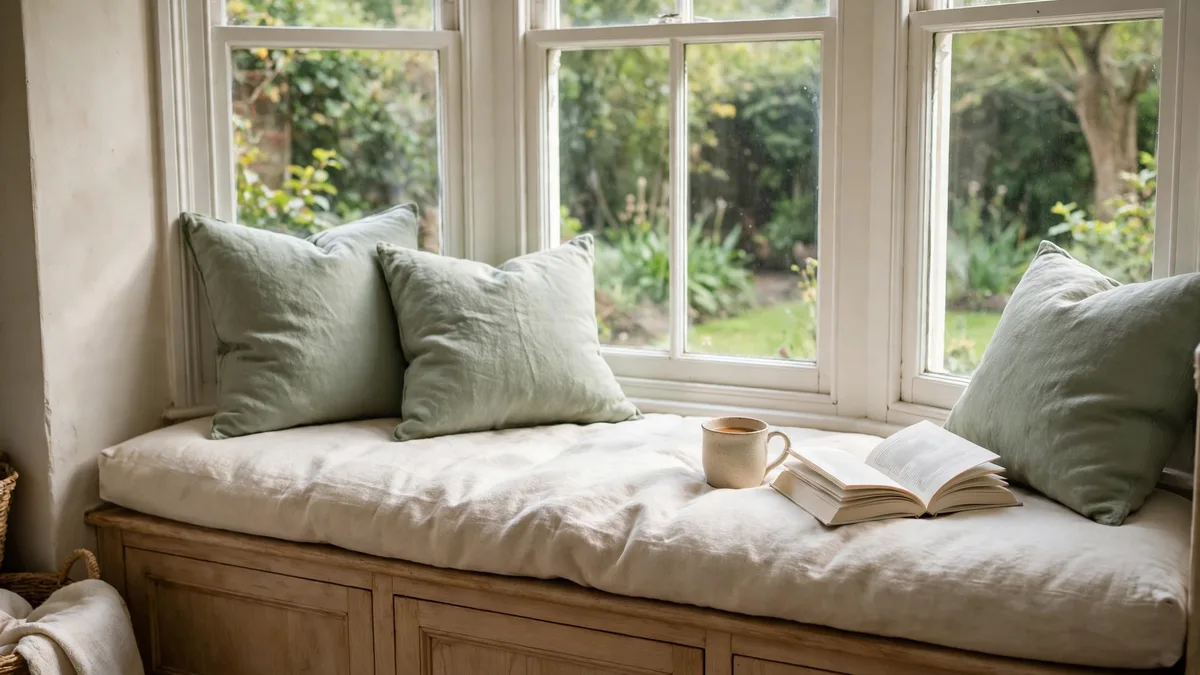
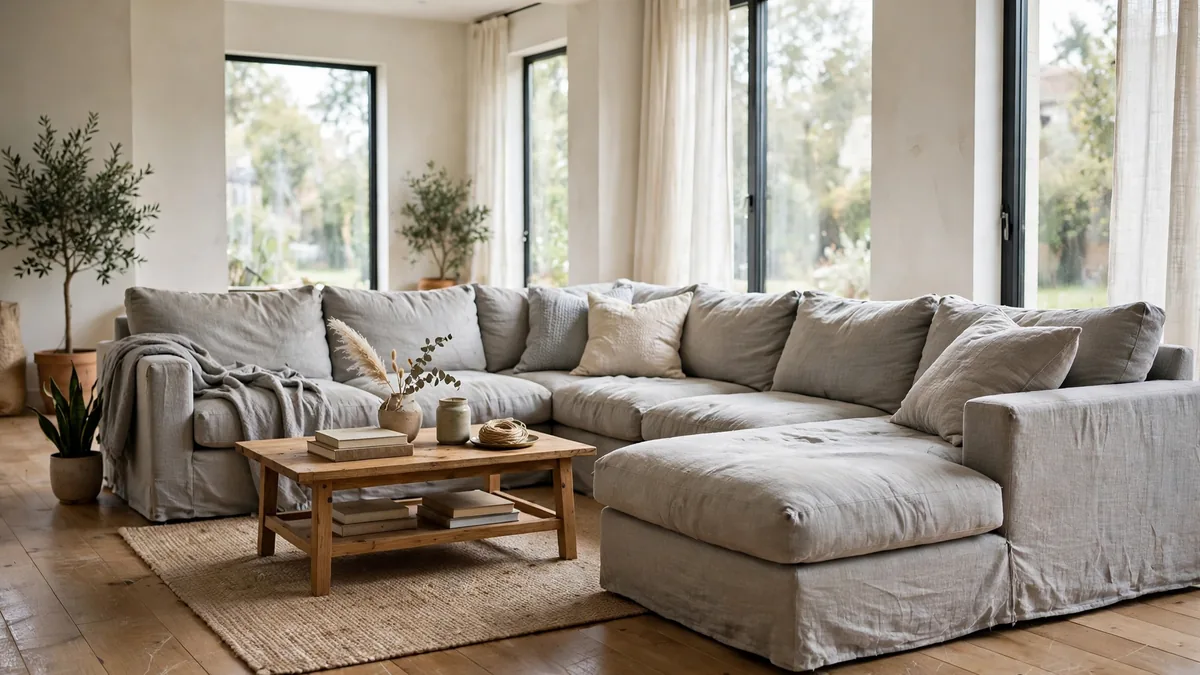
Storage Benches That Hide the Clutter in 2026
A storage bench hides the clutter and gives you somewhere to sit, and that double job is why it earns its floor space. The best storage benches of 2026 pair a sturdy seat with a genuinely useful compartment underneath: blankets and toys in the living room, shoes and bags in the hallway, spare bedding at the foot of the bed. Buy the wrong type and the storage is too shallow, too awkward or too small to use, and the bench becomes just another surface for clutter to gather on.
The trick is matching the storage to the room: lift-tops swallow bulky blankets in one deep pile, drawers keep things sorted, open cubbies keep daily shoes grabbable. This guide compares the types and shows how to size a bench for its room.
Key Takeaways
- Match the storage to the room: lift-tops for bulky blankets, drawers for sorted clutter, cubbies for daily shoes.
- Measure the space the bench needs when open, not just when shut: lift-top lids and drawers both need clearance.
- Seat height of 45 to 48 centimetres suits most adults for sitting down and standing up again without effort.
- Check the weight limit: a bench that holds two adults needs a far stronger frame than one that holds a single child.
- Soft-close hinges and a lid that stays open matter more than looks: a heavy lid that slams is a bench nobody opens.
What a Storage Bench Actually Is
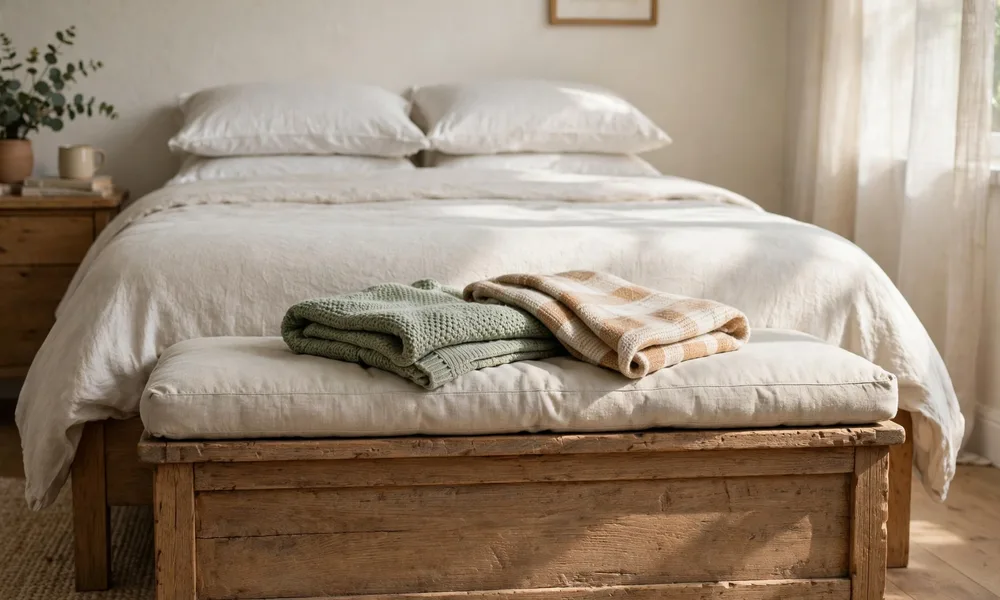
A storage bench is a seat with built-in storage underneath it. The seat is the top of the box, and the storage is the box itself: a lift-up lid, a set of drawers, or open cubbies and shelves. It works twice, and it suits any room where things pile up near a place people sit: the entryway, the mudroom, the bedroom and the living room.
It is easy to confuse with its close cousins. A plain entryway bench is a seat first, with storage as an afterthought, and our guide to the best entryway benches covers that broader family. A shoe bench narrows the job to footwear alone, and our guide to best shoe benches covers benches sized for shoes. A storage bench is the generalist: it seats people and swallows whatever the room needs hidden.
The Main Types of Storage Bench
Lift-Top Benches
The lift-top is the classic storage bench: the whole seat lifts on hinges to reveal one deep compartment. It holds the most, because nothing is lost to drawer runners or dividers, and it suits bulky, soft things: blankets, spare bedding, cushions, toys and out-of-season clothes. The downside is access: everything sits in one pile, so the thing at the bottom takes digging to reach, and the lid is heavy. Look for gas struts that hold the lid open, and soft-close hinges that stop it slamming.
Drawer Benches
Drawer benches hide the clutter behind a tidy front, which suits rooms where the bench is always on show. Two or three drawers keep categories separate: hats and gloves in one, dog leads in another, spare chargers in a third. Drawers suit smaller, harder items far better than blankets. Check the runners: full-extension runners are worth paying for, and a drawer needs as much clear floor in front of the bench as it is deep.
Cubby and Open-Shelf Benches
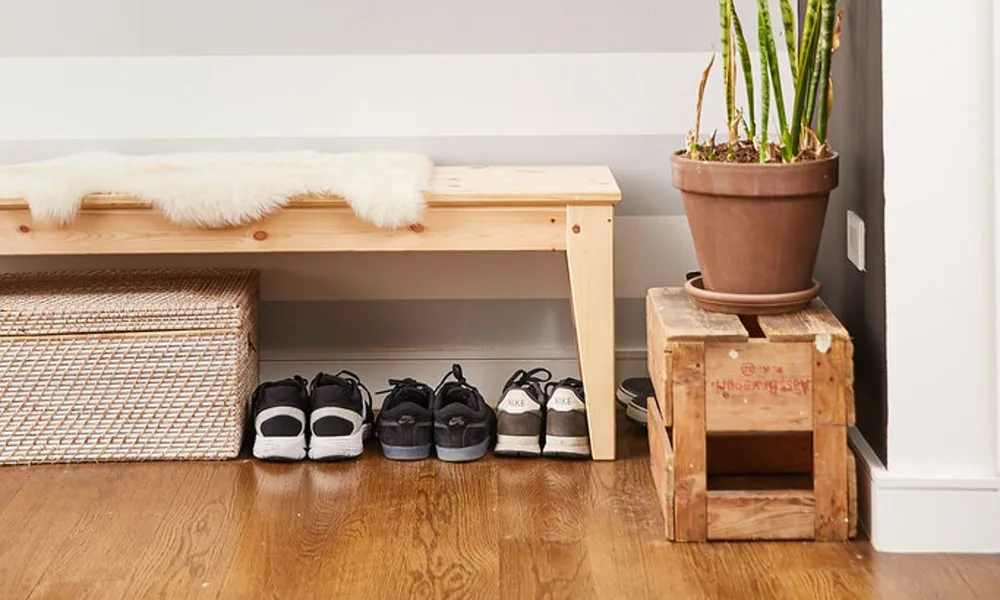
Cubby benches have open compartments under the seat, sometimes with baskets slotted in. They suit the things you grab every day: shoes, school bags, sports kit and the dog’s lead. Open storage is fast, and it dries damp shoes far better than a closed box. The price is tidiness: open cubbies always show their contents, so they look best with matching baskets.
Ottoman-Style Benches
Ottoman-style benches are upholstered all over, with a padded lift-up top, and they look more like soft furniture than storage. They suit living rooms and bedrooms, where a wooden box would look hard, and they double as a footrest or a coffee table with a tray on top. The storage is usually shallower than a wooden lift-top, because the padding takes up space, so they suit throws, magazines and remote controls. Check the fabric: a removable, washable cover is worth having.
Mudroom Units
A mudroom unit is a storage bench built into a bigger system: hooks above, cubbies below, sometimes a tall cupboard at each end. It offers the most storage and suits large families and wide hallways. It is the most expensive option and often needs fixing to the wall, so measure the wall and budget for installation.

Storage Benches Compared
| Type | Best for | Storage | Watch out for | Price in 2026 |
|---|---|---|---|---|
| Lift-top | Blankets, bedding, toys | Excellent, one deep space | Heavy lid, items pile up | Low to mid |
| Drawer | Sorted clutter, small items | Good, divided | Needs clearance to open | Mid |
| Cubby, open shelf | Daily shoes, bags, kit | Good, grabbable | Always on show | Low to mid |
| Ottoman-style | Living rooms, bedrooms | Fair, shallow | Fabric marks easily | Mid to high |
| Mudroom unit | Large families | Excellent, most storage | Expensive, needs fixing | High |
What to Store in Each Type
Capacity is measured in litres, but what matters is what actually fits. A lift-top bench of around 120 litres holds four folded blankets and two spare pillows, or a season’s worth of children’s toys. A drawer bench holds less in volume but more in categories. A cubby bench is measured in pairs of shoes: a 120-centimetre bench with three cubbies holds roughly nine to twelve pairs. Before you buy, gather what the bench must hold and measure the pile. A bench that cannot swallow the pile it was bought for fails on day one.
Sizing, Placement and Weight Limits
Size is where most storage bench purchases go wrong. Measure the wall first, then subtract space for anything else that lives there: a door that swings open, a radiator, or a console table. Leave at least five centimetres of breathing room at each end so the bench does not look wedged in, and at least 90 centimetres of clear walkway in front of it. Seat height matters too: 45 to 48 centimetres suits most adults, while benches below 40 centimetres feel like sitting on the floor. Depth is the number people forget: 35 to 40 centimetres holds a pair of shoes or a folded blanket, while a bench deeper than 45 centimetres starts to block a hallway. Weight limits matter most of all: check the rated load, and assume two adults sitting down together weigh more than the bench will ever hold in storage. A bench rated for 100 kilograms is fine for one adult; a family bench should be rated for 150 kilograms or more. If the bench will sit under a window, check the lid can open fully without hitting the sill, and if it will sit against a radiator, leave a gap so the heat does not dry out the wood.
Materials and Build Quality
Solid wood is the most durable choice and the easiest to repair: a scratched pine or oak bench can be sanded and refinished, while a damaged veneer cannot. Plywood with a veneer is lighter and cheaper, and suits bedrooms and living rooms. Metal frames suit mudrooms, where wet shoes are the daily load, but they feel cold and can mark floors. Upholstered benches are the most comfortable to sit on and the hardest to keep clean, so look for removable covers. Whatever the material, check the joints: a bench sat on daily needs bolted or dowelled joints, not staples. If the bench will live at the foot of a bed, our guide to under-bed storage covers the same problem from the other side.
Before You Buy: The Checklist
- Gather what the bench must hold, measure the pile, and buy a bench whose compartment actually swallows it.
- Measure the wall, the walkway and the clearance the lid or drawers need to open, and leave five centimetres at each end.
- Check the seat height is 45 to 48 centimetres and the depth is 35 to 40 centimetres for the things you will store.
- Check the weight rating covers two adults sitting down, not just the storage load, and test the frame for wobble.
- Open and close the lid or drawers yourself: the lid should stay open on its own and close softly, without slamming.
- Check the material suits the room: solid wood for daily use, washable fabric for living rooms, metal for mudrooms.
Frequently Asked Questions
What is the best storage bench for a small hallway?
A slim lift-top or cubby bench, 90 to 120 centimetres long and no more than 35 centimetres deep, with a seat height of 45 to 48 centimetres. It holds daily shoes and bags without blocking the walkway, and a lift-top hides the clutter completely. Measure the door swing first: a bench that blocks a door is worse than no bench at all. A light-coloured top shows scuffs from shoes, so a darker wood or washable fabric is the safer choice in a busy hallway.
How much weight can a storage bench hold?
Most wooden storage benches are rated for 100 to 150 kilograms, which covers one or two adults sitting down. Cheaper flat-pack benches may be rated for as little as 60 kilograms, which is one adult at most. Check the rating before you buy, and test the bench by sitting on it and shifting your weight: it should feel solid, with no creak or wobble.
Are lift-top benches safe for children?
Yes, if the lid has safety hinges. A heavy lid without a stay can slam on small fingers, so look for soft-close hinges or gas struts that hold the lid open at any angle. Teach children to open the bench with two hands and never to climb inside it, and keep heavy items at the bottom so the bench cannot tip forward when the lid is up.
What should I store in a bedroom storage bench?
Spare bedding, out-of-season clothes, extra pillows and throws are the natural contents, because they are bulky, soft and used weekly rather than daily. Keep daily items, such as the book you are reading or the clothes for tomorrow, on top of the bench or in a drawer, so you are not lifting the lid every morning.
Do storage benches work in living rooms?
Yes, and they are at their best there. An ottoman-style bench holds throws, magazines and remote controls, and doubles as a footrest or a coffee table with a tray on top. A wooden lift-top holds board games and spare cushions. Choose upholstery or wood to match the room, and keep the contents to things the room actually uses.
How do I keep a storage bench tidy inside?
Give every compartment one category and stick to it. Use small boxes or baskets inside a deep lift-top so things do not sink to the bottom, and label drawers if the household shares the bench. Empty the bench completely every few months and take out whatever has not been used: a storage bench only works if what is inside it is actually wanted.
The Bottom Line
The storage bench that hides the clutter in 2026 is the one matched to its room: a lift-top for blankets and bedding, drawers for sorted clutter, cubbies for daily shoes. Measure the wall and the clearance it needs to open, check the weight rating covers two adults, and test the lid with your own hands. Do that, and a bench that seats two people will quietly swallow the pile that used to live on the floor.