Top Creamer Pitchers for a Proper Pour in 2026
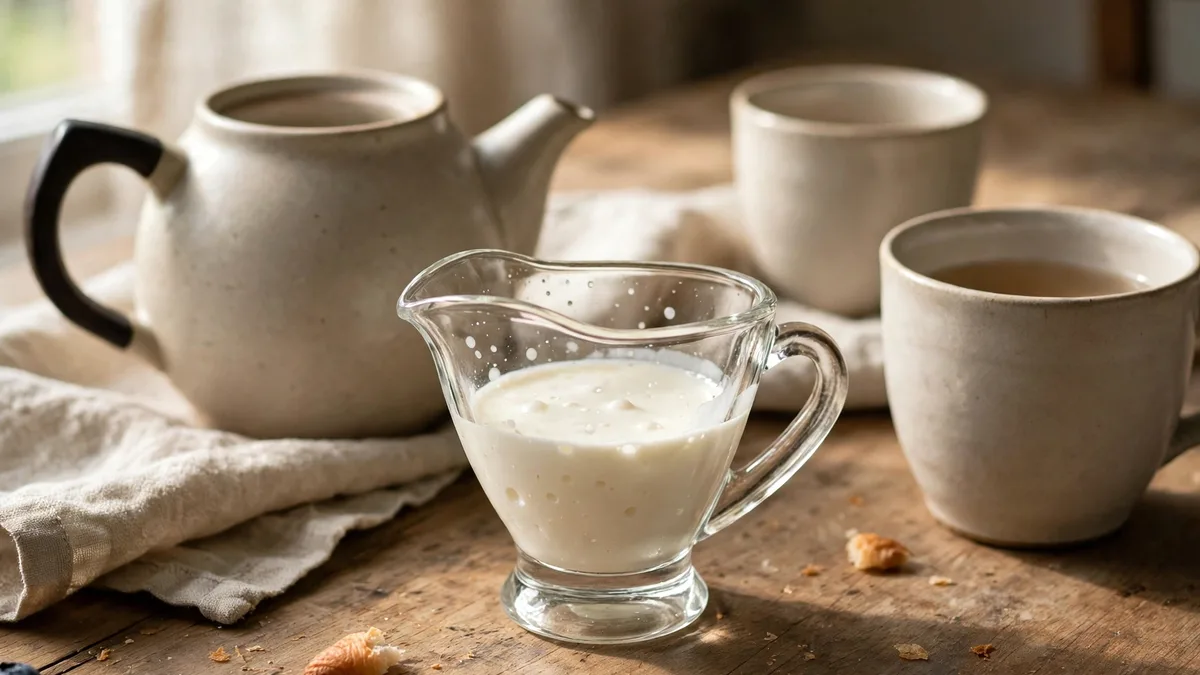
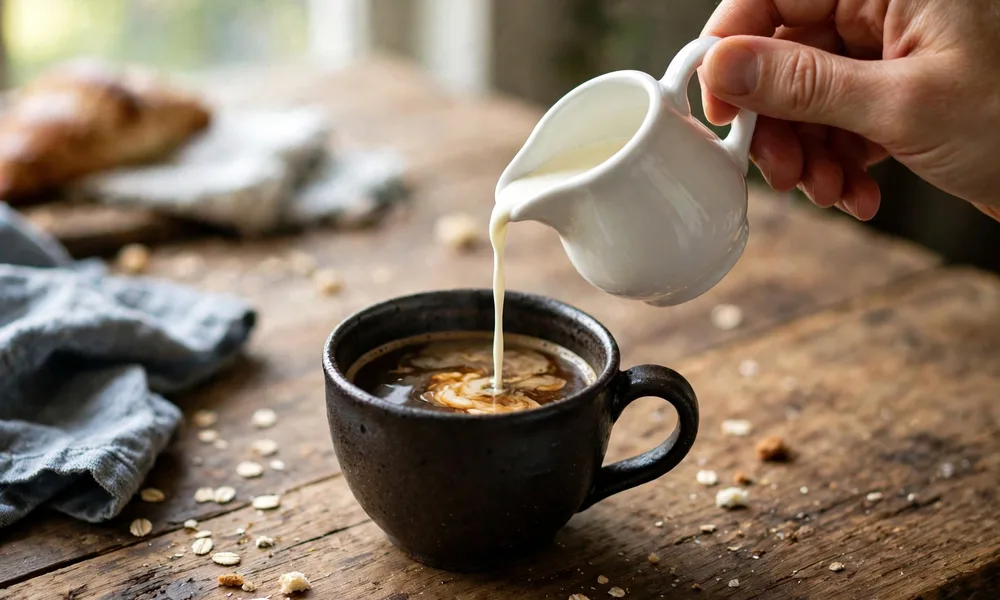
A creamer pitcher is a small thing with an outsized effect on the table. The best creamer pitchers pour a thin, steady stream of cream exactly where you want it, without a dribble down the side or a splash on the saucer. The worst ones look charming on the shelf and fail at the one job they exist for: they glug, they drip, and they leave a sticky ring wherever they sit. This guide is about the pitcher itself, the small pouring jug that serves cream with coffee or tea, not the large jug you froth milk in for a latte. A creamer pitcher holds a modest amount of cream, usually between 150 and 350 millilitres, and it lives on the table during the meal, ready for the next cup. It is judged on its spout, its size, its balance in the hand, and how easily it cleans up afterwards.
Key Takeaways
- The spout decides the pour: a narrow, sharply defined spout gives a thin, controllable stream, while a wide, rounded lip dumps cream too fast and drips.
- Match the size to the table: 150 to 200 millilitres suits one or two people, 300 to 350 millilitres suits a family breakfast or guests.
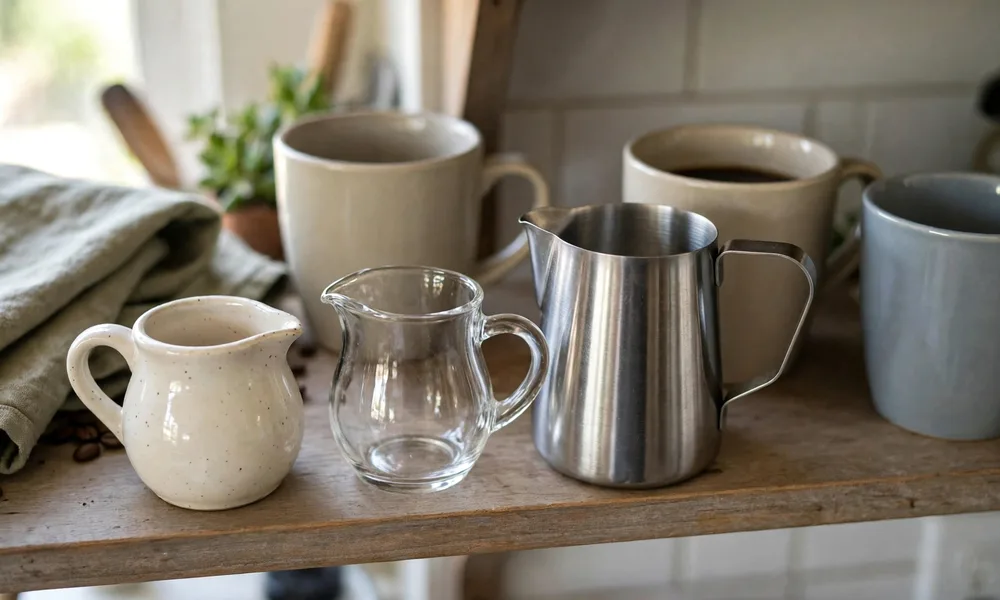
- Ceramic pours warm and looks at home on the table, glass shows the cream level, and stainless steel is the toughest and easiest to clean.
- A handle that stays cool and a base that sits flat matter more than decoration: a pitcher that wobbles or burns fingers gets left in the cupboard.
- Chill the pitcher before filling it on a hot day, and never leave cream sitting out for hours: a good pitcher keeps cream cool for a meal, not for a whole afternoon.
What a Creamer Pitcher Actually Is
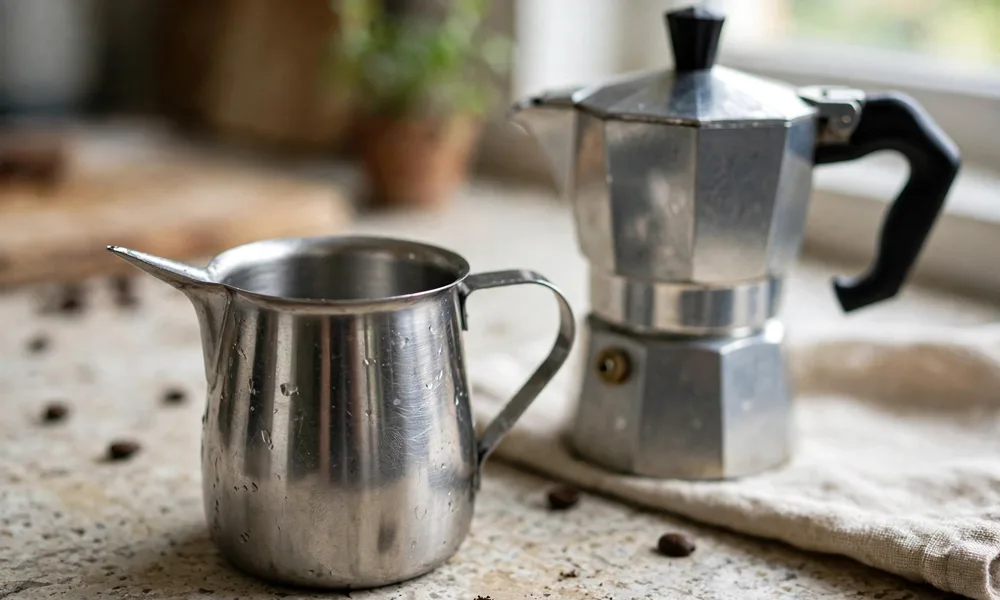
A creamer pitcher is a small jug made for serving cream, milk, or half-and-half at the table. It is not a milk jug for frothing, and it is not a gravy boat, though it is often confused with both. A frothing jug is a working tool for the coffee machine, tall and steel, built to swirl milk under steam. A creamer pitcher is a serving piece: shorter, wider, and built to sit beside the sugar bowl while people help themselves. A gravy boat is larger still, with a wide mouth for a ladle and a shape made for thick sauces, not thin cream.
The shape tells you most of what you need to know. A good creamer pitcher has a body that narrows gently toward the top, a spout that comes to a defined point, and a handle placed so the pitcher tips without the hand sliding forward. The best ones pour with the wrist barely moving: tilt a little and a thin stream starts; tilt back and it stops cleanly, without the last drop running down the outside. Our guide to the best milk jugs for frothing and pouring covers the taller steel jugs for steamed milk, which are a different tool for a different job.
The Main Types of Creamer Pitcher
Almost every creamer pitcher falls into one of four materials, and each one suits a different kind of table. The choice is less about looks than about how the pitcher behaves when it is full, warm, and passed around.
Ceramic Creamer Pitchers
Ceramic is the classic choice, and for most tables it is the right one. A ceramic pitcher feels warm and solid, holds its temperature well, and suits a breakfast table in a way steel never quite does. Glazed ceramic wipes clean in seconds and comes in every colour a table could want. The trade-off is weight and breakability: a full ceramic pitcher is heavier than steel, and a drop on tile will chip it. Choose a smooth glaze inside and out, with no unglazed rim where cream can seep in and stain.
Glass Creamer Pitchers
Glass has one advantage no other material can match: you can see how much cream is left. That sounds trivial until you are pouring for six people and the pitcher runs dry halfway round the table. The best glass pitchers use thick, heat-resistant glass with a handle that stays cool. The weakness is fragility: thin glass gets hot to hold and breaks most easily, so keep it from the table edge and never pour boiling liquid into a cold glass pitcher.
Stainless Steel Creamer Pitchers
Stainless steel is the toughest option you can buy. It does not chip, crack, or stain, it goes straight in the dishwasher, and it handles a knock off the counter without a mark. A steel pitcher is also the lightest for its size. The downsides are looks and temperature: steel feels colder and more utilitarian than ceramic. Look for a handle set clear of the body, a rolled rather than sharp spout, and a brushed finish that hides fingerprints better than mirror polish.
Enamelled and Stoneware Pitchers
Enamelled steel sits between ceramic and steel, with the look of a glazed pot and the toughness of metal underneath. Stoneware is ceramic’s heavier cousin: thicker walls, a rustic feel, and a pitcher that stays cool longest. Both suit a farmhouse table and both are heavier than they look, so check the weight when full. A chip in enamel can expose steel and rust, so inspect the rim and spout and retire a chipped pitcher.
The Spout: Where Good Pitchers Earn Their Keep
The spout is the whole point of a creamer pitcher, and it is where most cheap pitchers fail. A good spout is narrow at the tip and sharply defined where it meets the body, so the cream starts and stops cleanly. Pour slowly and the stream should be a thin thread you can steer into the centre of the cup. A bad spout is wide and rounded, so the cream rushes out, or it has a flat lip where the last drop clings and runs down the outside. That run-down drop is the most common complaint about creamer pitchers, and it is a spout problem, not a user problem.
Test a spout before you buy with water if you can. Fill the pitcher halfway, tip it slowly, and watch the stream: it should start without a jerk, hold a steady line, and stop the moment you level the pitcher. If it wobbles or leaves a bead on the lip, the spout is wrong, and no technique will fix it.
Size: One Table, One Pitcher
Size is the easiest thing to get wrong, because a creamer pitcher is always bought empty and used full. A 150 millilitre pitcher suits one or two people who take a splash of cream in a morning cup. A 250 millilitre pitcher is the honest all-rounder for a household of three or four. A 350 millilitre pitcher belongs where guests are regular, or where cream goes into cooking as well as coffee. Buy too small and you are refilling from the carton mid-meal; buy too big and the cream warms up while the pitcher grows heavy and awkward to pour.
Buy the size that matches your usual table, and keep a second, smaller pitcher only if you serve both cream and milk. Two small pitchers beat one large one nobody can lift comfortably. Never fill a pitcher to the brim: leave a finger’s width below the spout, or the first pour spills over the top.
Creamer Pitchers Compared
| Type | Best for | Size | Standout strength |
|---|---|---|---|
| Ceramic | Everyday breakfast tables | 150–350 ml | Warm look, holds temperature, wipes clean |
| Glass | Seeing the cream level | 150–300 ml | Shows how much is left, easiest to clean |
| Stainless steel | Busy households, dishwashers | 150–350 ml | Toughest, lightest, never chips |
| Enamelled steel | Country and farmhouse tables | 200–350 ml | Ceramic look with a metal core |
| Stoneware | Slow, long breakfasts | 200–350 ml | Heavy, stable, stays cool longest |
Handles, Bases, and the Details That Matter
A handle decides whether a full pitcher is a pleasure or a chore. The best handles fit two fingers, sit clear of the body so knuckles never touch hot ceramic, and keep the wrist straight while pouring. A handle that is too small forces a pinch grip, and one too close to the body burns fingers. The base matters just as much: a narrow base tips when bumped, while a wide, flat base sits steady on a crowded table.
Cleaning is the last test. A pitcher with a narrow neck and a wide body is hard to wash by hand, and cream left in a corner turns sour fast. The easiest to keep clean are the ones you can get a hand or a brush into, and the ones that go in the dishwasher. Steel and glass win here; narrow-mouthed ceramic loses, so rinse it the moment it is empty.
How to Choose Checklist
- Pour with water first: the stream should start smoothly, hold a thin line, and stop without a drip.
- Pick the size for your usual table: 150 ml for one or two people, 250 ml for a family, 350 ml only for guests or cooking.
- Hold it full: the handle should fit two fingers, stay clear of the body, and keep your wrist straight.
- Check the base: wide and flat, so the pitcher sits steady when the table is bumped.
- Look inside: a smooth finish with no unglazed rim, and a mouth wide enough for a hand or a brush.
- Match the table: ceramic for warmth, glass for seeing the level, steel for a busy house and the dishwasher.
Frequently Asked Questions
What size creamer pitcher should I buy?
For one or two people, 150 to 200 millilitres is plenty. For a family of three or four, 250 millilitres is the all-rounder. Go to 350 millilitres only if you serve guests often or use cream in cooking too.
Is a creamer pitcher the same as a milk jug?
No, though they are often sold side by side. A milk jug is usually taller, steel, and built for frothing milk under steam. A creamer pitcher is shorter, made for serving cream at the table, and judged on its spout and looks rather than its frothing. The taller steel jugs built for steaming milk under a coffee machine are a different tool for a different job.
Why does my creamer pitcher drip down the side?
Almost always the spout: a wide, rounded lip lets the last drop cling and run down the outside. A narrow, sharply defined spout pours cleanly, and no technique fully fixes a bad one, which is why the pour test matters before you buy.
Can a creamer pitcher go in the dishwasher?
Steel and glass almost always can, and most glazed ceramic can too. Hand-wash pitchers with gold trim, hand-painted decoration, or a glued-on handle, since the dishwasher wears those finishes first.
Should I serve cream or milk in a creamer pitcher?
Either, but not both in the same pitcher at one meal unless everyone takes the same thing. If one person takes milk and another takes cream, two small pitchers are better than one large one.
How do I keep cream cold on the table?
Chill the pitcher for ten minutes before filling it, fill it just before the meal, and keep it out of sun and away from the kettle. A stoneware pitcher holds the cold longest. Never leave cream out for hours: a pitcher serves a meal, it does not store cream.
Bottom Line
The best creamer pitcher pours a thin, steady stream, stops without a drip, and feels good in the hand when it is full. Buy the size your table actually needs, choose the spout before the pattern, and pick ceramic for warmth, glass for seeing the level, or steel for a busy house. A good pitcher costs little, lasts for years, and makes every cup more civilised. Pair it with the rest of the table: a sugar bowl that keeps the table tidy and a teapot that pours clean complete the set.