
Sugar Bowls That Keep the Table Tidy in 2026
A good sugar bowl does a small job well: it keeps sugar dry, dust-free and close at hand, and it looks like it belongs on the table rather than something fished out of a cupboard. The best sugar bowls in 2026 pair a lid that actually fits with a spoon that rests neatly, a stable base that will not tip when the table is bumped, and a material that survives daily washing without staining or chipping. We compared porcelain, glass, stoneware and steel bowls in daily use to find the designs that keep the table tidy without fussy care.
Key Takeaways
- A lid that fits properly matters more than any other feature: it keeps sugar dry, keeps dust and crumbs out, and stops spills when the bowl is knocked.
- Porcelain and glazed stoneware suit most tables, glass shows the sugar level at a glance, and stainless steel is the toughest choice for households with children.
- A bowl holding roughly 250 to 350 grams of sugar suits a family table; smaller bowls look neat but need refilling every few days.
- A wide, stable base and a spoon rest or a lid notch prevent the two most common messes: tipping and a sticky spoon left on the tablecloth.
- Dishwasher-safe bowls with smooth, unglazed-free interiors are far easier to live with than hand-wash-only decorative pieces.
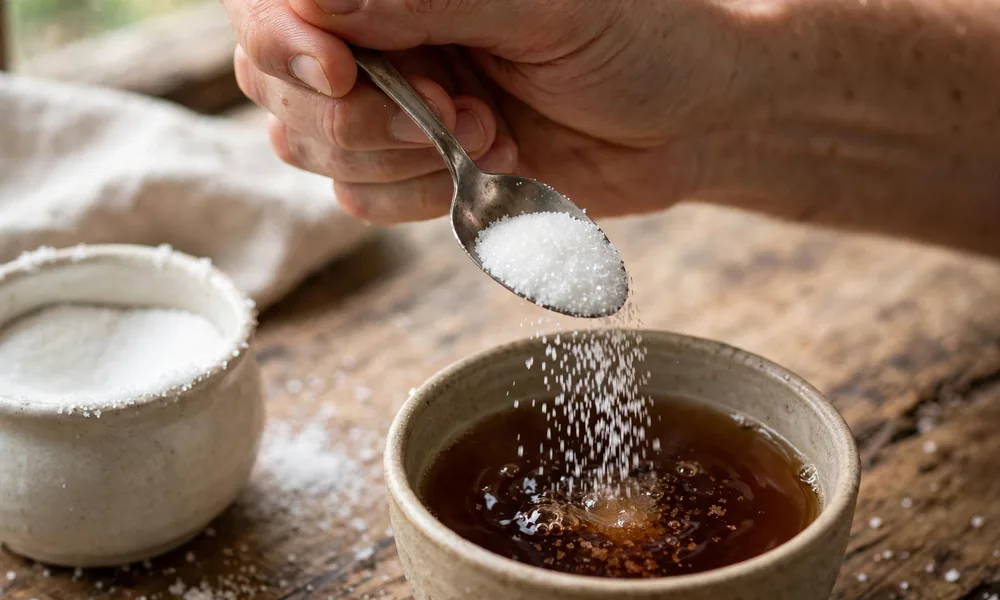
What Makes a Sugar Bowl Worth Buying
The sugar bowl is one of the smallest items on the table, yet it is handled at almost every hot drink. A poor one announces itself quickly: a lid that slides off, a spoon with nowhere to sit, sugar that clumps after a damp morning, or a bowl so light that it skids across the table. The best sugar bowls avoid all of that with a few quiet design choices that are easy to check before buying.
The lid is the whole point
An open dish of sugar is an invitation to dust, crumbs and the occasional fly, and it goes stale faster in a steamy kitchen. A lidded bowl keeps the contents clean and dry and stops sugar absorbing cooking smells. Look for a lid with some weight and a snug rim rather than one that merely balances on top. A lid with a notch for the spoon is a thoughtful touch: the spoon stays inside the bowl, the lid stays closed, and nobody has to lay a sugary spoon on the tablecloth. Avoid loose, rattling lids: they end up left off altogether.
Size and shape for real tables
Most households do best with a bowl that holds about 250 to 350 grams of granulated sugar. That is enough for a week of teas and coffees for a family, yet the bowl stays small enough to sit beside the teapot without crowding the cups. Very small bowls need constant refilling, while oversized ones crowd a small table. A wide, low shape is easier to spoon from than a tall narrow one. For brown sugar or cubes, choose a wider bowl with room for tongs or fingers.
Materials compared
Porcelain is the classic choice for a reason: it is smooth, non-porous, easy to clean and neutral enough to match almost any tea set. Glazed stoneware is warmer and heavier, with a handmade feel, and it hides small chips better than white porcelain. Glass bowls let you see how much sugar is left, which is genuinely useful, but they show every fingerprint and water mark. Stainless steel is nearly indestructible and suits modern kitchens, though it can look cold beside a ceramic teapot and warms up next to a hot pot. Wooden bowls look beautiful but sugar dust works into the grain and they cannot go in the dishwasher.

The Best Sugar Bowls of 2026
We judged each style on lid fit, stability, ease of spooning, cleaning and how tidy it keeps the table over weeks of daily use. The winners below are types to look for rather than single models, since good versions of each are made by many kitchenware makers and the design matters more than the label.
1. Classic porcelain lidded bowl
The classic white porcelain bowl with a knob lid and a matching spoon remains the best all-rounder. It matches most tea sets, washes clean in the dishwasher, and its weight keeps it planted on the table. Choose one with a lid notch for the spoon and a base too wide to tip. Its only weakness is chipping if dropped, so households with small children may prefer steel.
2. Glass bowl with a fitted lid
A clear glass bowl wins for visibility: you can see at a glance when it needs refilling, and it suits both white and brown sugar. Look for thick glass, a heavy sealing lid and a wide mouth. Glass is dishwasher safe and does not stain, though it shows fingerprints. It suits a table where the bowl is on display.
3. Glazed stoneware bowl
Stoneware brings warmth and weight to the table, and its slightly irregular glaze hides everyday marks. A stoneware bowl is heavier than porcelain, making it the most stable option, and it keeps sugar just as dry. It suits rustic tables well. Check the inside is fully glazed, since unglazed interiors trap moisture and stain.
4. Stainless steel lidded bowl
For busy family kitchens, stainless steel is hard to beat. It will not chip, crack or stain, it goes in the dishwasher, and a brushed finish hides fingerprints far better than a polished one. The best steel bowls have a weighted base and a lid with a spoon slot. They suit modern kitchens best and can feel out of place beside traditional china.
5. Small lidded bowl with a spoon rest
Some of the tidiest bowls are small ones designed around the spoon. A built-in rest or a lid that holds the spoon upright means the spoon never touches the table, which is the single biggest source of sticky rings on a tablecloth. They hold less sugar, so they suit couples and small households, or serve as a second bowl for the dining table. They are also the easiest to carry outdoors.
Comparison Table
| Sugar bowl style | Material | Capacity | Lid fit | Dishwasher safe | Best for |
|---|---|---|---|---|---|
| Classic porcelain lidded bowl | Porcelain | 250–350 g | Snug, notched for spoon | Yes | Everyday tea and coffee tables |
| Glass bowl with fitted lid | Thick glass | 250–300 g | Heavy, well sealed | Yes | Seeing the sugar level at a glance |
| Glazed stoneware bowl | Stoneware | 300–400 g | Snug, weighted | Yes | Rustic tables and maximum stability |
| Stainless steel lidded bowl | Brushed steel | 250–350 g | Snug, spoon slot | Yes | Busy family kitchens |
| Small bowl with spoon rest | Porcelain or stoneware | 150–200 g | Snug | Yes | Small households and tidy serving |
How to Choose the Right Sugar Bowl
Start with the table it will live on: porcelain for a formal tea set, steel or glass for a modern kitchen, stoneware for a rustic table. Then pick the bowl up, feel its weight, lift the lid and check it sits back with a reassuring fit, and see whether a normal teaspoon fits the lid notch without clattering. If you use sugar cubes or brown sugar, a wider mouth matters more than capacity. If the bowl will be washed daily, confirm it is dishwasher safe and that the lid has no unglazed crevices where water can sit.
Think about where the spoon will live: inside the bowl under a notched lid, or on a built-in rest. A bowl with no spoon solution will leave sticky marks, however beautiful it is. For more ideas on setting a tidy table for hot drinks, see our guide to the best ramekins for baking and serving, which covers matching serving pieces, and our look at the best espresso cups for home, which pairs cup sizes with the right tableware. If you are building a whole coffee routine, our guide to why a great cappuccino is worth making at home explains how the small details add up.
Keeping sugar fresh and the bowl clean
Sugar keeps almost indefinitely if it stays dry, but a damp spoon is its enemy: one wet spoonful can seed clumps through the bowl. Keep a dry spoon in the bowl, refill from a sealed jar, wash weekly with warm soapy water, dry fully before refilling, and check the lid rim for sugar dust. If sugar does clump, tip it into a dry container and break the lumps with a fork rather than adding water. Hardened brown sugar softens if left overnight in a sealed container with a small piece of bread, removed before refilling.
Common Mistakes to Avoid
The most common mistake is buying for looks alone: a hand-painted bowl with no lid, or a lid that does not fit, will live in a cupboard while a jam jar does the work. The second is size: too small means constant refilling, too large leaves sugar sitting for months. The third is forgetting the spoon: a beautiful bowl with a spoon balanced on its rim still leaves a sticky trail. Finally, avoid unglazed interiors and wooden bowls if you want easy cleaning, since sugar dust and moisture work into porous surfaces.
Sugar Bowl Buying Checklist
- Lid fits snugly and stays put when the bowl is moved, with a notch or slot for the spoon.
- Base is wide and heavy enough that the bowl cannot be tipped by a sleeve or a bump.
- Capacity of roughly 250 to 350 grams suits a family table without constant refilling.
- Mouth is wide enough for a teaspoon, sugar cubes or tongs without spilling over the rim.
- Interior is smooth and fully glazed, or made of glass or steel, so it washes clean easily.
- Bowl and lid are dishwasher safe, and the style matches the rest of your tea and coffee ware.
Frequently Asked Questions
How much sugar should a sugar bowl hold?
About 250 to 350 grams suits most family tables, roughly a week of teas and coffees. Smaller households can manage with 150 to 200 grams; large households or frequent entertainers may want 400 grams or a second bowl.
Should a sugar bowl have a lid?
Yes, in almost every case. A lid keeps dust, crumbs and moisture out, keeps sugar fresh longer, and prevents spills if the bowl is knocked. The only exception is a bowl used for one meal and washed straight after.
What is the best material for a sugar bowl?
Porcelain is the best all-rounder, combining easy cleaning with a classic look. Glass is best for seeing the sugar level, stoneware for stability and warmth, steel for durability in busy kitchens.
Can sugar bowls go in the dishwasher?
Most porcelain, glass, stoneware and steel bowls can, but check the maker first; hand-painted, gilded or wooden bowls usually cannot.
How do I stop sugar from clumping in the bowl?
Keep the sugar dry and use a dry spoon every time. Store the refill jar sealed, wash and dry the bowl fully before refilling, and keep it away from steam, such as beside a boiling kettle. A well-fitting lid does most of the work.
Is a sugar bowl with a spoon rest worth it?
Yes, if a tidy table matters to you. A built-in rest or notched lid keeps the spoon off the tablecloth, removing the most common source of sticky rings. It is a small feature that makes a daily difference.
The Bottom Line
The best sugar bowl is the one that stays on the table and gets used every day: a snug lid, a stable base, a home for the spoon and a material that washes clean without fuss. For most households that means classic porcelain, with glass for visibility, stoneware for warmth and stability, or steel for the toughest daily use. Match the size to your household, check the lid before you buy, and the smallest item on the table will quietly keep it tidy.


