
Crepes vs Pancakes: How to Find the Best Crepes in 2026
The best crepes in 2026 are thin enough to see light through, golden at the edges, tender in the middle, and strong enough to hold a filling without tearing. They are the French cousin of the pancake, made from almost the same ingredients, yet they eat like a completely different dish. Where a pancake is thick, fluffy, and built for syrup, a crepe is delicate, flexible, and built for folding around whatever you love most. The comparison is not really a contest, because each one does a different job, but if you want the thin, elegant end of breakfast, crepes win.
This guide compares crepes and pancakes properly, explains what makes a great crepe, covers sweet and savoury fillings, and shows how to cook them at home without a special pan or years of practice. It also draws a clear line from the pancakes already covered on this site, because the two dishes deserve their own space. A crepe is not a flat pancake, and a pancake is not a thick crepe; they are neighbours, not twins.
5 Key Takeaways
- Crepes are thin, flexible French pancakes with no raising agent; pancakes are thick, fluffy, and risen.
- A great crepe is golden at the edges, tender in the middle, and strong enough to fold.
- Rest the batter for at least 30 minutes for a smoother, less rubbery result.
- Sweet crepes suit fruit, chocolate, and cream; savoury crepes suit ham, cheese, egg, and mushrooms.
- A flat pan and a thin, even pour matter more than an expensive crepe maker.
Crepes vs Pancakes: The Real Difference
The simplest way to tell them apart is thickness. A crepe is usually one to two millimetres thick, thin enough to fold, roll, or wrap around a filling. A pancake is ten to fifteen millimetres thick, soft and spongy, and eaten in a stack with a fork. That difference changes everything about how they are served: crepes are folded into triangles or rolled into tubes, while pancakes are stacked and cut. It also changes the eating experience, because a crepe delivers filling and wrapper in every bite, while a pancake delivers mostly itself, with toppings on top.
Thin French Crepes vs Fluffy American Pancakes
The contrast is sharpest when you compare a classic French crepe with a classic American pancake. The French crepe, cooked in Brittany for centuries, is a thin disc made on a hot, flat surface, often with buckwheat flour for savoury galettes and white flour for sweet crepes. The American pancake, descended from Dutch and English griddle cakes, is a thick, fluffy disc cooked on a griddle, usually served in a stack with butter and maple syrup.
Serving style underlines the difference. Crepes are filled and folded, so the filling is inside the bite; pancakes are topped, so the topping sits on top and soaks in. A crepe with ham and cheese is a complete light lunch, while a pancake with ham and cheese would be an oddity. A pancake with syrup is a classic, while a crepe with syrup alone would feel unfinished, because a crepe wants a filling, not just a topping. Our full comparison of the best vs worst pancakes in 2026 covers the pancake side in detail, and it is worth reading if you want to judge both dishes fairly rather than picking a side blind.
What Makes a Great Crepe
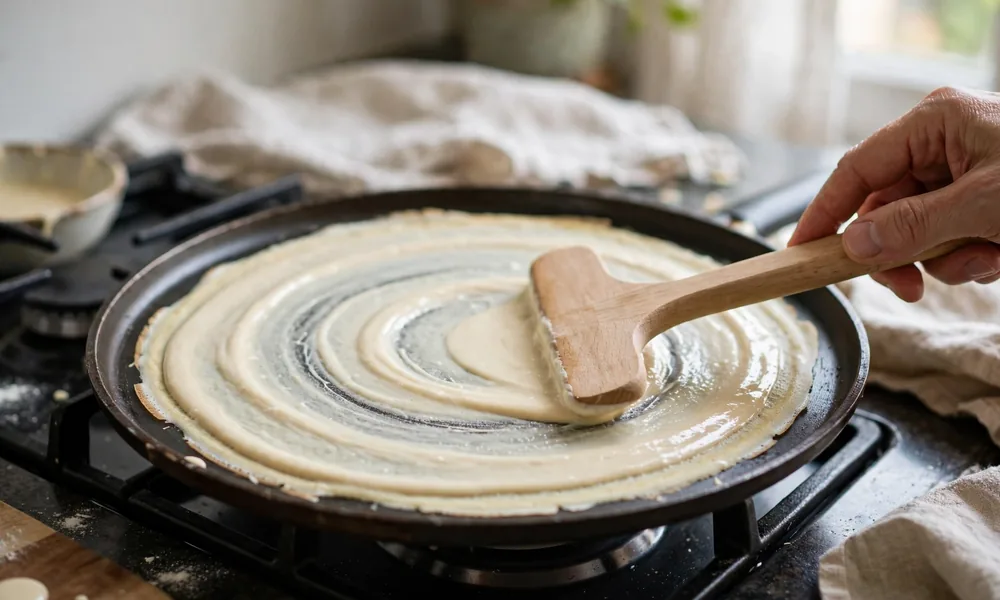
A great crepe starts with the batter, and the batter starts with rest. Thirty minutes is the minimum, and an hour is better, because resting lets the flour absorb the liquid fully and the gluten relax, which keeps the crepe tender rather than rubbery. The batter should coat the back of a spoon in a thin, even layer and pour in a steady stream. If it is too thick, it will not spread thinly enough; if it is too thin, it will tear. Add milk a tablespoon at a time until it feels right.
Heat is the second skill. The pan should be hot enough that the batter sizzles gently on contact, but not so hot that it sets before you can swirl it. A medium to medium-high heat, with a lightly buttered pan, is the usual starting point. Pour a small ladle of batter into the centre, then tilt and swirl the pan immediately so the batter spreads in a thin, even circle. The first crepe is almost always a test piece, and even experienced cooks eat it standing at the stove.
Sweet Crepes: Fillings That Work
Chocolate is a natural partner, but it needs restraint. A thin spread of chocolate hazelnut spread, or a little melted dark chocolate, is enough; a thick layer turns the crepe heavy and hides its flavour. Fruit works best when it is fresh or lightly cooked, because raw fruit adds juice and brightness, while stewed fruit adds warmth and softness. Whipped cream should be lightly sweetened and used sparingly, so it supports the filling rather than drowning it.
Toppings deserve the same care as fillings. Maple syrup is a classic pancake topping, but on a crepe it can overpower the delicate flavour, so use it lightly if you use it at all. Our notes on the best maple syrup in 2026 explain which grades taste best and which ones are worth the price, and the darker, more flavourful grades suit crepes better than the palest ones, because a little goes further. Icing sugar, toasted nuts, and a few fresh berries are often all a good sweet crepe needs.
Savoury Crepes: A Light Lunch
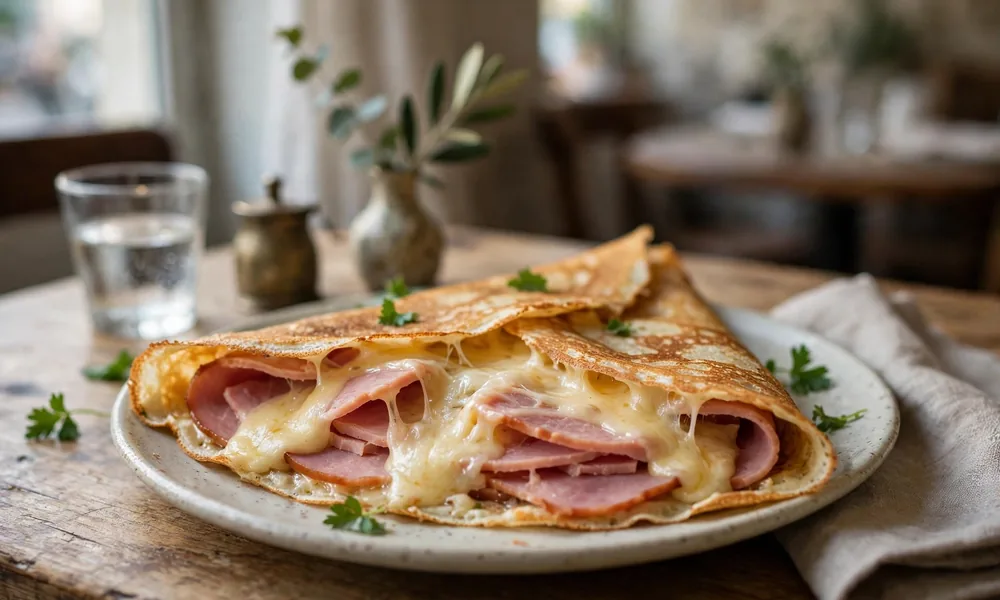
Savoury crepes are less familiar outside France, but they are just as good, and they turn a breakfast dish into a light lunch or a simple supper. The classic combination is ham and cheese, usually Gruyere or Emmental, with the cheese melted and the ham folded inside. Add a fried egg and you have a complete meal, with the yolk running into the filling as you cut into it. Mushrooms, cooked with garlic and a little cream, are another excellent filling, especially with a handful of fresh herbs.
Crepes vs Pancakes Compared
| Feature | Crepes | Pancakes |
|---|---|---|
| Thickness | 1 to 2 mm, paper thin | 10 to 15 mm, thick |
| Raising agent | None | Baking powder |
| Batter | Thin, like cream | Thick, like batter |
| Texture | Tender, flexible, crisp edges | Soft, fluffy, spongy |
| Served | Folded or rolled, filled | Stacked, topped |
| Best for | Light meals, elegant breakfasts | Hearty breakfasts, comfort food |
| Cooking time | 1 to 2 minutes per side | 2 to 3 minutes per side |
Cooking Crepes at Home
You do not need a special crepe maker to make good crepes at home. A flat, heavy frying pan with low sides works well, and a non-stick pan makes the first attempts much easier. The key is a pan that heats evenly and releases cleanly, because a crepe that sticks will tear, and a torn crepe is hard to rescue. A dedicated crepe pan is a worthwhile purchase if you make them often, and our guide to the crepe pans that make thin, even crepes in 2026 covers the ones that heat evenly and release cleanly without costing a fortune.
Start with a simple batter: flour, eggs, milk, a pinch of salt, a little sugar for sweet crepes, and a tablespoon of melted butter. Whisk it until smooth, then rest it for at least thirty minutes. Heat the pan over medium heat, brush it lightly with butter, and pour in a small ladle of batter, swirling immediately. Cook until the edges lift and the underside is golden, then flip and cook the second side briefly. Stack the finished crepes on a plate under a clean tea towel to keep them warm and soft.

Storing and Reheating Crepes
Crepes keep well, which makes them useful for planning ahead. Cooked crepes can be stacked with a sheet of baking paper between each one, wrapped in cling film, and kept in the fridge for two to three days. They reheat gently in a dry pan for thirty seconds a side, or in the microwave for a few seconds under a damp cloth. Do not reheat them in the oven, which dries them out, and do not stack them hot without paper between them, because they will stick together.
Choosing Crepes When You Eat Out
At a cafe or crepe stand, judge the crepe by the same standards you would use at home. It should be cooked to order, golden at the edges, and filled after cooking rather than reheated with the filling inside. A good crepe stand cooks each one fresh on a hot plate, spreads the batter thinly with a wooden tool, and folds it while it is still warm. If the crepes are pre-made and reheated, they will be softer and less crisp at the edges, and the filling will not taste as fresh.
Your Crepes Checklist
- Rest the batter for at least 30 minutes before cooking.
- Use a flat, evenly heated pan, lightly buttered.
- Pour a small ladle and swirl immediately for a thin, even layer.
- Flip when the edges lift and the underside is golden.
- Fill lightly so the crepe folds without tearing.
- Serve warm, straight from the pan, for the best texture.
Frequently Asked Questions
Are crepes just thin pancakes?
They share ingredients, but they are different dishes. Crepes have no raising agent, a thin batter, and a flexible texture built for folding around fillings, while pancakes have baking powder, a thick batter, and a fluffy texture built for stacking and topping.
Do I need a special pan to make crepes?
No. A flat, heavy frying pan with low sides works well, and a non-stick pan makes the first attempts easier. A dedicated crepe pan helps if you make them often, because it heats evenly and releases cleanly, but it is not essential.
Why are my crepes rubbery?
Rubbery crepes usually come from batter that was not rested, or from overmixing, which develops too much gluten. Rest the batter for at least 30 minutes, whisk it only until smooth, and cook it on a properly heated pan rather than a cool one.
Can I make crepe batter ahead of time?
Yes. Batter keeps in the fridge for up to two days, covered, and it often improves with the extra rest. Stir it gently before use and thin it with a splash of milk if it has thickened while sitting.
What is the difference between a crepe and a galette?
A galette is a savoury crepe made with buckwheat flour, traditionally from Brittany in France. It has a nuttier, earthier flavour and a more robust texture than a white flour crepe, which makes it better suited to savoury fillings like ham, cheese, and egg.
Are crepes healthier than pancakes?
A plain crepe is usually lighter than a plain pancake because it is thinner and uses less batter per serving, but the filling decides the final result. A crepe filled with fresh fruit is light; one filled with chocolate, cream, and ice cream is not. Judge the whole plate, not just the wrapper.
The Bottom Line
Crepes vs pancakes is not a contest with a single winner, but if you want thin, elegant, and filled, crepes are the better dish. Look for a golden edge, a tender middle, and a filling that complements rather than overwhelms the wrapper, and rest your batter before you cook. Pancakes will always have their place on a slow, hungry morning, but a well-made crepe, folded warm around fresh berries or ham and cheese, is one of the simplest pleasures in breakfast, and it is worth learning to make at home.


