
Best Dill for Pickles, Fish and Fresh Salads in 2026
The best dill for pickles, fish and fresh salads in 2026 is the dill that still smells like dill when you open the packet. Fresh dill should smell grassy and slightly sweet, with a clean aniseed edge that fills the kitchen the moment you chop it. This guide explains which form of dill suits which job, how to tell a fresh bunch from a tired one, and how to store it so the flavour lasts.
Key takeaways
- Fresh dill weed is the best all-round choice for fish and salads, because its flavour is bright, grassy and clean.
- Dill seed is a different ingredient from dill weed, with a warm, caraway-like flavour that belongs in pickling brine, not sprinkled over a salad.
- Use about three times as much fresh dill as dried.
- Add fresh dill at the end of cooking, not the start, because long heat turns its bright flavour dull and grey.
- Buy small, feathery bunches with no yellowing and no slime, and store them standing in water in the fridge.
What dill actually is
Dill is a feathery annual herb in the same family as parsley, celery and carrots, and almost every part of the plant is used in cooking, though never interchangeably. Dill weed is the soft, feathery leaf, the part most people mean when they say dill. It is grassy and fresh, with a faint sweetness and a whisper of aniseed, and it belongs on fish, in salads and stirred into yoghurt. Dill seed is the small, flat, oval seed from the flower heads, and it tastes warmer and earthier, closer to caraway than to the leaf. It belongs in pickling brine, bread and long-cooked dishes.

Comparison table: the best dill in 2026
| Rank | Form | Best for | Watch out for |
|---|---|---|---|
| 1 | Fresh dill weed | Fish, salads, yoghurt dips | Wilts within days if stored loose |
| 2 | Dill seed | Pickling brine, bread, potatoes | Wrong in salads; tastes of caraway |
| 3 | Freeze-dried dill | Everyday cooking, dressings | Costs more; check the pack date |
| 4 | Frozen dill | Soups, sauces, cooked fish | Goes limp; never use raw in salads |
| 5 | Dried dill weed | Long cooking, rubs, marinades | Fades fast once the jar is open |
| 6 | Dill flower heads | Pickling whole cucumbers | Hard to find; short season |
| 7 | Home-grown dill | Cut-and-come-again freshness | Bolts in hot weather; sow in succession |
The best dill for every job
1. Fresh dill weed: the best all-round dill
Fresh dill weed is the form to buy first, because it does the most jobs and does them best. Look for bunches with fine, feathery fronds in a deep green, with stems that feel firm rather than floppy. Avoid bunches with yellowing tips, brown stems, slimy leaves or a sour smell, all of which mean the dill is past its best. Use it generously: a small bunch of about twenty grams suits a family-sized salad or a whole side of salmon. Chop it finely with a sharp knife rather than tearing it, which bruises the fronds, and add it at the very end of cooking.
2. Dill seed: the best dill for pickles
Dill seed is the backbone of pickling, and it is a different ingredient from the leaf in every way that matters. The seeds are small, tan and ridged, and they taste warm, slightly bitter and distinctly of caraway, with only a hint of the fresh leaf behind them. Buy whole seed, not ground, because ground seed loses its flavour within weeks and tastes dusty rather than warm. Use about a teaspoon per jar of pickles, along with garlic, mustard seed and peppercorns, and let the jar sit for at least a week before opening. Our guide to the best pickles for crunch, brine and bold flavour explains how the brine, the cucumber and the timing matter just as much as the seed itself.
3. Freeze-dried dill: the best dried dill
Freeze-dried dill is the closest dried form to fresh, and it is the one to buy if you cook with dill often but cannot always find a fresh bunch. The fronds are frozen and then dried under vacuum, which keeps their shape, colour and much of their fresh flavour, unlike air-dried dill, which turns dull and hay-like. Use it in dressings, dips, potato salad and sauces, where it has a little moisture to wake it up. It costs two or three times as much as ordinary dried dill, but a little goes a long way.
4. Frozen dill: the best dill for cooking
Frozen dill is the practical choice for cooked dishes, and it beats dried dill in any recipe where the dill goes into a hot pan or a simmering pot. Stir it into soups, stews, fish pies and cream sauces in the last few minutes of cooking, where the heat thaws it instantly and the flavour spreads through the dish. Do not use frozen dill raw. Once thawed it goes limp and watery, and it looks sad scattered over a salad or a piece of fish.
5. Dried dill weed: the best dill for the spice shelf
Dried dill weed is the form most people already own, and it has a real place in the kitchen, provided you know its limits. It is the feathery leaf, air-dried and crumbled, and it tastes of dill in a quieter, flatter way, with the fresh green top notes gone and a slightly hay-like edge left behind. Buy it in small jars and replace it every six months, because the flavour fades steadily once the jar is open. Use about a third as much dried as you would fresh, and add it earlier in the cooking than fresh dill, so it has time to wake up.
6. Dill flower heads: the best dill for whole pickled cucumbers
Dill flower heads are the flat, yellow-green umbrellas of tiny flowers that top a mature dill plant, and they are the traditional choice for pickling whole cucumbers. A head or two tucked into each jar flavours the brine slowly and evenly as the pickles mature, giving a deeper, more rounded dill flavour than seed alone. Farmers markets are the best source, or grow your own and cut the heads just as the flowers open. If you cannot find heads, a teaspoon of seed per jar is the practical substitute.
7. Home-grown dill: the freshest dill of all
Growing your own dill is the simplest way to always have fresh dill, and it is one of the easiest herbs to grow. Sow seed directly where it will grow, in a sunny spot with well-drained soil, because dill dislikes being transplanted. Cut the feathery leaves as you need them, taking the outer stems first, and the plant will keep producing for weeks. Dill bolts, meaning it rushes to flower and seed, in hot, dry weather, so water it regularly and pick it often, which delays flowering.
Dill for fish: how to use it well
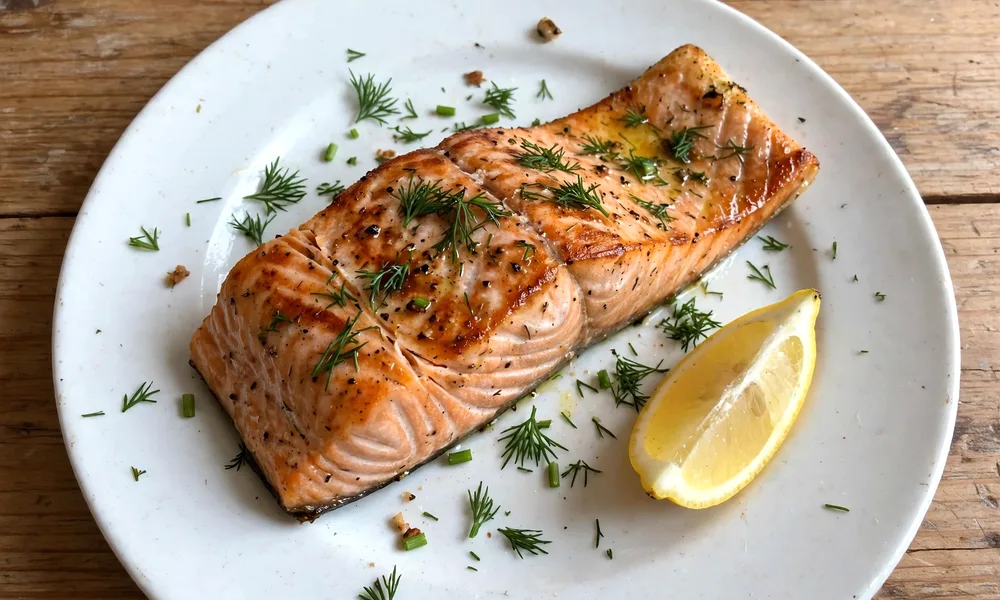
Dill and fish are a classic pairing for a reason. The herb’s fresh, grassy flavour cuts through the richness of oily fish like salmon, trout and mackerel, and it lifts lean white fish without overwhelming it. For grilled or baked salmon, scatter chopped dill over the fillet in the last minute of cooking, or serve it at the table so each person can add their own. Stir it into yoghurt with lemon and a little garlic for a sauce that suits almost any white fish,
Dill for fresh salads: how to use it well
In salads, dill adds flavour and makes the whole bowl look fresher, because the fine green fronds catch the light in a way flat leaves do not. It suits cucumber above all, where the cool crunch and the grassy herb are a natural match, and it works just as well with new potatoes, tomatoes, green beans and grated carrot. The classic dill dressing is yoghurt or soured cream with chopped dill, lemon juice, a little garlic and salt. Dill is also the herb that makes tzatziki taste like tzatziki, and our guide to tzatziki that tastes like the real Greek one explains why the herb must be fresh, never dried, for the dip to work.

How to store dill so it lasts
Fresh dill keeps longest standing in water, like flowers in a vase. Trim the stem ends, stand the bunch in a jar with a few centimetres of water, cover the leaves loosely with a bag, and put the whole thing in the fridge. Change the water every two or three days, and the dill will stay fresh for ten days to two weeks, against three or four days loose in a bag. For more on keeping cut herbs crisp, our guide to the best herb keepers that keep fresh herbs crisp for weeks covers the containers and the water-changing routine in detail.
What to avoid when buying dill
The most common dill mistake is buying a bunch that is already dying. Yellowing tips, brown stems, slimy leaves and a sour smell all mean the dill is past saving, and no amount of trimming will bring the flavour back. The third mistake is using dill seed where dill weed belongs, or the other way round: seed in a salad tastes of caraway and confuses the dish, while weed in a pickling brine goes soft and adds almost nothing.
Checklist: buying and using dill
- Smell the bunch before you buy it: fresh dill should smell grassy and sweet from a few inches away.
- Check for deep green, feathery fronds with no yellowing, browning or slime on the stems.
- Match the form to the job: fresh weed for fish and salads, seed for pickling, frozen for cooking.
- Use three times as much fresh dill as dried, and add fresh dill at the end of cooking.
- Store fresh dill standing in water in the fridge, and change the water every two or three days.
- Replace dried dill every six months.
Frequently asked questions
Is fresh dill better than dried dill?
For fish, salads and dips, yes, fresh dill is clearly better, because its flavour is brighter and greener.
What is the difference between dill weed and dill seed?
Dill weed is the feathery leaf, grassy and fresh, used on fish, in salads and in dips. Dill seed is the small seed from the flower heads, warm and caraway-like, used in pickling brine, bread and long cooking. They are different ingredients and cannot be swapped spoon for spoon.
How much dill should I use?
As a rule, use one tablespoon of chopped fresh dill where a recipe calls for one teaspoon of dried, because drying concentrates the flavour but loses the fresh notes.
Can I freeze fresh dill?
Yes. Chop it, pack it into ice-cube trays with a little water or oil, freeze, then store the cubes in a bag for up to three months. Use the cubes in soups, sauces and cooked fish, not raw, because thawed dill goes limp.
How long does fresh dill last in the fridge?
Standing in a jar of water with the leaves loosely covered, fresh dill keeps for ten days to two weeks. Loose in a bag it lasts three or four days. Change the water every two or three days and trim the stem ends weekly.
Does dill go with anything besides fish?
Yes. Dill suits cucumber, new potatoes, eggs, yoghurt, soft cheese, chicken and cabbage, and it is the classic herb in tzatziki, potato salad and pickled cucumbers.
Bottom line
The best dill for pickles, fish and fresh salads in 2026 is fresh dill weed bought by smell, used generously and added late, with dill seed kept for the pickling jar where its warm, caraway-like flavour belongs. Buy small bunches with deep green fronds, store them standing in water, and replace dried jars every six months.


