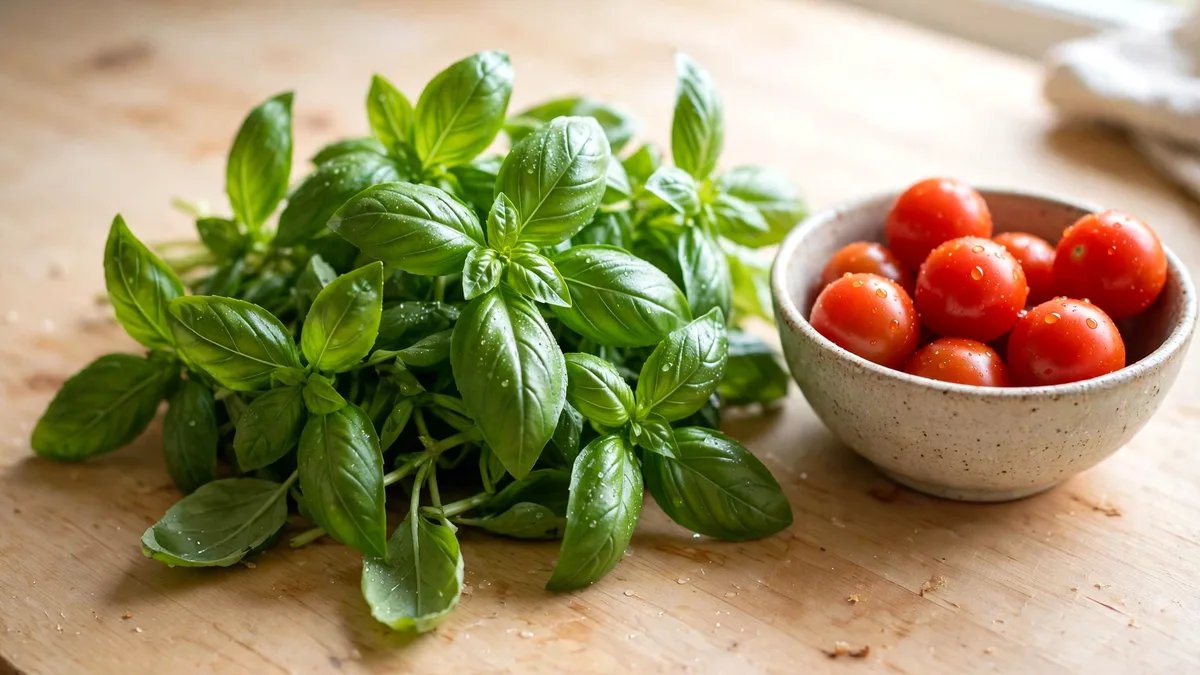
The best herb keepers in 2026 are the ones that turn a bunch of parsley from a three-day countdown into two weeks of fresh flavour. A herb keeper is a ventilated storage container that keeps fresh cut herbs crisp in the fridge: stems standing in a little water, leaves protected from drying air and crushing, and just enough airflow to stop mould. It is a small, cheap piece of kitchen kit, and it pays for itself the first time you stop throwing away a wilted bunch of basil you bought on Saturday and needed on Wednesday.
It helps to be clear about what a herb keeper is not. It is not a herb garden, which grows living plants on a windowsill or countertop. It is not herb scissors, which cut herbs, and it is not a spice jar, which stores dried spices. It is also not a garlic keeper, a dark ventilated pot for whole garlic bulbs. A herb keeper stores cut herbs you have already bought or picked, and its job is to slow the wilting that starts the moment a stem is cut.
Key Takeaways
What a Herb Keeper Actually Is
A herb keeper is a tall, narrow container, usually clear plastic or glass, with a base that holds a little water and a lid or vents that control airflow. You trim the stems, stand them in the water like flowers in a vase, and put the whole thing in the fridge. The water keeps the stems hydrated, the container stops the leaves being crushed, and the vents let just enough air through to stop mould. The best designs add a basket that lifts the herbs out for easy access.
It works because cut herbs wilt for two reasons at once: they lose water through their leaves, and their cut stems seal up and stop drinking. Standing the stems in water solves the second problem, and the container solves the first by sheltering the leaves from the dry, circulating air of a fridge, which is designed to pull moisture out of food. A damp paper towel wrapped around a bunch helps for a day or two, but it dries out, gets soggy, and bruises the leaves. A keeper does the same job properly, for weeks, and it takes up no more space than a milk carton.
The Main Types of Herb Keepers
Water-based keepers are the classic design: a tall container with a water reservoir at the bottom and a vented lid. They suit soft, leafy herbs best, the ones with tender stems and lots of leaf surface: parsley, basil, mint, dill, chives and coriander. These are the herbs that wilt fastest, and a water-based keeper with a removable basket is the single best upgrade for anyone who cooks with them regularly.
Basket and tray keepers are shallower, ventilated boxes with a draining tray underneath, and they suit herbs that prefer to stay dry. Woody herbs like rosemary and thyme have tough stems and needle-like leaves that rot quickly in water, and they last longer in a dry, aired container lined with a paper towel. These keepers also work well for salad leaves and for herbs you have already chopped, and their flat shape fits neatly on a fridge shelf where a tall keeper will not.

Which Herbs Last Longest in a Keeper
Parsley is the star of the herb keeper. Flat-leaf and curly parsley both last two to three weeks standing in water in the fridge, holding their colour and flavour far longer than any other common herb. It is also the herb most people buy most often, which makes the keeper most useful for it. Trim the stems, change the water every few days, and a single bunch can see you through a fortnight of cooking.
Basil is the exception to almost every rule. It hates the cold, and in a fridge it goes black and limp within days, keeper or not. Basil keeps best at room temperature, standing in water on a countertop away from direct sun, where it can last a week or more. If you must refrigerate it, keep it in a keeper with the vents open and the water fresh, and use it as quickly as you can. Coriander is similarly fussy, lasting about a week in a keeper, and it benefits from the same treatment as parsley: trimmed stems, fresh water, and a loose cover over the leaves.
Woody herbs are the other exception. Rosemary, thyme and sage have low moisture needs and tough leaves, and they last longest in a dry, ventilated container, or simply wrapped loosely in a paper towel in the fridge. Standing them in water makes them rot. If your cooking uses mostly woody herbs, a shallow basket keeper will serve you better than a tall water-based one, and you may not need a water reservoir at all.
Herb Keepers Compared
| Type | Best for | Storage | Lasts | Watch out for |
|---|---|---|---|---|
| Water-based, tall | Parsley, mint, dill, chives | Fridge, stems in water | 2-3 weeks | Water goes stale if not changed |
| Water-based, glass | All soft herbs | Fridge or counter | 2-3 weeks | Heavy and breakable |
| Basket and tray | Rosemary, thyme, sage | Fridge, dry | 2-3 weeks | Soft herbs wilt without water |
| Countertop keeper | Basil | Room temperature | About a week | Needs light, hates the cold |
| Multi-compartment | Several herbs at once | Fridge, stems in water | 1-2 weeks | Compartments can be too small |
How to Use a Herb Keeper Properly
Start by trimming the stems. Cut about a centimetre off the ends with a sharp knife or scissors, at a slight angle, which opens up the stem so it can drink. Remove any leaves that would sit below the waterline, because submerged leaves rot and foul the water within a day. Rinse the herbs gently and shake off the excess water, then stand them in the keeper with enough water to cover the stem ends by a few centimetres, and no more.
Change the water every two or three days. This is the single most important habit, and the one most people skip. Stale water grows bacteria, the bacteria block the stems, and the herbs wilt even though they are standing in water. Fresh water and a quick rinse of the container will keep a bunch going far longer than any feature of the keeper itself.
Keep the lid on but the vents open. The lid protects the leaves from being crushed and from drying air, but a fully sealed container traps moisture and grows mould, especially on delicate herbs like dill and coriander. Most keepers have adjustable vents: open them for herbs that need air, and close them a little for herbs that dry out quickly.
Common Mistakes to Avoid
The most common mistake is putting the wrong herb in the wrong keeper. Basil in a cold fridge keeper goes black. Rosemary standing in water goes slimy. Both failures get blamed on the keeper, when the real problem is that different herbs want different storage. Learn which of your herbs are soft and which are woody, and store them accordingly, and the keeper will do what it is supposed to do.
The second mistake is forgetting the water. A keeper with stale, cloudy water is worse than no keeper at all, because the bacteria in it block the stems and the herbs wilt faster than they would loose in the fridge. Set a reminder if you need one: change the water when you put the shopping away, or every time you take the herbs out to cook. It takes thirty seconds, and it is the difference between two weeks and four days.

Herb Keepers and the Rest of the Kitchen
A herb keeper works best as part of a small set of storage that treats fresh and dried flavourings differently. Dried spices belong in spice jars with airtight seals, kept in a dark cupboard, because light and air are what fade them. Whole garlic bulbs belong in a garlic keeper, a dark ventilated pot that keeps them dry and aired. And when it is time to use your fresh herbs, a good pair of herb scissors snips them cleanly over the pan without bruising the leaves.
Checklist: Buying a Herb Keeper
Frequently Asked Questions
How long do herbs last in a herb keeper?
Parsley, mint and chives last two to three weeks, dill and coriander about a week to ten days, and basil about a week at room temperature. Changing the water every two or three days is what makes the long end of those ranges possible.
Should basil go in the fridge or on the counter?
On the counter. Basil hates the cold and goes black in the fridge, even in a keeper. Stand it in water at room temperature, away from direct sun, and it will last about a week.
Can I store different herbs in one keeper?
You can, but only herbs with similar needs: soft herbs together in water, woody herbs together dry. Mixing rosemary into a water-based keeper will make it rot. A multi-compartment keeper is the tidy way to store several herbs at once.
Do I need to change the water?
Yes, every two or three days. Stale water grows bacteria that block the stems, and the herbs wilt even though they are standing in water. Rinse the container and refill with fresh water: it takes thirty seconds and doubles how long the herbs last.
Are glass herb keepers better than plastic?
Glass does not stain or hold smells, and it shows the water level clearly, but it is heavy and breakable. Good clear plastic is lighter, cheaper and safer, and it does the same job.
Can I keep herbs in a keeper without water?
Woody herbs like rosemary, thyme and sage prefer dry storage in a ventilated container, and they last two to three weeks that way. Soft herbs need water, and without it they wilt in days.
The Bottom Line
A herb keeper is a small, cheap container that does one job well: it keeps cut herbs crisp in the fridge for weeks instead of days. Match the keeper to your herbs, change the water every few days, and give it a clear spot on the shelf. Do that, and the bunch of parsley you bought on Saturday will still be bright and fresh when you need it the following weekend.