Tzatziki that tastes like the real Greek one is cool, thick and quietly garlicky, with cucumber you can actually taste and yogurt that holds its shape on a spoon. It turns grilled meat, warm pita and vegetables into a proper meal, and when made well it needs nothing else beside it. Most tubs sold as tzatziki in 2026 fail that test: they are thin, sour in the wrong way, or so mild they could be anything white in a pot.
This guide explains what real tzatziki is, why so many versions go watery, and how to tell a good one from a poor one: the yogurt that gives it body, the cucumber step almost everyone skips, the garlic and herbs that should lead, and how to serve and store it so it stays fresh.
Key Takeaways
- Real tzatziki starts with thick strained Greek yogurt, not ordinary yogurt, because only strained yogurt gives the dip its body.
- Cucumber must be grated, salted and squeezed dry, or its water will thin the dip within an hour of making it.
- Garlic should be present but polite: one small clove per cup of yogurt is enough, and raw garlic grows stronger overnight.
- Dill is the classic herb, mint is the traditional alternative, and either one should taste fresh, never dried or dusty.
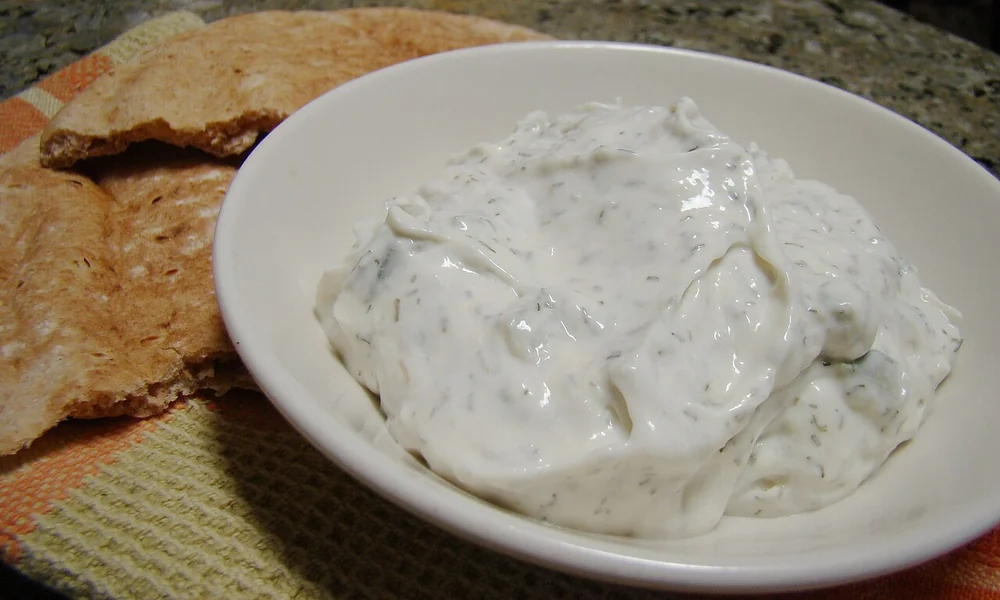
- Good tzatziki is thick enough to hold a swirl, pale with flecks of green, and finished with a thread of good olive oil.
What Tzatziki Actually Is
Tzatziki is a Greek dip made from strained yogurt, grated cucumber, garlic, olive oil and herbs, usually dill or mint, with a little lemon juice or vinegar and salt. It is served cold, most often as part of a meze spread with grilled meats, souvlaki and warm bread, and in Greece it is an everyday food, made in minutes and eaten the same day.
The name covers a family of yogurt and cucumber dips across the eastern Mediterranean, but the Greek version is the one most people mean: thick, white, garlicky and cool. It is not a sauce to pour or a dressing, but a dip substantial enough to scoop and light enough to eat with almost anything. Our guide to the best hummus covers its closest neighbour on the meze table, the chickpea dip that shares the same bread, the same plate and often the same meal.

Why Most Tzatziki Goes Watery
Tzatziki goes watery for two reasons, and they usually arrive together. The first is the yogurt: ordinary yogurt, even one labelled Greek style, is too thin, and it loosens further once the cucumber and salt go in. The second is the cucumber itself, which is more than ninety percent water. Grated cucumber left unsqueezed releases that water slowly into the bowl, so a dip that looked thick at lunchtime is a puddle by dinner.
The fix cannot be skipped: use yogurt strained until it stands on a spoon, and drain the cucumber properly — grate, salt, leave ten minutes, then squeeze hard in a clean cloth until almost no liquid comes out. A well-drained tzatziki stays thick for two or three days, while a wet one thins within the hour and never recovers.
The Yogurt Matters More Than Anything
Yogurt is the whole body of tzatziki, so it is where quality is decided. Real Greek yogurt is strained to remove whey, which makes it thick, rich and mildly tangy. Full-fat strained yogurt gives the best result: creamy without being heavy, it carries garlic and herbs well and does not weep in the fridge. Low-fat strained yogurt can work, but it is sharper and thinner, and needs more careful cucumber draining.
Avoid yogurt that is thin, sweet or full of thickeners: a tub listing starch, gelatine or gums is telling you the thickness is manufactured, not strained, and it will taste flat and gluey. Check for a short label — milk and cultures, ideally nothing else — and a protein content that suggests real straining. The guide to yogurt that actually tastes good explains how to read those labels and which styles are worth the price.
The Cucumber Step Nobody Should Skip
Cucumber gives tzatziki its freshness and crunch, but only if handled properly. The best cucumbers are firm, small and dense, with small seeds and thin skin; large watery ones make a wetter dip. Peel it or leave the skin on — peeled is smoother and more traditional, a little skin adds colour — then grate coarsely so the pieces keep some texture.
Salting is what makes draining work: toss the grated cucumber with a pinch of salt, leave it in a sieve for ten to fifteen minutes, then squeeze firmly to remove most of what remains. Taste it before it goes in — lightly salted, crisp and fresh, not limp or briny — and rinse briefly if it is too salty. This fifteen-minute step is the difference between tzatziki that tastes like the real Greek one and tzatziki that tastes like flavoured water.
Garlic, Herbs and Olive Oil
Garlic separates tzatziki from plain yogurt, and it is easy to get wrong either way: too little and the dip is bland, too much and it is harsh, especially the next day, as raw garlic strengthens while it sits. One small clove, grated or crushed to a paste with a pinch of salt, is enough for a cup of yogurt, and grating spreads it evenly so no single bite is fiery.
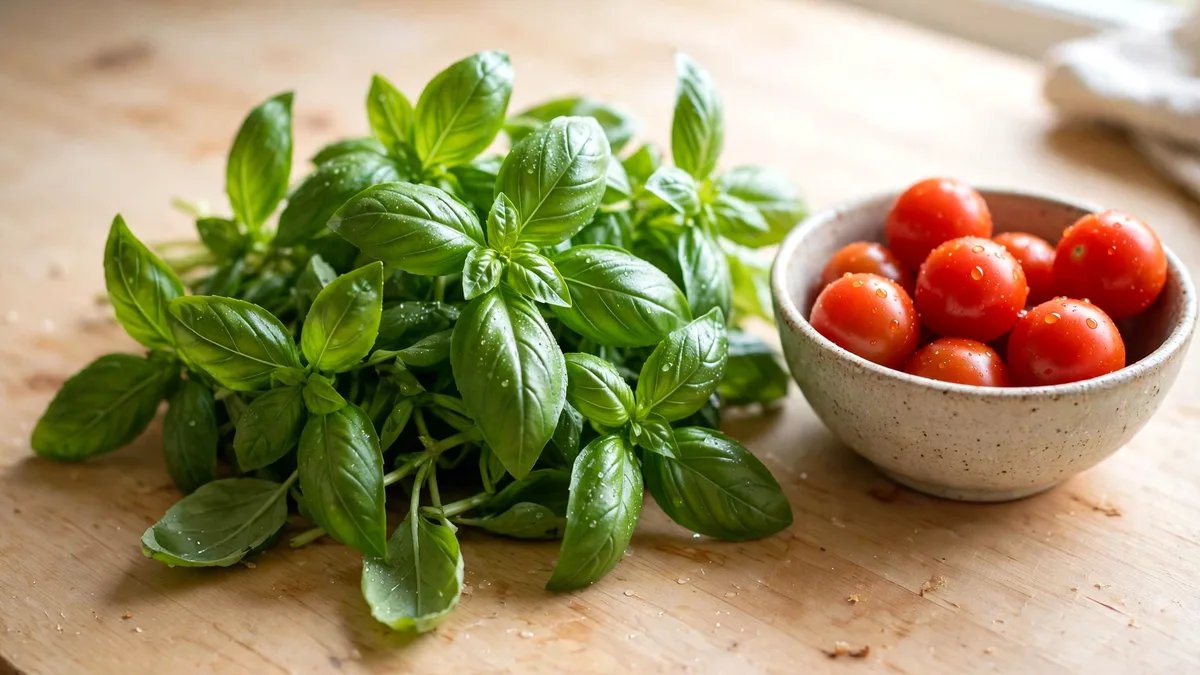
Dill is the herb most people expect: grassy, slightly sweet and unmistakably part of the flavour. Mint is the older, more traditional choice in many parts of Greece, cooler and more assertive, and it suits grilled lamb well. Either is fine, but dried herbs are no substitute; they taste dusty in a cold dip. Finish with a thread of good extra virgin olive oil, and lemon only if the yogurt is not tangy enough.
Homemade, Deli and Supermarket: How They Compare
The gap between homemade tzatziki and a supermarket tub is wider than for most dips, because freshness matters so much. Homemade takes ten minutes plus draining time and lets you control the yogurt, garlic, salt and texture. A good deli version made fresh that day can be nearly as good, and it is the best option when you have no time.
| Kind | Texture | Flavour | Best for |
|---|---|---|---|
| Homemade | Thick, fresh, adjustable | Bright garlic and herbs | Meals where tzatziki is the star |
| Fresh deli | Thick, made the same day | Good, sometimes mild | Quick meze and weekday dinners |
| Supermarket tub | Often thin or stabilised | Mild, sometimes sour | Convenience, sandwiches, snacks |
| Restaurant | Varies, usually thick | Garlicky, well salted | Grilled meat and souvlaki |
When buying, read the ingredient list before the front of the tub. Short lists win: yogurt, cucumber, garlic, dill, olive oil, salt. Long lists with starch, gums, flavourings or preservatives usually mean a dip built to survive a long shelf life rather than to taste good. The surface should look thick and matte, not glossy or separated, and if liquid is pooling on top the dip is already weeping.
How to Serve Tzatziki Well
Tzatziki is at its best cold, in a wide shallow bowl, with a swirl on top and a thread of olive oil. It belongs beside grilled chicken, lamb and pork, inside gyros and souvlaki wraps, and next to fried vegetables, grilled halloumi and roast potatoes. It is also a dip for raw vegetables and warm pita, a spoonful beside grilled fish, or a spread in a sandwich where mayonnaise would be too rich.
Take the dip out of the fridge ten minutes before serving so the cold dulls the flavour less, and stir it once before it goes on the table. Make it at least an hour ahead when you can, because the garlic and herbs need time to settle, but eat it within two days: after that the garlic grows stronger and the cucumber softens. A good herb sauce from another tradition, like the pesto that tastes like it came from a garden, plays a similar role at the table: a fresh, green spoonful that lifts plain grilled food without cooking.
Mistakes That Ruin a Good Bowl
The most common mistake is impatience with the cucumber. Grating it straight into yogurt without salting and squeezing is the fastest way to a watery dip, and no amount of extra yogurt afterwards will undo it. The second is garlic measured by the clove rather than by size: a large clove can be twice a small one, and two large cloves will overpower a whole bowl, especially the next day.
The third mistake is making it too far ahead or storing it badly. It keeps two or three days sealed in the fridge, but it should not be frozen or left out on a warm table for hours. Stir it before serving, and taste it again: a dip made yesterday often needs a pinch more salt or lemon to wake it up.

Checklist: Buying or Making Tzatziki
- Choose thick strained Greek yogurt with a short ingredient list: milk and cultures, nothing else.
- Pick firm, small cucumbers, grate them coarsely, salt them and squeeze them dry before mixing.
- Use one small clove of garlic per cup of yogurt, grated to a paste so it spreads evenly.
- Use fresh dill or fresh mint, never dried herbs, and taste before adding more salt or lemon.
- Check a shop-bought tub for a short label, a thick matte surface and no liquid pooling on top.
- Serve cold in a wide bowl with olive oil on top, and eat within two or three days.
Frequently Asked Questions
How long does homemade tzatziki last?
Two to three days sealed in the fridge. It is best on the first day and still fine on the third, though the garlic will be stronger and the cucumber softer. Stir it, taste it, and add a pinch of salt or lemon if it has gone flat.
Can I use regular yogurt instead of Greek yogurt?
You can, but strain it first: line a sieve with a clean cloth, tip in the yogurt and leave it over a bowl in the fridge for a few hours, or overnight, until thick. Without straining, regular yogurt makes a dip too thin to scoop and too sharp to enjoy.
Why is my tzatziki bitter?
Bitterness usually comes from the cucumber skin or from garlic that was chopped rather than grated, leaving bitter pieces in the dip. Peel the cucumber if it tastes bitter, grate the garlic to a smooth paste, and check that your olive oil is fresh, since old oil can taste bitter too.
Should tzatziki have mint or dill?
Both are traditional in different parts of Greece: dill is the more common choice, while mint is cooler and suits lamb especially well. Use one or the other, fresh, rather than both at once, so the flavour stays clear.
Can I make tzatziki without garlic?
Yes, and it is still pleasant, but it is no longer quite tzatziki: garlic is part of what defines the dip. If you are avoiding raw garlic, try a very small amount of garlic-infused oil instead, or roast the garlic first for a gentler flavour.
What do you eat with tzatziki besides gyros?
Almost anything grilled or fried — chicken, lamb, pork, fish, halloumi, roast potatoes, fried courgettes — as well as a dip for raw vegetables and warm pita, a sandwich spread, and a cooling spoonful beside spicy food.
The Bottom Line
Tzatziki that tastes like the real Greek one comes down to three things: thick strained yogurt, cucumber salted and squeezed dry, and garlic and fresh herbs used with restraint. Get those right, whether you make it in ten minutes or choose a short-labelled tub from a good deli, and serve it cold with olive oil on top: it will make simple grilled food taste complete.