
The right dining table changes how you eat together in 2026, and it does so quietly, meal after meal. It gathers the whole household in the same place at the same time, yet most people choose it in a hurry and only discover the mistake months later.
A dining table is not just a surface for plates. It sets the pace of your evenings and decides whether guests stay for a second cup of coffee. This guide covers the sizes, shapes and materials that work in real homes.
Key Takeaways
- Allow about 60 centimetres of table width per person, and at least 90 centimetres of clear space behind each chair so people can sit down and stand up easily.
- Rectangular tables suit long rooms and large groups, while round tables suit small rooms and conversation, because everyone can see everyone else.
- Solid wood is the most forgiving material for daily family use, while glass looks light but shows every fingerprint and stone needs sealing and care.
- Measure the room before you shop, and tape the table outline on the floor: a table that looks right in a showroom often overwhelms a real dining room.
- Buy the table for the meals you actually eat, not the dinner party you host twice a year: an extendable table covers both.
Why the Table Matters More Than the Chairs
Chairs get the attention in the shop, because you sit on them and feel the comfort at once. The table does its work invisibly. Its height decides whether your shoulders relax or hunch, its depth decides whether serving dishes fit in the middle, and its edge decides whether a child can pull up a chair and draw.
At breakfast, cereal bowls, a school bag and a phone compete for space. At dinner, a hot dish sits in the middle and everyone reaches across. A good table handles both without a rethink; a bad one forces a routine of clearing up before every meal or eating on the sofa.
The Main Types of Dining Table
Every dining table is a compromise between seats, space and style. The types below cover almost every home, and the right one follows from how many people eat together most nights.
Rectangular tables
Rectangular tables are the default for a reason. They seat the most people for their footprint, push against a wall when needed, and suit long, narrow dining rooms. A 180-centimetre rectangle seats six comfortably and eight at a push. The trade-off is conversation across the length, and corners that feel like dead space.
Round tables
Round tables are the friendliest shape: nobody sits at the head, everyone is the same distance from the centre, and a lazy Susan turns the middle into shared space. A 120-centimetre round table seats four well and five snugly. The trade-off is capacity: round tables waste floor space as they grow.
Square tables
Square tables suit small, square rooms and households of two to four. A 90-centimetre square seats four, and it tucks neatly into a kitchen corner. The trade-off is growth: a square table cannot stretch, so a fifth guest means a chair squeezed at a corner.
Extendable tables
Extendable tables are the honest answer for households that eat small most nights and large on Sundays. A leaf, a butterfly fold or a sliding top turns a four-seater into a six- or eight-seater in a minute. The trade-off is the mechanism: cheap extendable tables wobble at the join, and the leaf needs somewhere to live. Test it in the shop before you buy.
Tables with benches
Benches are the space-saving trick for family dining rooms. A bench slides under the table when it is not needed, seats three children where two chairs would fit, and gives a casual look that suits everyday meals. The trade-off is comfort: benches have no back, so long dinners get tiring, and getting out from the middle means asking everyone to move.
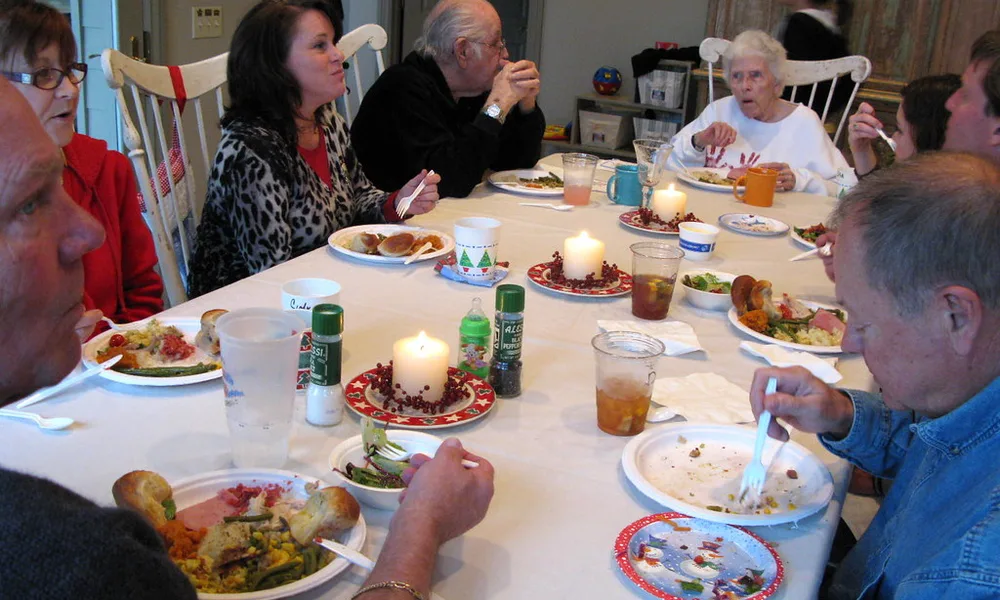
Dining Tables Compared
| Type | Seats | Best room | Best for | Watch out for |
|---|---|---|---|---|
| Rectangular | 6 to 10 | Long dining room | Families, hosting | Conversation across the length |
| Round | 4 to 6 | Small or square room | Conversation, small families | Wasted space as size grows |
| Square | 2 to 4 | Kitchen corner | Couples, breakfast nooks | No room for extra guests |
| Extendable | 4 to 8 | Any room | Small nights, big Sundays | Wobbly joins, leaf storage |
| Bench seating | 4 to 8 | Family dining room | Children, casual meals | No back support, awkward exits |
Getting the Size Right
Size is where most dining tables go wrong, and it is the easiest thing to get right before you spend anything. The rule that works in almost every home is 60 centimetres of width per person along each side, and about 40 centimetres of depth for a place setting. That means a table for six needs roughly 180 centimetres of length and 90 to 100 centimetres of width. Less than that, and elbows collide with every reach for the salt.
Then measure the room, not just the table. You need at least 90 centimetres of clear floor behind each chair so someone can stand up without pushing the chair into the wall, and about 120 centimetres if a walkway passes behind the diners. Tape the outline on the floor and live with it for a day: walk around it, pull out a chair, carry a tray past it. A table that looks right in a showroom often overwhelms a real room.
Materials That Last
Material decides how the table ages, how it cleans, and how it forgives daily life. Solid wood is the most forgiving choice for a family table. Oak, ash and walnut take knocks, and a scratch can be sanded out and re-oiled. Wood marks with heat and wet glasses, but those marks become patina.
Glass tops look light and make small rooms feel bigger, but they show every fingerprint and need wiping after every meal. Stone and marble look luxurious and shrug off heat, yet they are heavy, expensive, and need sealing against stains. Laminate and veneer resist stains and cost little, but a deep chip cannot be repaired. For most households, solid wood or a good veneer is the sensible middle ground.
Once the table is chosen, what sits on it matters too. A well-made set of plates turns an ordinary weeknight into a meal worth sitting down for, and our guide to dinnerware sets that make weeknights feel special covers the materials and sizes that suit daily use. Choose the table and the plates together: heavy stoneware feels different on glass than on oak.

Shape and the Way You Eat
Shape is not only about the room; it is about how your household eats. If your dinners are long and talkative, a round table keeps everyone in the conversation. If your meals are practical, with children eating in shifts and homework at one end, a rectangular table divides naturally into zones.
Think about serving, too. Family-style meals, with dishes in the middle, need a table wide enough for serving bowls plus place settings: 100 centimetres of width is the minimum for a shared main course. Plated meals, where food arrives already served, need less width and more length. If you serve from the table, choose width over length.
Chairs, Benches and the Space Around the Table
A table is only as good as the chairs around it, and the common mistake is buying chairs that are too wide or too tall for the table. A dining chair should be about 45 to 48 centimetres high at the seat, leaving roughly 25 to 30 centimetres between the seat and the tabletop. Measure the chairs before you count the seats.
Mixing chairs is a practical trick: two comfortable armchairs at the ends for the hosts, and simpler side chairs along the length. And remember that dining is not always indoors. If your household eats outside through the summer, our guide to patio furniture that turns a garden into a second living room covers outdoor dining sets, including the materials that survive rain and sun, so the garden table gets the same care as the indoor one.
What to Check Before You Buy
Before you pay, run through the checks showrooms hope you will skip. Sit at the table with a chair and rest your forearms on the top: your shoulders should stay down. Slide your legs under: the apron beneath the top should not press against your thighs. Lift a corner gently to test for wobble, and look underneath at the joints. Corner blocks and solid brackets mean a table that lasts; staples and thin glue mean one that will not.
An oiled top can be repaired at home; a lacquered top needs a professional once it chips. Check the care instructions against your life: a table that needs coasters and immediate wiping will not survive a household with children. Finally, dress the table before you decide. A simple vase of fresh flowers shows whether the table invites you to sit down, and our guide to vases worth buying for fresh flowers and dried stems has ideas for centrepieces that suit a dining table without crowding the plates.

Checklist: Before You Buy a Dining Table
- Measure the room and tape the table outline on the floor, leaving 90 centimetres clear behind every chair.
- Count seats at 60 centimetres per person, and plan for the meals you eat most nights, not the party you host twice a year.
- Test the height: sit at the table with a chair and check your elbows, shoulders and legroom under the apron.
- Check the joints underneath, and lift a corner to test for wobble before you pay.
- Choose the material for your real life: solid wood for families, glass for small rooms, stone only if you will seal it.
- Open and close any extending mechanism in the shop, and make sure the leaf has a place to live.
Frequently Asked Questions
What size dining table do I need for six people?
A rectangular table about 180 centimetres long and 90 to 100 centimetres wide seats six comfortably, at roughly 60 centimetres of width per person. A round table for six needs a diameter of about 150 centimetres.
How much space should I leave around a dining table?
Leave at least 90 centimetres behind each chair, and about 120 centimetres where someone walks past a seated diner. Measure with the chairs pulled out.
Is a round or rectangular dining table better?
Round tables suit small rooms and conversation; rectangular tables suit larger groups and long rooms. Choose by the shape of your room and the size of your usual group.
What is the best material for a family dining table?
Solid wood is the best all-round choice for families: it takes knocks and scratches sand out. Glass shows every mark, stone needs sealing, and cheap laminate cannot be repaired once it chips.
Are extendable dining tables worth it?
Yes, if the mechanism is solid. An extendable table covers everyday meals and occasional hosting. Test it in the shop, check the extended top sits flat, and make sure the leaf has somewhere to be stored.
How high should a dining table be?
Most dining tables are 74 to 76 centimetres high, suiting chairs with a seat height of 45 to 48 centimetres. Test the table and chairs together before you buy.
The Bottom Line
The right dining table is the one that fits your room, your household and the meals you actually eat. Measure first, choose the shape by the room, pick a material that forgives real life, and test the table with a chair before you pay. Get those four things right, and the table stops being furniture and becomes the place where your household gathers, night after night, in 2026 and for years after.


