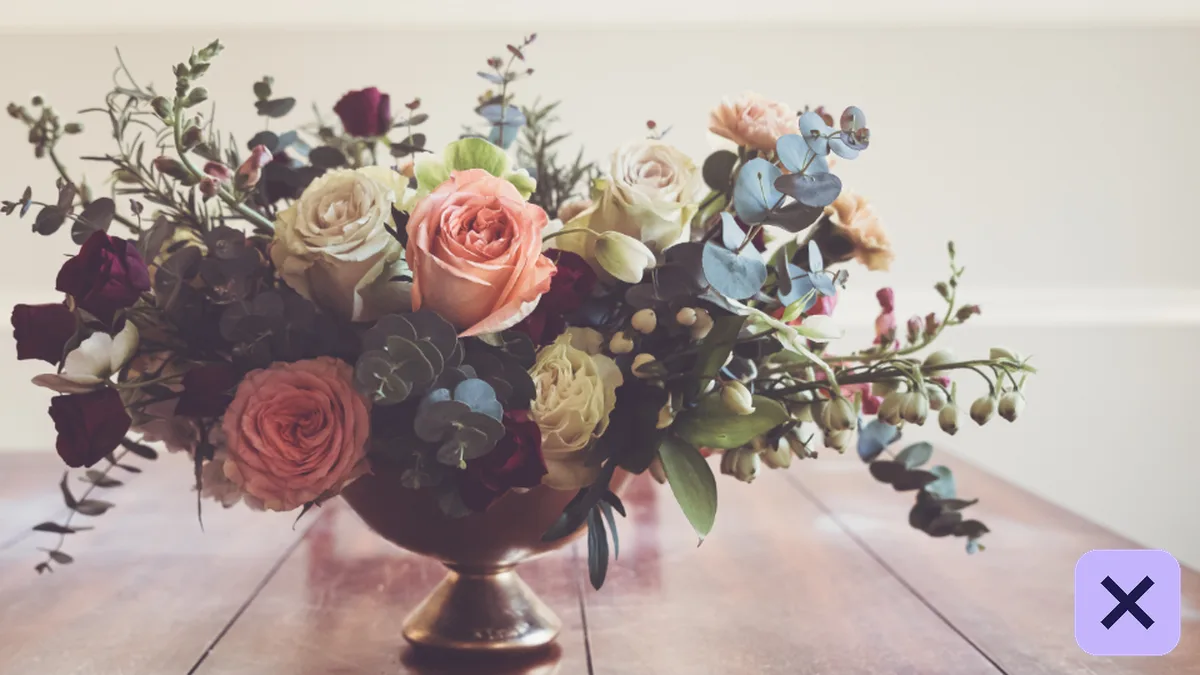
The right vase makes cheap flowers look expensive, and the wrong one makes expensive flowers look like an afterthought, which is why choosing vases well matters far more than most people think. A vase is not just a container for water. It is the frame for the flowers, the object that sets the height, the spread and the mood of the whole arrangement, and the thing your eye actually lands on when you walk into the room. In 2026, the best vases for fresh flowers and dried stems are the ones that do that job quietly: good proportions, honest materials, and a shape that suits what you actually put in them.
Key Takeaways
- Three vase shapes cover nearly everything: a tall cylinder for long stems, a rounded vase for full bouquets, and a bud vase for single stems.
- Match the vase to the stems, not the room: the mouth of the vase should be about one third the width of the finished arrangement.
- Heavy, wide-based vases stay upright with top-heavy flowers, while tall thin vases tip over at the slightest knock.
- Glass shows the water and the stems, so it needs cleaning often, while opaque ceramic hides cloudy water and suits dried stems perfectly.
- Fresh flowers need clean water, trimmed stems and a vase that holds them upright; dried stems need a dry vase, no water at all, and a narrow neck to keep them in place.
Vase Shapes at a Glance
Start with shape, because it decides how the flowers sit more than any other factor:
| Shape | Best for | Why it works | Watch out for |
|---|---|---|---|
| Tall cylinder | Long stems, lilies, tulips | Keeps tall stems upright and supported | Too narrow and stems bunch; too wide and they splay |
| Rounded or ginger jar | Full bouquets, roses, mixed bunches | Wide belly supports a generous, relaxed shape | Heavy when full, and hard to clean inside |
| Bud vase | Single stems, small posies | One stem looks deliberate, not lost | Useless for a full bunch |
| Wide bowl or compote | Short stems, table centrepieces | Low and wide, perfect for a dining table | Flowers flop without a frog or tape grid |
| Pitcher or jug | Wildflowers, garden cuttings | Casual, generous, easy to fill | Can look messy with formal flowers |
| Narrow-neck bottle | Dried stems, pampas, grasses | Neck grips the stems and holds them upright | Almost impossible to clean inside |

Start With Three Vases, Not Thirty
A vase collection works best when it is small and deliberate The three to own first are a tall cylinder, a rounded vase, and a bud vase, and between them they handle long stems, full bouquets and single stems without fuss.
The tall cylinder
The tall cylinder is the workhorse. Its straight sides support long stems like lilies, tulips and delphiniums, keeping them upright without forcing them into a shape, and its height stops tall flowers from toppling forward. Choose one around ten to twelve inches tall for standard bunches, in clear glass if you like seeing the stems and the water, or in ceramic if you prefer the flowers to do all the talking. The mouth matters more than the height: it should be wide enough that the stems are not crushed together, but narrow enough that they do not splay outwards like a fountain.
The rounded vase
The rounded vase, sometimes called a ginger jar or a bubble vase, is the best choice for a full bouquet, the kind of mixed bunch you buy at a market or receive as a gift. Its wide belly gives the stems room to spread, so the arrangement looks generous and relaxed rather than stiff, and its narrower mouth holds the bunch together at the top. Roses, peonies, hydrangeas and mixed seasonal bunches all suit this shape, because they need space at the bottom and support at the top. Pick one with a wide, flat base, because a rounded vase full of water and flowers is heavier than it looks, and a narrow base will tip at the slightest knock from a passing elbow or a curious cat.
A vase in this shape also sits happily on a sideboard or a dining table as a centrepiece, holding its own against the other objects around it, and it pairs naturally with the other pieces that finish a room, from the best wall art for living rooms to the frames that hold the photographs nearby.
The bud vase
The bud vase is the smallest and the most useful of the three, and it is the one most people skip, which is a shame. A single stem in a bud vase looks deliberate and elegant in a way a single stem in a big vase never does, and a row of three bud vases down a table or along a windowsill makes more of an impression than one large arrangement. They are perfect for the odd stem left over from a bunch, for a flower snipped from the garden, and for small spaces like a bedside table or a bathroom shelf, where a full vase would be absurd.
Fresh Flowers: Getting the Most From Every Bunch
Fresh flowers are only as good as the vase they sit in, and a few simple habits make the difference between a bunch that lasts three days and one that lasts ten. The first is water: fill the vase with clean, lukewarm water and a little flower food if the bunch came with it, and change the water every two days, rinsing the vase each time. The second is the cut: trim an inch off every stem at a sharp angle before it goes in the water, and strip off any leaves that would sit below the waterline, because submerged leaves rot first and foul the water fastest.
The third habit is about the vase itself. The mouth of the vase should be about one third the width of the finished arrangement, which gives the stems enough room to breathe without letting them flop.

Dried Stems: The Vases That Never Need Water
Dried stems are the easiest flowers you will ever own, and they have quietly become the most popular kind, because they last for months, need no water, and suit the warm, textured rooms that are everywhere in 2026. Pampas grass, dried palm, bunny tails, eucalyptus and dried lavender all fall into this group, and they all want the same thing from a vase: a narrow neck that grips the stems and holds them upright, and a dry interior with no water at all.
The best vases for dried stems are usually opaque, because there is no water to show off and no reason to see inside.
Caring for dried stems is simple, but it is different from fresh flowers in one important way: never put them in water, and never mist them. Water makes dried stems go limp and mouldy, and a damp room will do the same over time, so keep them away from bathrooms and steamy kitchens.
Materials: What Lasts and What Does Not
Vase materials are a trade-off between looks, weight and maintenance, and knowing the trade-offs saves money. Glass is the most versatile material: it suits every style, shows the stems beautifully, and is easy to clean, but it is light, so tall glass vases tip easily, and it shows dirty water. Ceramic and stoneware are the most forgiving: they hide cloudy water, come in every colour and texture, and their weight keeps top-heavy arrangements upright.
Where to Put a Vase
A vase earns its place by being where the flowers are actually seen, and the best spots are the ones you pass every day. A dining table wants a low, wide arrangement that does not block the view across the table, which is why bowls and compotes suit it so well. A sideboard or console wants a tall vase that fills the wall above it, especially if the wall is bare, and a pair of matching vases at either end looks more finished than one in the middle. Keep the vases you reach for most on the bookshelves that make small rooms feel bigger, at a height where they are seen and used.
The entryway is the most underused spot for a vase, and it is the one guests notice first. A tall vase with dried stems in a hallway corner makes an entrance feel considered rather than empty, and it needs no maintenance at all. And remember that a vase does not need flowers to earn its place: a beautiful empty vase on a shelf is a decoration in its own right, and the best photo frames and the objects around it will look better for the company.

Mistakes That Ruin a Good Arrangement
Most vase mistakes are easy to avoid once you know them. The first is a vase that is too tall for its stems, which leaves the flowers buried at the bottom like a bouquet in a well. The second is a vase that is too wide for its bunch, which lets everything flop sideways within an hour. The third is dirty water, which is the single biggest reason fresh flowers die early, and the fix is simply changing it every two days. The fourth is putting fresh flowers in direct sun or beside the fruit bowl, both of which shorten their life dramatically.
Your Vase Checklist
- Own three shapes first: a tall cylinder, a rounded vase, and a bud vase, before buying anything more unusual.
- Match the mouth to the bunch: it should be about one third the width of the finished arrangement.
- Choose a heavy, wide-based vase for top-heavy flowers, and keep tall thin vases away from busy walkways.
- Change fresh flower water every two days, trim stems at an angle, and strip leaves below the waterline.
- Keep dried stems dry: no water, no misting, away from steam, and dusted gently every few weeks.
- Pick opaque ceramic or stoneware for dried stems, and save clear glass for fresh flowers you will maintain.
Frequently Asked Questions
How many vases do I actually need?
Three cover almost everything: a tall cylinder for long stems, a rounded vase for full bouquets, and a bud vase for single stems. Anything beyond that is collecting, not need.
What size vase should I buy for a standard bunch?
For a supermarket or market bunch, a vase ten to twelve inches tall with a mouth about one third the width of the finished arrangement works well.
Can I put dried flowers in a vase with water?
No, never. Water makes dried stems go limp and mouldy, and it defeats the whole point of them.
How do I keep fresh flowers alive longer?
Change the water every two days, rinse the vase, trim an inch off the stems at an angle each time, and keep the vase out of direct sun and away from the fruit bowl.
Is glass or ceramic better for vases?
Glass shows the stems and the water, which looks beautiful when the water is fresh and less so when it is not, so it suits people who maintain their flowers. Ceramic hides cloudy water, adds weight and stability, and suits dried stems perfectly.
How do I clean a narrow-neck vase?
Fill it with warm water, a drop of washing-up liquid and a handful of uncooked rice, then swirl it gently: the rice scrubs the inside without scratching it.
The Bottom Line
The best vases of 2026 are not the most expensive or the most unusual, they are the ones that fit the flowers you actually buy, hold them upright, and look good doing it. Three shapes, honest materials, and a few simple habits with water and stems will cover every bunch that comes through your door Buy the vase for the flowers, not for the shelf, and the flowers will do the rest.


