
Why the Best Donuts in 2026 Are Worth the Line
The best donuts in 2026 are worth queuing for: a truly great donut is a small feat of timing. The dough has to be light and properly proved, the fry has to be even, the glaze has to set without turning to armour, and the whole thing has to be eaten while it is still fresh enough to matter. A donut is one of the cheapest luxuries in food, and also one of the easiest to ruin. This guide explains what separates the donuts people line up for from the ones that sit in the box untouched.
Donuts come in more varieties now than ever. Classic glazed rings still anchor every good shop, but they share the counter with cake donuts, filled rounds, brioche-style rings, sourdough donuts, and seasonal specials topped with everything from brown butter crumble to cereal. Most shops are only truly excellent at one or two styles, and the rest of the case fills the shelves. Knowing what to order first is the difference between a memorable box and a forgettable one.
Key Takeaways
- A great donut feels light for its size and springs back gently when pressed.
- Glazed rings are the test of any shop: if the classic is good, the rest usually follows.
- Filled donuts should be filled to order, so the shell stays soft and the filling stays fresh.
- Donuts are best within a few hours of frying; day-old donuts are a different, lesser food.
- Cake donuts and yeast donuts are different pleasures, and a good shop respects both.
What Makes a Donut Great
It starts with the dough. A yeast donut should be airy and tender, with a fine, even crumb and a faint sweetness that does not need the glaze to carry it. When you tear one open, it should pull apart in soft strands rather than crumbling. A cake donut is different: denser, crumblier, with a craggy crust that holds a glaze well. The best shops make each on its own terms instead of treating a cake donut as a failed yeast donut.
The fry is where most donuts are won or lost. Oil that is too cool makes a donut heavy and greasy; oil that is too hot browns the outside before the centre cooks. A well-fried donut has an even golden colour and a pale ring around its middle, the mark of a dough that rose properly and fried evenly. It should not leave an oil slick on the paper or your fingers.
Then there is the finish. A glaze should be thin, shiny and just set, sweetening the donut without sealing it under a hard shell. Frosting should taste of chocolate, maple or vanilla, not just sugar and colouring. Toppings should add texture or flavour, not hide a stale base. The best shops understand restraint: a perfect glazed ring with nothing on it is harder to make, and more impressive, than a donut buried under three toppings.
The Donut Styles That Matter in 2026
Classic glazed rings
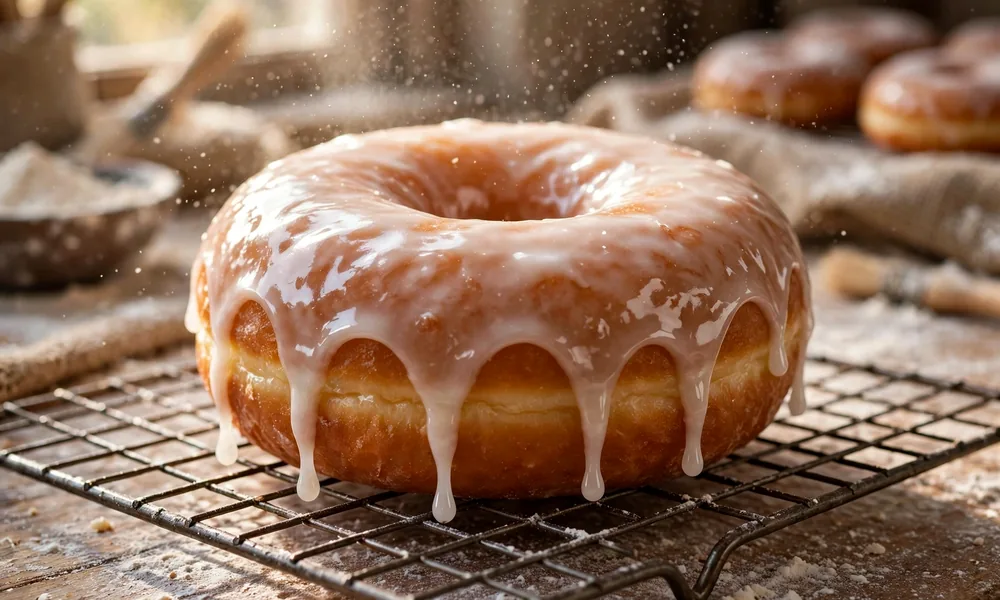
The glazed ring is the benchmark: the simplest donut to judge and the hardest to perfect, because there is nothing to hide behind. The best ones are fried in the morning, glazed while still warm, and sold within hours. If a shop’s glazed ring is light, even and glossy, you can trust the rest of the case. If it is dense, pale or stale by mid-morning, order elsewhere.
Cake donuts
Cake donuts are made from a batter closer to cake than bread, and they fry into a denser, crumblier ring with a crisp, craggy crust. They hold up better than yeast donuts over a few hours, the smarter choice for a box that has to travel. Old-fashioned, sour cream and chocolate are the classics, and a good one tastes of its flavouring, not just frying oil.
Filled donuts
Filled rounds, jam, custard, chocolate and cream, are the comfort food of the donut world. The best are filled after frying, so the dough stays soft and the filling stays distinct. Overfilling sounds generous but usually means a soggy shell and filling on your hands; underfilling leaves you eating plain dough. A filled donut should give you filling in every bite without falling apart.
Brioche and sourdough donuts
The newer wave of bakery-style donuts uses enriched brioche dough or a sourdough base, and the result is a richer, more flavourful ring that eats more like a pastry than a fairground snack. These tend to cost more and sell out faster, and are often the best thing in the shop. If you see a brioche donut on the menu, it is usually the owner’s pride, and usually worth trying first.
Donut Styles Compared
| Style | Texture | Best eaten | Travels well |
|---|---|---|---|
| Glazed yeast ring | Light and airy | Within hours | Fair |
| Cake donut | Dense and crumbly | Same day | Good |
| Filled round | Soft and rich | Within hours | Poor |
| Brioche donut | Rich and tender | Fresh | Fair |
| Sourdough donut | Chewy with tang | Fresh | Fair |
How to Judge a Donut Shop
Look at the case before you order. A good case has a manageable number of varieties, each distinct, with glazes that shine and fillings that look fresh. A case crammed with dozens of overloaded varieties is often a shop that decorates more than it bakes. The busiest shops tend to be the freshest, because high turnover means nothing sits for long. A queue at opening time is a good sign; a full case at closing time is not.
Ask what was fried most recently. Shops that fry in batches through the morning will happily tell you. Donuts fried an hour ago will always beat donuts fried at dawn, however good the recipe. Buying a box to take away, eat the glazed rings first: they lose their charm fastest, while cake donuts hold up longest on the journey home.
Price is a fair guide to quality here. A very cheap donut usually means a mix, reused oil, or a donut fried hours ago in bulk. A premium donut from a small bakery costs more because the dough is made fresh, the fry is done in small batches, and the fillings are made in house. Not every expensive donut is good, but the best donuts in 2026 are rarely the cheapest ones in the case.

Pairings and Occasions
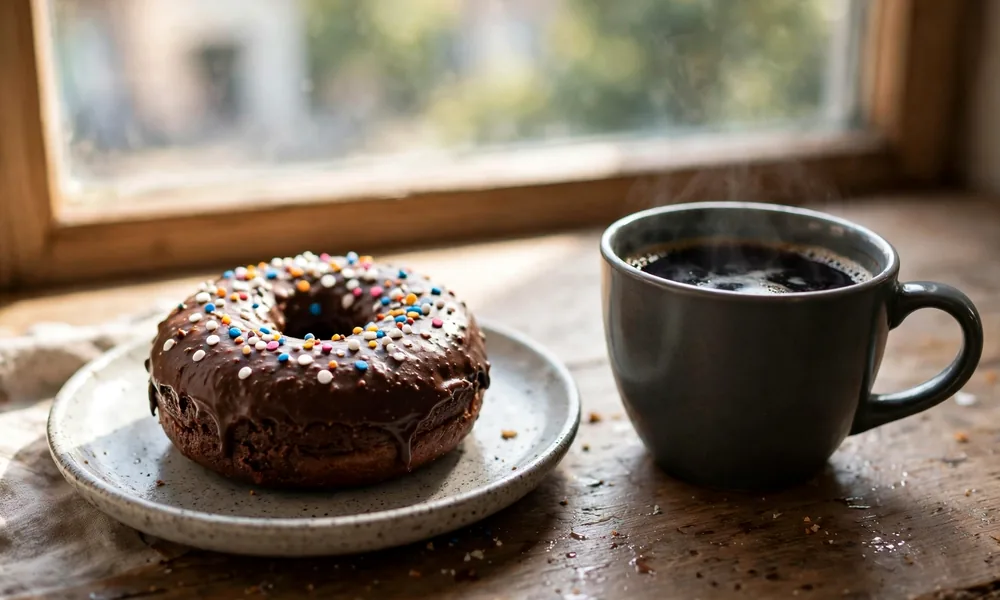
Coffee is the donut’s oldest friend, and the pairing works best when the coffee is strong and unsweetened. A black coffee or a flat white cuts through the sugar and resets your palate between bites, which matters when you are working through a box. Milk and sweet lattes are pleasant, but they compete with the donut instead of balancing it.
For breakfast, a donut pairs naturally with the rest of the morning table. A glazed ring next to a proper breakfast is a small indulgence rather than a meal, and the same eye for freshness applies across the plate. Our guide to the best French toast in 2026 and our round-up of the best waffles in 2026 cover the other sweet breakfast classics with the same standard: fresh, well-made, and honest about what they are.
For parties and office mornings, a mixed box is the right move, but order it well. Mix yeast and cake donuts so the box travels better, include one or two filled rounds, and keep the most delicate glazed rings for eating first. Smaller, bakery-style donuts suit a dessert table better than oversized novelty rings, and the same restraint that makes a good cupcake applies here: one good flavour beats three competing ones.
Making Donuts at Home
Homemade donuts are a weekend project, not a quick snack, but the result is worth it. A yeast dough needs time: mixing, kneading, a first rise, shaping, a second rise, and then frying. The wait is the point. A properly proved donut fries light and even, while a rushed one fries dense and pale. Short on time, a cake donut batter is faster and more forgiving, and still beats most shop-bought cake donuts when fried fresh.
The fryer rules are the same as for any fried dough: oil at around 180 degrees, small batches, and no crowding. Fry the rings until golden on both sides, drain briefly, and glaze while still warm so the glaze sets in a thin, even coat. For filled donuts, fry the rounds plain, cool slightly, then pipe the filling in from the side. Fill them just before serving, or the filling will soften the shell.
Storage is the part most people get wrong. Donuts are at their best within a few hours of frying. If you must keep them, use a paper bag or loosely covered container at room temperature, never the fridge, which dries them out. A few seconds in the microwave can soften a day-old yeast donut, and a hot oven can revive a cake donut, but neither brings back a fresh one. Make fewer, eat them sooner, and enjoy them properly.
Donut Checklist
- Order the glazed ring first: it is the truest test of any shop.
- Check the case for shine, colour and turnover before you choose.
- Ask what was fried most recently and order that.
- Eat glazed and filled donuts within a few hours; save cake donuts for travel.
- Pair with strong black coffee, not another sweet drink.
- At home, prove the dough fully and fry in small batches at 180 degrees.
Frequently Asked Questions
What is the difference between a yeast donut and a cake donut?
A yeast donut is made from risen bread dough, so it is light, airy and soft, with a fine crumb. A cake donut is made from batter, so it is denser, crumblier and more cake-like, with a crisp crust. Yeast donuts are best eaten fresh; cake donuts keep better and travel well.
Why are my homemade donuts dense and heavy?
Dense donuts usually mean the dough was under-proved, the oil was too cool, or the pan was crowded. Give the dough its full rising time, let the oil return to temperature between batches, and fry only a few at a time. A pale ring around the middle of a fried donut is a good sign the proving was right.
How long do donuts stay fresh?
Yeast donuts are best within two to four hours of frying and decline noticeably after that. Cake donuts hold up for most of a day. Filled donuts should be eaten within a few hours, because the filling softens the dough. Keep donuts at room temperature, never in the fridge.
Can you freeze donuts?
Yes, plain unfrosted donuts freeze reasonably well for up to a month, wrapped tightly. Thaw at room temperature and warm briefly in a low oven. Glazed and filled donuts freeze poorly: the glaze turns sticky and the filling changes texture. Freeze plain rings and glaze them after thawing.
What is the best donut flavour?
There is no single answer, but the glazed ring is the flavour every shop is judged by, and the best shops make it well before they experiment. After that, old-fashioned cake, chocolate frosted with sprinkles, and raspberry jam are the classics. Novelty flavours are fun, but they rarely beat a well-made classic.
Are donuts and doughnuts the same thing?
Yes. Donut is the American spelling and doughnut is the traditional British spelling, and they describe the same food. In the United States, donut is the standard spelling in shops, while doughnut still appears in British bakeries and older recipe books.
The Bottom Line
The best donuts in 2026 are the fresh ones from shops that fry in small batches, prove their dough properly, and glaze with restraint. Start with the classic glazed ring, trust a busy case over a full one, and eat them while they are still fresh. A great donut is a simple pleasure done properly.


