Best Double Boilers for Silky Chocolate and Sauces in 2026
A double boiler is the tool that stands between you and a bowl of seized chocolate, a split custard, or a sauce that curdles the moment you look away. It is two pots in one: water simmers in the bottom pot, and gentle steam heats the top pot, so delicate food warms slowly and evenly instead of meeting fierce burner heat. Chocolate melts glossy, butter sauces stay smooth, and custards thicken without scrambling, all because the temperature can never run away from you. This guide to the best double boilers in 2026 explains the two kinds, which one suits your cooking, and how to use one without letting a single drop of water into the food.
Key Takeaways
- A double boiler heats with steam, not direct flame, so chocolate, custards and butter sauces warm gently and never scorch.
- A dedicated two-piece set is the best first buy: the pots fit together properly, the top pot stays stable, and the water level is easy to see.
- A stainless steel insert that sits on a saucepan you already own is the cheapest way in, and it works well for occasional melting.
- Keep the water at a gentle simmer, never a rolling boil, and below the base of the top pot, or steam and splashes will reach the food.
- Buy the size for the batch: two quarts suits most home baking, while four quarts suits large batches of sauce or candy.
What a Double Boiler Actually Does
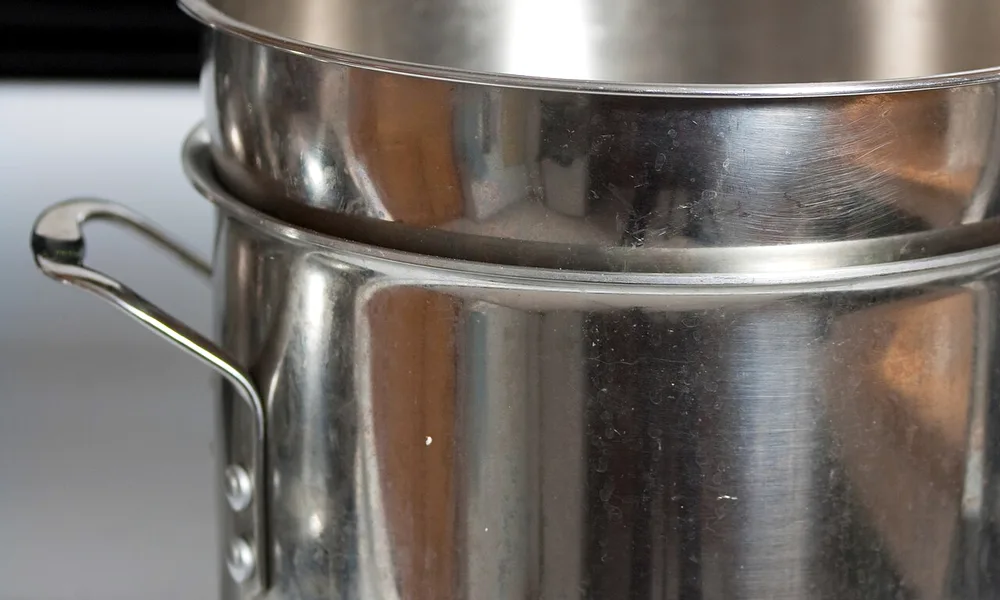
A double boiler, sometimes called a bain-marie, is a pair of stacked pots. The bottom pot holds a few inches of water, brought to a gentle simmer. The top pot sits above it, heated only by the rising steam, and the food goes in the top pot. Because the top pot never touches the burner, the heat is capped at roughly simmering temperature, and it spreads evenly instead of concentrating in one hot spot.
That gentle, capped heat is the whole point. Chocolate seizes above a fairly low temperature, egg custards scramble, and butter sauces split when the heat spikes, and all three are hard to rescue once they do. A double boiler makes those failures unlikely, because the heat cannot spike, and it gives you time: food warms slowly, so you can stir and adjust without the rush of a pan on direct heat. Our guide to the best saucepans covers the single pots for everyday cooking; a double boiler is the specialist that takes over where a saucepan becomes too fierce.
The Main Types of Double Boiler
There are two kinds worth knowing, differing mainly in whether the two pots are made to fit together. Pick the fit first, because a top pot that wobbles or lets steam escape is the most common disappointment.
Dedicated Two-Piece Sets
A dedicated two-piece set is a bottom pot and a top pot made as a pair, and the best first buy. The top pot sits securely in the rim with no wobble, the seal is tight enough that steam heats the top pot rather than escaping, and the set usually comes with a lid. The bottom pot is a usable saucepan on its own, so the set earns its shelf space twice over. The trade-off is storage and cost: two pots take up more room. For anyone who melts chocolate more than a few times a year, the fit is worth it.
Universal Inserts and Bowl Sets
A universal insert is a single top pot, usually stainless steel or heatproof glass, designed to sit on a saucepan you already own. It is the cheapest way in, and it takes up almost no extra storage. Stainless inserts are light and easy to clean, while glass inserts let you watch the chocolate melt. The trade-off is fit: one slightly too small drops into the water, while one slightly too large wobbles and lets steam escape. Measure your saucepan across the rim before you buy.
Double Boilers Compared at a Glance
| Type | Best for | Heat control | Storage | Cost |
|---|---|---|---|---|
| Dedicated two-piece set | Regular melting and sauces | Excellent, stable fit | Two pots | Mid-range |
| Universal insert | Occasional melting | Good, if the fit is right | One pot | Low |
The table shows the real choice: a dedicated set for regular use and an insert for occasional use. A heatproof glass bowl balanced on a saucepan works in a pinch, but it is not a tool to rely on: the bowl can slip, steam escapes, and a bowl that is too small can drop into the water.
Materials: What the Top Pot Should Be Made Of
Stainless steel is the best material for a double boiler top pot, and it is not close. It heats evenly, it does not react with acidic sauces, it survives the dishwasher, and it does not stain from chocolate or turmeric. Look for a heavy base, because a thin base heats unevenly even with steam, and for a pouring spout, which makes transferring melted chocolate less messy. Heatproof glass is the second choice: it lets you see the food, but it is heavier, breaks if dropped, and heats more slowly. Copper heats beautifully, but it is expensive, needs polishing, and reacts with acid unless lined. Avoid thin aluminium, which dents easily and can give a metallic taste to delicate sauces.
What to Cook in a Double Boiler
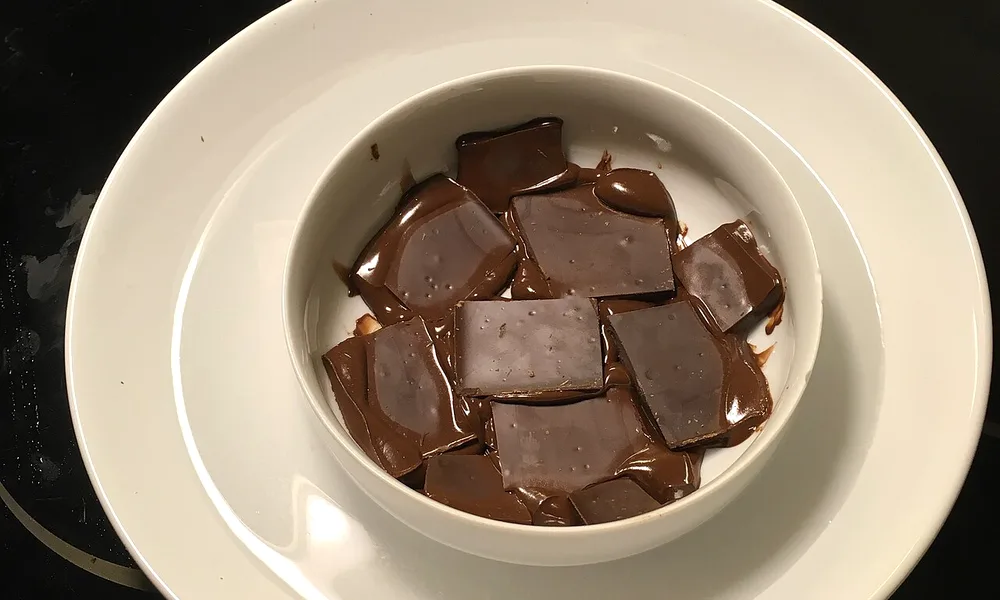
Chocolate is the first job, and the one most people buy a double boiler for. Melting chocolate over direct heat is a gamble: a few degrees too hot and it seizes into a grainy lump. Over steam it melts slowly and evenly, and it stays glossy if you stir it and take it off the heat just before the last pieces melt, letting the residual warmth finish the job. The same gentle heat suits custards and dessert sauces, which thicken gradually and give you time to judge the moment they coat the back of a spoon. Hollandaise and butter sauces are the third job: the steam keeps the butter emulsified instead of splitting, and you can hold the sauce warm while the rest of the meal finishes. It also suits melting beeswax and warming crystallised honey. What it does not suit is anything that needs high heat or browning: it will never sear, fry or boil, and that is by design.
Size and Fit: Matching the Pots
Size is where most buyers go wrong, and the mistake usually runs one way: too small. A two-quart top pot suits most home baking: chocolate for dipping, a custard for four, or a family hollandaise. A one-quart top pot suits small jobs like melting a single bar of chocolate, but it is too small for a sauce that needs stirring. A four-quart set suits large batches and entertaining, but it is heavy and takes up serious shelf space. Fit matters as much as size. The top pot should sit firmly in the rim with no rocking, and its base should sit at least an inch above the water, so simmering water never touches it. If the bottom pot is too wide, steam escapes and the top pot heats slowly; if it is too narrow, the top pot sits too deep. In a dedicated set the fit is guaranteed, which is the strongest argument for buying the pair.
How to Use a Double Boiler Without Ruining the Food
Using a double boiler well is mostly about water and patience. Fill the bottom pot with one to two inches of water, enough to simmer steadily without boiling dry, and not so much that it touches the top pot. Bring it to a gentle simmer, not a rolling boil: a hard boil throws splashes into the top pot, and a single drop of water in melting chocolate can make it seize. Put the food in the top pot, set it over the water, and stir often. Chocolate should come off just before it is fully melted, and custards the moment they coat a spoon, because both keep cooking from residual heat.
The water rule deserves repeating, because it is the mistake that ruins more batches than any other. Keep the water below the top pot and simmering rather than boiling, and wipe the base of the top pot dry before you pour, because condensation underneath is enough to spoil chocolate. When you are done, wash the top pot in hot soapy water and dry it fully, and descale the bottom pot if your water is hard. A double boiler that is looked after lasts for decades: there is almost nothing to wear out except the fit.

Double Boiler vs Fondue Set: The Difference That Matters
A double boiler and a fondue set look similar, but they are built for different jobs. A fondue set is a communal pot kept warm at the table for dipping, and our guide to the best fondue sets covers the ones worth owning. A double boiler is a cooking tool used at the stove to melt and prepare food before it is served. If you want to melt chocolate for dipping at the table, buy a fondue set; for baking, tempering or sauces, buy a double boiler.
Before You Buy: A Quick Checklist
- Pick a dedicated two-piece set for regular use, or an insert for occasional melting.
- Check the top pot sits firmly with no rocking, and its base sits at least an inch above the water.
- Choose stainless steel for the top pot, with a heavy base and a pouring spout.
- Match the size to the batch: two quarts for most home baking, four quarts for large batches.
- Make sure the bottom pot works as a saucepan on its own, so it earns its shelf space twice.
- Check the set is dishwasher safe if you want easy cleaning, and hand-wash copper or glass.
Frequently Asked Questions
Can I make a double boiler with a bowl over a saucepan?
Yes, for a one-off job: set a heatproof bowl over a saucepan of simmering water, making sure the bowl does not touch the water. It is not a reliable long-term tool, because the bowl can slip and steam escapes.
How much water goes in the bottom pot?
One to two inches, enough to simmer steadily without boiling dry, and always below the base of the top pot. If the water touches it, the food heats directly and the purpose is defeated.
Why did my chocolate seize in a double boiler?
Almost always water: a drop of water, steam or condensation from the base of the top pot got into the chocolate. Keep the water simmering gently, wipe the base dry, and never let it boil hard.
Can a double boiler go in the dishwasher?
Most stainless steel sets can, but hand washing keeps the fit true longer. Copper and glass should always be hand washed, and the bottom pot descaled if your water is hard.
What size double boiler should I buy?
Two quarts suits most home baking: chocolate for dipping, custards for four, or a family hollandaise. Go to four quarts for large batches, and one quart only for very small jobs.
Is a double boiler the same as a steamer?
No. A double boiler heats food in a pot above simmering water, while a steamer cooks food in a basket in the steam. The double boiler is for melting and sauces; the steamer for vegetables, fish and dumplings.
The Bottom Line
The best double boiler fits together properly and matches the cooking you actually do: a dedicated stainless steel two-piece set for regular melting and sauces, or an insert for occasional use. Keep the water low and gentle, keep it out of the food, and take chocolate and custards off the heat just before they look done. Bought that way, a double boiler turns the most nerve-wracking jobs in the kitchen into the calmest ones. For the next step after the chocolate is melted, our guide to the best mixing bowls covers the bowls that hold it while you fold and dip.