
The Best Espressos for Rich, Bold Sipping in 2026
Espresso is the smallest cup of coffee with the biggest flavour. A well-pulled shot is about 30 millilitres of dark, syrupy coffee topped with reddish-brown crema, and it delivers more taste in two sips than a full mug of drip coffee manages in twenty. Yet most espressos served in 2026 are either bitter and burnt or thin and sour, and many people who think they dislike espresso have simply never had a good one. The difference is not mystery or snobbery. It is beans, grind, water, and timing, all working together for about 25 seconds.
This guide explains how to recognise a great espresso, how to choose one worth drinking straight, and how to use it as the base for milk drinks without losing it. Whether you order at a café or pull shots at home, the same signs apply: a thick, lasting crema, a sweet and balanced flavour with no harsh edge, and a body that coats the tongue rather than washing over it. Once you know what to look for, a bad shot is obvious in the first sip, and a good one is hard to forget.
Key Takeaways
- A great espresso tastes sweet, balanced, and syrupy, never sharply bitter or thin and sour.
- Fresh beans, roasted for espresso and used within four weeks, matter more than the machine.
- Crema should be reddish-brown, thick, and lasting: pale or patchy crema means a stale or badly pulled shot.
- A double shot of 36 to 40 grams pulled in 25 to 30 seconds is the standard for rich, bold sipping.
- Drink espresso straight within a minute of pulling, in a small pre-warmed cup, for the full flavour.
What Espresso Actually Is
Espresso is a brewing method, not a bean or a roast. Hot water at about 93°C is forced through finely ground coffee at nine bars of pressure, extracting flavour compounds in under half a minute. That pressure is what makes espresso different from every other method: it pulls out oils and dissolved solids that drip brewing leaves behind, which is why a shot tastes thicker and more intense than the same beans brewed as filter coffee. Because the shot is so concentrated, every small choice shows up in the cup: a grind slightly too coarse gives a fast, sour shot, and one slightly too fine gives a slow, bitter one.
Beans and Roast: The Foundation of the Shot
The best espresso beans are a blend or single origin roasted to bring out sweetness and body. Medium-dark roasts are the classic choice: they develop chocolate, caramel, and nutty notes that taste rich and bold, and they are forgiving to brew. Dark roasts go further into smoky, intense territory, which suits milk drinks but can taste ashy when drunk straight. Light roasts keep bright, fruity acidity that some drinkers love, but they are harder to extract well and often taste sour in espresso.
Most good espresso blends mix arabica and robusta. Arabica brings sweetness, aroma, and complexity, while a small amount of robusta, usually 10 to 20 percent, adds body and a thicker, longer-lasting crema. A 100 percent arabica espresso can be superb, but it needs fresh beans and careful brewing to match the crema of a blend. Either way, the roast date matters more than the label: beans peak between one and four weeks after roasting, and stale beans make flat, lifeless shots no matter how good the machine is. Our guide to coffee beans worth buying in 2026 sorts the roasts that hold up best under pressure.

Crema: What It Tells You, and What It Does Not
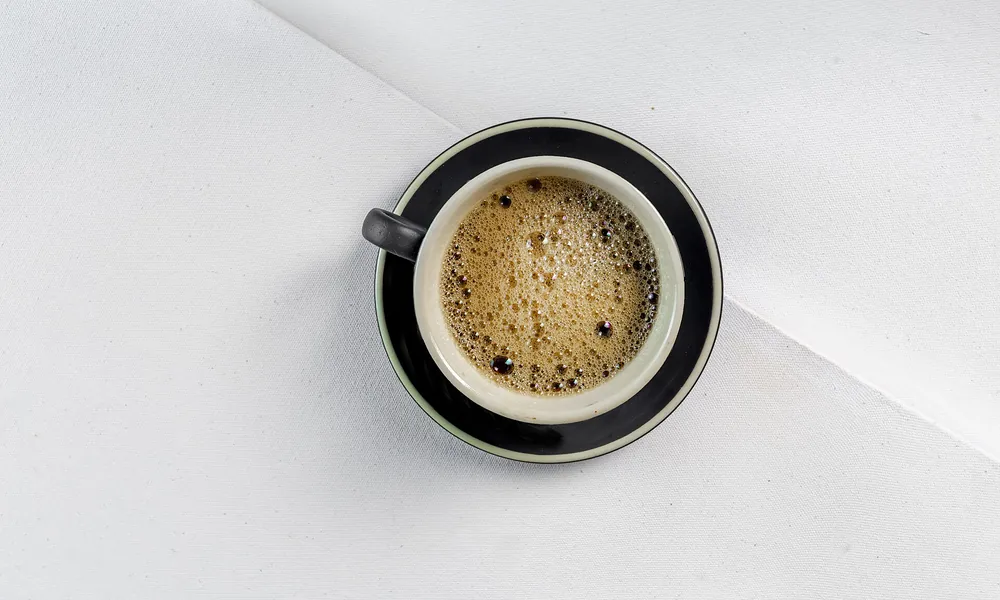
Crema is the reddish-brown foam on top of a fresh shot, formed when pressure forces carbon dioxide out of the beans and traps it in tiny bubbles with coffee oils. Good crema looks like hazelnut-coloured velvet, covers the whole surface, and lasts for a minute or more. It should leave a tiger-striped pattern on the side of the cup as you drink. Pale, thin crema that vanishes in seconds usually means stale beans, a grind that is too coarse, or a shot pulled too fast.
Crema is a useful sign, but it is not the whole story. Very dark crema can mean the shot was over-extracted and will taste bitter, while an extremely thick crema sometimes comes from robusta-heavy blends rather than quality. The real test is always taste: crema should smell sweet and roasted, and the shot underneath should taste balanced. Stir the shot before drinking it, which mixes the crema into the coffee and evens out the flavour. An unstirred shot tastes strong at the top and weak at the bottom.
Shot Quality: The 25 Seconds That Decide Everything
A good double shot starts with 18 to 20 grams of finely ground coffee, tamped level and firm, and finishes as 36 to 40 grams of liquid in 25 to 30 seconds. The first drops should appear after about five to seven seconds, dark and slow, then flow like warm honey. A shot that gushes out in 15 seconds will taste sour and thin; one that drips for 45 seconds will taste bitter and dry. Time is the simplest quality check you have, at home or in a café: watch the clock, not the cup.
The grind is the main control for that timing. If shots run fast, grind finer. If they run slow, grind coarser. Change only one thing at a time, and keep the dose the same while you adjust. A good coffee grinder that grinds fine enough in 2026 matters more than a fancy machine here, because an uneven grind produces fast and slow channels in the same puck, and no machine can fix that. Freshly ground beans, dosed the same way every time, are the foundation of a repeatable shot.
Taste the shot in three stages. The first sip should be sweet and intense, with clear chocolate or caramel notes. The middle should feel syrupy and full, coating the tongue. The finish should be clean, with a gentle bitterness like dark chocolate, not a harsh, ashy bite that lingers. If the finish is unpleasant, the shot was over-extracted; if the start is sharp and sour, it was under-extracted. Adjust the grind in small steps until the finish turns clean.

Drinking It Straight vs Using It as a Base
Espresso drunk straight is the purest test of the coffee, and it is how you should judge any new bean or café. A single shot is a quick, intense tasting; a double is the standard serving for sipping, with enough volume to show the flavour changing as it cools. Drink it within a minute of pulling, before the crema fades and the temperature drops. A small, pre-warmed ceramic cup keeps it hot without adding flavour, and a glass of water beforehand clears the palate.
As a base, espresso is the engine of almost every café drink: lattes, cappuccinos, flat whites, mochas, and Americanos all start here. The rule is simple: the stronger the drink built on it, the less the shot needs to hide. In a latte, the shot must be bold enough to survive the milk, which is why double shots and medium-dark roasts work best. In an Americano, hot water is added to a double shot, so the espresso itself carries the whole flavour and needs to be balanced on its own. A weak or sour shot cannot be rescued by milk, sugar, or syrup; it can only be covered up, and the cover always shows.
That is why tasting espresso straight, even if you usually drink lattes, is worth doing: it tells you whether your beans, grind, and technique are right before milk enters the picture. If the straight shot tastes sweet and balanced, every drink built on it will be better. Our comparison of espresso vs cappuccino flavour shows how the same shot changes once foam and milk take over.
Espresso Styles Compared
| Style | What it is | Volume | Flavour |
|---|---|---|---|
| Single shot | One serving, 18 grams in | 30 ml | Intense, quick |
| Double shot | Two servings, 18 to 20 grams in | 36 to 40 ml | Rich, balanced |
| Ristretto | Short pull, less water | 20 to 25 ml | Sweet, syrupy |
| Lungo | Long pull, more water | 50 to 60 ml | Lighter, more bitter |
| Americano | Double shot plus hot water | 180 to 240 ml | Clean, filter-like |
| Macchiato | Double shot, spoon of foam | 40 to 50 ml | Bold, lightly softened |
Serving: Cup, Temperature, and Timing
Serve espresso in a small cup of 60 to 90 millilitres, pre-warmed with hot water so the shot does not cool on contact. Ceramic holds heat best and adds nothing to the flavour; glass looks beautiful but cools faster. The cup should feel warm in the hand, not hot, and the shot should be comfortable to sip immediately, at about 65 to 70°C. Espresso that is too hot to drink is espresso that was brewed too hot, and it will taste bitter.
Timing is short. Crema starts to fade within a minute, and the flavour changes as the shot cools: bright at first, sweeter in the middle, and more bitter as it goes cold. Take your first sip within 30 seconds, stir first, and pay attention to how the flavour moves. At a café, an espresso that has sat on the counter for three minutes has already lost its best moment.
Espresso Buying Checklist
- Choose beans roasted for espresso, medium-dark, used within four weeks of roasting.
- Look for reddish-brown crema that covers the cup and lasts at least a minute.
- Pull a double shot: 18 to 20 grams in, 36 to 40 grams out, in 25 to 30 seconds.
- Grind fresh and adjust the grind, not the dose, when shots run fast or slow.
- Stir the shot before tasting, and drink it within a minute in a pre-warmed cup.
- Taste it straight first: if the shot is good alone, every drink built on it improves.
Frequently Asked Questions
Is espresso stronger than regular coffee?
Per millilitre, yes: espresso is far more concentrated than drip coffee. Per serving, a double shot has about 120 to 150 milligrams of caffeine, similar to a standard mug of filter coffee. The intensity you taste is concentration, not a huge caffeine difference.
Why does my espresso taste bitter?
Usually over-extraction: the shot ran too long, the grind was too fine, or the water was too hot. Try a coarser grind, a shorter pull, and cooler water. Very dark roasts and stale beans also add bitterness that no technique can remove.
Why does my espresso taste sour?
Usually under-extraction: the shot ran too fast, the grind was too coarse, or the water was too cool. Grind finer, keep the dose the same, and aim for 25 to 30 seconds.
Do I need an expensive machine for good espresso?
No. A modest machine with a good grinder and fresh beans beats an expensive machine with stale beans and a poor grind every time.
How much caffeine is in a double shot?
About 120 to 150 milligrams, depending on the beans and the dose. Robusta-heavy blends sit at the higher end. A double shot is roughly equal to a standard mug of filter coffee.
Can I drink espresso with milk instead of straight?
Yes, and most people do. Milk softens acidity and adds sweetness, which suits darker roasts especially well. But taste the shot straight first when trying new beans: it tells you whether the coffee itself is good, before the milk covers it.
The Bottom Line
The best espresso for rich, bold sipping in 2026 is a fresh double shot of medium-dark beans, ground fine, pulled in 25 to 30 seconds, with thick reddish-brown crema and a clean, sweet finish. Get the beans fresh, the grind right, and the timing right, and the shot tastes like dark chocolate and caramel in a cup. Taste it straight, stir it first, and drink it quickly: that is the whole secret, and it is enough.


