How to Pick an Extension Ladder That Reaches Safely in 2026
An extension ladder is the only sensible way to reach a roof edge, a high gutter or a second-storey window, and it is also the ladder most often bought wrong: people buy by the length on the box, set it up too steeply or too flat, and discover the mistake while standing on it. Picking one that reaches safely is about matching it to the height you need, checking the locks and feet, and setting it up at the right angle.
Key Takeaways
- An extension ladder is a two-section sliding ladder that leans against a wall or roof edge. It is not a step ladder, which stands on its own, and not a step stool, which is for short indoor reaches.
- Buy by working height, not box length: it must extend at least one metre above the gutter or roof edge, losing roughly a fifth of its length to overlap and angle.
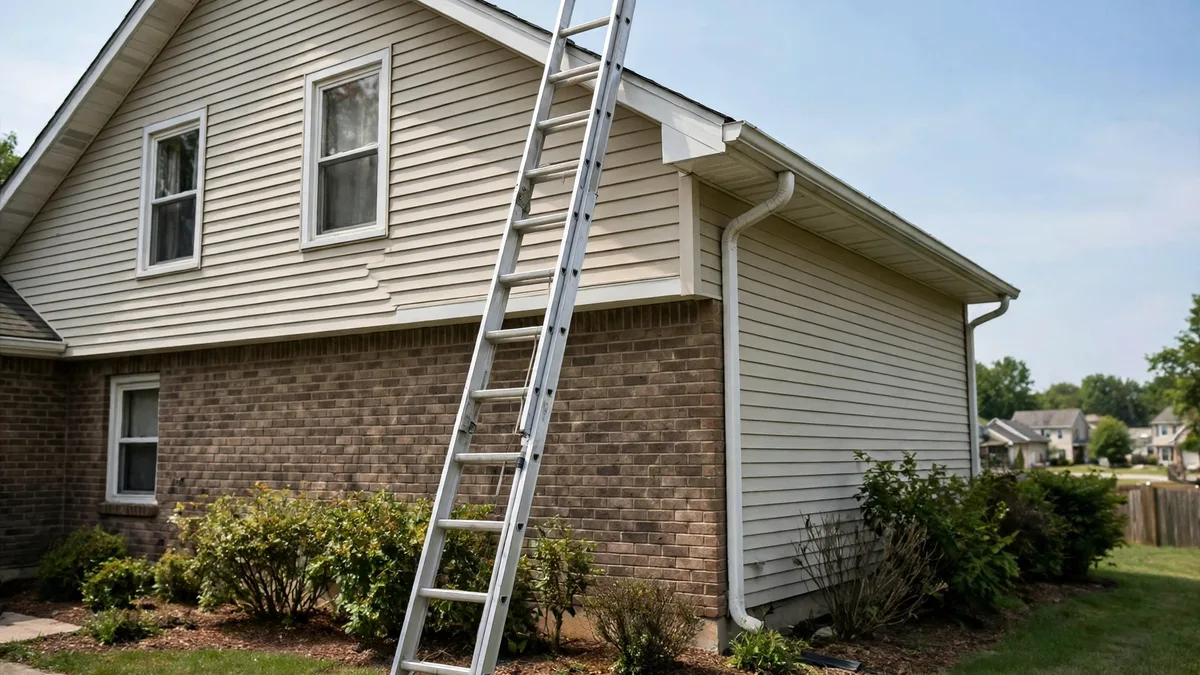
- Set up at about 75 degrees, base one quarter of the working length from the wall, and check both rung locks click home before you climb.
- Aluminium suits most homes because it is light and never rusts; fibreglass is heavier but does not conduct electricity, which matters near overhead cables.
- Your weight plus tools, paint and everything you carry must stay comfortably under the duty rating.
What an Extension Ladder Actually Is
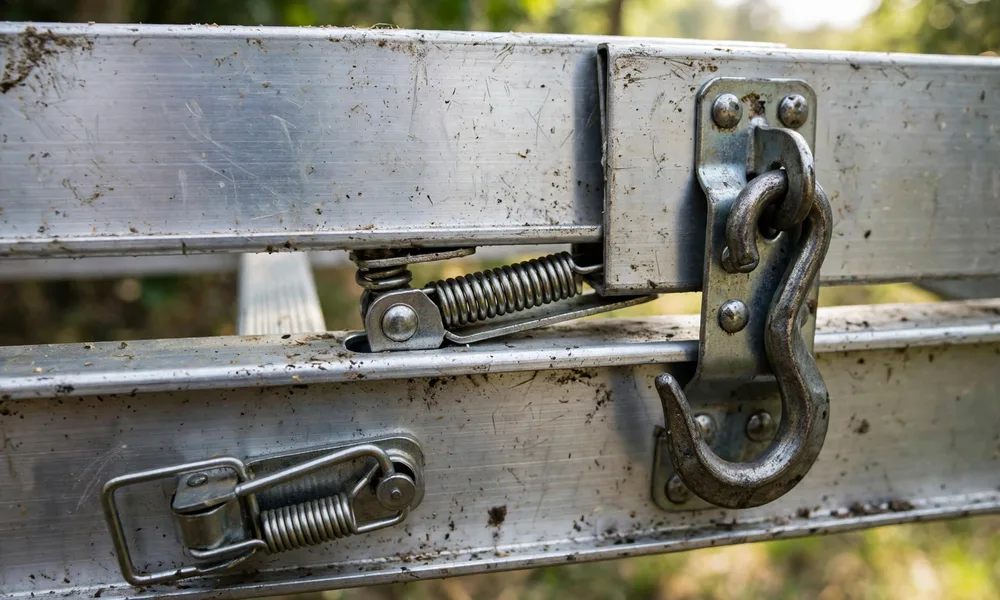
An extension ladder is two, sometimes three, sections that slide along each other and lock at set heights, the fly section held by spring-loaded rung locks. You carry it collapsed, lean it against the wall, raise the fly section, and let the locks catch. That sliding design is the whole point: one ladder covers a range of heights, from a low gutter to a second-storey eave, and stores flat.
It is worth being exact about what it is not. A step ladder stands on its own in an A-frame and needs no wall; it suits painting a ceiling indoors, not a roof. A step stool is smaller still, two or three steps for a high shelf, and has no business outdoors at height. Our guide to ladders that stay steady on any surface covers the ground and the feet in detail, and our guide to the best versus worst ladders of 2026 compares the two ends of the market. A multi-position ladder, which folds into several shapes, does several jobs adequately; an extension ladder does one job, reaching high leaning surfaces, and does it better.
How High Do You Actually Need to Reach?
Start with a tape measure, not a catalogue: stand where the ladder will stand and measure straight up to the gutter, roof edge or window. Then add one metre: the handhold you need to step safely onto the roof. A ladder ending exactly at the gutter leaves you nothing to hold as you step off, the most dangerous moment of the job.
Then allow for the angle: set up at about 75 degrees, its working height is less than its full extended length, and the sections overlap where they slide past each other, eating further length. As a rough rule, add the metre of handhold, then another fifth on top. A gutter at five metres needs a ladder of roughly seven metres extended length. Buying a six-metre ladder for a five-metre gutter is the most common sizing mistake, and it ends with someone standing on the top rung. Aluminium ladders of six to eight metres are usually a one-person job; fibreglass at the same length often needs two people.
The Main Types of Extension Ladder
Two-Section Aluminium Ladders
The default for most homes in 2026: two aluminium sections, a rope and pulley or push-up action, and rung locks that snap over the rungs. Aluminium is light, does not rust, and is easy to carry and raise. Its weakness is electricity: aluminium conducts, so it is the wrong choice near overhead power lines or live wiring.
Two-Section Fibreglass Ladders
Fibreglass looks similar but behaves differently. It is heavier, stiffer and more expensive, and it does not conduct electricity, which is why electricians and anyone working near a service cable should choose it. It is several kilograms heavier at the same length, which matters when you raise it alone.
Three-Section Ladders
A three-section ladder collapses shorter for storage and transport, which suits a small car or a crowded garage, and it extends just as far. The price is complexity: two sets of locks to check instead of one, and a little more flex in the frame. For a ladder that lives in a garage and comes out for gutters, a two-section model is simpler and stiffer. Telescopic ladders, which collapse rung by rung, are a different tool: their many small locks are harder to check, and one failed lock can collapse the whole ladder.
What to Check Before You Buy
Rung Locks That Click Home
The rung locks are the safety system. The best ladders use spring-loaded locks that snap over a rung with a clear click you can see and feel. In the shop, extend the ladder and try to push the fly section down without lifting the locks; it should not move. Check both locks every time you climb.
Rungs You Can Stand On
A good rung is wide, flat and slip-resistant, with a treaded surface that grips your shoes even when they are dusty or damp. Round rungs, common on cheap ladders, are harder on your feet and easier to slip on during a long gutter clear.
Feet, Stabiliser Bars and the Ground
The feet keep the whole ladder from sliding out from under you, the most common cause of ladder falls. Look for wide, angled feet of soft, grippy rubber that sit flat on concrete and paving. Some have swivelling feet for uneven ground and fold-out spikes for grass. A stabiliser bar across the base spreads the load, stops the ladder twisting sideways, and makes the base far harder to slide; for outdoor work at height it is worth having on every ladder you buy.
Duty Rating With a Margin
The duty rating is the maximum load the ladder is built for, and it must cover your weight plus everything you carry: tools, paint and a bucket. A ladder rated for 100 kilograms is not enough for a 90-kilogram climber carrying a ten-kilogram paint tin. Buy a rating with a margin.
Frame Rigidity and Rope
Push the extended ladder gently from the side. A good frame barely flexes, with tight joints and rungs that do not bow. On a rope-operated ladder, check the rope is not frayed; it is cheap to replace before it matters.
Extension Ladders Compared
| Pick | Best for | Key strength | Watch out for |
|---|---|---|---|
| Best overall | Most homes, gutters and windows | Two-section aluminium, wide treaded rungs, stabiliser bar | Conducts electricity; never use near overhead cables |
| Best for electrical work | Near service cables and live wiring | Fibreglass rails that do not conduct | Heavier to carry and raise alone |
| Best for storage | Small cars and crowded garages | Three sections collapse short | Two sets of locks to check; a little more flex |
| Best budget | Occasional low gutter work | Light, simple, cheap to replace | Round rungs and thin feet; check the locks twice |
| Best for tall roofs | Second-storey eaves and high gutters | Long reach with a metre of handhold above the roof edge | Needs two people to raise safely |
Setting Up Safely, Step by Step
Most accidents happen before the climb, in the setup. First, pick flat, firm, dry ground, clear the spot under each foot, and use spikes or a stabiliser bar on soft ground. Second, set the angle: base one quarter of the working length from the wall, about 75 degrees. Too steep and it can tip backwards; too flat and the base can slide out.
Third, extend the fly section at least one metre above the gutter or roof edge, and check both rung locks have clicked home. Tie the top off if you can, climb facing the ladder with three points of contact, and carry tools in a belt or a bucket on a rope. Never stand on the top three rungs, and never lean sideways to reach further: climb down, move the ladder, and climb again. Reaching sideways is how ladders tip.

Mistakes That Cause Falls
The worst extension ladders fail in small, predictable ways. Cheap locks slip under load, cheap feet slide on smooth concrete, and cheap rungs bend under a heavier climber. The most common mistakes are human: buying too short and standing on the top rung, setting up too flat, climbing with a paint tin in one hand, and working in wind or rain. A job that needs doing in a storm can wait a day.
Store it flat, dry and out of direct sun. Check the feet each spring: smooth, hardened rubber grips little better than plastic. If the rope frays, the locks stick, or a rail bends, retire the ladder. For short indoor reaches, a step stool is safer and quicker than any ladder. Our guide to the top step stools for reaching high shelves covers the two and three-step options for kitchens and wardrobes. The rule is simple: the right tool for the height.
Buying Checklist
- Measure the height first, then add one metre of handhold and a fifth for the angle and overlap before choosing a length.
- Check the duty rating against your weight plus tools, paint and kit, with a margin to spare.
- Extend the ladder in the shop and confirm both rung locks click home firmly and cannot be pushed down by hand.
- Stand on a rung: it should be wide, flat and treaded, not round and slippery.
- Look for wide rubber feet and a stabiliser bar, and fold-out spikes if you will climb from grass or soil.
- Choose fibreglass if you will work near overhead cables; otherwise aluminium is lighter and easier to raise alone.

Frequently Asked Questions
What size extension ladder do I need for a two-storey house?
Measure to the gutter, add one metre of handhold, then add about a fifth for the angle and the section overlap. For most two-storey houses that means a seven or eight metre ladder.
What angle should an extension ladder be set at?
About 75 degrees, with the base one quarter of the working length from the wall.
Can I stand on the top rung of an extension ladder?
No. Never stand on the top three rungs. The ladder must extend at least one metre above the point you step onto, so you always have a handhold and a rung under your feet.
Is aluminium or fibreglass better for an extension ladder?
Aluminium is lighter, cheaper and rust-free, which suits most homes. Fibreglass costs more and weighs more, but it does not conduct electricity, so it is the right choice near overhead cables.
How do I know if my extension ladder is still safe?
Check the rung locks click firmly, the feet are soft rubber rather than smooth and hardened, the rope is not frayed, and the rails are straight with no bends or cracks. If any of those fail, retire the ladder.
Do I need a stabiliser bar?
Not always, but for outdoor work at height it is the best safety upgrade you can buy. It spreads the load, stops sideways twisting and makes the base far harder to slide, which matters most on uneven or soft ground.
The Bottom Line
An extension ladder is a simple tool with one job: to reach high, leaning surfaces safely. Buy by working height, check the locks and feet before every climb, and set it up at 75 degrees with a metre of handhold above the roof edge. The best extension ladder is not the tallest or the most expensive one. It is the one that reaches your gutter with a rung to spare, locks with a click you can trust, and stands firm on the ground you actually have.


