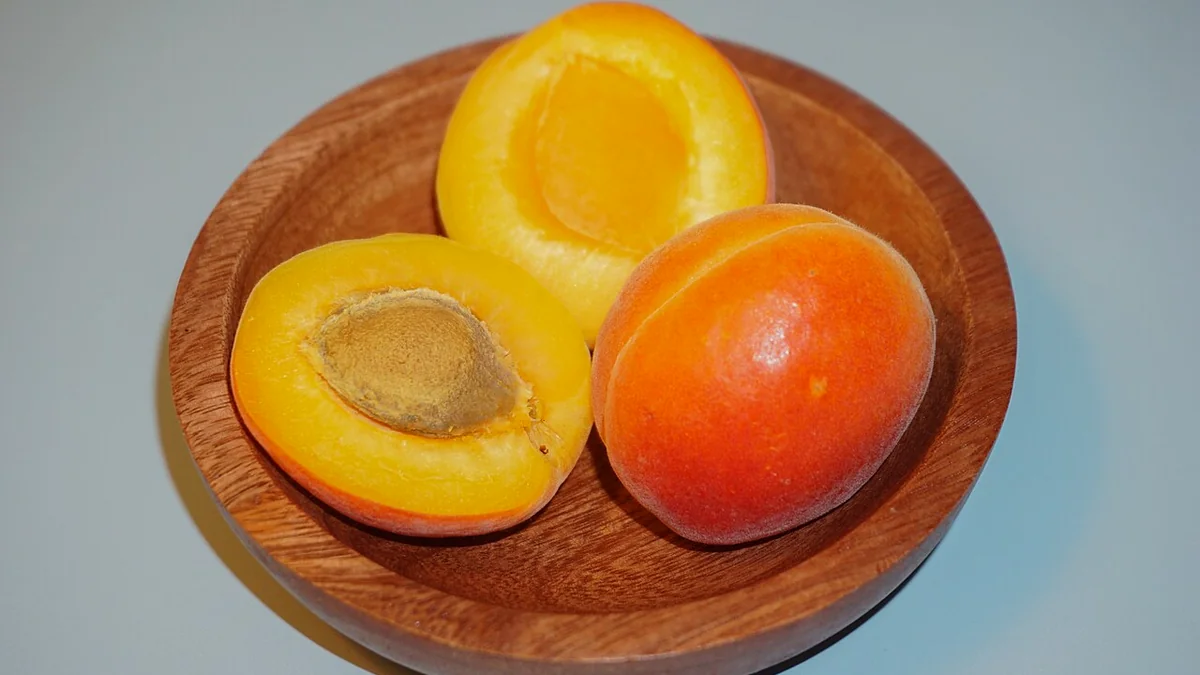
Frozen apricots are the quiet overachievers of the freezer aisle, and in 2026 they deserve far more attention than they get. A good bag of frozen apricots tastes of high summer: honeyed, a little tart, and soft enough to fold into a bake without turning to mush. They cost a fraction of fresh apricots out of season, they never go soft in the fruit bowl, and they are ready the moment a recipe calls for them.
The catch is that not every bag is worth buying. Some are mostly broken pieces in syrup, some are so sour they need rescuing with sugar, and some thaw into a puddle before they reach the oven. This guide explains how frozen apricots are made, how halves compare with slices, what sweetness to expect, and how to bake, roast, and thaw them so they taste like fresh apricots.
Key Takeaways
- Buy apricot halves, not slices or pieces, when you want fruit that holds its shape in bakes and roasts.
- Plain apricots beat sweetened bags every time: you control the sugar.
- Use frozen apricots straight from the freezer for baking. Thawing first makes batters soggy and crumbles wet.
- Apricots are tart as well as sweet, so taste a piece before deciding how much sugar a recipe needs.
- Keep bags sealed and flat, use opened bags within three months, and never refreeze apricots that have thawed.
What Frozen Apricots Actually Are
Frozen apricots are fresh apricots that were picked ripe, halved or sliced, pitted, and frozen quickly, usually within hours of harvest. The speed matters more than almost anything else. Fast freezing forms small ice crystals that do little damage to the fruit, so the colour, flavour, and bite survive far better than they do with slow freezing in a home freezer.
Most frozen apricots are picked at full ripeness, a genuine advantage over fresh apricots shipped long distances. Fresh apricots in winter are often picked under-ripe so they survive the journey, and they can stay hard and sour for days. Frozen apricots ripened properly before freezing, so they can taste better than the fresh ones on the shelf, and cost far less too.

Halves vs Slices vs Whole: The Cut That Matters
The most important choice when buying frozen apricots is the cut, because it decides what the fruit can do in the kitchen. Halves, slices, and whole apricots behave differently once they hit heat, and the right one depends on what you plan to make.
Halves
Halves are the best all-round buy. A halved apricot keeps its shape in a tart, a crumble, or a roast, and looks generous on the plate. The skin holds the flesh together as it cooks, so halves soften without collapsing, and their cupped shape catches juices in a way slices never do. If you buy only one kind, buy halves.
Slices
Slices are the fast option. They thaw in minutes, fold easily into muffin batter and porridge, and cook down quickly into sauces and compotes. Their weakness is structure: a slice has no skin holding it together on both sides, so it softens fast and can disappear into a bake. Slices suit dishes where the apricot is a flavour rather than a feature, such as smoothies and sauces.
Sweetness and Tartness: Reading the Bag
Apricots are not one-note sweet. A ripe apricot is honeyed at first bite and tart at the finish, and freezing preserves both sides. That balance makes apricots useful in baking: they cut through butter, cream, and sugar instead of disappearing into them. But a bag can surprise you, because apricots vary more in sweetness than most frozen fruit.
First, check the ingredients list. It should say one thing: apricots. If sugar, syrup, or juice concentrate appears, the bag is sweetened, and it will make everything you cook sweeter than planned. Sweetened apricots are harder to use across recipes, because a tart that needs a little sugar and a smoothie that needs none both start from the same sweetened fruit. Plain apricots cost less and leave the decisions to you.
Second, check the colour. Good frozen apricots are a deep, warm orange with no pale or grey patches, which mean freezer burn: cold air has dried the surface out, and the flavour goes with it. Look through the clear panel before you buy, and pick the bag with the richest colour.
Finally, taste before you sweeten. Thaw a single half before deciding how much sugar a recipe needs: some bags are honey-sweet and need barely any, others are sharp enough to need a spoonful more than the recipe says. Five minutes saves a tart that is either cloying or mouth-puckering.
Baking With Frozen Apricots
Baking is where frozen apricots earn their keep, and where people go wrong most often. The golden rule is to use the fruit frozen, straight from the bag, and never to thaw it first. Thawed apricots leak juice into the batter, and the bake comes out soggy in the middle and pale on top. Frozen apricots release their juice slowly as they bake, and the crumb stays light. Our guide to frozen fruit makes the same point for berries and mango.
Toss the frozen halves in a spoonful of flour before folding them into the batter. The coating stops the fruit sinking to the bottom, the most common fault in apricot muffins and cakes. Add two or three minutes to the baking time, because the cold fruit slows the bake, and test with a skewer: it should come out clean apart from a little apricot juice.
Roasting and Stewing Apricots
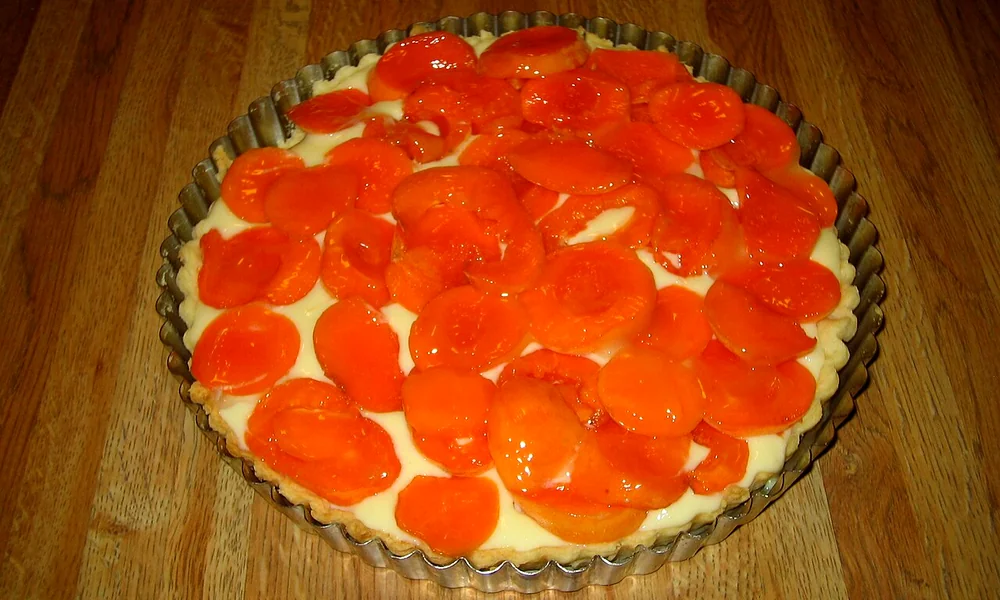
Roasting is the most underrated way to use frozen apricots, and the one that tastes most like fresh fruit. Toss frozen halves with honey, butter, and a pinch of salt, then roast until the edges brown and the juices turn syrupy. The skin wrinkles, the flesh concentrates, and the tartness mellows into something warm and almost caramel-like. Roasted apricots are superb over yoghurt, porridge, or ice cream, and a fine side for roast pork or chicken, where their sharpness cuts the richness.
Stewing is the gentler option and the best use for slices or broken pieces. Simmer frozen apricots with a splash of water, a spoonful of sugar, and a strip of lemon peel for ten minutes, and they collapse into a soft compote that keeps in the fridge for a week: on toast, stirred through yoghurt, or as a filling for crumbles. Stone fruit shares the same tricks, and our guide to frozen peaches covers the habits that carry over neatly.
Thawing: When to Thaw and When Not To
Thawing is the question that causes the most confusion, and the answer depends entirely on the dish. For baking, roasting, and smoothies, do not thaw at all: use the fruit frozen and let the heat or the blender do the work. For eating on its own, in yoghurt, or in a salad, thawing is essential, because a frozen apricot half is hard, icy, and almost flavourless until it softens.
The best way to thaw apricots is slowly, in the fridge, in a bowl with a plate underneath to catch the juices. Give them an hour or two, and eat them the same day. Room-temperature thawing is faster but uneven, and the outside can go mushy while the centre is still icy. Never use the microwave: it turns them to pulp in seconds, and the flavour goes flat.
Frozen Apricots at a Glance
| Cut | Best for | Texture | Watch out for |
|---|---|---|---|
| Halves | Tarts, crumbles, roasting | Holds its shape | Costs a little more |
| Slices | Smoothies, sauces, porridge | Softens fast | Disappears in bakes |
| Whole | Roasting whole | Firm, slow to thaw | Stone still inside |
Smoothies and Breakfast
Frozen apricots make a better smoothie than most people expect. They blend thick and creamy, chill the drink without watering it down, and their tart edge keeps it from tasting like dessert. Pair them with banana and yoghurt for a breakfast that needs no added sweetener. Start with a cup of frozen apricots, half a cup of liquid, and a spoonful of yoghurt, then adjust: too thick, add liquid; too thin, add fruit. Berries play the same role, and our guide to frozen berries covers the combinations that work best.

Storage: Keeping Frozen Apricots at Their Best
Frozen apricots keep for months, but not forever, and how you store them decides how they taste. Keep bags sealed tightly, squeeze out the air, and lay them flat so they freeze in a thin layer. Flat bags stack neatly, thaw faster, and form fewer icy clumps.
Use opened bags within three months for the best flavour, and label each bag with the date you opened it. After three months the apricots are still safe, but the flavour fades and freezer burn sets in. Freezer-burned apricots taste tired, so use them stewed or blended rather than on their own.
Never refreeze apricots that have thawed: the ice crystals melt and refreezing turns the fruit to mush. If a bag has thawed by accident, use it within a day: stew it into a compote, blend it into a smoothie, or bake it into a crumble.
What to Skip and the Mistakes That Ruin Them
The worst frozen apricots are not a particular brand: they are a bag bought for the wrong job or used the wrong way. The most common mistake is thawing apricots for a bake: thawed halves leak juice into the batter, and the result is soggy in the middle and pale on top. Use the fruit frozen.
The second mistake is buying sweetened apricots without noticing. Check the ingredients: if sugar, syrup, or juice concentrate appears on the list, the bag is sweetened, and it will make everything you cook with it sweeter than you planned. Plain apricots are almost always the better buy, and they cost less.
Shopping Checklist
- Apricots are the only ingredient on the list, with no added sugar, syrup, or juice concentrate.
- The cut suits your cooking: halves for baking, slices for smoothies and sauces.
- The bag feels loose and free-flowing, not like a single solid block of ice.
- The fruit inside looks deep orange and colourful, with no pale freezer-burned patches.
- The halves look mostly whole, not crushed into pieces.
- The bag is a size you will use within three months of opening it.
Frequently Asked Questions
Are frozen apricots as healthy as fresh apricots?
Yes, in most cases. Frozen apricots are picked ripe and frozen quickly, so they keep most of their vitamins, minerals, and fibre — often more than fresh apricots that have travelled for days.
Should I thaw frozen apricots before baking?
No. Use them frozen, straight from the bag, tossed in a spoonful of flour so they do not sink. Thawing first makes batters soggy; add two or three minutes to the baking time instead.
Why are my frozen apricots so sour?
Apricots are naturally tart as well as sweet, and some bags lean sharp. Taste a thawed half before you cook, and adjust the sugar to match the fruit.
Can I refreeze apricots that have thawed?
No. Refreezing thawed apricots turns them to mush. Use thawed apricots within a day, stewed, blended, or baked.
Are frozen apricot halves better than slices?
For baking and roasting, yes: halves hold their shape. For smoothies, sauces, and porridge, slices are faster and just as good, because the fruit is meant to break down anyway.
How long do frozen apricots last?
Unopened bags keep for six to twelve months at a steady temperature. Once opened, use the apricots within three months for the best flavour; after that they are still safe, but freezer burn sets in.
The Bottom Line
Frozen apricots bake like fresh apricots in 2026 when you buy the right bag and treat it properly. Choose plain halves with a deep orange colour, use them frozen for baking and roasting, taste before you sweeten, and use opened bags within three months.


