Top Frozen Blueberries for Smoothies and Baking in 2026
Frozen blueberries are the easiest frozen fruit to buy with confidence. A good bag opens onto berries that are loose, deep blue and sweet, ready to blend or bake. The best frozen blueberries in 2026 are not about one brand or one bag, but about knowing the two kinds of blueberry in the freezer, reading the bag properly, and using the berries frozen instead of thawing them first. This guide explains whole versus wild blueberries, what makes one bag sweeter than another, and how to get the most from them in smoothies and baking.
Key Takeaways
- Blueberries freeze better than almost any fruit: their thick skins keep them whole, their colour holds, and their flavour survives freezing intact.
- Wild blueberries are small, intensely flavoured and best for baking; cultivated ones are larger, milder and cheaper, and better for smoothies.
- Buy plain berries with nothing added: a bag that lists added sugar is sweetening dull fruit.
- Use frozen blueberries straight from the freezer. Thawing first makes smoothies thin, bakes soggy and porridge purple.
- Squeeze the bag before you buy it. Loose, free-flowing berries are fresh; a solid clump means the bag has thawed and refrozen.
Why Blueberries Freeze Better Than Almost Any Fruit
Most fruit suffers in the freezer. Strawberries go soft, mango turns stringy, and peaches lose their perfume. Blueberries are the exception, and the reason is their skin. Each berry wears a thick, waxy coat that protects the soft flesh inside from ice crystals, so the berry comes out of the freezer looking and tasting much like it went in.
Frozen blueberries need no washing, no hulling and no chopping. They pour straight from the bag into the blender, the bowl or the batter, and they chill a smoothie as they blend, so there is no need for ice. That combination is what makes them the hardest-working bag in the freezer. Our guide to frozen berries compares blueberries with the rest of the berry family, if you are choosing between mixed bags and single-berry bags.
Whole Versus Wild: The Two Blueberries in the Freezer
The freezer aisle holds two kinds of blueberry, and they are not interchangeable. Most bags hold cultivated blueberries, the large, mild berries grown on high bushes. A smaller number hold wild blueberries, the tiny berries picked in the wild in Maine and Canada. They look similar in the bag but cost and behave very differently in cooking. Knowing which one you are holding is the single most useful thing about buying frozen blueberries.

Cultivated Blueberries: Big, Mild and Everyday
Cultivated blueberries are the ones most people picture: plump, roughly the size of a pea, with a dusty blue bloom on the skin. They are bred for size and mild sweetness, and they are the cheapest frozen blueberry. Their gentle flavour makes them the better choice for smoothies, where a strong berry can overpower everything else, and for snacking straight from the bag. They blend completely and give a smoothie its thickest, smoothest texture.
Their size is also their weakness in baking. A large berry is more likely to burst in the oven and leave a purple stain in the crumb, which looks generous in a muffin but messy in a pale cake. Cultivated berries also vary from bag to bag: an early-season bag can be tart, a late-season bag honeyed.
Wild Blueberries: Small, Intense and Built for Baking
Wild blueberries are a different ingredient hiding under the same name. They are about half the size of cultivated berries, sometimes smaller, and their flavour is concentrated: sweeter, sharper and more perfumed, with a wine-like depth the big berries do not have. They hold their shape even better in baking, because there is less juice inside each tiny berry to burst, and they distribute through a batter far more evenly, so every bite of a muffin has blueberry in it.
The catch is price. Wild blueberries cost noticeably more, sometimes twice as much per bag, and they are harder to find. They are worth it for baking and for sauces, where their intensity means less sugar. They are wasted in a smoothie, where their flavour is diluted and their size makes no difference. Buy wild for the oven, cultivated for the blender.
Blueberry Types at a Glance
| Type | Size and flavour | Best for | Watch out for |
|---|---|---|---|
| Cultivated | Large, mild, gently sweet | Smoothies, snacking, porridge | Bursts in baking, variable sweetness |
| Wild | Small, intense, sharp-sweet | Muffins, cakes, sauces, compotes | Costs more, harder to find |
| Whole, loose | Firm, separate berries | Everything, especially baking | Check the bag is not clumped |
| Crushed or broken | Soft, stained, uneven | Smoothies and sauces only | Stains batters, looks dull |
What Makes One Bag Sweeter Than Another
Sweetness in frozen blueberries is ripeness plus variety, and both are visible before you buy. Look through the bag: the berries should be deep, even blue, almost black at best. Pale, reddish or greenish berries were picked under-ripe, and they will taste tart however much sugar you add. A bag mixing deep blue and pale berries comes from different pickings and will taste uneven; the best bags are uniform in colour.
Size is the second clue. In cultivated blueberries, medium berries are usually sweeter than very large ones, which carry more water than sugar. The ingredient list is the third clue, and it should say one thing: blueberries. A bag that lists added sugar, syrup or juice is sweetening dull fruit, and sweetened berries are too sweet for a savoury sauce and too sticky for a bake that already has sugar.
Smoothies: Where Frozen Blueberries Earn Their Keep
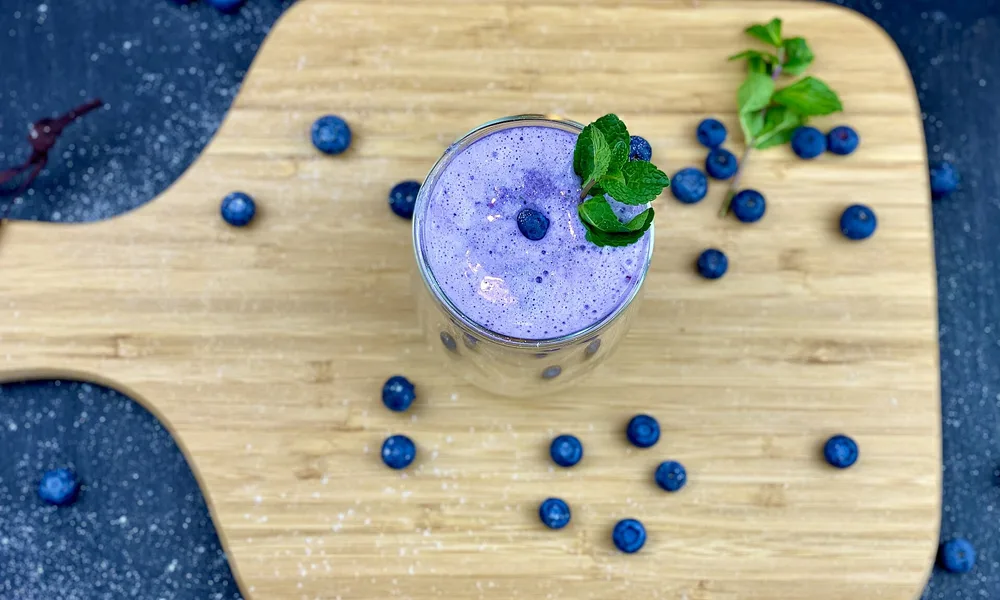
Smoothies are the best everyday use for frozen blueberries, and the reason most people buy them. A frozen blueberry does three jobs at once in a blender: flavour, chill and thicken. Because the berries are already frozen, there is no need for ice, and the smoothie comes out thick and cold. Cultivated berries are the right choice here, because they blend completely, giving the smoothest texture of any frozen berry.
The classic blueberry smoothie is simple: a cup of frozen blueberries, a banana, a spoonful of yoghurt and a splash of milk. The banana adds sweetness and body, the yoghurt adds tang. Add a spoonful of oats and it becomes a breakfast that keeps you full until lunch. Add a handful of spinach and the colour stays purple while the flavour stays blueberry. Frozen strawberries make a lighter, brighter alternative if you want a change, though they never thicken quite as well.
Baking with Frozen Blueberries
Frozen blueberries are often better than fresh for baking, and the reason is firmness. A frozen berry is rigid, so it does not burst and bleed as easily in the oven as a soft fresh berry. It holds its shape, keeps its colour, and distributes evenly through the batter. That is why bakers often reach for the freezer bag even when fresh berries are in season.
Muffins and Cakes
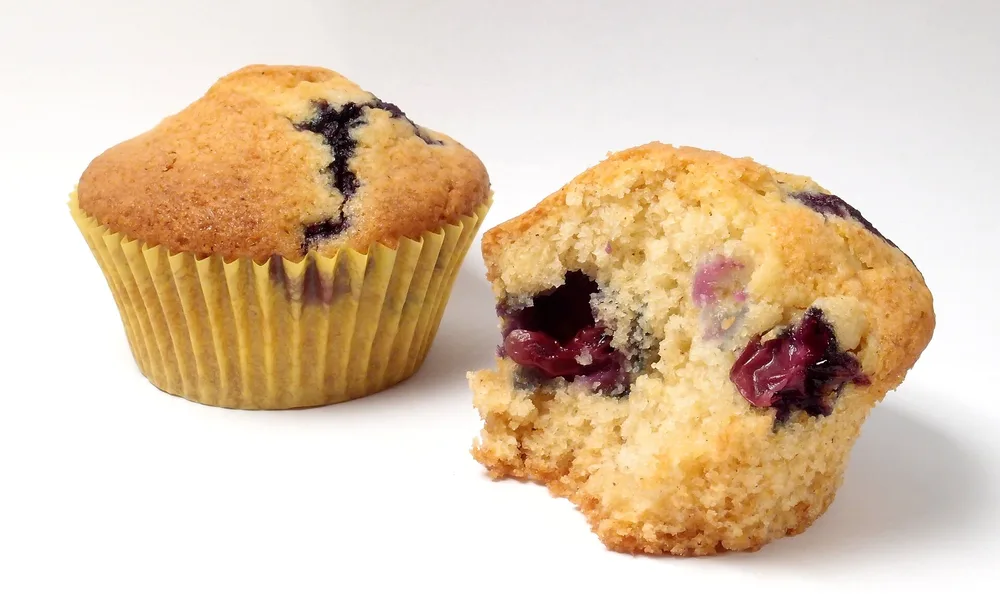
Muffins are the classic blueberry bake, and frozen berries suit them perfectly. Toss the frozen berries in a spoonful of flour before folding them in, which stops them sinking, and add two or three minutes to the baking time, because the cold fruit slows the bake. Wild blueberries are the best choice here: their small size spreads through the batter, and their intense flavour survives the oven. Test with a skewer before taking them out, and let them cool in the tin for five minutes.
In cakes, the same rules apply, with one extra caution. A pale sponge shows every purple stain, so fold the berries in last and stir once; a second stir breaks them and turns the batter grey-blue. A blueberry crumble is the most forgiving bake of all: scatter the berries into the dish, top with crumble, and bake until the juices bubble.
Pancakes, Porridge and Breakfast Bakes
Pancakes take frozen blueberries beautifully. Drop the berries onto the pancake as soon as the batter hits the pan, rather than stirring them in, so they stay whole and do not stain the mix. They soften in the heat and burst gently when you cut into them. Porridge is the other everyday use: stir a handful into hot porridge and they thaw in the bowl, cooling it while turning the oats a soft purple. Add them at the end, not the start, or they will cook down to mush.
Thawing, Storage and Shelf Life
Thaw frozen blueberries only when you must, and thaw them properly when you do. Smoothies, baking and porridge all want the berries frozen. Thawing is only needed for eating raw, for salads, or for garnishing a dessert. To thaw, spread the berries in a single layer on a plate lined with kitchen paper and leave them in the fridge for an hour. Never thaw them in water, which washes away their colour and flavour.
Storage matters as much as buying. Unopened bags keep for six to twelve months, but the flavour fades after about six. Once opened, squeeze the air out of the bag, seal it tightly, and use the berries within three months. A bag left open dries out and picks up the taste of everything else in the freezer. Frozen fruit in general keeps by the same rules.
Frozen Blueberry Buying Checklist
- Pick the type for the job: cultivated for smoothies and snacking, wild for baking and sauces.
- Squeeze the bag before you buy it. Loose, free-flowing berries are fresh; a solid block has thawed and refrozen.
- Look for deep, even colour through the bag. Pale or reddish berries were picked under-ripe and will taste tart.
- Buy plain berries with nothing added. A bag that lists sugar or syrup is sweetening dull fruit.
- Check the variety on the front: a bag that says wild should cost more.
- Seal the bag tightly after opening and use the berries within three months for the best flavour.
Frequently Asked Questions
Should I thaw frozen blueberries before baking?
No. Use them straight from the freezer. Thawed berries bleed into the batter, sink to the bottom and make the bake soggy. Toss frozen berries in flour, fold them in last, and add two or three minutes to the baking time.
Are wild blueberries worth the extra money?
For baking, yes. Their small size spreads evenly through a batter, their flavour is more intense, and they hold their shape better in the oven. For smoothies, no: their flavour is diluted and their size makes no difference, so cultivated berries are the better buy.
Why do my frozen blueberries sink in muffins?
Because they are heavy and the batter is thin. Tossing them in flour helps them grip the batter, and wild blueberries help too, because smaller berries sink more slowly. A thicker batter also holds them better.
How long do frozen blueberries last?
Unopened bags keep for six to twelve months in a freezer that stays at a steady temperature, with the best flavour in the first six months. Once opened, seal the bag tightly and use the berries within three months.
Can I use frozen blueberries instead of fresh?
Yes, in almost every cooked dish and smoothie, and they are often better, because they are firmer and do not burst as easily. The one place fresh wins is eating raw, where a thawed blueberry is softer than a fresh one.
Why did my blueberry muffins turn grey?
Because the berries were stirred too much or thawed first. Frozen berries bleed when they are broken or warmed. Fold them in frozen and stir once, and the batter stays golden.
The Bottom Line
The best frozen blueberries in 2026 are plain, loose, deep-coloured berries bought for the job at hand: cultivated for smoothies and snacking, wild for baking and sauces, used straight from the freezer. Buy the bag that feels free-flowing and skip any bag with added sugar. Do that, and the cheapest bag in the freezer becomes the most reliable one in the kitchen.