
Top Hair Masks for Dry, Damaged Hair in 2026
The best hair mask in 2026 is a rich rinse-out treatment used once or twice a week, because it gives dry, damaged hair a concentrated dose of moisture and repair that a daily conditioner never has time to deliver. A hair mask is not a fancier conditioner: it is a thick cream, left on for ten to twenty minutes, that soaks into the lengths and ends where damage lives. If your hair feels rough, snaps easily or looks dull no matter what you wash it with, a mask does in one weekly session what months of ordinary washing cannot.
Hair damage builds up slowly. Heat, colour, bleach, sun and rough brushing wear away the hair’s outer layer, and once it is rough, hair loses moisture every time it is washed. A mask fills that gap: it coats each strand and holds the ingredients there long enough to sink in, so hair feels softer, looks shinier and breaks less. This guide covers the types worth buying, the ingredients that matter, and the routine that makes them work.
Key Takeaways
- A hair mask is a weekly deep treatment, not a daily conditioner: it stays on for ten to twenty minutes so rich ingredients can sink in.
- Rinse-out cream masks are the best starting point for dry and damaged hair: easy to use, easy to wash out.
- Leave-in masks suit fine hair, because a small amount gives lasting softness without the heavy feeling.
- Look for shea butter, ceramides, hydrolysed protein and panthenol, and be wary of heavy silicones that only fake the shine.
- Once a week is enough for most hair, with a daily conditioner doing the maintenance in between.

What a Hair Mask Actually Is
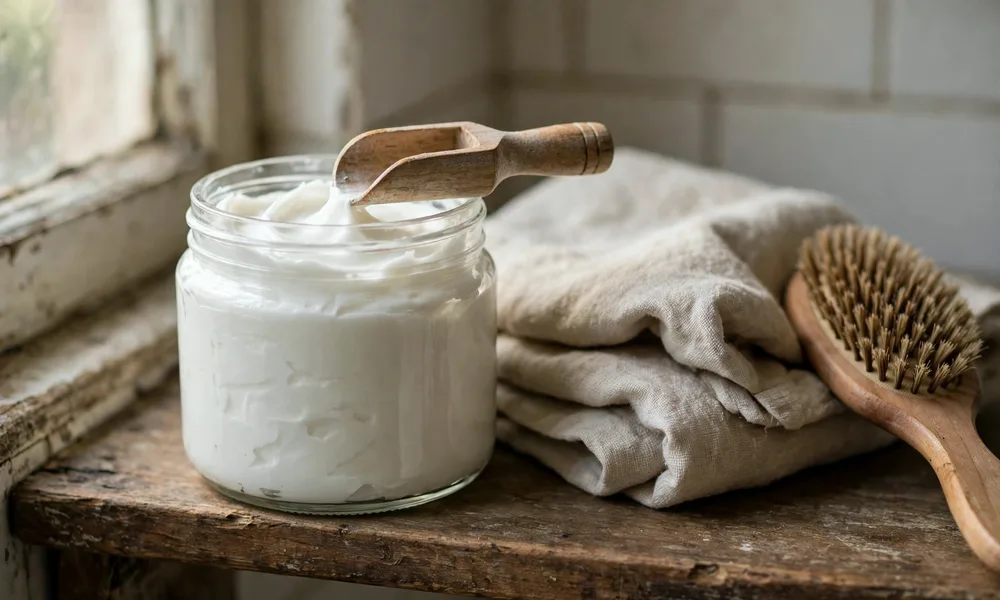
A hair mask is a concentrated conditioning treatment left on far longer than a normal conditioner: a thick cream smoothed through the mid-lengths and ends after shampooing, left for ten to twenty minutes, then rinsed out. The extra time is the whole point: it lets moisturising and repairing ingredients settle into the hair instead of sliding down the drain.
The difference from a daily conditioner is time and richness. A conditioner works in two or three minutes and rinses away cleanly, so it is light by design. A mask stays put, so it can be far richer. One or two sessions a week is the sweet spot for most hair, and a daily conditioner covers the days in between. If you want the full picture of that everyday step, the best conditioners for soft, healthy hair in 2026 explains what a good daily conditioner should do.
A mask is also different from a hair oil, even though both aim at softness. An oil coats the outside of the hair and seals moisture in as a finishing step, while a mask works inside the wash routine to rebuild softness from within. The two pair well, and our guide to hair oils that actually work in 2026 shows which oils suit each hair type if you want to add one after masking.
The Main Types of Hair Mask, Compared
Most masks fall into four families. Rinse-out masks are the classic choice. Leave-in masks are lighter and stay in until the next wash. Overnight masks are the richest, sealed in while you sleep. Scalp masks treat the skin under the hair rather than the lengths, a different job altogether.
| Type | Best for | Leave-on time | Watch out for |
|---|---|---|---|
| Rinse-out cream mask | Dry, damaged or coloured hair | 10 to 20 minutes | Can feel heavy on very fine hair |
| Leave-in mask | Fine hair, frizz, daily softness | Until next wash | Too much leaves hair limp |
| Overnight mask | Very dry or bleached hair | All night | Can stain pillowcases |
| Scalp mask | Dry, flaky or itchy scalps | 10 to 15 minutes | Not a substitute for a lengths mask |
For most people, a rinse-out cream mask is the right first buy: forgiving, and it works on the widest range of hair. Leave-in masks suit fine hair that rich products flatten. Overnight masks earn their place only when hair is seriously dry, such as after bleach.
The 7 Best Hair Masks for Dry, Damaged Hair in 2026
1. Best overall: rich rinse-out cream mask
The mask most people should buy first is a thick, fragrance-light cream built around shea butter and ceramides. It spreads easily and rinses out without residue. Use it weekly for fifteen minutes: hair feels softer after one use, and it suits dry, damaged and coloured hair equally.
2. Best for damaged hair: protein repair mask
Hair that snaps, splits or feels stretchy when wet needs protein, not just moisture. A repair mask with hydrolysed keratin or wheat protein fills gaps in damaged strands. Use it every other week, since too much protein makes hair stiff, and alternate it with a moisture mask.
3. Best for dry hair: moisture mask with shea and oils
Truly dry hair drinks moisture, and the best masks for it are the richest: shea butter, argan oil and glycerin high on the list. Apply generously to the ends for the full twenty minutes.
4. Best for coloured hair: colour-protecting mask
Colour fades fastest when hair is dry and porous, so a colour-protecting mask moisturises and seals the cuticle so pigment stays put. Look for colour-safe formulas, and wait a few days after colouring.
5. Best for curly hair: curl-defining mask
Curly hair is drier by nature, because scalp oils struggle to travel around each bend. A curl mask should be rich but not greasy, with slip that helps fingers glide through tangles. Apply in sections and rinse gently.
6. Best for fine hair: lightweight leave-in mask
Fine hair needs moisture too, but a heavy mask leaves it flat. A leave-in mask solves this: a pea-sized amount smoothed through damp lengths, from the ears down only.
7. Best budget: plain shea and coconut treatment
You do not need to spend much. A simple mask built on shea butter or coconut oil, warmed between your palms and worked through the ends, does most of what an expensive mask does.
Matching a Mask to Your Hair
Dry hair
Dry hair needs moisture above all else: a rinse-out cream mask with shea butter, glycerin or hyaluronic acid, used weekly. Avoid protein-heavy masks as your main treatment.
Damaged hair
Damaged hair needs moisture and protein in turns: a moisture mask one week, a protein mask the next. Soft but weak means more protein; strong but straw-like means more moisture.
Coloured hair
Coloured hair needs a mask that protects colour while it moisturises. Choose colour-safe formulas and rinse with lukewarm water: smooth hair holds colour longer.
Curly and coily hair
Curly hair is the thirstiest of all and rewards the richest masks. Use a generous amount in sections, under a shower cap for the full twenty minutes.
Fine hair
Fine hair needs a light touch. Choose a leave-in mask or a light rinse-out formula, use a small amount, and keep it away from the roots. Every ten days is usually enough.

Ingredients That Earn Their Place
Shea butter is the workhorse of hair masks: rich, deeply moisturising and kind to sensitive scalps. Ceramides help rebuild the hair’s outer layer, which stops moisture escaping between washes. Hydrolysed protein, usually keratin or wheat, patches damaged spots along the strand. Panthenol adds shine and makes hair easier to comb, while glycerin and hyaluronic acid pull moisture in and a little argan or coconut oil seals it there.
What to skip is almost as useful. Heavy silicones such as dimethicone give instant shine but build up over time, leaving hair dull and weighed down. Strong fragrance warns of trouble for sensitive scalps, and alcohol high on the list dries hair out. A short list with recognisable moisturisers near the top beats a long list of extras.
How to Use a Hair Mask Properly
The routine matters as much as the product. Start with shampoo, because a mask works best on clean hair: dirt and styling products block it from reaching the strand. The wash itself sets the stage, and the best shampoos for every hair type in 2026 explains how to choose one that cleans without stripping. Squeeze out excess water first, because soaking wet hair dilutes the mask, then smooth it through the mid-lengths and ends, never piling it onto the scalp, and comb through with a wide-tooth comb.
Then wait. Ten minutes is the minimum, and fifteen to twenty is better. A shower cap traps warmth and keeps the mask from dripping. Rinse with lukewarm water until it runs clear, finish cool to smooth the cuticle, and towel-dry gently. The result should be obvious the first time: softer ends, less frizz, hair that combs without a fight.
The Mistakes That Waste a Good Mask
The most common mistake is putting the mask on the roots: they do not need it, and the weight makes hair look greasy by lunchtime. The second is rinsing too soon: two minutes is a conditioner, not a mask. The third is masking every wash, which overloads the hair. The fourth is skipping shampoo first, which leaves a film between the mask and your hair. And the fifth is using a protein mask every week, which makes hair stiff over time. Rotate protein and moisture.
Hair Mask Checklist
- Choose a rinse-out cream mask first if your hair is dry or damaged, and a leave-in if it is fine.
- Check the label for shea butter, ceramides, protein or panthenol near the top of the list.
- Shampoo first, squeeze out excess water, then apply from the mid-lengths to the ends only.
- Leave it on for ten to twenty minutes, ideally under a shower cap for warmth.
- Rinse with lukewarm water, finish cool, and towel-dry gently instead of rubbing.
- Mask once a week, alternate moisture and protein, and skip a week if hair starts to feel limp.
Frequently Asked Questions
How often should I use a hair mask?
Once a week suits most hair. Very dry or bleached hair can handle twice a week, while fine hair often does better every ten days. If your hair feels heavy or limp, you are masking too often.
What is the difference between a hair mask and a conditioner?
Time and richness. A conditioner works in two or three minutes and is light enough for every wash. A mask stays on for ten to twenty minutes and needs only weekly use. They do different jobs and work best together.
Should I put a hair mask on my scalp?
Usually not. Masks are made for the lengths and ends, where damage lives, and putting them on the scalp can leave it greasy. The exception is a mask made specifically for the scalp.
Can I leave a hair mask on overnight?
Only if it is made for it. An overnight mask is designed to stay put and rinse out cleanly in the morning. A normal rinse-out mask left overnight can over-soften hair and stain your pillowcase, so stick to the label.
Do hair masks work on coloured hair?
Yes, and coloured hair often needs them most, because colouring dries hair out. Choose a colour-safe formula, wait a few days after colouring, and mask weekly to keep the colour fresh for longer.
Can I make a hair mask at home?
Yes. Warm shea butter or coconut oil, smooth it through the ends, leave for twenty minutes and wash out. It will not match a shop mask for slip and rinse, but it is a good option when money is tight.
The Bottom Line
The best hair mask for dry, damaged hair in 2026 is a rich rinse-out cream mask with shea butter and ceramides, used once a week for fifteen minutes after shampooing. It works because it gives moisture and repair the time they need, which a daily conditioner cannot offer. Pick the type that fits your hair, mind the ingredients, and let the routine do the work.


