Honey Jars That Keep Honey Golden, Fresh and Easy to Pour in 2026
A honey jar has one job that sounds simple and turns out not to be: keep honey thick, golden and pourable for months, without letting it dry out, crystallise into a solid block, or turn sticky every time you open it. The best honey jars do this with good glass, a lid that seals properly, and a shape that lets a spoon or dipper reach the bottom. A bad jar lets air and moisture in, or traps the last third of the honey where no spoon can reach it. This guide covers the honey jars worth buying in 2026, the materials and seals that keep honey fresh, and the sizes that suit different households.
One distinction matters first. A honey jar stores honey; a honey dispenser serves it. Dispensers pour, pump or squeeze honey out in a controlled line, and our guide to honey dispensers covers those in full. A jar is the quieter half of the pair: the cupboard storage that keeps a kilogram of honey good for a year, and the table jar you dip into at breakfast. This guide is about the storage half, and what makes one jar keep honey better than another.
Honey never really goes off, yet it still suffers in a bad jar. It absorbs moisture, which thins it and can ferment it; it absorbs smells from the kitchen, which no straining will remove; and it crystallises, turning from a clear golden liquid into a cloudy, gritty solid. A good jar fights all three: it seals out air and moisture, it is made of a material that holds no smells, and it is shaped so you can warm the honey gently and stir it back to liquid.
Key Takeaways
- Glass is the best material: it holds no smells, shows the level, and warms safely.
- An airtight lid matters most, because honey absorbs moisture and smells.
- Buy a small table jar for daily use and keep the bulk jar sealed in the cupboard.
- Wide mouths beat narrow necks: a spoon or dipper must reach the bottom of the jar.
- Crystallised honey is not spoiled: warm the jar gently and stir it back to liquid.
What a Honey Jar Has to Do
A honey jar has three jobs, and a jar that fails any of them is a bad jar. First, it must seal. Honey pulls moisture out of the air, and a jar that does not seal lets the honey thin out, ferment, and pick up every smell in the kitchen. The seal need not be fancy: a screw lid with a proper gasket, or a clip-top lid with a fresh rubber ring, is enough, provided the sealing surface is clean.
Second, the jar must be made of the right material. Glass is the standard because it is inert: it gives off nothing, absorbs nothing, and can be warmed in a bowl of hot water without worry. Ceramic is nearly as good and blocks light, which honey prefers, but you cannot see how much is left. Plastic is light and unbreakable, yet it absorbs smells and lets a little air through, so it suits short storage rather than a year in the cupboard. Third, the jar must be shaped for use: a wide mouth for a spoon, a flat base, and a size you can lift one-handed when full.
The Main Types of Honey Jar
Glass Screw-Top Jars
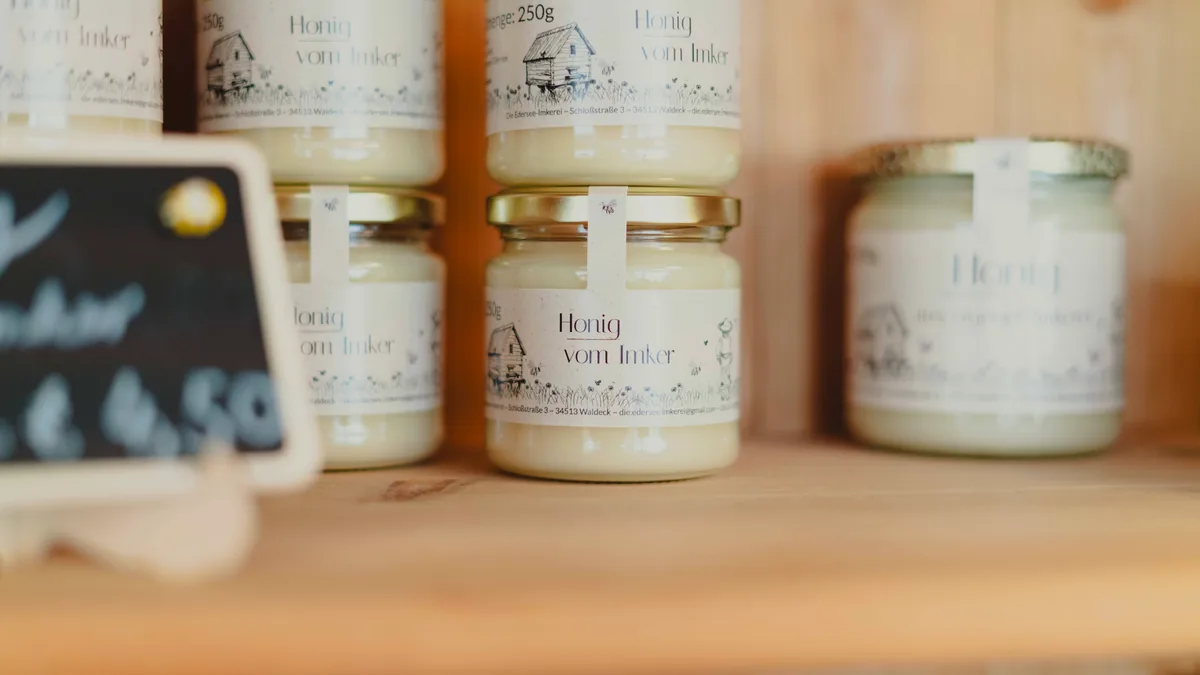
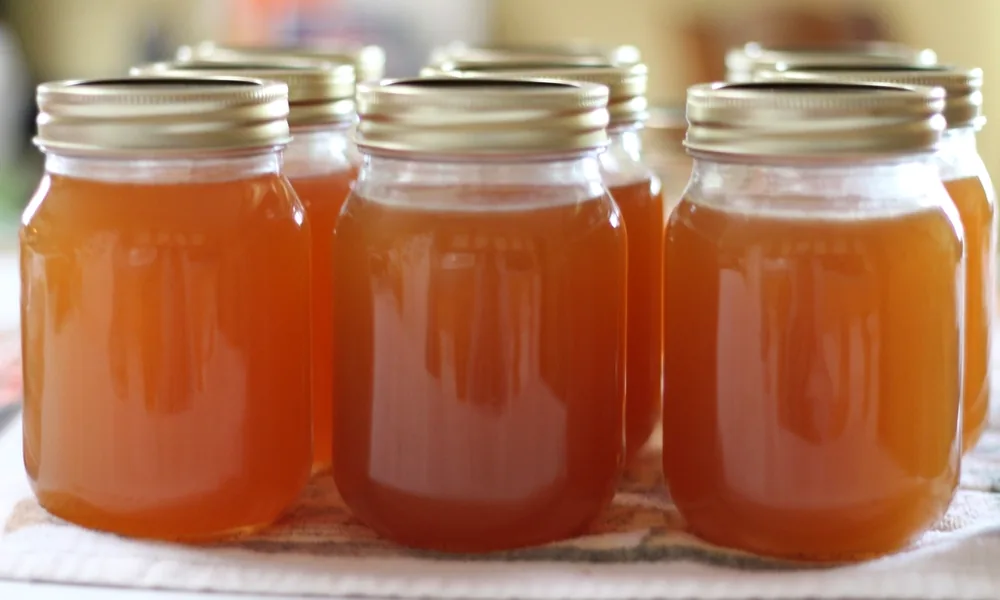
The glass screw-top jar is the one most households should buy first. It is a plain glass jar with a metal or plastic screw lid, the kind honey is sold in, and it does everything a honey jar needs to do: it seals well, shows the level at a glance, takes a spoon or a dipper, and warms safely in hot water when the honey crystallises. Buy the size you use, usually 250 to 500 grams for the table, and keep bulk honey in a larger sealed jar. The weakness is breakage, so keep glass jars off high shelves.
Clip-Top Glass Jars
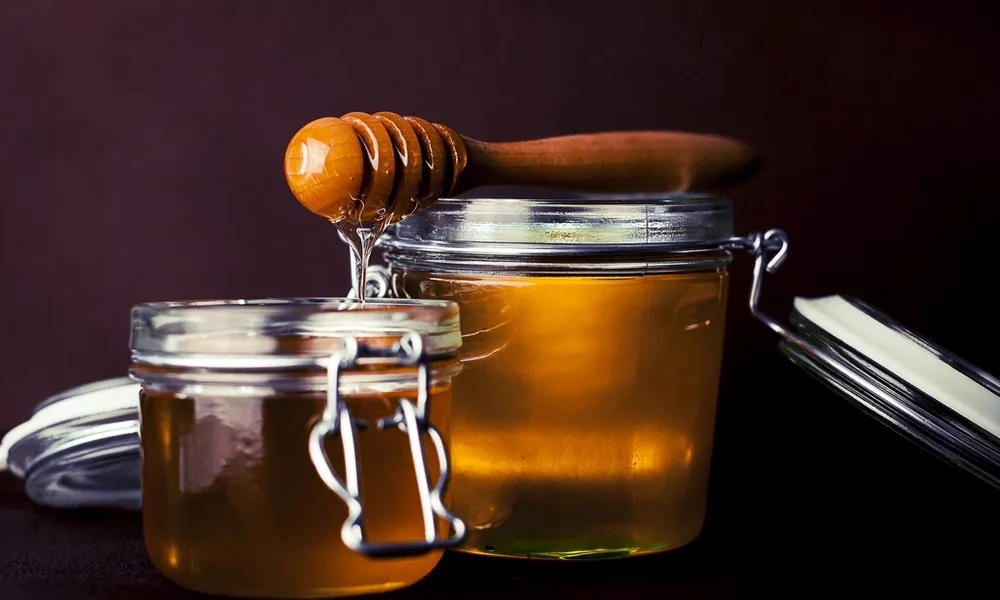
Clip-top jars, with a wire bail and a rubber gasket, give the tightest seal of any honey jar. The clamp presses the lid down evenly, which suits honey that will sit for months, and the thick glass survives daily handling. Their weakness is the gasket: it hardens after a year or two, and a hard gasket will not seal, so keep spares and check the ring every time you refill. They are heavier and dearer than screw-top jars, so use them for the honey you keep longest rather than for every jar.
Ceramic and Stoneware Honey Pots
Ceramic honey pots, often sold with a wooden dipper and a lid, are the beautiful option. A glazed ceramic pot keeps honey cool and dark, which honey likes, and it does not react with the honey or hold smells. The trade-offs are weight and opacity: a full ceramic pot is heavy, and you cannot see how much honey is left without lifting the lid, so it suits a table jar that is refilled often rather than bulk storage. Check that the glaze is food-safe and the lid sits flat, because a lid that rocks lets air in.
Plastic Storage Jars
Plastic jars are light, unbreakable and cheap, and they suit households with children, caravans, and anyone who has dropped a glass jar on a tile floor. A good food-grade plastic jar with a tight screw lid keeps honey well for weeks or months, and it is the best choice for a jar that travels. The weakness is the material: plastic absorbs smells and lets a little air through over months, so use it for honey you will eat soon, not for a jar you plan to keep for a year. Never warm a plastic jar in hot water the way you would glass.
Sizes and Decanting Honey
Honey is usually bought in bulk and used a spoonful at a time, so the size question is really two: how big should the storage jar be, and how big should the table jar be. The storage jar should hold the whole purchase, usually 500 grams to a kilogram, sealed in a cool, dark cupboard. The table jar should hold two or three weeks of honey, usually 250 to 350 grams, where you use it. Decanting keeps the bulk honey sealed and the table jar light enough to handle.
Decanting Bulk Honey Without the Mess
Decanting is where most of the mess happens. Warm the bulk jar gently in warm water first, because warm honey pours and cold honey crawls. Pour slowly, and stop at three-quarters full, because a brim-full jar drips down the side every time the lid comes off. Wipe the rim clean before you put the lid on, and wash the dipper before it goes back in.
| Jar type | Best for | Seal | Watch out for |
|---|---|---|---|
| Glass screw-top jar | Everyday use, most households | Very good | Breaks if dropped |
| Clip-top glass jar | Long storage, best seal | Excellent | Gaskets harden, heavy |
| Ceramic honey pot | Table use, gifts | Good with flat lid | Heavy, cannot see inside |
| Plastic storage jar | Children, travel, picnics | Good | Absorbs smells, not for warming |
Crystallisation: Why Honey Goes Cloudy and How to Fix It
Crystallisation worries new honey buyers most, and it should worry them least. All real honey crystallises eventually: the sugars form crystals, the honey turns cloudy and then solid, and the jar looks spoiled. It is not spoiled: crystallised honey is still honey, still safe, and still sweet; it has simply changed texture. Some honeys crystallise in weeks, while others stay liquid for a year or more, depending on the flowers the bees visited.
A jar cannot stop crystallisation, but it can slow it. Honey crystallises fastest at cool room temperature, so a jar in a cold kitchen will cloud sooner than one kept warm. Keep the storage jar in a cool, dark cupboard rather than the fridge, because the fridge speeds crystallisation, and keep the lid sealed, because moisture speeds it too. Buy honey in a jar you can warm: glass warms safely, ceramic warms slowly, and plastic should never be warmed at all.
How to Fix Crystallised Honey
Fixing crystallised honey is simple, and the jar decides whether it is easy or impossible. Stand the open glass jar in a bowl of warm water, not boiling, and stir now and then until the crystals melt back into liquid. It takes ten or twenty minutes for a small jar and longer for a large one. Never microwave honey in its jar, because high heat destroys the flavour and aroma that make good honey worth buying. A wide mouth makes this easy, because you can stir it properly; a narrow neck makes it a chore.

Honey Jar Checklist: Six Checks Before You Buy
- Check the seal: the lid should fit snugly, with a gasket that is soft, not hard or flat.
- Choose glass first: it holds no smells, shows the level, and warms safely when honey crystallises.
- Buy wide-mouthed: a spoon or dipper must reach the bottom without a struggle.
- Size it in two parts: a small table jar for daily use and a larger sealed jar for bulk storage.
- Check the base: flat and wide, so it does not tip when you pull the dipper out.
- Keep a spare lid: a lid that no longer seals is the commonest reason a good jar goes bad.
Frequently Asked Questions
Does honey go off in the jar?
Properly sealed honey lasts for years and rarely spoils, because it is too sugary for most microbes to grow in. It can ferment if it absorbs moisture through a bad seal, and it will crystallise, which is normal and reversible. Keep the lid sealed and the spoon clean.
What is the best material for a honey jar?
Glass is the best all-rounder: it holds no smells, shows the level, and warms safely in hot water when honey crystallises. Ceramic is nearly as good and blocks light, while plastic suits short storage and travel but absorbs smells over time. For more on glass storage, our guide to mason jars covers the same jar family.
Why has my honey gone cloudy and solid?
It has crystallised, which all real honey does eventually. The sugars form crystals and the honey turns cloudy and solid, but it is still safe and sweet. Stand the open jar in warm water and stir until it melts back to liquid; never microwave it.
Should I keep honey in the fridge?
No. The fridge speeds crystallisation and makes honey thick and hard to pour. Keep honey sealed in a cool, dark cupboard, and keep a small table jar where you use it.
How do I get the last honey out of the jar?
Warm the jar gently in warm water so the honey thins, then use a long spoon or a dipper to reach the bottom. Wide-mouthed jars make this easy. Our guide to honey dippers covers the tool that does this job best.
Can I store honey in a plastic jar?
Yes, for weeks or months, in a food-grade plastic jar with a tight lid. Plastic is light and unbreakable, so it suits children and travel. For a year or more, glass is better, because plastic absorbs smells and lets air through over time.
Bottom Line
The best honey jar is a wide-mouthed glass jar with a lid that seals properly: a small table jar for daily drizzling and a larger sealed jar for bulk storage. Keep it cool and dark, keep the lid sealed, and warm it gently when it crystallises. Do that, and your honey will stay golden and pourable for months.