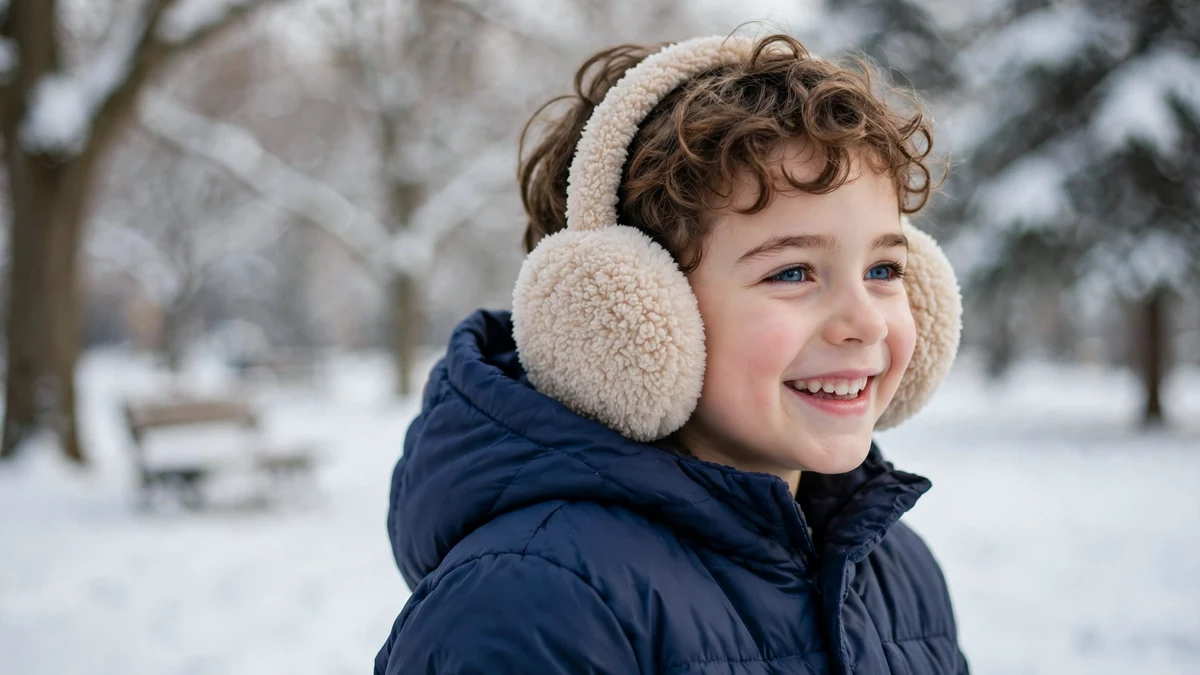
A kids beanie is not a small adult beanie. It is a different piece of winter clothing with a different job: it has to stay on a moving child, keep small ears warm on a cold morning, survive being stuffed into a coat pocket, and still be comfortable enough that the child does not pull it off two minutes after leaving the house. The best kids beanies of 2026 do all of that without looking like a costume or feeling like a chore, and the worst ones fail on the basics long before the colour or the pom-pom ever matters.
What Makes a Kids Beanie Different
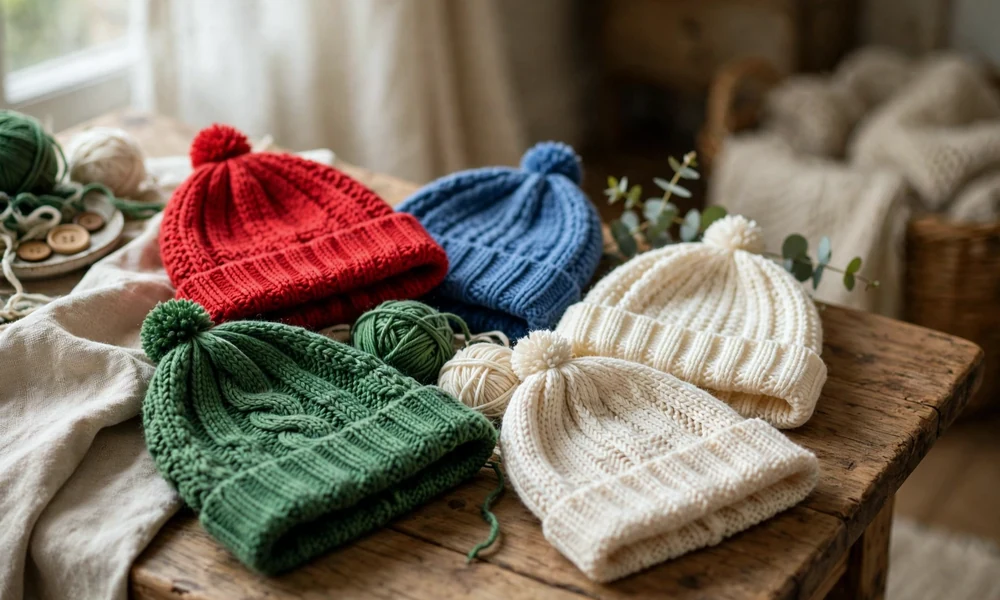
An adult beanie is designed for someone who will put it on, adjust it once and leave it alone. A kids beanie assumes the opposite. It assumes the beanie will be pulled down over the eyes, pushed up onto the forehead, dropped in the snow, used as a pocket for a small stone, and handed over with sticky hands. The knit therefore matters more than the label. A tight, even knit holds its shape after being stretched and squashed, while a loose, open knit sags, lets the wind through and looks tired after a week of school runs.
Warmth is the second difference, and it is easy to get wrong. A beanie that is warm on a still day can be useless on a windy one if the knit is too open or the cuff is too short. The best kids beanies cover the ears fully, with a cuff that can be folded down for extra coverage on the coldest mornings and folded up when the sun comes out. The crown should have enough depth to sit comfortably without sliding down over the eyes, and the whole beanie should feel snug without pressing on the forehead or leaving a red mark after an hour.
How to Choose: The Five Things That Matter Most
Start with size, because a beanie that does not fit will not be worn. Measure around the widest part of the head, just above the eyebrows and ears, and compare that number with the size guide rather than guessing by age. Age ranges are only a rough guide, and two children of the same age can need different sizes. A beanie that is too tight will leave a mark and slide up, while one that is too loose will slip down over the eyes and end up in a pocket. Look for a little stretch in the knit, so the beanie can grow a little with the child, but not so much stretch that it loses its shape.
Next, look at the yarn. Wool is warm and naturally handles moisture well, but some wool can feel scratchy against a young child’s skin, so a soft merino or a wool blend is usually a better choice than a rough, chunky wool. Acrylic is lighter, easier to wash and often softer, and it is a good choice for children with sensitive skin, although it may not feel quite as warm in a hard frost. Cotton is comfortable and breathable, but it holds moisture and is a poor choice for wet snow. A fleece lining adds real warmth without adding weight, and it is worth looking for in the coldest months.
Durability is fourth, and it is easy to overlook until the first wash. A kids beanie will be washed often, so check that it can go in the machine on a gentle cycle and dry flat without shrinking into a shape that fits a doll. Strong seams, a cuff that does not unravel and a pom-pom that is stitched on firmly rather than glued are all signs of a beanie that will last the winter. A beanie that pills badly after two washes will look old long before it wears out, and a child who notices that will stop wanting to wear it.
Finally, think about how the beanie will actually be used. For the school run and the playground, a simple, sturdy beanie in a dark or bright colour that is easy to spot is ideal. For skiing, sledging and long days in the snow, a thicker, lined beanie that fits neatly under a hood is better. For a child who wears a helmet for cycling or skiing, the beanie needs to be thin enough to sit flat underneath it. If you want a wider view of beanies for the whole family, our guide to the best beanies of 2026 covers the adult market, but for a child the fit and the feel matter more than the brand name.
The Best Kids Beanies by Age
For toddlers aged two to four, simplicity wins. The beanie should be soft, light and easy to put on, with no scratchy seams inside and no ties or cords that could catch on playground equipment. A gentle stretch makes it easy to pull on over the ears without a struggle, and a bright colour helps a parent spot a small child in a busy park. Keep the knit soft and the cuff wide, and choose a beanie that can be washed often, because it will be dropped, chewed and left in the mud.
For children aged five to eight, the beanie needs to survive school. It will be stuffed into a coat pocket, left on a peg, swapped with a friend and worn in the rain. A sturdy knit, a firm cuff and a colour the child actually likes are what matter now, because a child of this age will choose what to wear and will quietly leave an unloved beanie at home. A pom-pom or a simple pattern can help, but the beanie still needs to cover the ears fully and stay on during a game of tag.
Warmth That Actually Works in Real Winter
Real winter is not a photograph of fresh snow. It is wind on the walk to school, wet snow that soaks through a thin knit, and a long afternoon outside when the temperature drops. A beanie that works in real winter has a close knit that blocks the wind, a cuff that stays down over the ears, and a lining that keeps warmth in without making the head sweat. If the beanie gets damp, it should still feel warm, which is why wool and good blends perform better than thin cotton on a wet day.
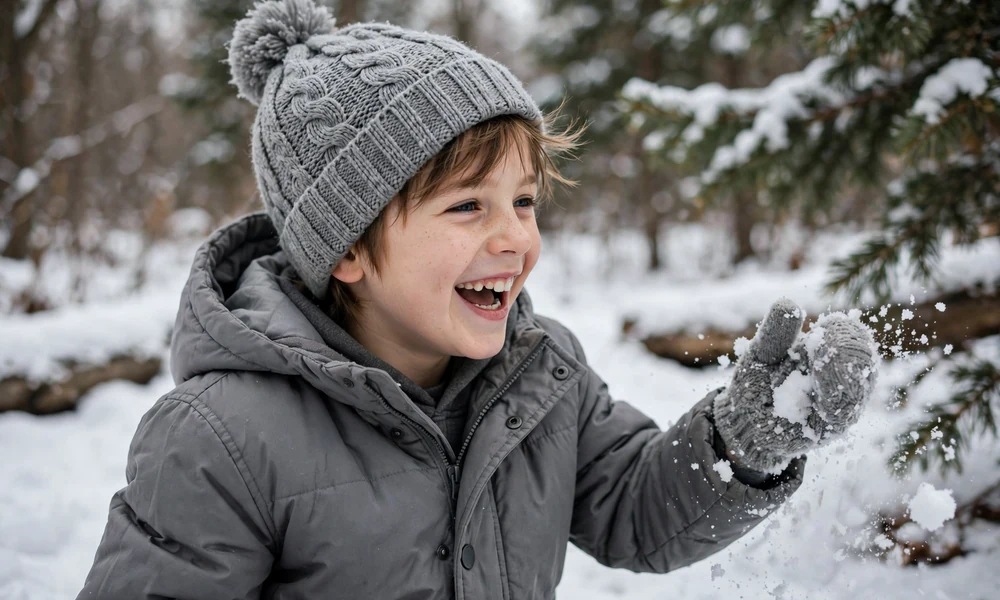
Layering matters too. A beanie works best as part of a warm outfit, not on its own. A hood pulled up over a beanie adds wind protection, and a scarf tucked in at the neck stops cold air from creeping up underneath the cuff. Teach a child to pull the beanie down over the ears before going outside, rather than wearing it pushed back like a cap, and check after a few minutes outside that the ears are covered and the beanie has not ridden up. A small habit like that makes more difference than an extra layer of knit.
Fit, Comfort and the Itch Test
The itch test is simple and it is the most useful test a parent can do. Before buying, press the inside of the beanie against the inside of your own wrist, where the skin is sensitive. If it feels scratchy there, it will feel scratchy on a child. Check the seams inside the crown and around the cuff as well, because a raised or rough seam can rub all day. A smooth inner band, a soft lining and a yarn that feels gentle rather than wiry are the signs of a beanie a child will keep on.
Fit is not only about size. It is about shape too. Some children have rounder heads, some have longer faces, and a beanie that fits one child perfectly can sit awkwardly on another. A beanie with a ribbed cuff is more forgiving, because the ribbing stretches and settles into place, while a stiff, flat cuff either grips too tightly or gaps at the sides. Try the beanie on if you can, and watch the child move in it. If they shake their head and the beanie stays put, the fit is right. If they keep pushing it back up, it is not.
Care, Washing and Making Them Last
A kids beanie that cannot be washed easily will not last the winter, because it will get dirty quickly and often. Wash it on a gentle, cool cycle, inside a laundry bag if you have one, and dry it flat on a towel rather than hanging it up, which can stretch it out of shape. Avoid hot water and a hot tumble dryer, both of which can shrink wool and spoil the shape of a knitted beanie. A beanie that is dried flat keeps its fit and its cuff, and it will look new for much longer.

What to Avoid
Avoid beanies with long ties, cords or dangling decorations, because they can catch on playground equipment and coat zips. Avoid beanies that are too thick to fit under a hood or a helmet, because a child will take them off rather than struggle with them. Avoid very cheap, thin beanies that look warm but let the wind straight through, and avoid beanies with rough, scratchy yarn that a child will refuse to wear after one try. A beanie that is never worn is the worst value of all, no matter how little it cost.
Avoid buying only by age as well. Age labels vary between makers, and a beanie labelled for a seven-year-old may be too small for one child and too big for another. Measure the head, check the size guide and, if you are buying online, read the measurements rather than the age range. The same applies to buying a size up to grow into: a beanie that is far too big will slip down over the eyes and end up abandoned, while a beanie that fits now and has a little stretch will be worn happily all winter.
Finally, avoid treating a beanie as a fashion item only. The best kids beanies are the ones that are warm, comfortable and worn every day, not the ones that look best in a shop window. A plain, well-made beanie in a colour your child loves will do a far better job than a novelty beanie that is itchy, loose or cold. When the whole winter outfit works together, the beanie is only one part of it, and our guides to the best kids hats of 2026 and the best kids gloves of 2026 cover the other pieces that keep a child warm outside.
The Bottom Line
The best kids beanies of 2026 are soft, warm, well fitting and easy to wash. They cover the ears, stay on during play, and feel gentle enough that a child forgets they are wearing one. Choose by head size rather than age, check the yarn with the itch test, look for a close knit and a deep cuff, and let your child pick a colour they love. Get those simple things right, and the beanie will be worn on every cold morning, which is the only test that really matters.