
A kids winter coat has a harder job than almost any other piece of clothing a child owns. It has to keep a small body warm on a freezing walk to school, stay dry through a snowball fight, survive being dragged across the playground, and still be easy enough for a child to zip up without help. The best kids winter coats of 2026 do all of that without feeling heavy or stiff, and the worst ones fail on the basics long before the cold ever tests them. This guide looks at what actually matters when you buy one, from insulation and waterproofing to fit, hoods, cuffs and the small details that decide whether a coat gets worn happily or left hanging by the door.
What Makes a Kids Winter Coat Different
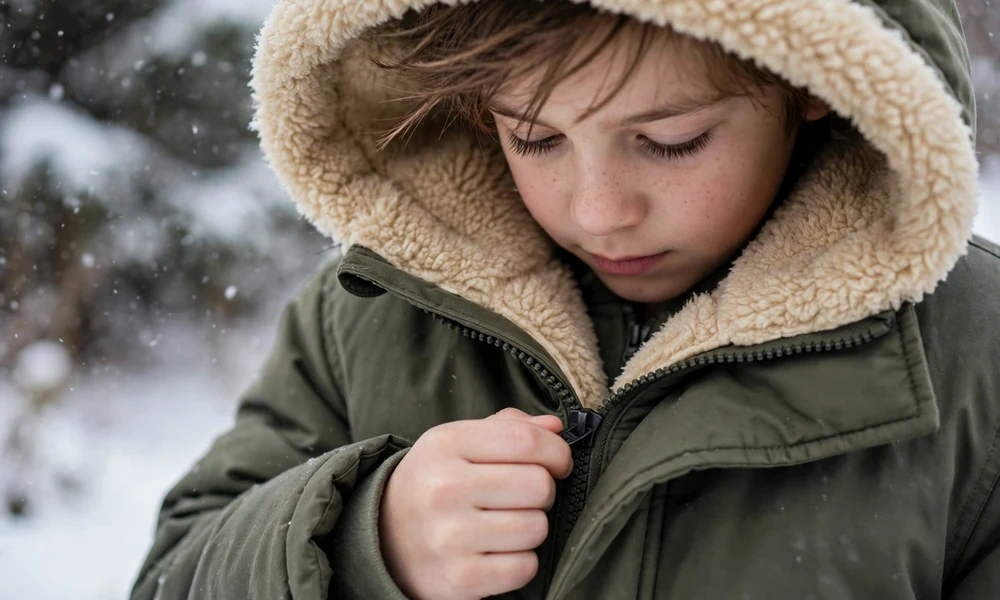
An adult can put up with a coat that is a little too tight, a zip that sticks or a hood that will not stay up. A child will not. If a coat is hard to put on, it will be left behind. If it is too bulky, a child cannot climb, run or build a snowman properly. The best kids winter coats are therefore designed around movement first. The arms are cut roomy enough for a jumper underneath, the body is long enough to cover the waist when a child bends down, and the zip is big, smooth and easy to grip with cold fingers or gloves on.
Warmth matters more than looks, but the two are not enemies. A good coat traps warm air close to the body while blocking wind and wet snow from getting in. That means a windproof outer shell, sealed or well-covered seams, and insulation that keeps working even when it gets damp. Our guide to the best winter coats of 2026 covers the wider market for adults, but a child needs a different balance: lighter weight, tougher fabric, simpler fastenings and a fit that allows for growth without swallowing them whole.
Puffer, Parka or Insulated: Which Type Fits Your Winter
Puffers are the most popular kids winter coats for a reason. They are light, warm and easy to pack into a school bag, and most children find them comfortable straight away. A good puffer uses down or a synthetic fill that holds its loft after being squashed, washed and worn every day. Look for a baffle design that keeps the filling evenly spread, because a coat with cold spots where the fill has shifted is no better than a thin jacket. Puffers suit most winters, from the school run to weekend walks, and they dry quickly if they get damp.
Parkas are the better choice when winter is long, wet and properly cold. They are longer, usually reaching the thigh or knee, with a fur-trimmed or fleece-lined hood, a storm flap over the zip and deep pockets that children actually use. A parka keeps snow out of the waistband when a child sits down in it, which matters more than most parents expect. The trade-off is weight and bulk: a heavy parka can tire a younger child, so check how it feels when they walk, sit and lift their arms before you decide.
Age changes the answer too. Toddlers need a coat that is easy to get on over layers and short enough not to trip them when they run, with a hood that stays put and cuffs that keep snow out of the sleeves. A one-piece snowsuit can be simpler for very young children, but a separate coat is easier for toilet trips and for taking off indoors. Older children care more about how a coat looks and whether their friends wear something similar, so let them choose the colour. A coat a child likes will be worn without a daily argument, while the warmest coat in the shop is useless if it stays on its hook.
How to Choose the Right Size and Fit
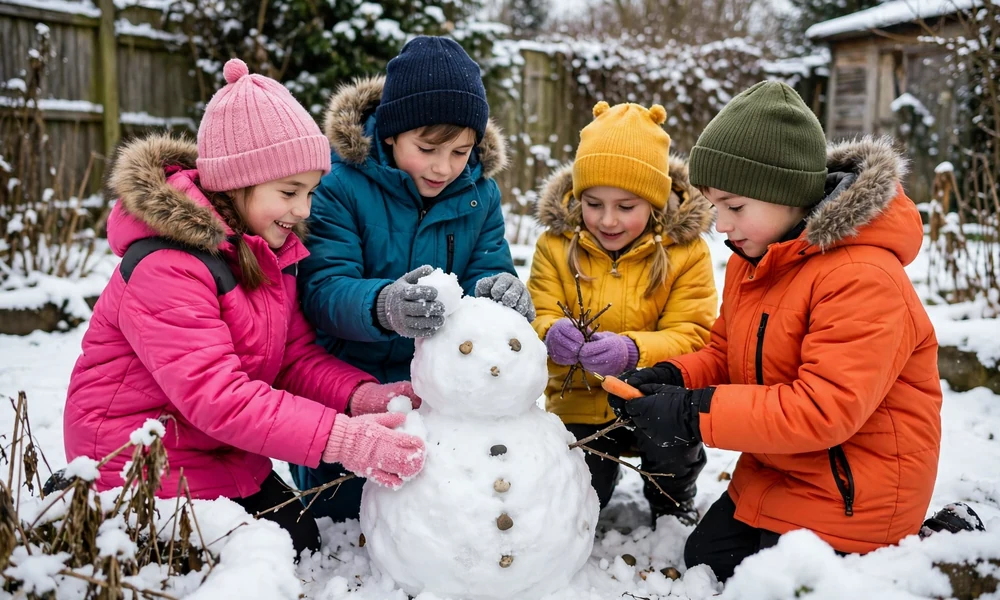
Sizing is where most kids winter coat purchases go wrong. Buy too small and the coat is outgrown by January. Buy too big and the sleeves cover the hands, the hem trips the child, and the hood slides over their eyes. The right fit leaves room for a jumper underneath and about a finger of growing room at the cuffs, but no more. The child should be able to raise both arms above their head without the hem riding up past the waist, and they should be able to sit down comfortably without the coat bunching up behind them.
Try the coat on with the clothes your child will actually wear under it, not just a T-shirt. Check the zip from bottom to top, the hood with the chin strap done up, and the cuffs with gloves on. Elasticated or adjustable cuffs matter because they stop snow creeping up the sleeves. A coat with an adjustable waist or hem will last longer as your child grows, and reflective strips on the front, back and sleeves are worth having for dark winter mornings and evenings on the way to school.
Warmth Without the Bulk: Insulation Explained
Down insulation is light and very warm for its weight, which makes it a favourite for puffers. It packs down small and feels soft, but it loses warmth when it gets wet unless it has been treated to resist water. Synthetic insulation is slightly heavier but keeps working when damp, dries faster and is easier to wash at home. For children, who will get wet, synthetic fill is often the more practical choice, especially for a coat that will be worn every day in rain and snow rather than only on dry, freezing days.
What matters more than the type of fill is how much of it there is and how well it is held in place. A coat with thin fill in the body and none in the hood or pockets will feel cold in exactly the places a child notices first. Look for insulation that runs through the hood and the collar, and a lining that feels smooth rather than scratchy against the neck and chin. A warm coat also needs a good collar: a high collar that fastens snugly around the neck keeps out more cold than an extra layer of fill ever will. Pair the coat with solid footwear, and our guide to the best winter boots of 2026 explains what to look for in boots that keep feet warm and dry on the same cold mornings.
Snow-Ready Details That Actually Matter
A coat can look warm in the shop and still fail in the snow. The details that decide it are small but easy to check. The outer fabric should bead water rather than soak it up: flick a little water on the sleeve and watch whether it rolls off. The zip should have a storm flap or a covered placket so wind cannot whistle through it. Pockets should be deep enough for gloves and a small snack, with flaps or zips that keep snow out. The hood should fit over a hat, stay up in wind, and not block side vision when a child turns their head to cross the road.
Durability is just as important as warmth. Children kneel, slide, climb and fall, so the fabric needs to resist scuffs and the seams need to hold. Reinforced elbows and a slightly tougher fabric on the lower back and seat will add months to a coat’s life. Machine washability matters too: a coat that needs dry cleaning will not be washed often enough, and a dirty coat loses warmth as its fill clumps and its water-repellent finish wears off. For deep snow days, the right boots complete the outfit, and our guide to the best snow boots for deep snow in 2026 covers the pairs that handle icy streets and heavy snow best.
What to Spend and What to Skip
Price is a poor guide to warmth. Some of the warmest kids winter coats are mid-priced, while some expensive ones charge mostly for a logo or a fashion cut that adds nothing in the snow. Spend your money on the things that keep a child warm and dry: good insulation, a windproof and water-resistant shell, a proper hood and a strong zip. Skip extras that sound impressive but change little, like a dozen pockets a child will never use or a detachable fur trim that gets lost in the first week. Bright colours are worth paying a little more for, because they make a child easy to spot in a snowy park or a busy playground, and reflective strips do the same job after dark.

Caring for a Kids Winter Coat
A good kids winter coat will last a whole season, and often a second child, if it is looked after. Wash it when it is dirty rather than waiting until the end of winter, using a gentle cycle and a mild detergent, and dry it thoroughly so the fill does not clump. A tumble dryer on low heat with a couple of clean tennis balls helps restore loft to a puffer, while a parka should be dried flat or hung somewhere warm with good airflow. Re-proof the outer fabric once or twice a season with a spray-on treatment if water stops beading on the surface.
Check the fit again halfway through winter, because children grow fast and a coat that fitted in November can be too short by February. Sleeves that no longer reach the wrists and a hem that rides up when your child bends down are the clearest signs. If the coat still fits but feels less warm than it did, the fill may have clumped after washing or the water-repellent finish may have worn off, and both can often be fixed with a proper wash, a low-heat dry and a fresh coat of re-proofing spray.
At the end of winter, store the coat clean and dry, with the zip done up and the hood unclipped if it comes off. Stuffing it into a small bag for months will flatten the fill, so hang it or lay it flat in a breathable bag. Check the zip, the cuffs and the seams before the next winter starts, and replace a coat when the fill has gone flat in patches, the waterproofing no longer works, or the sleeves are too short to cover the wrists with arms stretched out.
The Bottom Line
The best kids winter coat of 2026 is the one your child will actually wear: warm enough for the coldest morning, light enough to play in, tough enough to survive the playground, and easy enough to zip up alone. Start with the winter you actually have, not the winter in the catalogue. A light puffer suits mild, dry cold; a longer parka suits wet snow and long days outside. Check the fit with a jumper underneath, test the hood and cuffs, and choose synthetic fill if your child will get wet most days. Get those choices right and the coat stops being something to argue about at the door and becomes something your child reaches for without being asked.


