
What makes great plastic wrap in 2026 is not the brand on the box but three quiet qualities: it clings when you press it down, it tears cleanly where you want it to, and it stays put until you peel it away. Plastic wrap, also called cling film or cling wrap, is the thinnest tool in the kitchen, yet it keeps a cut avocado green, a bowl of dough rising, and last night’s leftovers safe until lunch. When it works, you forget it is there; when it fails, it sticks to itself, tears in a jagged line, or slides off the bowl.
The difference between a good roll and a frustrating one is mostly about the film and the box it comes in. This guide covers the choices in order: what the film is made of, why cling strength varies, how the cutter box changes everything, covering versus wrapping, microwave safety, and the alternatives worth keeping beside it.
Key Takeaways
- Great plastic wrap clings to the bowl, not to itself: it should seal with a light press and peel away cleanly.
- Polyethylene wrap is the everyday choice, PVC clings harder but brings more questions, and thicker professional film suits heavy jobs.
- The cutter box is half the product: a sharp metal edge and a box that stays shut save more wrap than any bargain roll.
- Covering a bowl and wrapping food tightly are two different jobs, and one wrap may not do both well.
- Only wrap labelled microwave-safe should go in the microwave, and it should never touch the food while it heats.
What Plastic Wrap Actually Is
Plastic wrap is a thin sheet of flexible plastic, usually polyethylene or polyvinyl chloride, made to cling to itself and to smooth surfaces. The cling comes from the film’s chemistry and thinness: the sheet carries a slight static charge and is soft enough to press flat against a rim, squeezing the air out as it goes. That seal keeps moisture in and air out, which is why a wrapped bowl of salad stays crisp and a wrapped half onion stays mild.
Most household wrap today is polyethylene, often labelled PE or LDPE: lighter, stretchier, and safe for cold food and covering bowls. PVC wrap, still found in professional rolls, clings harder and stretches further, but it is stiffer and raises more questions about heat and disposal. A few newer wraps are plant-based and sold as compostable, though they usually cling less well and cost more per metre.
Cling Strength: What Makes It Stick
Cling decides whether a roll earns its place in the drawer. Good cling means the film grips a bowl rim with a light press, holds through a night in the fridge, and peels away without tearing the food underneath. Weak cling means the corners lift within the hour, the seal fails when the bowl tilts, and the food dries out anyway.
Temperature changes cling more than most people realise. Wrap clings best at room temperature on a dry, clean rim, so wipe a cold, wet bowl dry before covering it and the same roll will hold far better. Warm food is the opposite problem: steam softens the film and loosens the seal, so let hot food cool for a few minutes first. The surface matters too: wrap grips glass, glazed ceramic, stainless steel and smooth plastic, but struggles on rough wood, cardboard and anything greasy.
The Cutter Box Matters More Than You Think
Ask anyone who has fought a roll of wrap and they will blame the film, but the box is usually the culprit. A good box has a sharp, straight metal cutter edge, a lid that stays shut while you pull, and enough weight to hold still on the counter. A bad box has a dull plastic edge, a lid that pops open, and a roll that jumps out entirely.

The trick most people miss is the pull. Pull the film straight out to the length you need, hold it taut with one hand, and press the lid down firmly with the other before you tear. A taut sheet tears cleanly along the cutter edge, while a slack sheet bunches and tears in a jagged line. Wide rolls of about 30 centimetres suit big bowls and trays, while narrow rolls of 20 centimetres are easier for small bowls and single portions.
Covering vs Wrapping: Two Different Jobs
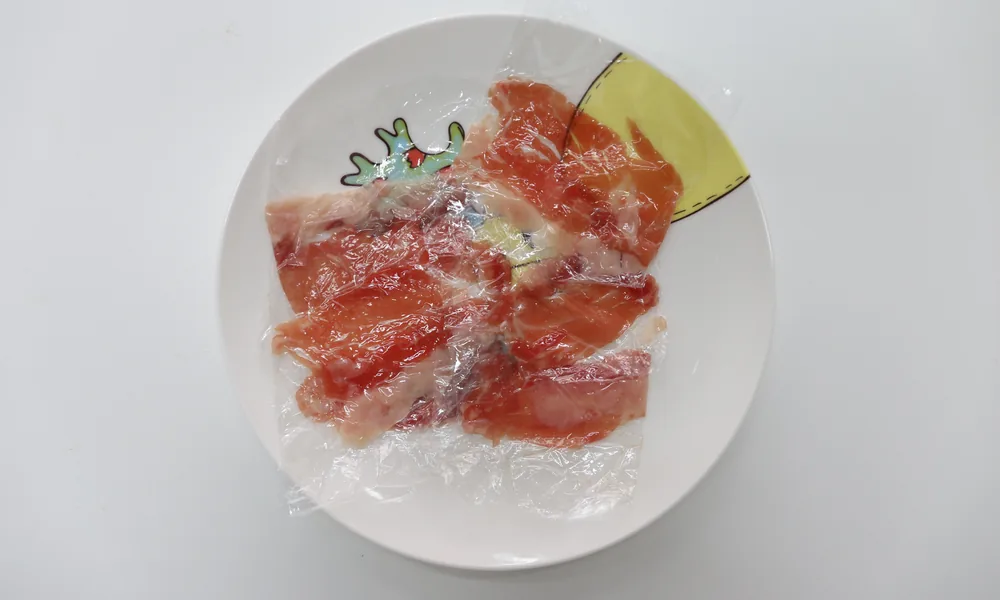
Covering and wrapping sound like the same thing, but they ask different things of the film. Covering means stretching a sheet across a bowl and sealing it around the rim, so the food underneath is protected from air and smells. Wrapping means pressing the film directly against the food, squeezing the air out around meat, cheese or a half sandwich, so no air touches the surface at all.
Covering is the easier job, and almost any wrap does it well, since the film only needs to span the opening and grip the rim. Wrapping is harder: the film must stretch around corners, cling to itself where it overlaps, and stay tight as the food chills. Thin household wrap often fails here, while a thicker professional film holds its shape, so if you wrap food often, a thicker roll is worth the extra cost.
For anything kept more than a day, wrap is only the first step: the food still belongs in the fridge, and for the freezer a bag does the job better. Our guide to which freezer bag keeps food freshest covers the freezer side in full, while wrap handles the fridge.
Microwave Safety: What the Box Really Means
Microwave safety is the part of the label most worth reading. Some wraps are labelled microwave-safe, meaning the film has been tested to hold up under microwave heat without melting or shrinking onto the food. Many are not, and those should never go in the microwave; if the box does not say microwave-safe, assume it is not.
Even with microwave-safe wrap, the rules matter. Cover the dish loosely, with a corner turned back so steam can escape, and never let the film touch the food while it heats. Use a tall container so there is space between food and film, heat in short bursts, and peel the wrap back away from your face, because the steam underneath is hot enough to burn. Fatty foods deserve extra care, since fat heats faster than water, so for greasy reheating a plate on top of the bowl is the safer cover.
| Wrap Type | What It Is | Cling | Best For | Watch Out For |
|---|---|---|---|---|
| Polyethylene (PE) | Standard household film | Moderate | Covering bowls, everyday fridge use | Weaker seal on tight wrapping |
| PVC | Professional cling film | Strong | Tight wrapping, catering, heavy use | Not always microwave-safe; check the label |
| Professional thick | Heavier 15-micron film | Strong | Large trays, sharp edges, bulk jobs | Heavy roll, needs a good dispenser |
| Microwave-safe | Heat-tested film | Moderate | Loose covering for reheating | Must not touch food; vent the steam |
| Compostable plant-based | Plant-derived film | Light | Light covering, low-waste kitchens | Weaker cling, higher price per metre |
| Beeswax wrap | Cloth coated in beeswax | Seals with warmth | Covering bowls, wrapping sandwiches | Not for raw meat or hot food |
Choosing the Right Roll
Choosing a roll starts with how you actually use it. If most of your wrap goes over bowls and plates, a standard polyethylene roll in a box with a metal cutter is the right buy. If you wrap meat, cheese and sandwiches directly, step up to a thicker or PVC film, because the extra cling pays for itself in food that stays fresh.
Length matters more than price per roll. A 100-metre roll looks like a bargain until it has sat in the drawer for two years, its cutter dulled and its film stuck to itself. Buy the size you will use within six months, store it in a cool, dry drawer away from the cooker, and check the cutter edge before you buy: a serrated metal edge tears cleanly, while a smooth plastic edge tears unevenly and wears down quickly.
Alternatives When Wrap Is Not the Answer
Wrap is not the answer to every storage problem. For the freezer it is a poor choice on its own: it punctures, lets air in, and invites freezer burn, while a freezer bag pressed flat protects food far better and a vacuum sealer does the job better still. Our guide to vacuum sealers that keep food fresh for weeks sets out when the extra step is worth it, and for most households the answer is any food frozen for more than a month.

For the fridge, reusable containers are the strongest alternative. A glass container with a snap-on lid keeps food fresher than wrap, stacks neatly, and can go straight into the microwave. Our guide to the best meal prep containers for freezing covers the containers that do double duty in fridge and freezer. Beeswax wraps, silicone lids and upturned plates cover most everyday leftovers too, while wrap still wins where no lid fits, for a single portion wrapped tightly, and for dough rising under cover.
Choosing Checklist
- Pick polyethylene for everyday covering, and a thicker or PVC film if you wrap food tightly and often.
- Check the box before you buy: a sharp metal cutter edge and a lid that stays shut matter as much as the film.
- Wipe the rim dry before covering a bowl, and let hot food cool for a few minutes before wrapping it.
- Use microwave-safe wrap only in the microwave, keep it loose and vented, and never let it touch the food.
- Wrap tightly for the fridge, but switch to bags, containers or a vacuum sealer for the freezer.
- Cut only the length you need, and reach for a lid or a reusable container whenever it fits the job.
Frequently Asked Questions
What is plastic wrap made of?
Most household plastic wrap is polyethylene, a thin flexible plastic that clings through static and softness. Professional rolls are often PVC, which clings harder and stretches further, while a few newer wraps are plant-based and sold as compostable.
Is plastic wrap safe in the microwave?
Only wrap labelled microwave-safe should go in the microwave. Cover the dish loosely, leave a corner vented so steam can escape, and keep the film from touching the food.
Why does my plastic wrap stick to itself?
Wrap clings because of a slight static charge, and it cannot tell your fingers from the bowl. Pull the sheet out smoothly, keep it taut while you cut, and press it onto the rim in one motion.
Can I wrap hot food in plastic wrap?
Let hot food cool for a few minutes first. Steam softens the film, loosens the seal, and can make the wrap sag onto the food.
What is the difference between plastic wrap and cling film?
There is none: plastic wrap, cling film and cling wrap are different names for the same thin plastic sheet. Cling film is the usual name in Britain and Australia, plastic wrap in North America.
What can I use instead of plastic wrap?
Reusable containers with snap-on lids are the best everyday alternative, and beeswax wraps, silicone lids and upturned plates cover most bowls. For the freezer, use freezer bags or a vacuum sealer instead.
Bottom Line
Great plastic wrap in 2026 is a simple thing done well: a polyethylene or PVC film that clings to the bowl rather than to itself, in a box with a sharp cutter that tears cleanly in one pull. Buy the film that matches how you use it, wipe the rim dry before you cover, keep microwave-safe wrap loose and vented, and switch to bags and containers for the freezer.


