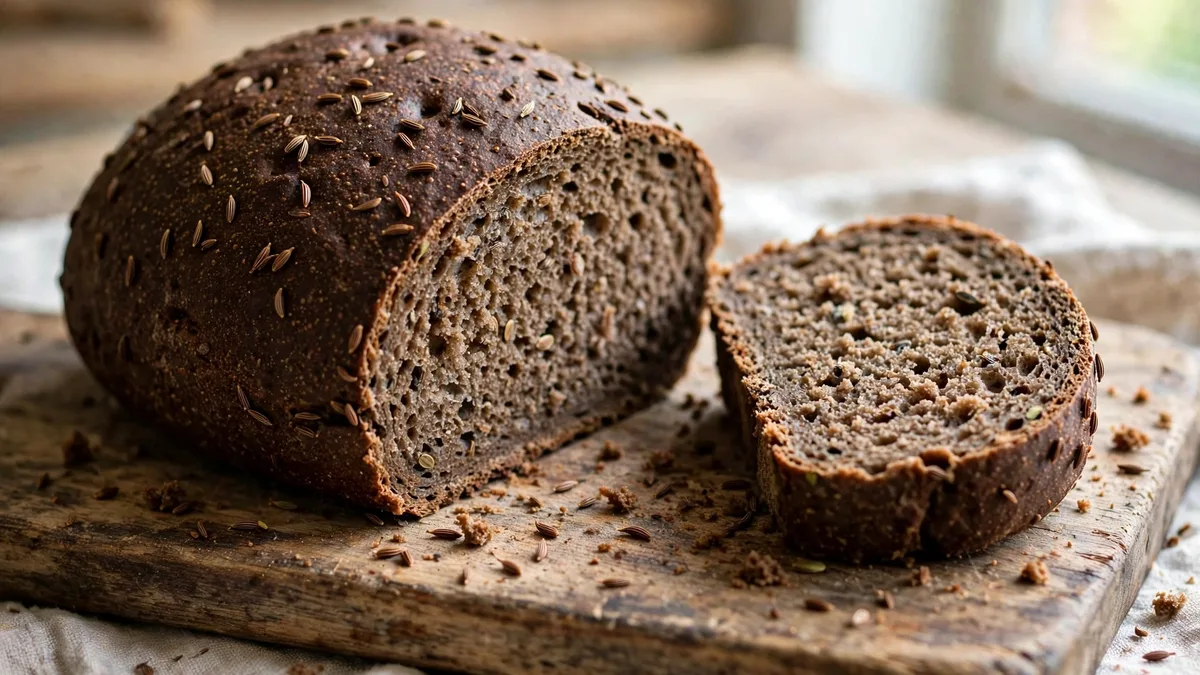
Pumpernickel That Earns Its Place at the Table in 2026
Pumpernickel is the darkest loaf most kitchens will ever buy, and the one most often bought by mistake. A real pumpernickel is a slow, dense rye bread with a deep, almost chocolate colour, a moist crumb and a flavour that is earthy, faintly sweet and gently sour all at once. A fake one is white bread dyed brown, soft and bland, with a colour that comes from a bottle rather than from the grain. This guide shows how to choose a pumpernickel that earns its place at the table in 2026, whether you buy it from a bakery or a supermarket shelf, and how to use it once it is home.
Key takeaways
- Real pumpernickel is made from rye, not coloured white wheat: rye flour or rye meal should come first on the label.
- Press the loaf before you buy it: it should feel heavy for its size, spring back slowly, and never feel light and airy.
- Colour alone proves nothing, since caramel colouring can darken any loaf; the flavour should be earthy and gently sour, not sweet and flat.
- Buy the shape for the job: a dense loaf for open sandwiches and deli fillings, thin pre-sliced pumpernickel for canapes and snacking.
- Store pumpernickel wrapped at room temperature and eat it within four to five days, or slice and freeze it on day one.
How the best pumpernickel was chosen
Every pumpernickel below was judged on five measures. Ingredients come first: rye flour, rye meal or cracked rye should lead the label, with water, salt and a starter or yeast, and little else. Flavour is second, judged on depth and balance, with an earthy, malty note and a gentle sourness that lifts the bread rather than a sharp tang that dominates it. Texture is third: a dense, moist crumb that slices cleanly without crumbling, and a crust that is firm rather than hard. Freshness is fourth, because a good pumpernickel should still be pleasant on day four. Value is fifth: the price against how much of the loaf actually gets eaten instead of going stale in the bag.
Two notes before the list. First, pumpernickel is a family, not a single loaf: the same dark rye tradition produces a dense German-style loaf, a lighter American-style loaf, and thin crisp slices for snacking, and each behaves differently at the table. Second, pumpernickel sits inside the wider world of dark breads, and our comparison of the best and worst breads of 2026 puts it alongside its cousins, judging each bread the way you would actually eat it. Knowing the family helps you spot a loaf labelled pumpernickel that is really just brown-coloured white bread in a dark coat.
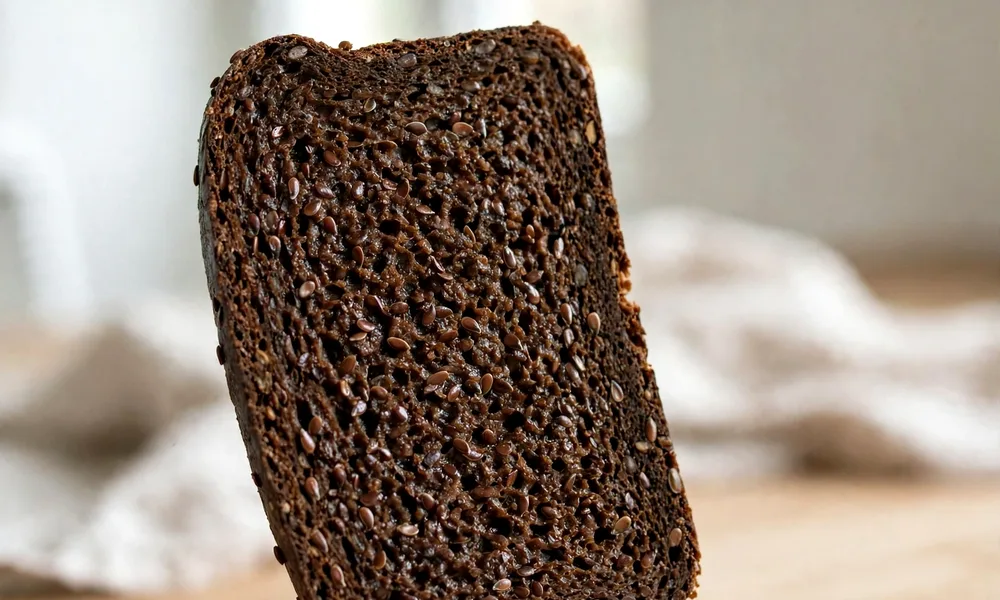
Comparison table: the best pumpernickel in 2026
| Rank | Pumpernickel type | Best for | Watch out for |
|---|---|---|---|
| 1 | Bakery German-style pumpernickel | Open sandwiches, deli fillings | Price, short shelf life once cut |
| 2 | Whole rye pumpernickel loaf | Everyday slices, soup, toast | Can be very dense if under-risen |
| 3 | Seeded pumpernickel | Cheese boards, smoked fish | Seeds can burn on top |
| 4 | American-style pumpernickel | Sandwiches, Reubens, toast | Often lighter and sweeter than the name promises |
| 5 | Thin-sliced pumpernickel | Canapes, dips, snacking | Dries out fast once opened |
| 6 | Pumpernickel rolls | Portions, lunchboxes, soup | Small rolls stale fastest |
| 7 | Supermarket pumpernickel | Budget, easy to find | Often coloured wheat bread, not rye |
The best pumpernickel in 2026
1. Bakery German-style pumpernickel: the best dark loaf
A German-style pumpernickel from a real bakery is the benchmark, and the loaf against which every other pumpernickel should be judged. It is baked slowly, often steamed for many hours, from coarse rye meal, which gives it a colour close to dark chocolate, a crumb so dense it barely shows holes, and a flavour that is malty, earthy and faintly sweet, with a gentle sourness underneath. The loaf feels heavy in the hand and slices thin without crumbling, and it is the best pumpernickel for open sandwiches, where a thin slice carries smoked salmon, pickled herring or strong cheese without disappearing under the topping.
2. Whole rye pumpernickel loaf: the best everyday slice
A whole rye pumpernickel loaf is the everyday version of the dark loaf: still dense and dark, but made with a higher share of rye flour than coarse meal, so the crumb is a little more open and the flavour a little milder. It is the best pumpernickel for toast, where the sturdy crumb holds up to butter and jam without going soggy, and for soup, where a thick slice survives dunking without falling apart. The risk is density: an under-risen loaf can be heavy and close-textured in a way that feels like eating a brick rather than bread.
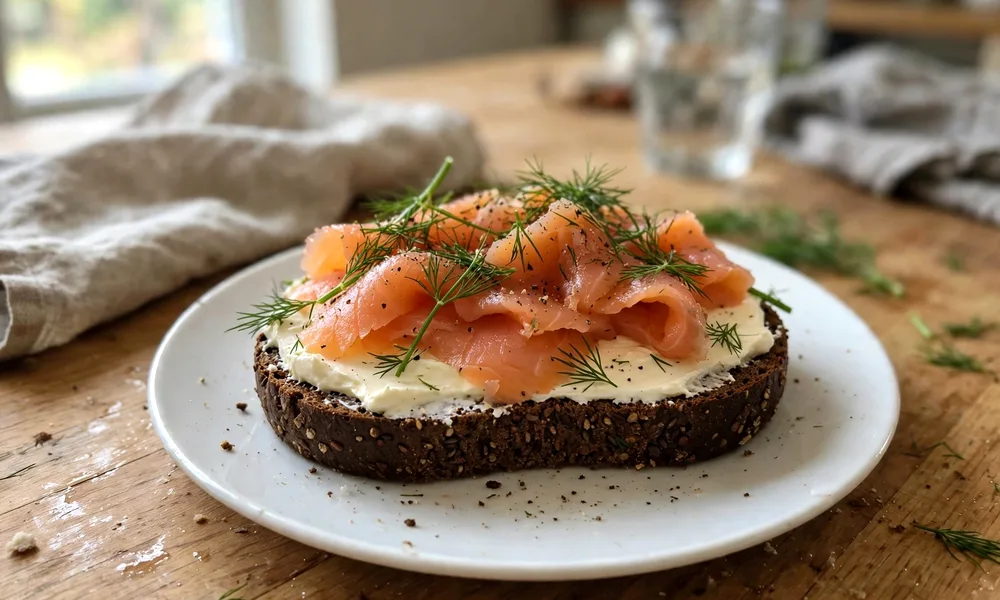
3. Seeded pumpernickel: the best for extra flavour
Seeded pumpernickel adds flavour and texture without changing the loaf. Sunflower, pumpkin and linseed toast in the oven, giving the crust a nutty note that suits cheese, cured meats and roasted vegetables, and seeds mixed through the dough mean every slice carries the flavour. It is the best pumpernickel for a cheese board, where the seeds and the dark crumb both stand up to strong flavours that would swamp a white loaf.
4. American-style pumpernickel: the best sandwich loaf
American-style pumpernickel is the lightest of the family, and the easiest to find. It is usually made from a mix of rye and wheat flour, with a little molasses or cocoa for colour and sweetness, and it rises higher than a German-style loaf, with a softer crumb and a milder flavour. It is the best pumpernickel for a Reuben sandwich, where the bread needs to hold corned beef, sauerkraut and melted cheese without falling apart, and for toasted sandwiches generally, because the softer crumb crisps well in a press or a pan.
5. Thin-sliced pumpernickel: the best for canapes
Thin-sliced pumpernickel is the loaf to buy for a party table. The slices are cut half as thick as an ordinary slice and baked a little firmer so they hold a topping, and they are sold in small packs that suit canapes, dips and snacking rather than sandwiches. A thin slice topped with cream cheese and smoked salmon, or with a soft cheese and a pickled onion, is one of the simplest good bites a kitchen can produce, and the dark colour makes the plate look deliberate.
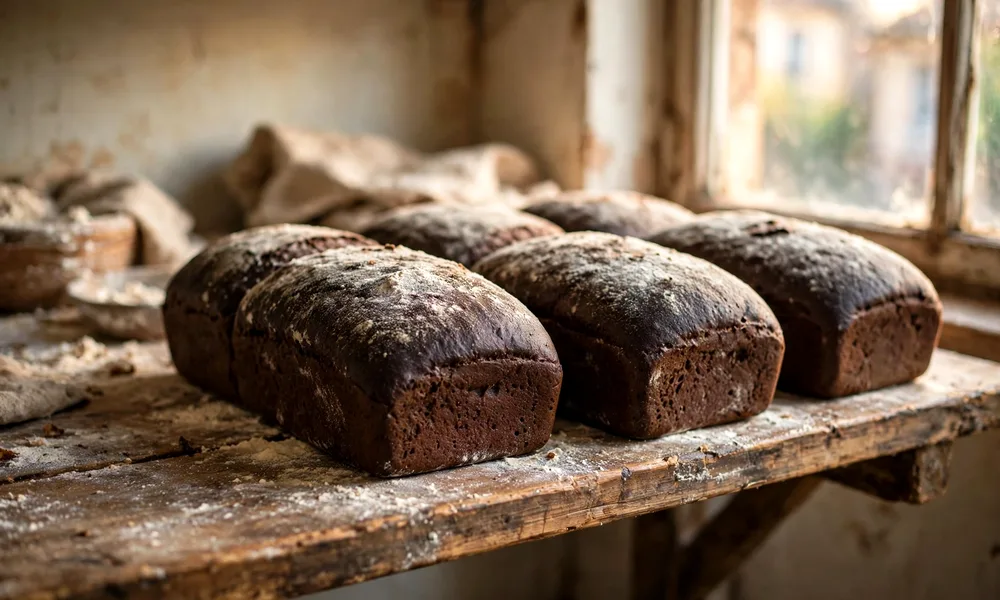
6. Pumpernickel rolls: the best for portions
Pumpernickel rolls take the dark loaf and shrink it to a single serving, which suits lunchboxes, soup and portion control. A good roll has the same dense, moist crumb as the loaf it came from, a firm crust that crackles slightly when pressed, and a flavour that is unmistakably rye, not merely brown. They are the best pumpernickel for soup, because a warm roll beside a bowl of soup needs no butter to be satisfying, and the best for a packed lunch, because one roll is a portion and there is no half loaf going stale in the bag.
7. Supermarket pumpernickel: the best budget buy
Supermarket pumpernickel is the easiest pumpernickel to find and the cheapest, and it is worth buying when you know what to look for. The best supermarket loaves list rye flour first, keep the ingredient list short, and taste of rye and malt rather than of molasses and colouring. They are softer and lighter than a bakery loaf, which suits toast and sandwiches, and they keep well because they are baked for a longer shelf life. The risk is the fake: a loaf of white wheat bread darkened with caramel colour, which tastes flat and sweet and goes stale like any white loaf.
What to avoid when buying pumpernickel
The most common pumpernickel regret is not a bad loaf but a wrong one: a coloured wheat loaf bought as rye, a dense German loaf bought for a sandwich it was too heavy for, or a thin-sliced pack opened days before the party. Avoid the trap by checking three things before you pay: the label, with rye first and no caramel colour doing the darkening; the weight, because a real pumpernickel feels heavy for its size; and the flavour, by eating a slice plain before you build anything on it. A loaf that tastes flat or only sweet without butter will not improve once you add fillings. A dense loaf also needs the right knife, and our guide to bread knives that slice cleanly without crushing explains what to look for. The same checks work across dark breads, and our guide to buying real sourdough makes the same point about labels, because the fakes in both worlds hide behind a name and a colour.
Checklist: buying pumpernickel
- Read the label first: rye flour or rye meal should come first, and caramel colour should not be doing the darkening.
- Pick the loaf up: real pumpernickel feels heavy for its size, while a coloured wheat loaf feels light and airy.
- Press the crust gently: it should be firm and spring back slowly, never soft like a sandwich loaf.
- Taste a slice plain before you build a sandwich on it, and walk away from any loaf that tastes only sweet.
- Match the shape to the job: dense loaf for open sandwiches, thin slices for canapes, rolls for soup and lunchboxes.
- Buy the size you will finish in four to five days, and freeze the rest in slices on day one.
Frequently asked questions
Is pumpernickel made from rye or wheat?
Real pumpernickel is made from rye: rye flour, rye meal or cracked rye, with water, salt and a starter or yeast. Many supermarket loaves mix rye with wheat flour, and some are wheat bread darkened with caramel colour.
Why is pumpernickel so dark?
The colour comes from the rye itself and from the long, slow bake, often steamed for hours, which darkens the crumb naturally. Some loaves add molasses or cocoa for colour and sweetness, and some add caramel colour.
How long does pumpernickel keep?
A good pumpernickel keeps for four to five days wrapped at room temperature, longer than most white breads, because the dense, moist crumb dries out slowly. Once cut, keep the cut side down or wrapped tightly.
What goes best on pumpernickel?
Strong flavours suit it best: smoked salmon, pickled herring, pastrami, strong cheese, cream cheese with dill, and pickled vegetables.
Is pumpernickel good for sandwiches?
Yes, if you match the loaf to the sandwich. American-style pumpernickel suits a Reuben or a toasted sandwich, while a dense German-style loaf suits open sandwiches with one strong topping.
Can I toast pumpernickel?
Yes, and it toasts well. The dense crumb crisps on the outside while staying moist inside, which suits butter, cream cheese and jam.
Bottom line
The best pumpernickel in 2026 is the loaf that tastes of rye before anything else: dark because the grain and the slow bake made it dark, dense because the crumb is meant to be dense, and moist enough to still be good on day four. Buy a bakery German-style loaf for open sandwiches, a whole rye loaf for everyday eating, or an honest supermarket loaf when the budget matters, and always read the label before you pay. A loaf that lists rye first, feels heavy in the hand and tastes earthy and gently sour will earn its place at the table; a coloured wheat loaf will not, however dark it looks. It is the loaf to reach for when the topping deserves a bread that tastes of something.