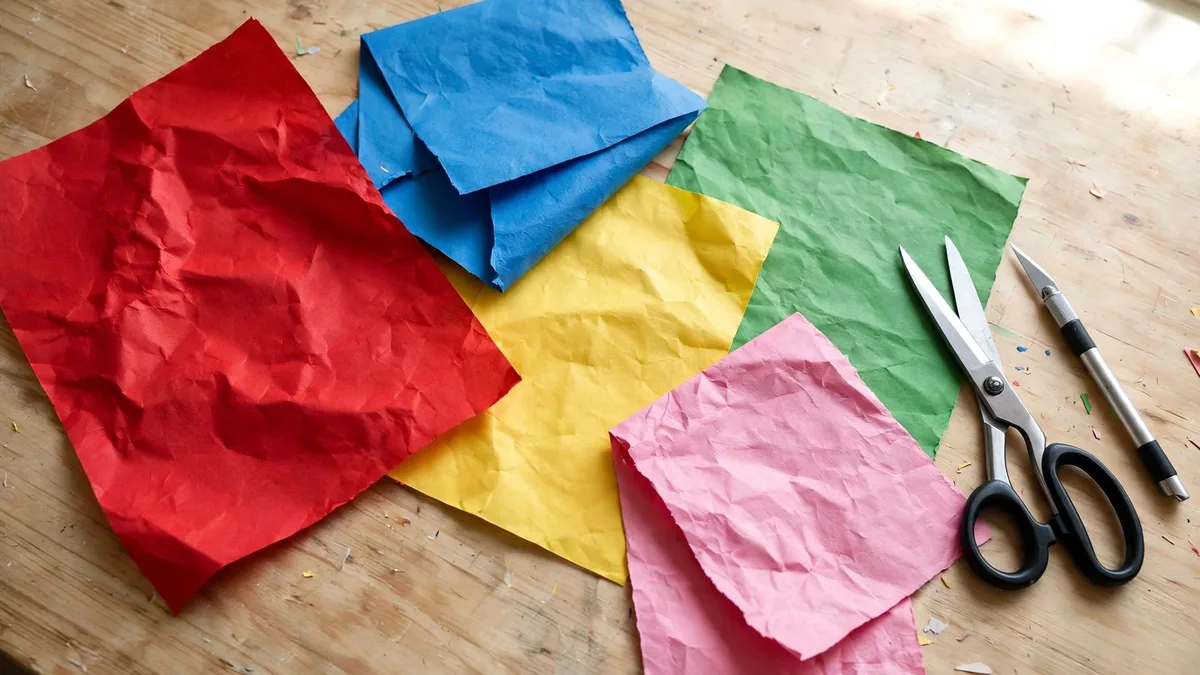
Scissors are the most used tool in most homes, and the most taken for granted. They sit in a kitchen drawer, a desk drawer, a sewing box and a bathroom cabinet, and they are expected to cut paper, fabric, string, herbs, hair and packaging without complaint. A good pair does all of that quietly, with one smooth squeeze. A bad pair tears paper, chews fabric, slips in a wet hand and leaves your hand aching after five minutes. The difference is rarely the price on the packet. It is the shape of the blades, the quality of the steel, the way the handles fit your hand and whether the pair was designed for the job you are actually asking it to do.

What Makes a Good Pair of Scissors
Start with the blades. Good scissors are made from stainless steel that holds an edge, with two blades that meet cleanly along their whole length. Hold a pair up to the light and close it slowly: the blades should touch at one small point that travels from the pivot to the tip as you close, never gaping apart and never grinding. If you can see daylight between the blades in the middle, the pair will fold paper instead of cutting it, and no amount of squeezing will fix that. The pivot matters just as much. A solid screw pivot can be tightened as the pair wears, while a cheap rivet loosens over time and cannot be adjusted, so the blades start to wobble and the cut goes ragged.
Next, look at the handles. The best scissors fit your hand without forcing your fingers into an unnatural shape. One loop is usually larger than the other, made for two or three fingers, while the smaller loop takes the thumb. Soft grips help for long sessions, but a soft grip that is too thick can be worse than a plain hard handle, because it stops you feeling where the blades are. Try the pair in your hand if you can: open and close it twenty times and notice whether your thumb rubs, whether the handles pinch at the base of your fingers, and whether the pair feels balanced or nose-heavy. A pair that feels fine for ten seconds can still hurt after ten minutes of cutting card or fabric.
The Main Types, and What Each Is For
Office and household scissors are the everyday pair, usually eight inches long, with straight blades and comfortable loops. They are made for paper, envelopes, string, tape, thin card and packaging. A good everyday pair cuts a sheet of printer paper in one long, smooth stroke, opens a cardboard box without the blades sticking, and snips a thread without fraying it. Keep one pair in the kitchen drawer and one at the desk, because a pair that lives in one place is always there when you need it, and a pair that wanders the house is never where you left it. Do not use the household pair to cut wire, thick plastic or anything metal: one cut through the wrong material can nick the edge and spoil the pair for paper for good.
Craft scissors are shorter, lighter and more precise. They are made for card, scrapbook paper, ribbon, felt and the small, fiddly cuts that an eight-inch pair cannot manage. Some have fine, pointed tips for getting into corners and cutting out small shapes; others have decorative edges for borders and gift tags. The pointed tip is the feature that matters most, because it lets you start a cut in the middle of a sheet and turn a tight corner without tearing. If you make cards, sew small projects or cut out shapes with children, a small, sharp craft pair is worth more than a second large pair. For the wider world of making things, our guide to the best craft kits of 2026 covers kits that put scissors, paper and tools together in one box.
Fabric shears are the specialists of the family, and they look different for a reason. They are longer, usually eight to ten inches, with one straight handle and one bent handle that lets the lower blade ride flat along the cutting table while your hand stays clear of the cloth. The blades are ground at a sharper angle than office scissors, so they slice through layers of cotton, linen, wool and denim instead of pushing the fabric aside. The golden rule of fabric shears is simple: they cut fabric and nothing else. One cut through paper blunts the fine edge, and cutting paper regularly will turn a good pair of shears into an ordinary pair within months. Our guide to the best fabric scissors of 2026 explains blade lengths, serrated edges and bent handles in detail.
Kitchen scissors are built like a small tool rather than a delicate instrument. They have thick, strong blades, a sturdy pivot and handles shaped for wet hands, and many pairs come apart into two halves for washing. They are made for snipping herbs over a pan, trimming fat from chicken, cutting twine, opening bags of rice and slicing a pizza into neat portions. A good pair cuts through a chicken joint without the handles flexing, and it comes apart easily so food never hides in the pivot. Because they touch food, kitchen scissors must be washed and dried properly after every use, and a pair that cannot be taken apart is much harder to keep clean. Our guide to the best kitchen scissors of 2026 covers take-apart blades, serrated edges and rust resistance.
Hair scissors are the most precise pair most people will ever own, and the easiest to ruin. They have very fine, sharp blades, often with a slightly convex edge, and a finger rest that steadies the hand for a straight cut. They are made for one thing only: cutting hair. Cutting paper with hair scissors dulls the fine edge in a single afternoon, and cutting hair with ordinary scissors crushes the ends and leaves them split. If you trim your own fringe or tidy the ends between salon visits, keep a dedicated pair of hair scissors in the bathroom, away from the household pair, and never lend them to anyone who wants to open a parcel.
How to Choose: Size, Blades and Handles
Size is the first choice, and it is simpler than it looks. Eight inches is the all-rounder for a household: long enough to cut a sheet of paper in one stroke, short enough to control. Smaller pairs, around five or six inches, suit detail work, small hands and handbags. Longer pairs, nine or ten inches, suit fabric, wrapping paper and long straight cuts, where a longer blade means fewer strokes and a straighter edge. If you can only buy one pair, buy the eight-inch household pair first, then add a small craft pair and a fabric pair as your needs grow. One good pair in each size covers almost every job in the house.

Blade edges come in two main kinds, and the difference matters more than most people realise. A smooth edge cuts cleanest on paper, cotton and hair, leaving a neat line with no fraying. A micro-serrated edge has tiny teeth that grip slippery material, which makes it better for silk, satin, raw chicken skin, plastic packaging and anything that slides away from a smooth blade. The trade-off is that a serrated edge is harder to sharpen at home, while a smooth edge can be kept sharp with a proper sharpener. For a household pair, a smooth edge is the safer choice; for a kitchen pair or a fabric pair that meets slippery cloth, serration earns its place.
Keeping Scissors Sharp
Sharp scissors cut with a light squeeze; dull scissors need force, and force is what makes cuts wander and hands ache. The easiest way to keep a pair sharp is to use it only for what it was made for, and to keep it away from the things that blunt it. Paper blunts fabric shears, wire blunts everything, and cutting through glue, tape and sticky labels leaves a residue that drags the blades. Wipe the blades clean after cutting anything sticky, and dry them before putting them away, because moisture left on steel is the start of rust, even on stainless blades.
Common Mistakes That Ruin Good Scissors
The most common mistake is using one pair for everything. The household scissors cut paper in the morning, open a parcel at lunch, trim a plant in the afternoon and cut a piece of wire in the evening, and by the end of the month they cut nothing well. Give each pair its job and keep it to that job, and every pair will last years longer. The second mistake is storage: scissors tossed loose into a drawer bang against other tools, nick their edges and go blunt, while a pair dropped blade-first onto a hard floor can bend a tip in a second. A drawer divider, a sheath, a magnetic strip or a simple blade guard keeps the edge safe and keeps fingers safe too.

How to Test a Pair Before You Keep It
Test a new pair the day you buy it, while you can still return it. Start with a single sheet of printer paper: a good pair cuts a long, straight line in one smooth stroke, with no tearing at the start and no ragged edge at the end. Next, try a piece of thin card, then a fold of fabric, then a length of ribbon held loosely in the air. A good pair cuts the ribbon cleanly without pulling it; a dull pair drags the ribbon and leaves a frayed end. Cut slowly, then quickly, and notice whether the blades stay smooth or catch halfway through the stroke. A catch in the same place every time usually means a nick in the blade, and that pair should go back.
When One Pair Is Not Enough
Most homes need three pairs, and a busy home needs four. The first is the everyday household pair for paper, packaging and string. The second is a small craft pair for detail work and card. The third is a kitchen pair that comes apart for washing. If anyone in the house sews, the fourth is a pair of fabric shears that cuts fabric and nothing else. A fifth pair, hair scissors, belongs in the bathroom only if someone trims hair at home. Buying all five at once is unnecessary; start with the household pair, add the kitchen pair next, and add the others as the need appears. Each pair costs less than replacing the clothes, fabric or food that a wrong pair can ruin.
The Bottom Line
The best scissors of 2026 are the ones that fit your hand, match the job in front of you and stay sharp because they are used properly and looked after. Start with the job, not the packet: paper and packaging need a light, smooth eight-inch pair; craft needs a small, pointed pair; fabric needs long, bent-handled shears kept away from paper; food needs a strong, take-apart kitchen pair; hair needs a dedicated pair kept away from everything else. Test the cut before you keep a pair, store each pair in its own place, and sharpen it before it goes truly dull. Do those simple things, and a good pair of scissors will be the quietest, most reliable tool in your home for years.