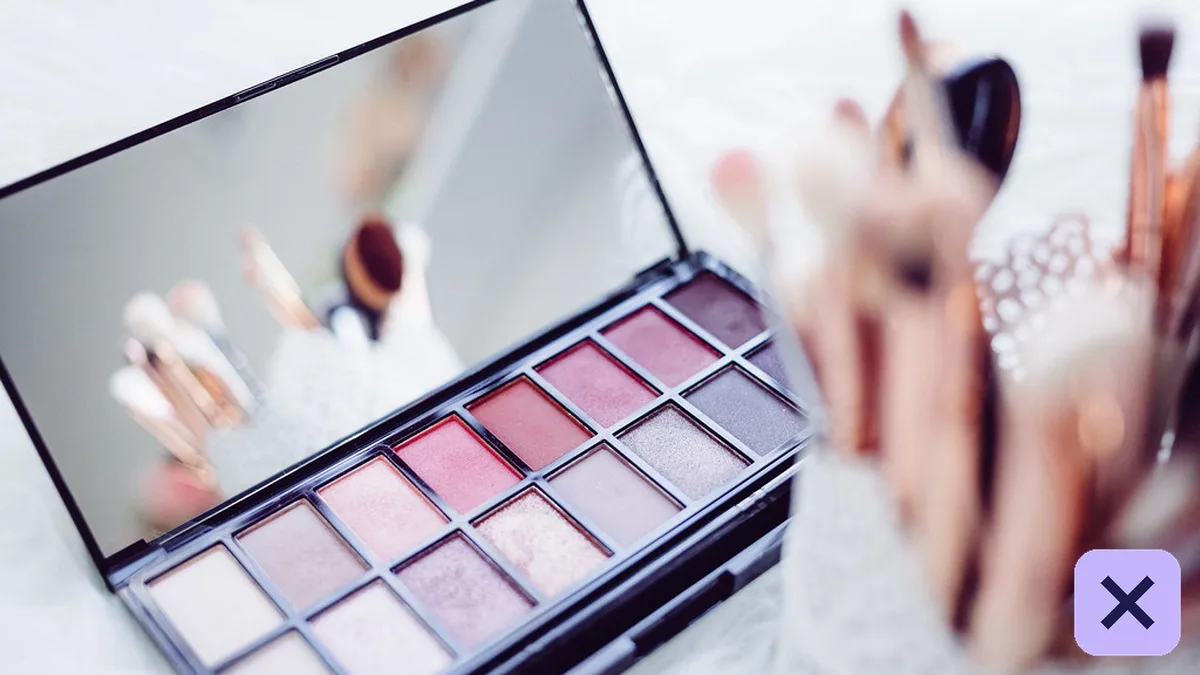
Setting Sprays That Lock Your Look In All Day in 2026
Setting sprays are the final step that decides whether your makeup still looks like makeup at four in the afternoon, or whether it has quietly faded, creased and migrated to places it was never applied. A good setting spray does not change how your makeup looks when you first put it on. It changes how long that look survives real life: a long day at work, a warm afternoon, a wedding that runs from midday photographs to midnight dancing.
This guide explains how setting sprays actually work, which type suits your skin and your day, and how to use one properly, because the technique matters as much as the bottle. A fine mist, held at the right distance and left alone to dry, can add hours to a look. A heavy, close spray that you rub in will do the opposite.
Key takeaways
- A setting spray works by forming a light, flexible film over makeup that slows down fading, creasing and transfer.
- Match the finish to your skin: dewy sprays flatter dry skin, matte sprays control shine on oily skin, and hydrating sprays suit most skin in between.
- Hold the bottle 20 to 30 centimetres from your face and use three or four light mists, never a soaking blast.
- Let the spray dry on its own: fanning, blotting or rubbing it in breaks the film before it sets.
- A setting spray cannot rescue makeup that was never going to last, so prep and long-wear base products still matter.
How a setting spray actually works
A setting spray is mostly water, with film-forming polymers, humectants and a small amount of alcohol or alcohol-free solvents. When you mist it over finished makeup, the water carries those polymers across the surface of the skin, and as the water evaporates the polymers are left behind as a thin, flexible film.
The film is the whole trick, and it explains both what a setting spray can do and what it cannot. It can lock down a look that is already well applied, and it can meld powdery layers together so makeup looks like skin instead of like powder sitting on skin. It cannot fix a foundation that is the wrong shade, stop very oily skin producing oil, or hold up a full face through a long run in heavy rain. The base underneath still matters, and our comparison of the best and worst foundations of 2026 is a useful starting point, because a long-wear foundation and a good setting spray are a team.
The types of setting spray, and who each one suits
Setting sprays fall into four broad types, and choosing between them is mostly a question of your skin type and the finish you like. Get the type right and the rest is technique.
1. Matte setting sprays
Matte sprays are made for oily and combination skin. They contain oil-absorbing powders and stronger film formers, and they dry down to a flat, shine-free finish that keeps the T-zone under control for hours. On dry skin they can look flat and tight, so if your skin is dry, a matte spray is the wrong tool even if it lasts longest.
2. Dewy setting sprays
Dewy sprays leave a soft, lit-from-within glow, and they suit dry, dull and mature skin best. On very oily skin a dewy spray can look shiny within an hour, so it is a finish for people whose skin rarely shines on its own.
3. Hydrating setting sprays
Hydrating sprays sit between matte and dewy: a natural finish, a comfortable feel, and enough moisture to keep makeup looking like skin without adding shine. They are the easiest choice if you are not sure which type you need, and they suit normal and combination skin well. They also double as a midday refresh, a light mist over makeup that has gone a little dull by the afternoon.
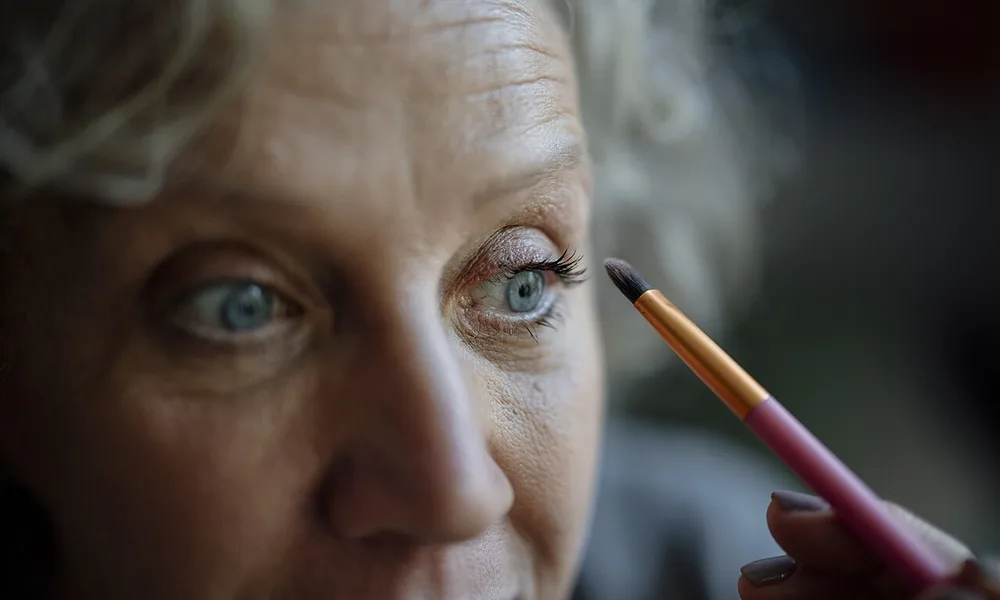
4. Long-wear and waterproof setting sprays
Long-wear sprays use the strongest film formers and are made for occasions: weddings, long flights, performances, and days when you cannot touch up. They hold makeup through heat, tears and humidity better than any other type, but they feel tighter on the skin and need a proper cleanser to remove at night.
Setting sprays compared: finish, wear and skin type
The table below compares the four types side by side, so you can match the spray to your skin and your day instead of buying the one with the prettiest bottle.
| Type | Finish | Best skin | Wear | Watch out for |
|---|---|---|---|---|
| Matte | Flat, shine-free | Oily, combination | 8 to 12 hours | Can look tight on dry skin |
| Dewy | Soft glow | Dry, dull, mature | 6 to 8 hours | Can look shiny on oily skin |
| Hydrating | Natural, skin-like | Normal, combination | 6 to 8 hours | Needs a touch-up on very long days |
| Long-wear | Natural to matte | All, for occasions | 12 hours or more | Feels tight, needs thorough cleansing |
| Alcohol-free | Natural | Dry, sensitive | 6 hours | Dries slowly, feels damp at first |
How to apply a setting spray so it actually lasts
Technique is where most people go wrong, and the mistakes are always the same: holding the bottle too close, spraying too much, and touching the face before the spray has dried. The right method takes twenty seconds.
Shake the bottle first, because the film formers and powders settle at the bottom. Hold it 20 to 30 centimetres from your face, about an arm’s length away, and close your eyes. Spray in a loose X shape across the face, then a T shape: forehead, nose and chin. Three or four light mists are enough.
Then leave it alone. Do not fan your face, do not blot, and do not press your hands against your skin. The film forms as the water evaporates, which takes about a minute, and touching it during that minute breaks the film and leaves marks. If you are in a hurry, wait at least thirty seconds before putting on glasses or a mask. Our guide to mascaras that make your eyes pop in 2026 covers the other product that benefits most from a setting spray, because a good mist also keeps mascara from smudging onto the brow bone by the afternoon.
Setting spray before, during and after makeup
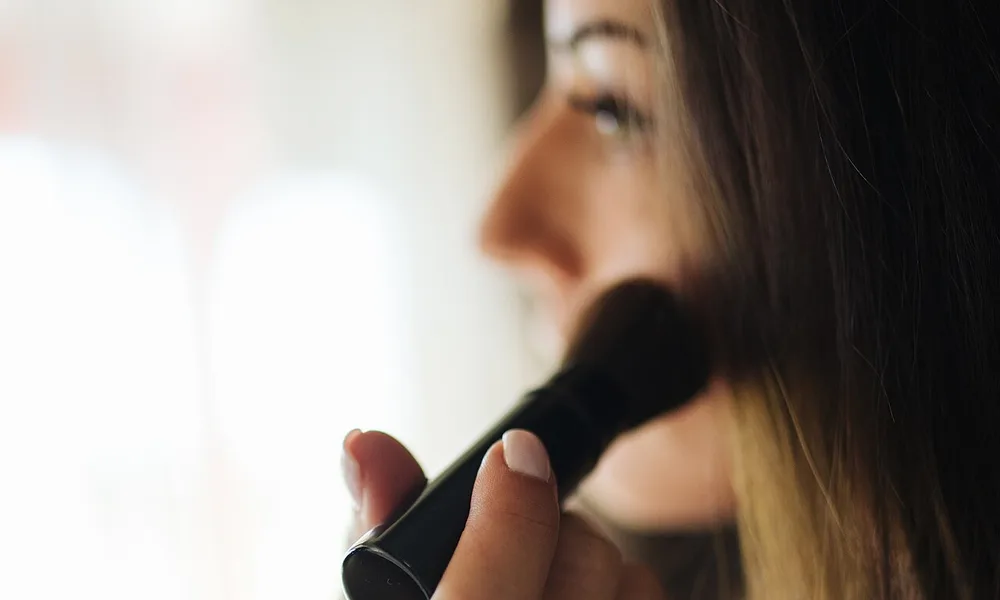
Most people spray only at the end, but a setting spray has three jobs in a routine, and using it at more than one stage is what makes the difference on a long day. Before makeup, a light mist on clean, moisturised skin gives foundation something slightly tacky to grip, which helps it last longer.
During makeup, a mist between layers melts each layer into the one below it. Spray after foundation and concealer, let it dry, and then apply powder and blush. The powder sits on a sealed base instead of on wet foundation, which is why it looks smoother and lasts longer.
Setting spray for oily, dry and sensitive skin
Oily skin gets the most obvious benefit from a setting spray, because oil is what breaks foundation down. A matte spray, applied in two light layers with a minute between them, keeps shine down for hours, and blotting papers used over the top during the day remove oil without disturbing the film.
Dry skin needs the opposite approach. A hydrating or dewy spray, used before and after makeup, keeps the skin comfortable and stops powder from looking chalky.
Sensitive skin needs a short ingredient list and no fragrance. Alcohol-free, fragrance-free sprays are the safest choice, and a patch test on the jawline before the first full use is worth the day it takes. If a spray stings, leaves the skin red, or makes your eyes water, stop using it: no setting spray is worth irritated skin, and a gentler formula will set your makeup almost as well.
Common mistakes that make setting spray fail
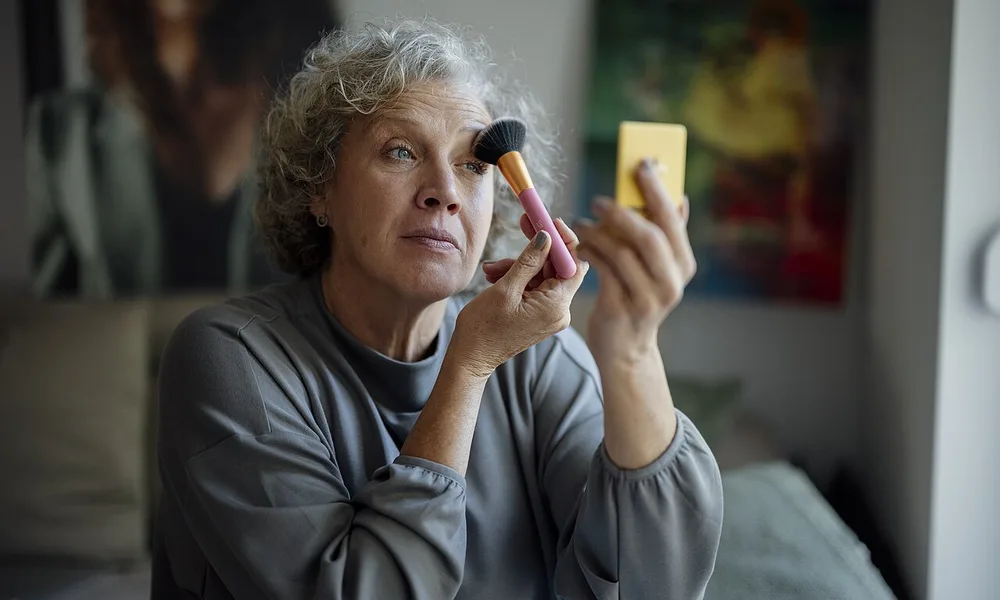
The first mistake is spraying too close. The second mistake is spraying too much: a face that is dripping wet is a face whose makeup is already moving. Less is more, and a second light layer after the first has dried beats one heavy soaking every time.
Setting spray buying checklist
- Match the finish to your skin: matte for oily skin, dewy for dry skin, hydrating for normal or combination skin.
- Check the alcohol content: alcohol-free and fragrance-free if your skin is dry or sensitive, light alcohol if you need fast drying and long wear.
- Test the mist before you buy if you can: a fine, even mist sets makeup, while a spitting nozzle leaves wet spots.
- Shake before every use, hold the bottle 20 to 30 centimetres away, and use three or four light mists, never a soaking blast.
- Let the spray dry untouched for a full minute: no fanning, no blotting, no touching your face.
- Keep a long-wear spray for big days and a gentler spray for everyday use, and cleanse properly at night.
Frequently asked questions
Does setting spray really make makeup last longer?
Yes, when the makeup underneath is well applied. A good spray adds several hours to a look by forming a flexible film that slows fading, creasing and transfer, though it cannot rescue a foundation that was never going to last.
Can I use setting spray instead of primer?
Not quite. A primer smooths the skin and grips the foundation from below, while a setting spray seals it from above. They do different jobs, and using both gives the longest wear, though a spray used before makeup can help in a pinch.
How far away should I hold the bottle?
About 20 to 30 centimetres, roughly an arm’s length. Any closer and the mist lands as wet patches that dissolve makeup; any further and too little reaches your face to form a proper film.
Will setting spray dry out my skin?
A spray with a lot of alcohol can dry out sensitive or dry skin if used every day. Choose an alcohol-free, hydrating formula if your skin is dry, and moisturise well underneath.
Can I reapply setting spray during the day?
Yes, a light mist over makeup refreshes it and brings back the finish, though it will not restore makeup that has already creased or faded badly. Blot away oil first, then mist lightly and let it dry.
Do I need setting spray if I use powder?
Powder and setting spray do different jobs: powder absorbs oil and mattifies, while a spray seals everything and melts powder into the skin so it stops looking powdery. Used together, they give the longest, most natural-looking wear.
The bottom line
The setting sprays that lock your look in all day in 2026 are the ones matched to your skin and used properly: a matte spray for oily skin, a dewy or hydrating spray for dry skin, and a long-wear formula kept for the big days when you cannot touch up. Hold the bottle an arm’s length away, use three or four light mists, and let the film dry untouched for a full minute. That is the whole secret, and it takes twenty seconds. Pair it with a well-chosen base and thin, blended layers, and your makeup will still look like your makeup at the end of the day. If you wear concealer daily, our comparison of the best and worst concealers of 2026 can help you find one that stays put under a setting spray, and a good spray will make even an ordinary concealer last until bedtime.