
Shortening is the quiet fat in the baking aisle, the white block in the back of the cupboard for decades, and it is easy to assume butter and oil have replaced it. It has not. Shortening still gives pie crust its flakes, cookies their tender crumb, and frosting its smooth hold, and for some recipes nothing does its job as well. Shortening is a solid vegetable fat, usually made by hydrogenating vegetable oil, with no water and no flavour of its own, and those two facts explain almost everything.
Most bakers reach for butter by habit, and butter is wonderful for flavour, but it is about eighty per cent fat and twenty per cent water and milk solids, and that water changes how dough behaves. Shortening is one hundred per cent fat, melts at a higher temperature, and stays solid longer while the pastry bakes, which is why a shortening crust flakes where a butter crust can turn tough. This guide explains what shortening is, where it still earns its place, how to choose between the types on the shelf, and when butter or oil is better.
Key Takeaways
- Shortening is a solid vegetable fat with no water and no flavour, which is why it makes pastry flaky and cookies tender rather than crisp and buttery.
- It still wins for pie crust and any pastry where flakes matter: it melts at a higher temperature and stays solid longer in the oven.
- Choose non-hydrogenated shortening: no trans fats, the same behaviour in recipes, and months of life in a cool cupboard.
- Shortening cannot replace butter for flavour, so use it where texture matters most and save butter for cakes and biscuits where taste leads.
- Keep shortening cool, dry, and sealed, measure it by weight or by packing it firmly into a cup, and never melt it unless a recipe says so.
What Shortening Actually Is
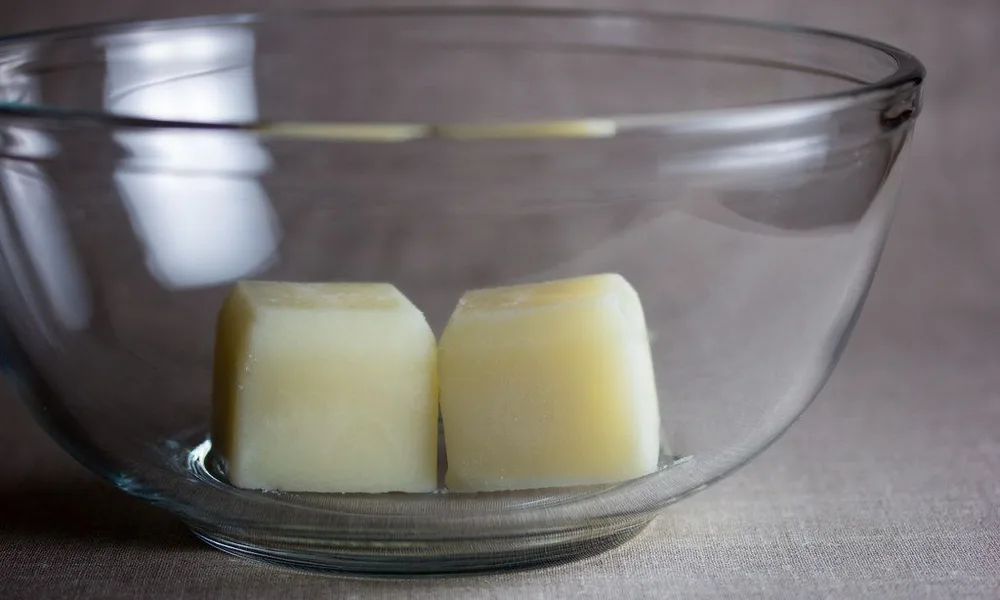
Shortening starts as liquid vegetable oil, usually soybean, palm, or a blend, turned solid by hydrogenation, which adds hydrogen so the fatty acids stack into a solid at room temperature. The result is a white, flavourless fat, solid in the tub, softening when creamed, and melting at around forty-six degrees Celsius, several degrees higher than butter. That higher melting point is the whole story: shortening stays solid while the pastry sets, so the layers of dough stay separate and bake into flakes.
The name comes from what the fat does to dough: it shortens the gluten strands, coating the flour so the crumb stays tender instead of tough and chewy. A dough made with shortening is easier to roll, less likely to shrink in the tin, and more forgiving of warm hands. Modern tubs also include non-hydrogenated versions made from palm oil or a blend, solid without hydrogenation and with no trans fats.
Shortening at a Glance: How the Fats Compare
| Fat | Best for | Flavour | Weakness |
|---|---|---|---|
| Shortening | Flaky pastry, tender cookies | None | No flavour of its own |
| Butter | Cakes, biscuits, flavour | Rich and creamy | Water makes pastry tougher |
| Lard | Pastry, frying, savoury crusts | Mildly porky | Animal fat, not for every diet |
| Vegetable oil | Cakes, frying, dressings | Neutral | Liquid, cannot cream or flake |
| Margarine | Spreading, some baking | Mild, buttery | Water content varies by brand |
Why Shortening Still Wins for Flaky Pastry
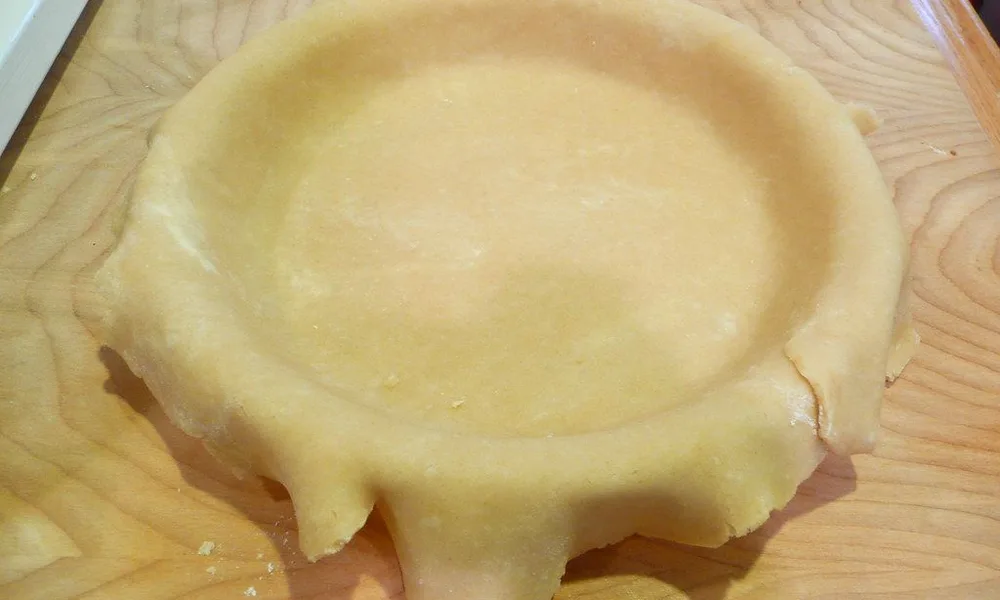
A flaky pie crust is a matter of layers: small pieces of cold fat scattered through the flour, each melting in the oven and leaving a pocket of steam that lifts the dough apart. Shortening is the best fat for this job because it stays solid longer than butter while the crust bakes, so the pockets form after the dough has set, and the flakes hold their shape. It is also easier to work with: it softens slowly in warm hands, so a beginner can roll a shortening crust without the dough turning sticky.
The trade-off is flavour. A shortening crust is pale, tender, and crisp, but it tastes of almost nothing, while a butter crust tastes rich and golden. Many experienced bakers split the difference with half shortening and half butter: the shortening gives the flakes, the butter gives the flavour, and the crust is better than either fat could make alone. If you bake one pie a year, use the half-and-half mix.
Creaming, Frying, and Frosting: Where Else It Works
Shortening earns its keep beyond pastry. In cookies, it creams with sugar into a light, fluffy base that holds air well, and because it has no water, the cookies spread less and stay soft for days instead of turning crisp and dry. In frying, its high smoke point and neutral flavour suit doughnuts and fried chicken, where butter would burn and oil would leave a taste of its own.
Frosting is the third place shortening shines. A buttercream made with shortening holds its shape in a warm room, pipes cleanly, and stays white instead of turning yellow, which is why bakeries have used it for a century. The cost is flavour again: a shortening frosting tastes sweet and smooth but not buttery, so many bakers use half butter and half shortening for a frosting that holds and tastes of something.
Hydrogenated vs Non-Hydrogenated: What the Label Means
The most important choice on the shelf is between hydrogenated and non-hydrogenated shortening. Traditional hydrogenated shortening is made by fully or partly hydrogenating vegetable oil, and the partly hydrogenated kind contains trans fats, best avoided. Fully hydrogenated shortening contains no trans fats, but the label does not always make the distinction clear, so read the ingredients list, not the front of the tub.
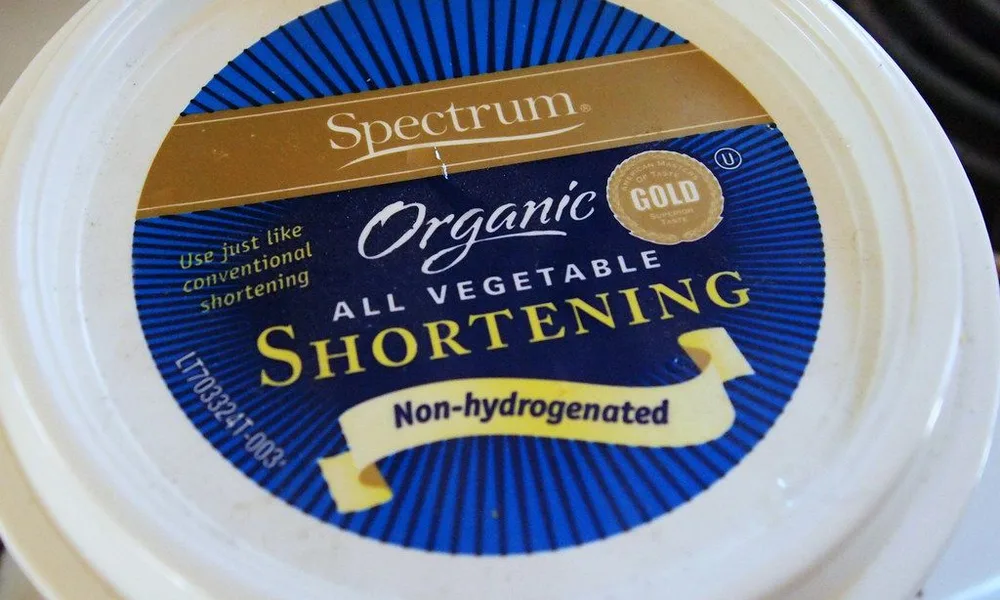
Non-hydrogenated shortening is usually made from palm oil, sometimes blended with other oils, and it is solid at room temperature without hydrogenation, so it contains no trans fats at all. It behaves the same as traditional shortening in recipes: it creams, flakes, and fries the same way, and it keeps just as long. If the tub says non-hydrogenated, buy that one. Our guide to vegetable oil, decoded: smoke point, flavour and price in 2026 explains how the liquid oils on the same shelf differ from the solid fats.
Shortening vs Butter and Oil
Shortening and butter are partners with different strengths, not rivals. Butter brings flavour, colour, and a rich crumb, and it is the right choice for cakes, shortbread, and any bake where taste leads. Shortening brings structure, tenderness, and a higher melting point, and it is the right choice for pie crust, tender cookies, and frosting that must hold its shape. A kitchen that bakes regularly needs both, and the best recipes often use both in the same bowl.
Oil is a different tool entirely. A liquid oil cannot be creamed with sugar, cut into flour to make flakes, or spread on a tin to stop a cake sticking. It is the right fat for moist cakes, frying, and dressings, but it cannot do the structural jobs that make shortening useful. When a recipe calls for shortening, do not swap in oil cup for cup: the dough will be greasy, the pastry will not flake, and the bake will spread across the tray.
How to Use and Store Shortening
Measure shortening properly, because it is easy to get wrong. The reliable way is by weight on kitchen scales: a cup scooped loosely can be twenty per cent lighter than a cup packed firmly. If you measure by volume, press it into the cup with the back of a spoon so no air pockets remain, and level it off with a knife. For pastry, keep it cold: chill the tub in the fridge for half an hour before you start, and cut it into the flour while it is still firm.
Storage is simple. Keep shortening in its sealed tub in a cool, dark cupboard, away from the cooker and strong smells, because a flavourless fat picks up the smell of anything stored beside it. It keeps for months unopened and for several months once opened, and it does not need the fridge. Throw it out if it smells stale, waxy, or like old paint, or if it has turned yellow or grainy. Our guide to which rolling pin rolls dough evenly in 2026 covers the tool that shapes the pastry once the fat is in.
Buying Checklist: Six Checks Before You Pay
- Read the ingredients: choose non-hydrogenated shortening with no trans fats, and avoid any tub that lists partly hydrogenated oil.
- Check the date and buy a size you will finish within a few months, because an open tub slowly picks up smells from the cupboard.
- Buy plain, unflavoured shortening for baking: butter-flavoured versions add an artificial taste most bakers dislike.
- Keep a tub in the cupboard even if you mostly bake with butter, because pie crust and frosting are the jobs only shortening does well.
- Measure by weight, or pack the shortening firmly into a measuring cup so no air pockets throw the recipe off.
- Store it sealed, cool, and dark, away from the cooker and from onions, spices, and anything else with a strong smell.
Frequently Asked Questions
Is shortening still used in baking?
Yes, and for good reason: it makes the flakiest pie crust, the tenderest cookies, and the most stable frosting of any fat. Butter has taken over many recipes because of its flavour, but professional bakers still keep shortening where texture matters more than taste, and many home bakers use half shortening and half butter to get both.
What is the difference between shortening and lard?
Shortening is a vegetable fat, usually made from soybean or palm oil, with no flavour and no water. Lard is rendered pork fat, with a mild pork flavour and a slightly lower melting point. Both make excellent pastry, but shortening suits every diet, while lard gives a richer, savoury crust some bakers prefer.
Can I replace butter with shortening?
You can replace it cup for cup, but the result will taste different: the bake will be tenderer and paler, with no buttery flavour. For pie crust and cookies that is often an improvement, but for cakes and shortbread, where butter is the flavour, it is a loss. The safest swap is half butter and half shortening, which keeps most of the flavour and gains most of the texture.
Is shortening bad for you?
Old-style partly hydrogenated shortening contained trans fats, best avoided, and that is the reputation shortening still carries. Modern non-hydrogenated shortening contains no trans fats, but it is still a saturated fat, so use it as a baking fat rather than an everyday spread. As with butter, the amount matters more than the choice.
How long does shortening last?
An unopened tub keeps for many months in a cool, dark cupboard, and an opened tub for several months if sealed and kept away from heat and strong smells. It does not need the fridge. Throw it out if it smells stale or waxy, has turned yellow, or tastes of anything other than nothing.
Can I melt shortening before using it?
Only if the recipe tells you to, for example when greasing a tin or frying. For pastry and cookies, shortening must stay solid: melt it and the dough turns greasy, the flakes never form, and the bake spreads. Chill the tub before you start, and work quickly in a cool kitchen.
Bottom Line
Shortening still has a job in 2026, and no other fat does it as well: flaky pie crust, tender cookies, and frosting that holds its shape in a warm room. Buy a non-hydrogenated tub, keep it cool and sealed, measure it by weight, and use it where texture matters most, with butter where flavour leads. Once the pastry is rolled, the dish it bakes in matters too, and our guide to what is the best pie dish for a golden crust in 2026 covers the tin that finishes what shortening starts.


