Vegetable oil is the bottle almost every kitchen already owns, and it is also the bottle almost nobody reads. It gets poured into frying pans and cake tins, and is rarely given a second thought until something smokes or tastes faintly of old chip shops. That neglect is a shame, because vegetable oil is not one oil at all. It is a blend, usually of soybean, canola and sunflower oils, and the exact mix changes with the harvest and the price of each crop.
The good news is that vegetable oil is genuinely useful: neutral in flavour, cheap by the litre, and hot enough for most everyday frying. This guide explains what it really is, how its smoke point compares with the named oils, and where you should reach for something else instead.
Key Takeaways
- Vegetable oil is a blend, usually soybean, canola and sunflower oil, and the mix varies by brand, so read the ingredients list rather than trusting the front of the bottle.
- Its smoke point sits around 220 to 230 degrees Celsius, which is hot enough for shallow frying, roasting and most everyday cooking, but not for the fiercest searing.
- Neutral flavour is its greatest strength: it lets the food taste of itself, which suits frying, baking and dressings where olive oil would dominate.
- It is the cheapest cooking oil per litre on most shelves, often half the price of olive oil, so it is the sensible everyday workhorse rather than a luxury.
- Buy it in a size you will finish within a few months, keep it cool and dark, and throw it out when it smells stale, waxy or like old paint.
What Is Actually in the Bottle?
On the shelf you will see two kinds of bottle: the named oils, olive, coconut, avocado and sesame, each pressed from a single plant and sold on its character, and vegetable oil, the plain bottle that needs the most explaining. The term vegetable oil is a catch-all. In most countries it means a refined blend of seed oils, and the blend is whatever was cheapest when the oil was made. Soybean oil is the usual backbone, with canola and sunflower oil mixed in, and sometimes corn or safflower oil too.
That is not a reason to avoid it. Refining strips out the strong flavours and colours, leaving a pale, neutral oil that does not fight with your food: a blank canvas rather than a star ingredient. For a full picture of how the flavoured oils differ, our guide to the best olive oil of 2026 shows what a characterful oil looks like when it is done well. Before you buy, turn the bottle around: a good label lists the oils in the blend in order of quantity, while a bottle that only says vegetable oil tells you nothing. Fresh oil is pale gold and clear, and it smells of almost nothing; cloudy, dark or waxy-smelling oil should stay on the shelf.

Smoke Point: The Number That Decides What You Can Cook
The smoke point is the temperature at which an oil starts to break down and smoke, and it is the single most useful number on any cooking oil. Go past it and the oil smokes, tastes bitter, and fills the kitchen with a smell that lingers for hours. Refined vegetable oil smokes at around 220 to 230 degrees Celsius, comfortably above most everyday cooking. Shallow frying runs at 170 to 190 degrees and roasting at 180 to 220 degrees, so vegetable oil has plenty of headroom for both.
Where it falls short is at the very top of the range: searing a steak hard or deep-frying a long batch can push a pan close to the limit, especially if the oil is old, since older oil smokes sooner. If your oil smokes the moment it hits the pan, turn the heat down or pour it out and start fresh. For the hottest cooking of all, a high smoke point oil earns its keep, and our guide to the best avocado oil of 2026 explains why its 250-degree ceiling makes it the searing specialist. When the surface ripples faintly and a crumb of bread sizzles at once, the pan is ready; if the oil is smoking, it is already past ready.
Vegetable Oil Compared: Blends Against the Named Oils
Prices below are typical 2026 supermarket prices, but the order stays the same: vegetable oil is cheapest, olive oil sits in the middle, and avocado oil is the most expensive.
| Oil | Smoke Point | Flavour | Best For | Price per Litre |
|---|---|---|---|---|
| Vegetable oil (blend) | 220 to 230°C | Neutral | Everyday frying, roasting, baking | Lowest |
| Olive oil (extra virgin) | 190 to 210°C | Grassy, peppery | Dressings, finishing, gentle cooking | Medium to high |
| Avocado oil (refined) | Around 250°C | Mild, buttery | Searing, roasting, high heat | Highest |
| Coconut oil (refined) | 200 to 230°C | Neutral when refined | Frying, baking, curries | Medium |
| Sesame oil (toasted) | Around 175°C | Strong, nutty | Finishing, drizzling, stir-fry flavour | High per litre |
Two things stand out. First, the cheap neutral oils cluster together: vegetable oil, sunflower and canola are near-identical on smoke point and flavour, which is why they are blended together. Second, the flavoured oils earn their price by doing something the blend cannot: olive oil brings flavour, avocado oil brings heat tolerance, and toasted sesame oil brings aroma. Keep both kinds: a big bottle of vegetable oil for everyday work, and one or two small bottles of characterful oil for the jobs where flavour matters.
Frying With Vegetable Oil: What Works and What Does Not
Vegetable oil earns its place at the frying pan: its neutral flavour means chips taste of potato rather than of oil, its high smoke point holds frying temperature without smoking, and its low price means you can use enough of it. The most common mistake is using too little. Shallow frying needs the oil to come at least a third of the way up the food, and deep frying needs the food to float freely.
Temperature control is the other half of good frying. A thermometer is the honest way, but the bread test works: drop a small cube of bread in, and if it turns golden in about a minute, the oil is around 180 degrees, right for most frying. Fry in small batches, let the oil come back up to temperature between batches, and drain fried food on a rack rather than on paper, so the steam can escape and the crust stays crisp. Never fill a pan more than a third full, never leave hot oil unattended, and keep a lid nearby in case of fire: the lid smothers it, while water makes it far worse.
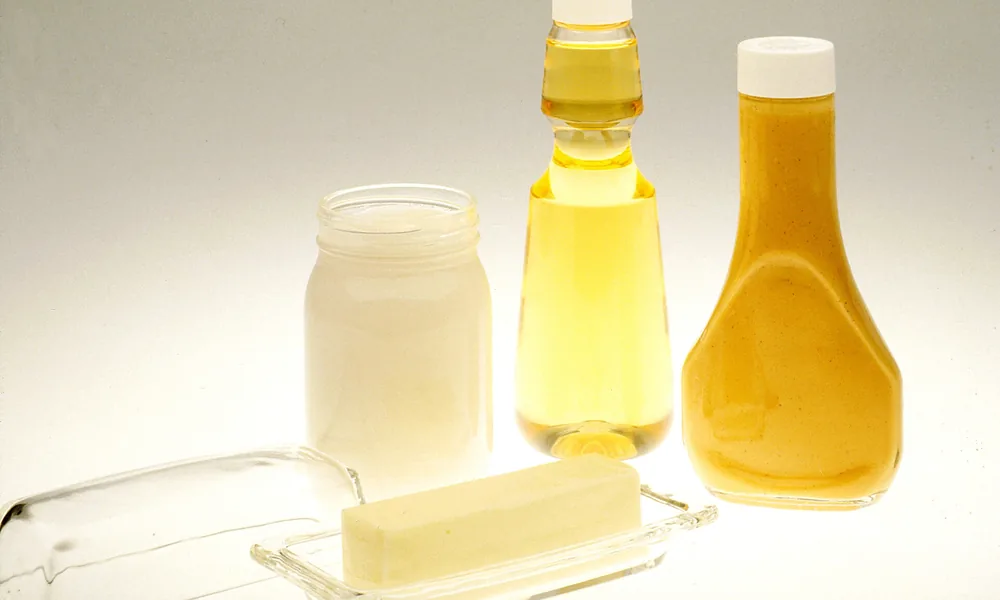
Where vegetable oil does not work is where flavour is the point: a salad dressing made with it tastes flat, a finishing drizzle adds nothing but grease, and bread dipped in it is a disappointment next to bread dipped in good olive oil. Use vegetable oil for the work and save the flavoured oils for the finish. For a sense of how a flavoured oil handles heat differently, our guide to the best coconut oil of 2026 compares refined and virgin jars for frying and baking.
Reusing Frying Oil: When to Keep It and When to Bin It
Reusing frying oil is one of the oldest kitchen economies. After frying, let the oil cool completely, then strain it through a fine sieve or a coffee filter into a clean jar to remove crumbs and batter, which turn rancid first. Oil used for chips or vegetables can be reused three or four times, but oil used for fish should be thrown out after one use. Oil is finished when it darkens, thickens, foams too much, or smells stale or fishy even when cold. Never pour used oil down the sink: let it cool, seal it in a container, and put it in the household waste or take it to a local recycling point.

Storage: Keeping a Big Bottle Fresh
Light, heat and air break vegetable oil down, and time finishes the job. An unopened bottle keeps for a year or more, but once it is opened the clock starts. The best place is a cool, dark cupboard, away from the cooker and out of direct sunlight. Buy the size that matches how fast you cook: a household that fries twice a week will finish a litre in a month or two, while one that rarely fries should buy the smallest bottle, because a big bottle that goes stale is wasted money. Keep the cap on tight, and throw the oil out when it smells waxy, stale or like old paint. Fresh vegetable oil should smell of almost nothing at all.
Vegetable Oil Buying Checklist
- Read the ingredients list and choose a blend that names its oils, such as soybean, canola and sunflower, rather than a bottle that only says vegetable oil.
- Check the best-before date, and buy a size you will finish within two to three months of opening.
- Hold the bottle up to the light: fresh oil is pale gold and clear, while cloudy or dark oil is old and should stay on the shelf.
- Smell it if you can: fresh vegetable oil smells of almost nothing, while stale oil smells waxy, stale or faintly like crayons.
- Match the oil to the job: vegetable oil for everyday frying, roasting and baking, and a flavoured oil for dressings and finishing.
- Store it in a cool, dark cupboard away from the stove, with the cap on tight, and throw it out when it smells stale or smokes too early.
Frequently Asked Questions
Is vegetable oil the same as sunflower oil?
Not quite. Sunflower oil is pressed from sunflower seeds only, while vegetable oil is a blend that usually includes soybean, canola and sunflower oil. In practice they cook almost identically, with similar smoke points and neutral flavour, so they can be swapped in most recipes.
What is vegetable oil actually made of?
Most bottles are a refined blend of soybean, canola and sunflower oil, sometimes with corn or safflower oil mixed in. The blend changes with crop prices, so read the ingredients list on the back of the bottle.
Can I use vegetable oil for deep frying?
Yes, it is one of the best choices for deep frying, because it is neutral, cheap and hot enough at around 220 degrees Celsius. Keep it near 180 degrees and never leave hot oil unattended.
Is vegetable oil healthy?
It is a refined fat with little flavour, but it is low in saturated fat and fine as part of a varied diet. Use a mix of oils rather than one fat for everything, and keep fried food as a sometimes food rather than an everyday one.
How long does vegetable oil last once opened?
An opened bottle keeps for two to three months in a cool, dark cupboard. Throw it out when it smells stale, waxy or like old paint, or when it smokes well below its usual temperature.
Can I reuse vegetable oil after frying?
Yes, if you strain it, store it in a clean sealed jar and use it within a few weeks. Oil used for chips or vegetables can be reused three or four times, but oil used for fish should be thrown out after one use. Never pour used oil down the sink.
The Bottom Line
Vegetable oil will never be the most exciting bottle in the kitchen, and that is exactly its job: the cheap, neutral, hot-enough workhorse for everyday frying, roasting and baking, without fighting the flavour of the food. Buy a blend that names its oils, keep it cool and dark, use it within a few months, and keep a small bottle of something characterful beside it for the moments when flavour is the point. Every bottle has a job, and vegetable oil’s job is to do the heavy lifting quietly.