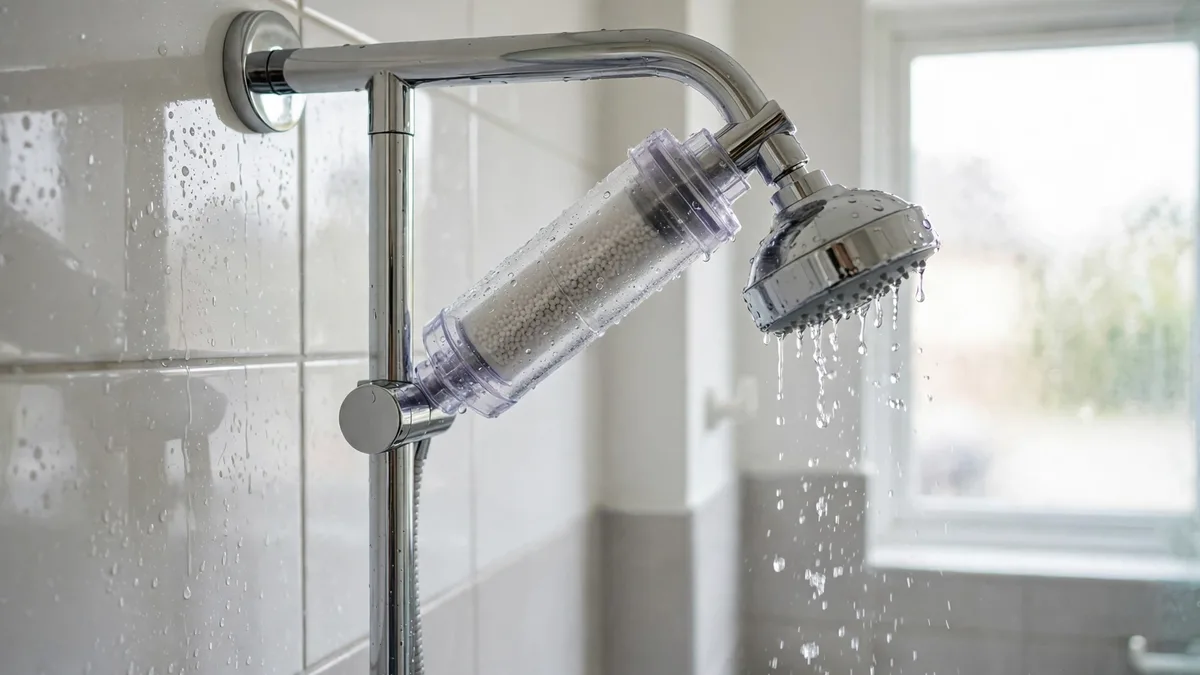
Hard water is the quiet enemy of a good shower. The best shower filters in 2026 soften hard water before it ever reaches your skin, cutting the limescale that clogs shower heads, the chlorine that dries out hair, and the chlorine that dries out hair and skin. This guide sorts the shower filters that genuinely soften hard water from the ones that only look the part.
We judged shower filters the way a household actually uses them: daily showers, hard-water areas, shared bathrooms, and homes where the shower head already sprays sideways from limescale. Filtration type, cartridge life, and ease of fitting matter far more than brand names.
Key Takeaways
- Test your water first: a filter can only fix what it is designed to remove, and very hard water needs a softening stage, not just carbon.
- Inline filters fit between the shower arm and the head; filtered shower heads combine filter and head in one unit.
- Vitamin C and carbon cartridges tackle chlorine and odour well, but only ion-exchange resin or a salt-free softening medium reduces hardness minerals.
- Check cartridge life in months, not litres: a cartridge rated for three months in a one-person flat may last six weeks in a family of four.
- Look for a standard half-inch fitting and a clear housing, so you can see when the cartridge is spent.
What Hard Water Does to Your Shower
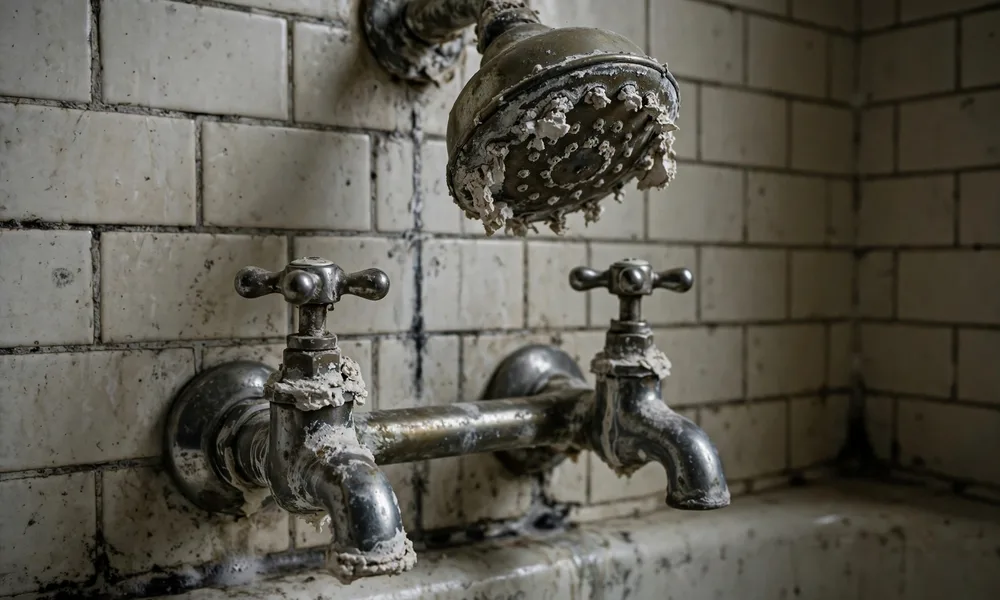
Hard water carries a high concentration of dissolved calcium and magnesium. It is not harmful to drink, but it is hard on plumbing, skin, and hair. Every time hard water evaporates, it leaves mineral behind, and in a shower that mineral builds up in the head first, so nozzles spray at an angle and white crust appears around the face.
The effects on your body are just as real. Hard water leaves a thin mineral film on skin that can dry it out and aggravate eczema, and it coats hair so shampoo does not rinse clean, leaving it dull and hard to manage. A good shower filter breaks this cycle at the source, before the water touches you or the fittings.
The Main Types of Shower Filter
Inline filters
An inline filter is a cartridge housing that screws between the shower arm and the shower head. It is the most popular type, because it fits almost any standard shower, installs in minutes without tools, and lets you keep the shower head you already like. The trade-off is size: a bulky housing can look awkward on a slim arm, and a cheap one can cut water pressure.
Filtered shower heads
Filtered shower heads build the filter into the head itself, usually as a cartridge in the handle or behind the faceplate. They are neater than inline filters and suit renters and small bathrooms, because there is no extra housing to fit. The catch is cartridge size: the smaller cartridges hold less media, so they need replacing more often.
Vitamin C filters
Vitamin C filters use ascorbic acid to neutralise chlorine and chloramine, and they are popular with people whose main complaint is dry skin and faded hair colour. They work quickly on chlorine, but they do almost nothing for hardness minerals: calcium and magnesium pass straight through.
Carbon and KDF filters
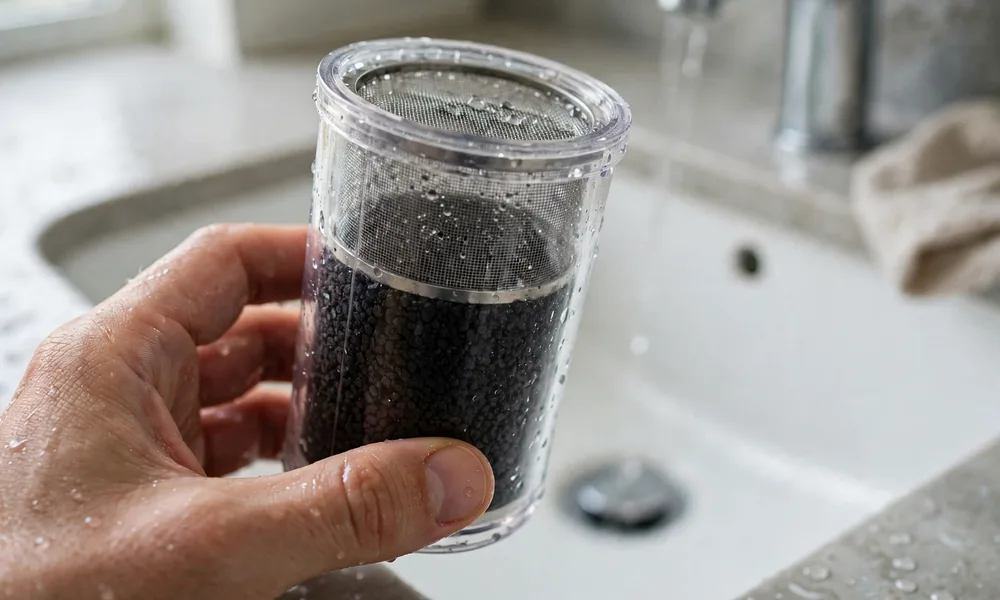
Carbon filters absorb chlorine, odours, and some organic compounds, while KDF media — a copper-zinc alloy — tackles chlorine and heavy metals and helps stop bacteria growing inside the cartridge. Like vitamin C, though, they do not soften water on their own: for hardness you need a softening stage alongside them.
Softening filters
True softening filters use ion-exchange resin or a salt-free conditioning medium to reduce calcium and magnesium before the water reaches the shower. These are the only filters that genuinely soften hard water, and they are the right choice when limescale is your main problem. They cost more and need replacing on a strict schedule — but in a very hard-water area, nothing else does the job.
What to Look for Before You Buy
Filtration type comes first, and it is the step most buyers skip. Decide what your water actually needs: if chlorine is the problem, carbon or vitamin C will do; if limescale is the problem, you need a softening stage. Buying a chlorine filter for a limescale problem is the most common — and most expensive — mistake.
Cartridge life comes next. Manufacturers quote life in months or litres, but both figures assume average use. A family of four showers roughly four times as much as a single person, so a cartridge rated for three months may last six weeks in a busy household. Check the replacement cost too: a cheap filter with expensive cartridges costs more over a year than a pricier filter with long-lived ones.
Then check flow rate and fittings. A good filter should barely change your water pressure, so look for a wide-bore housing and a stated flow rate that matches your shower. Most filters use a standard half-inch thread, but check yours before ordering — older fittings and some rainfall systems use different sizes.
Finally, look at build quality. The housing should feel solid, seal without leaking, and unscrew easily by hand when the cartridge needs changing. Avoid filters with no stated certifications: look for NSF or equivalent testing for the claims on the box.
Shower Filters Compared
| Type | Best for | Softens water | Cartridge life | Watch out for |
|---|---|---|---|---|
| Inline, carbon + KDF | Most homes | No, chlorine only | 2–3 months | Can cut water pressure |
| Filtered shower head | Renters, small bathrooms | No, chlorine only | 1–2 months | Small cartridges wear fast |
| Vitamin C | Chlorine, dry skin | No | 1–2 months | Does not soften water |
| Inline, softening resin | Hard-water areas | Yes | 2–4 months | Heavier, costs more |
| Multi-stage inline | Worst water | Yes, with carbon | 3–6 months | Bulky on slim arms |
The Best Shower Filters in 2026
Best overall: the multi-stage inline filter
For most hard-water homes, a multi-stage inline filter is the right answer: it combines a sediment screen, carbon for chlorine, and a softening medium for hardness in one housing. It installs in minutes and the difference in the water is obvious within a week.
Best for very hard water: the softening resin filter
When limescale is the main complaint — crusty taps, a head that clogs every month, spots on every glass — a dedicated softening resin filter earns its price. It reduces calcium and magnesium properly, so nozzles stay clear, soap rinses clean, and skin feels less tight after a shower. A spent resin cartridge does nothing, so set a reminder when you fit a new one.
Best for renters: the filtered shower head
Renters cannot replumb a bathroom, and a filtered shower head needs no landlord’s permission: unscrew the old head, screw on the new one, and take it with you when you move. The cartridges are small and need changing every month or two, but the whole unit costs little and the chlorine reduction alone makes showers feel kinder on skin and hair.
Best budget buy: the simple inline carbon filter
A plain inline carbon filter costs very little and does the core job well: it removes chlorine and odour, protects the shower head from sediment, and makes the water smell and feel cleaner. It will not soften hard water, so buy it only if chlorine is your real problem. Spend a little more on a housing you can refill.
Best for families: the high-capacity inline filter
Families burn through cartridges fast, so a high-capacity inline filter with a large housing is the economical choice. The bigger cartridge lasts three to six months even with four daily showers, and the per-month cost ends up lower than any small-cartridge alternative. Buy cartridges in pairs so a replacement is always on hand.
How to Fit a Shower Filter
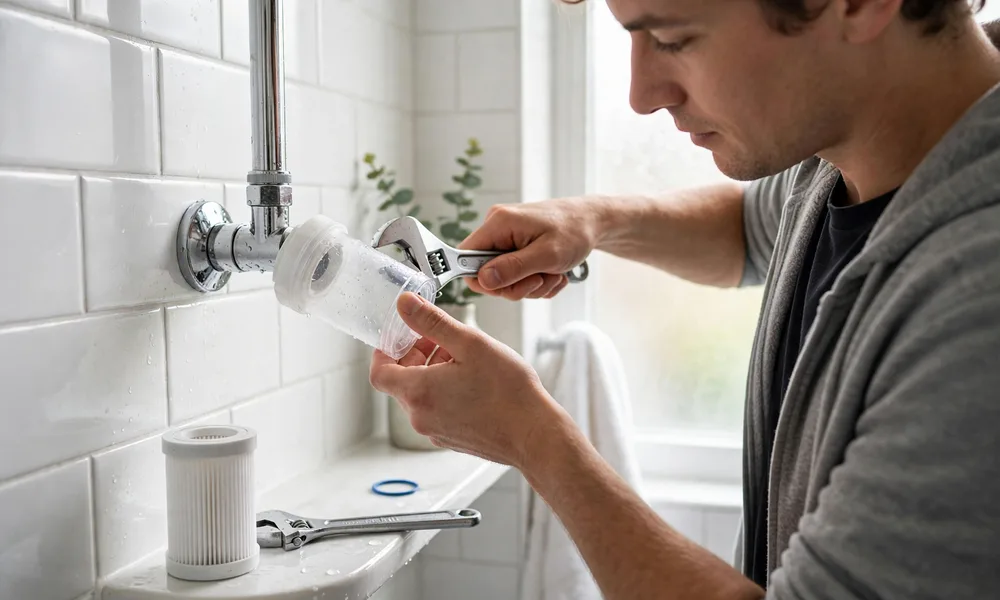
Fitting an inline filter takes about ten minutes and no special tools. Turn off the shower, unscrew the shower head from the arm, and wrap the threads with plumber’s tape. Screw the filter housing onto the arm, then screw the head onto the filter, tightening by hand plus a quarter-turn with a wrench. Run the shower for a minute before stepping in to clear loose carbon dust from the cartridge.
Check for leaks at both joints after the first use, and tighten gently if you see a drip. Note the fitting date on the housing, and set a calendar reminder for the cartridge change. A filtered shower head fits the same way, with the cartridge already inside the handle or behind the faceplate.
Care and Cartridge Changes
A shower filter only softens water while its cartridge is alive, so changing it on time matters more than which filter you buy. Watch for the signs of a spent cartridge — the return of the chlorine smell, limescale on the head, or a drop in flow — and change it at the first sign.
Between changes, wipe the housing clean and check the seals for wear. Keep a spare cartridge in the cupboard, so you never go back to hard water for weeks while you remember to order one.
Your Shower Filter Checklist
- Test your water first, so you buy a softening filter for limescale and a carbon filter for chlorine.
- Check your shower fitting is a standard half-inch thread before you order.
- Choose a clear housing so you can see when the cartridge is spent.
- Work out the real cartridge cost per month for your household size, not the headline price.
- Confirm the filter will not choke your flow rate, especially with a rainfall head.
- Buy a spare cartridge with the filter, and note the fitting date on the housing.
Frequently Asked Questions
Do shower filters really soften hard water?
Only softening filters do. Carbon, vitamin C, and KDF filters remove chlorine and improve smell and feel, but calcium and magnesium pass straight through them. If limescale is your problem, you need a filter with ion-exchange resin or a salt-free softening medium.
Will a shower filter reduce water pressure?
A good one barely will. Wide-bore housings and high-capacity cartridges keep the flow strong, while cheap narrow filters can choke it noticeably.
How often should I change the cartridge?
Most cartridges last two to three months in a typical household, and one to two months in a busy family bathroom. Follow the manufacturer’s schedule, and change it sooner if the chlorine smell returns, limescale reappears, or the flow drops.
Can I fit a shower filter myself?
Yes. An inline filter screws between the shower arm and the head with no tools beyond plumber’s tape and, at most, a wrench. A filtered shower head is even simpler: unscrew the old head and screw on the new one.
Do shower filters help dry skin and hair?
Yes, for many people. Removing chlorine stops it stripping natural oils from skin and hair, and softening reduces the mineral film that makes shampoo hard to rinse out.
Are shower filters worth it in a rented home?
Yes, especially a filtered shower head, which needs no plumbing changes and moves with you. It protects both your skin and the landlord’s fittings from limescale.
The Bottom Line
A shower filter is a small, inexpensive upgrade that changes how every shower feels. Test your water first, then choose a multi-stage inline filter for most hard-water homes, a dedicated softening resin filter for the worst limescale, or a filtered shower head if you rent. Change the cartridge on schedule, and the chlorine smell, the crusty nozzles, and the tight skin start to fade within days. The rest of the bathroom benefits from the same thinking: a good shower head that turns an ordinary bathroom into a spa pairs perfectly with a filter, while a dedicated shower head built for hard water keeps spraying evenly even as minerals build up. And since filtration is a whole-home question, it is worth reading our guide to the best water filters for clean, great-tasting drinking water before your next upgrade.