Top Spades That Cut Through Clay Without Bending in 2026
The best spades cut into the ground the way a knife cuts into bread: cleanly, with your body weight doing the work instead of your arms. A good spade slices through clay, lifts a root ball whole, and edges a lawn in a straight line. A bad one bends at the socket or folds its blade on the first stone. The difference is rarely the price. It is the steel, the socket, and whether the blade shape matches the job.
A spade is not a shovel, and the distinction matters before you buy. A spade has a flat blade made for cutting down into soil and lifting it out. A shovel has a curved, scooped blade made for moving loose material that is already dug. Our guide to the best vs worst shovels of 2026 covers the scooping tool; this guide covers the cutting one.
Key Takeaways
- A digging spade is the best all-round choice: a flat forged blade, a treaded top edge, and a handle that fits your height.
- A border spade is the smaller, lighter version for raised beds and tight spaces, where a full-size spade is too big to turn.
- A transplanting spade is the one for moving plants: its long, narrow blade digs deep without disturbing the roots around it.
- A drain spade is the specialist for narrow trenches and cutting lawn edges, where a wide blade cannot reach.
- Forged steel blades hold their shape in stony soil; stamped blades bend, and the socket fails first, so check it before you buy.
Spades Compared
| Spade type | Best for | Blade | Length | Watch out for |
|---|---|---|---|---|
| Digging spade | Digging beds, turning soil | Flat, 28 cm | Full size | Heavy in clay if too wide |
| Border spade | Raised beds, tight spaces | Smaller flat blade | Shorter handle | Too small for heavy digging |
| Transplanting spade | Moving shrubs and perennials | Long, narrow | Full size | Slow at moving loose soil |
| Drain spade | Trenches, lawn edges | Narrow, pointed blade | Long handle | Poor at lifting wide loads |
1. The Digging Spade: The Garden Workhorse
The digging spade is the standard garden spade and the one most gardens need first. Its flat blade, usually around 28 centimetres long, cuts straight down into the soil, and a treaded top edge gives your boot a firm place to push. On clay, a narrower blade penetrates better than a wide one. A forged blade with a long, solid socket is worth every penny: the socket takes the full force of your boot and body weight, so it is where cheap spades fail first.
Choose the handle length for your height: longer for tall gardeners and heavy digging, shorter for tight beds. Ash wood is the traditional choice: strong, light, slightly springy, and easy to replace. Our guide to garden tools that last more than a season puts the digging spade in context with the rest of the shed.
2. The Border Spade: The Smaller Sibling
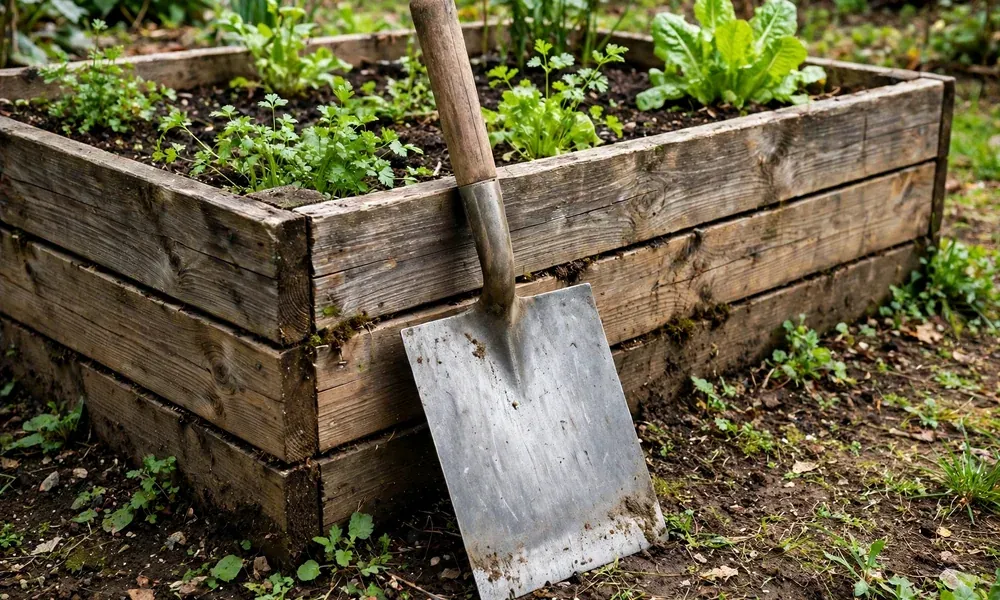
The border spade is a digging spade scaled down: a smaller blade, a shorter handle, and a lighter weight. It is the right tool for raised beds, where a full-size spade cannot turn, and for gardeners who find a standard spade too heavy. In a deep raised bed, it reaches the bottom without the handle hitting the frame.
The trade-off is capacity. A border spade moves less soil per lift and struggles in heavy clay, where its shorter handle gives you less leverage. Buy it as a second spade for beds and borders, not as your only spade if you dig new ground. The same buying rules apply: a forged blade, a solid socket, and a handle that fits your hands.
3. The Transplanting Spade: The Plant Mover
The transplanting spade has a long, narrow blade, often 40 centimetres or more, made for digging deep around a plant without disturbing its neighbours. Slide it down beside a shrub or perennial, work it around the root ball, and lift the whole plant out with its roots intact. The narrow blade cuts a clean hole where a wide blade would tear the soil open.
A transplanting spade is a specialist, and it is slow at jobs a digging spade does quickly: turning a bed, lifting a wide load, or edging a lawn. Buy it when you move plants often, and keep the blade sharp, because a blunt narrow blade tears roots instead of cutting them. It pairs well with a hoe for weeding between the plants once they are in.
4. The Drain Spade: The Narrow Specialist
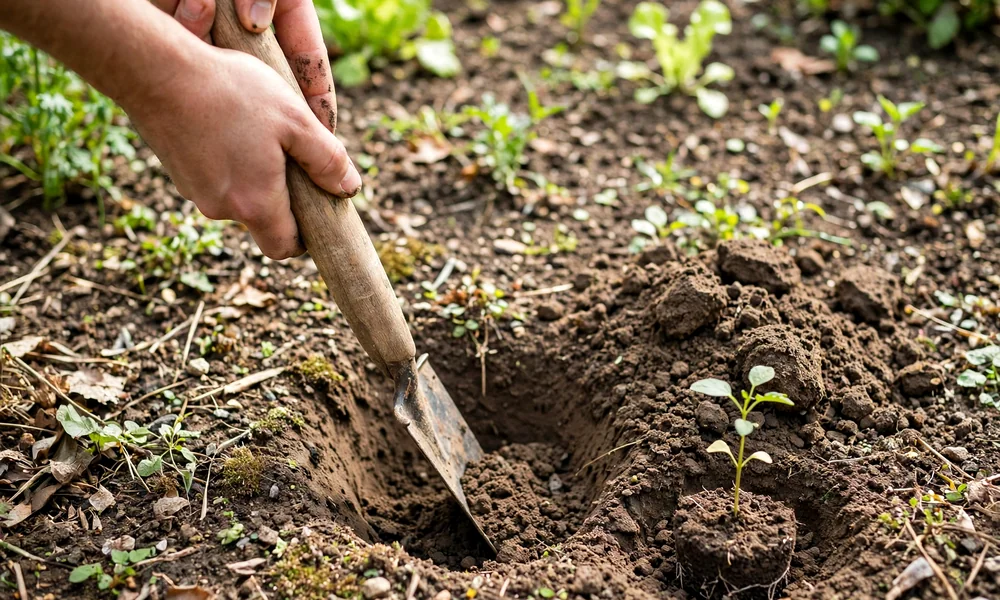
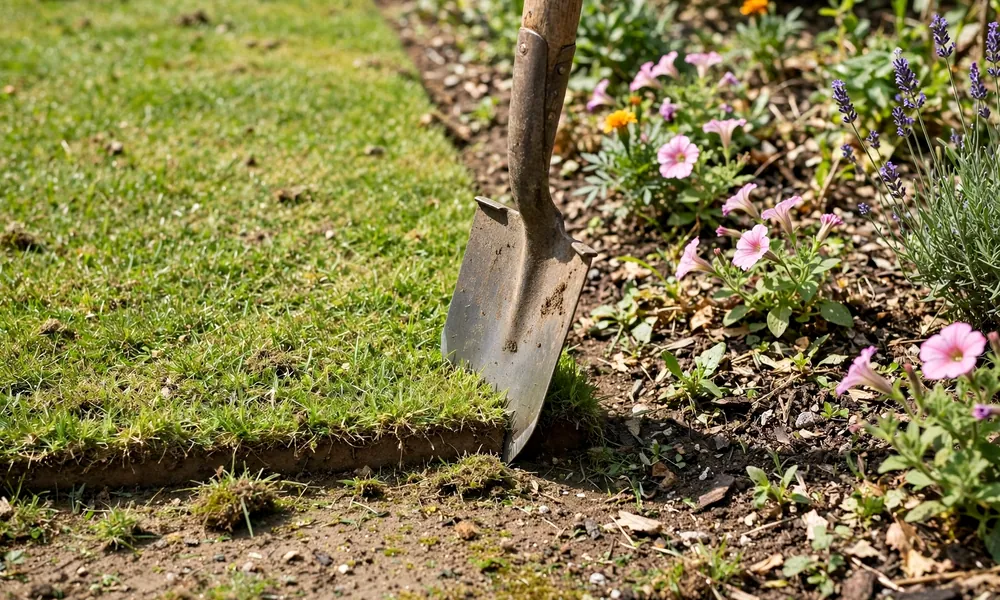
The drain spade, sometimes called a trenching spade, has the narrowest blade of all: long, slim and slightly pointed, made for digging narrow trenches for pipes, cables and edging. It cuts a clean channel where a wide blade would open a trench twice as wide as you need, and it is the best spade for cutting a straight lawn edge.
The drain spade is the least useful spade for general digging, because its narrow blade lifts almost nothing per scoop. Buy it for trenches and edges, not for turning beds. The blade should be forged and the socket long, because trenching puts the socket under a constant sideways load as you lever the blade.
Blade Materials: Forged, Stainless or Carbon Steel?
Steel is the heart of every spade, and forged steel is the best of it. Forged blades are shaped while hot, so they are dense and strong, and they hold their shape through stony soil that would fold a stamped blade. Stamped steel is cut from flat sheet and bent into shape; the first patch of clay will bend it at the socket, and once bent it never sits true again. Stainless steel resists rust and needs little care, but it is harder to sharpen than carbon steel. Carbon steel takes the keenest edge and is the toughest of the three, yet it rusts if left wet, so it asks for a quick wipe and a drop of oil after use.
Handles: Wood, Fibreglass or Steel?
The handle decides whether a spade feels good after twenty minutes of digging. Ash wood is the classic choice: strong, light, slightly springy, and easy to replace. Hickory is tougher still and the best choice for a heavy digging spade. Fibreglass handles are lighter and will not rot, but they feel slippery when wet and transmit every knock from a stone to your hands. One-piece steel handles are the toughest and never come loose, yet they feel cold in winter and heavy after an hour. Whatever the material, the handle should be smooth, free of splinters, and firmly fixed. D-handles suit most gardeners for control; T-handles suit taller gardeners.
How to Dig Without Hurting Your Back
Dig when the soil is damp but not wet, ideally a day after rain, when the blade slides in easily and the soil lifts in clean slices. On baked dry ground, water the bed first or wait for rain. Stand with the spade vertical, push it down with your boot on the tread, and lever the handle back to lift the soil. Let your body weight do the work rather than your arms, and take small slices: a full blade of clay is heavy, and half a blade lifted twice is faster.
Work in a rhythm and change sides often, so one arm and one leg do not take all the strain. Dig a little at a time rather than trying to turn a whole bed in one session, and stop when your back tells you to: a tired gardener forces the tool, and a forced spade bends at the socket. After digging, a garden trowel that makes planting easy sets seedlings into the ground you have just opened.
Caring for a Spade So It Lasts for Years
Knock the soil off after use, wash the blade if needed, and dry it before putting it away. An oiled rag protects the metal, and linseed oil keeps wooden handles from drying and cracking. A few passes with a flat file, following the original bevel, restore a digging edge in minutes. A blunt spade needs more force, which strains the socket and your back alike. Store spades hung up, out of the damp, with the blade covered or facing the wall.
Mistakes That Waste a Good Spade
The most common mistake is using a spade for a job it was never meant to do: prying rocks out with the blade, levering up paving, or cutting through thick roots. The second mistake is digging dry, baked soil: water it first or wait for rain, because a spade forced into hard ground bends at the socket. The third mistake is buying a twenty-piece tool set instead of one good spade. Finally, never force a blunt spade: sharpen it, or the extra force will break the socket and strain your back.
Spade Checklist: Before You Buy
- Match the blade to the job: digging for beds, border for raised beds, transplanting for moving plants, drain for trenches and edges.
- Choose a forged steel blade over stamped metal, and flex it with your thumb before you buy: if it bends, put it back.
- Check the socket for a long, solid joint with no wobble, and prefer a rivet over glue.
- Pick a handle length that fits your height, in ash or hickory wood, with a D-handle for control.
- Keep the blade sharp with a flat file, and oil carbon steel after use so it does not rust.
- Dig little and often on damp soil, take small slices, and let your body weight do the work.
Frequently Asked Questions
What is the difference between a spade and a shovel?
A spade has a flat blade for cutting down into soil and lifting it out. A shovel has a curved, scooped blade for moving loose material that is already dug. Dig with a spade, move with a shovel.
Which spade is best for clay soil?
A digging spade with a narrow forged blade. The narrow blade penetrates clay better than a wide one, and forged steel holds its shape where stamped steel bends.
How do I keep a spade blade sharp?
Run a flat file along the cutting edge at the bevel angle, working from the socket towards the tip, then remove the burr with light strokes on the flat side. Stainless steel needs a coarser file than carbon steel.
Can a spade replace a fork?
No. A spade cuts and turns soil, while a fork loosens and lifts it. A fork is the better tool for lifting root crops like potatoes.
Should I buy a long or short handled spade?
Long, for most adults: a full-length handle lets you dig standing upright. A border spade suits raised beds and tight spaces, but it gives you less leverage on heavy ground.
Can a spade damage tree roots?
Yes, if you dig too close to a tree. Keep the blade a good distance from the trunk and work shallow near roots. A transplanting spade is the safest choice near established plants.
The Bottom Line
The best spades for 2026 are the forged, well-socketed, sharp spades matched to the job: a digging spade for beds, a border spade for raised beds, a transplanting spade for moving plants, and a drain spade for trenches and edges. Choose the blade for your soil and the handle for your height, keep it sharp and dry, and digging becomes steady work instead of a struggle.