Top Lawn Edgers That Cut a Crisp Edge Along Paths and Beds in 2026
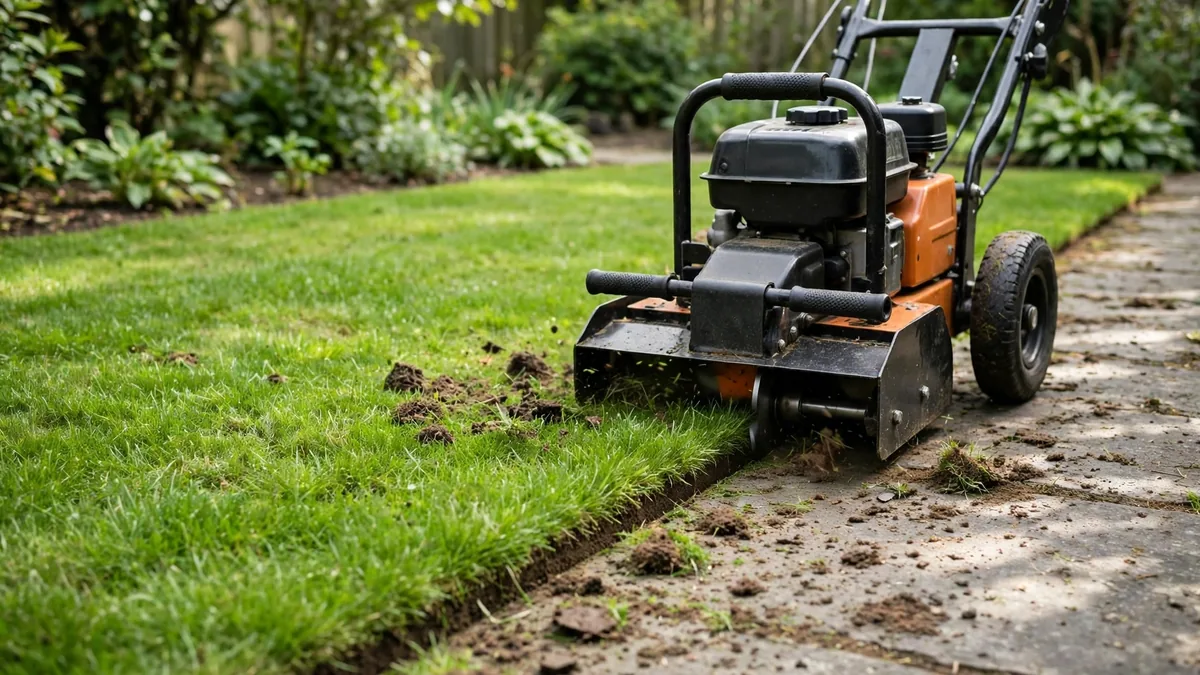
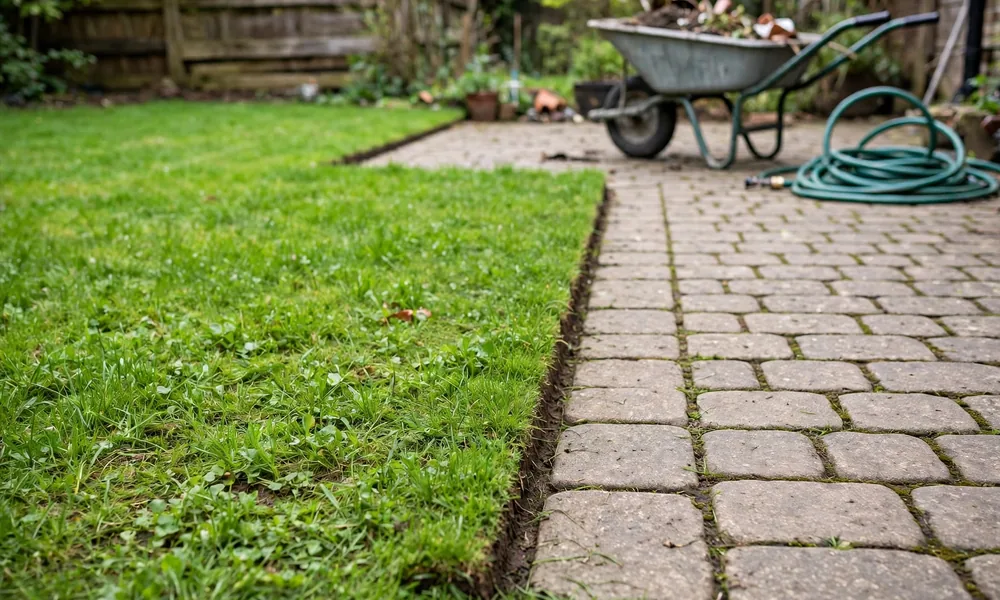
The best lawn edgers in 2026 are the ones that leave a line you can see from the house: a crisp, straight cut where the grass ends and the path begins, . A good lawn edger slices vertically through turf and roots in one pass, and turns a scruffy lawn edge into the neatest line in the garden.
A lawn edger earns its place the moment a mower cannot reach the edge. A mower cuts grass flat, but it cannot cut the vertical face where lawn meets path, driveway, or flower bed. That is the edger’s job: a blade that cuts down, not across, so the lawn stops exactly where you want it to.
Key Takeaways
- A lawn edger cuts vertically, not horizontally: it slices the turf face where lawn meets path, which is a job a mower cannot do.
- Match the edger to the size of the job: a manual half-moon edger suits small borders, while a powered edger suits long paths and driveways.
- Blade depth decides the result: a shallow cut looks neat for a week, while a deep cut holds its line through the season.
- Work along a guide line for long edges: a string line or the path itself keeps the cut straight where a freehand pass wanders.
- Edge little and often: a quick pass every few weeks beats a heavy cut once a year, and it is far easier on the tool and your back.
What a Lawn Edger Actually Is
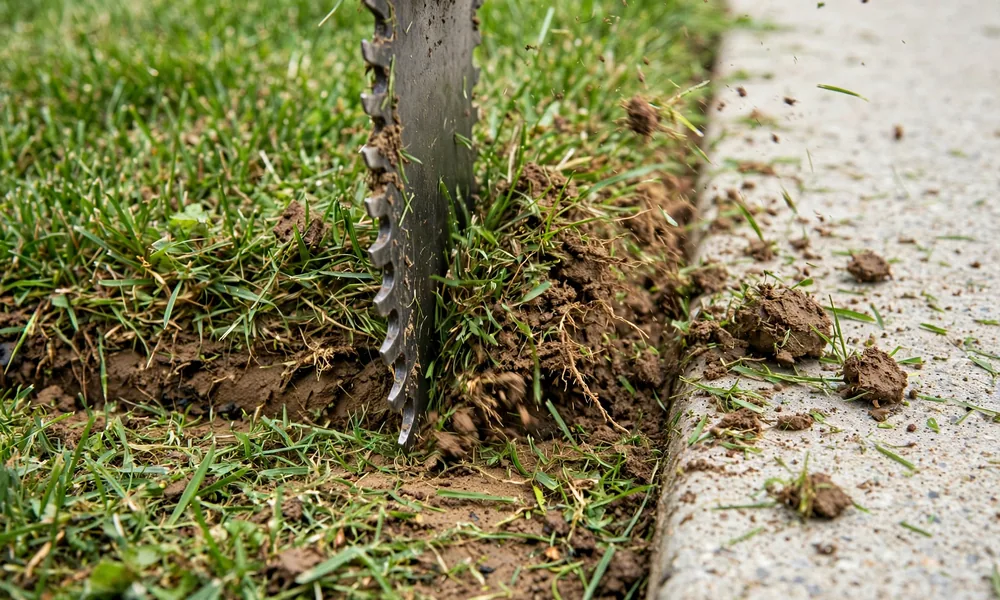
A lawn edger is a tool with a blade that cuts vertically into the turf, slicing a clean face between the grass and whatever borders it. The blade may be a half-moon steel plate you push with your foot, a spinning steel disc on a powered machine, or a reciprocating blade on a cordless tool. The principle is the same in every case: the blade goes down through the grass and roots, and the cut leaves a sharp, visible edge.
That vertical cut is what sets the edger apart from the mower. A lawn mower cuts the grass flat at a set height, and our guide to how to choose a lawn mower that fits your garden covers that job in full. The edger finishes what the mower starts.
The edger is also distinct from the other tools in the garden kit. A string trimmer cuts grass sideways with a spinning line, which is fast but leaves a ragged, uneven edge. A spade can cut an edge, but it is slow and hard to keep straight over a long run, as our guide to the best spades that cut through clay without bending shows. The edger is the dedicated tool: a blade shaped for the edge and a guide that keeps it straight. Our guide to garden tools that last more than a season treats the edger as one of the core tools.
The Types of Lawn Edger
Manual Half-Moon Edgers
A half-moon edger is a flat, semicircular steel blade on a long handle, pushed into the turf with your foot. It is the cheapest edger, the quietest, and the most precise for short borders and flower beds. It suits small gardens and anyone who edges a few metres at a time.
Wheeled Manual Edgers
A wheeled manual edger adds a wheel and a guide to the half-moon idea, so the blade rolls along the path and cuts a consistent depth. It is faster than a plain half-moon edger and easier to keep straight, because the wheel follows the path edge. It suits medium gardens with long, straight paths,
Corded Electric Edgers
A corded electric edger spins a steel blade with a mains motor, cutting a deep, clean edge at walking pace. It is light, quiet, and cheap to run, and it suits gardens where a power socket is within reach of the paths.
Battery Edgers
A battery edger does the same job without the cable, running from the same battery platform as a cordless mower or trimmer. It is the most convenient powered edger for most gardens: quiet, light, and free to go anywhere.
Petrol Walk-Behind Edgers
A petrol walk-behind edger is a heavy machine with a powerful engine and a large blade, built for long driveways, estate paths, and professional use. It cuts the deepest, straightest edge of any edger, and it never runs out of charge.
Lawn Edgers 2026 at a Glance
| Best for | Edger type | Power | Standout strength |
|---|---|---|---|
| Best overall | Battery edger | Battery | Clean edges anywhere, no cable |
| Best for small gardens | Half-moon edger | Manual | Precise, quiet, and cheap |
| Best for long paths | Wheeled manual edger | Manual | Straight lines with little effort |
| Best for driveways | Petrol walk-behind | Petrol | Deep cuts and all-day power |
| Best budget | Corded electric edger | Mains | Sharp out of the box, low price |
| Best for beds | Half-moon edger | Manual | Neat curves around flower beds |
How We Judged the Best Lawn Edgers
We judged every edger on the edge first, testing on established lawns, overgrown edges, and beds with thick root mats. An edger that leaves a ragged, torn face was out, however comfortable it felt, because the cut is the whole job.
The Best Lawn Edgers of 2026
The Everyday Battery Edger
The best overall lawn edger is a battery model with a steel disc blade, an adjustable depth guide, and a handle that sits naturally in the hands. It cuts a crisp edge along paths and driveways at walking pace, with no cable to manage and no petrol to mix.
The Small-Garden Half-Moon Edger
The best half-moon edger is a forged steel blade on a long ash handle, sharp enough to slice turf in one push and light enough to use for an hour without strain. It suits flower beds, short paths, and curved borders, where a powered edger would be clumsy.
The Long-Path Wheeled Edger
The best wheeled manual edger rolls along the path edge with a steel blade that cuts a consistent depth, so the line stays straight for the whole run. The wheel takes the weight, which makes it far easier on your back than a plain half-moon edger, and the guide keeps the blade from wandering.
The Driveway Petrol Edger
The best petrol walk-behind edger carries a large steel blade on a heavy frame, and it cuts the deepest, straightest edge of any edger in this guide. It handles overgrown edges and thick root mats that would stop a battery edger, and it runs all day on a tank of fuel.
The Budget Corded Edger
A good budget edger is a straightforward corded electric model with a steel blade, a depth guide, and a price that makes it easy to buy for a single garden. The best budget option we found arrived sharp, cut a clean edge along a path, and held its depth through a full afternoon.
The Flower-Bed Edger
The best bed edger is a short-handled half-moon blade that follows the curve of a bed, cutting a neat face between the lawn and the soil without disturbing the plants. It is light, precise, and easy to control in tight spaces, and it leaves a line that makes the whole bed look cared for.

Blade Depth, Power and Guides
Blade depth decides how long the edge lasts. A shallow cut, only a centimetre deep, looks neat for a week before the grass creeps back over it. A deep cut, three to five centimetres, holds its line through the season, because the roots are severed and the grass cannot regrow across the gap quickly.
Power decides how fast you can work and how thick the growth you can cut. A manual edger is fine for soft turf and short edges, but it struggles with thick root mats and overgrown paths. A battery or corded edger cuts through most growth at walking pace, while a petrol edger powers through anything.
The guide decides whether the cut stays straight. A wheeled edger follows the path edge, a depth guide holds the blade at a consistent height, and a string line gives a freehand edger something to follow. Without a guide, even a good edger wanders.
Edging Technique That Keeps Lines Straight
Work along the path, not across it, with the blade vertical and the guide against the paving. Start with a shallow pass to mark the line, then deepen it on a second pass if the growth is thick. Walk at a steady pace and let the blade do the work: pushing hard only tears the grass and makes the line wander.
Edge after mowing, not before, so the grass is short and you can see the line clearly. Wet turf cuts more easily than dry, so edge after rain or watering if the ground is hard.
Looking After a Lawn Edger
Clean the blade after every session and oil it lightly before storage, because soil and damp are what dull a good blade long before the edge wears out. A stiff brush takes off the worst of the mud, and a wipe with an oily rag keeps rust at bay.
Sharpen the blade when it starts tearing grass instead of slicing it. A dull blade makes you push harder, which tears the turf and leaves a ragged face, while a sharp blade cuts with light pressure. A half-moon blade sharpens with a file in a few minutes; a powered edger blade usually unbolts for sharpening or replacement.
Before You Buy: The Checklist
- Match the edger to the size of the job: a manual edger for small borders, a powered edger for long paths and driveways.
- Check the blade depth: it should cut at least three centimetres deep, so the edge holds its line through the season.
- Test the guide: it should follow the path edge firmly and hold a consistent depth without tools to adjust it.
- Hold the handle with gloves on: it should grip firmly without slipping or digging into your palm.
- Check the power: a battery should cover your longest path on one charge, and a cord should reach your paths.
- Confirm replacement blades are available and cheap, so a dull blade is a five-minute swap, not a new edger.
Frequently Asked Questions
What is a lawn edger used for?
A lawn edger is used to cut a crisp vertical edge where the lawn meets a path, driveway, or flower bed. It slices through turf and roots, leaving a sharp face that a mower cannot cut.
How is a lawn edger different from a string trimmer?
A lawn edger cuts vertically with a steel blade, leaving a straight, clean face. A string trimmer cuts horizontally with a spinning line, which is fast but leaves a ragged, uneven edge.
How deep should I edge my lawn?
Cut three to five centimetres deep on the first pass of the season, so the edge holds its line. Shallow maintenance passes every few weeks are enough after that.
How often should I edge my lawn?
Edge every few weeks through the growing season, after mowing. Little and often beats a heavy cut once a year, and it is far easier on the tool and your back.
Can I edge a lawn with a spade?
Yes, a spade can cut an edge, but it is slow and hard to keep straight over a long run.
Do I need a powered lawn edger?
Not for a small garden: a manual half-moon edger is precise, quiet, and cheap.
Bottom Line
A lawn edger is the tool that makes a mown lawn look finished: a crisp vertical line where the grass stops and the path begins. Buy a battery edger for most gardens, a half-moon edger for small borders and beds, and step up to petrol only if your edges run to tens of metres.