The best squeeze bottles in 2026 are the quiet workhorses of the kitchen, the craft table and the bathroom shelf. A squeeze bottle is a soft plastic bottle with a pointed tip that turns hand pressure into a controlled line of liquid, and that simple idea covers an astonishing range of jobs. The same basic bottle that puts mustard on a hot dog also pipes pancake batter, draws icing, applies hair colour and carries shampoo on holiday without leaking.
Choosing the best squeeze bottle is about matching the bottle to the liquid inside it: a bottle perfect for thin hot sauce will clog on thick barbecue sauce, and one built for craft glue will never survive a dishwasher. This guide covers the main types, what makes one squeeze cleanly, and how to pick the right tip, material and size.
Key Takeaways
- The tip decides everything: a fine tip for thin liquids and detail work, a wide tip for thick sauces and batter, and interchangeable tips beat a fixed tip every time.
- Soft LDPE plastic is the best all-round squeeze bottle material, because it springs back after every squeeze instead of staying dented.
- Buy a bottle you can take fully apart, with a wide mouth and a removable tip, or dried liquid will clog it within weeks.
- One bottle cannot serve every job: keep separate bottles for food, crafts and beauty, and never mix them.
- Leave air at the top when you fill a squeeze bottle, because a bottle filled to the brim bursts on the first press.
A Squeeze Bottle Is a Tool, Not a Sauce Bottle
A squeeze bottle works on pressure, not gravity. Press the soft walls and the air inside pushes liquid out through the tip; release, and the flow stops. That is why it beats a jug or a pouring bottle for anything needing a line rather than a flood: a cook draws sauce across a plate, a baker pipes batter into a shape, a crafter places one drop of glue exactly where it belongs.
The mistake is thinking of squeeze bottles as sauce bottles and nothing else. Sauces are the most visible use, but the same bottle shows up in bakeries, art studios, hair salons and garden sheds. A pancake artist draws batter animals with a wide-tip bottle, a cake decorator manages icing details a piping bag cannot, and a hairdresser places colour on roots without staining the scalp.
The Main Types of Squeeze Bottle, Compared
Squeeze bottles fall into five families, and the family decides the tip, the size and the jobs it suits.
| Type | Best For | Tip | Material | Watch Out For |
|---|---|---|---|---|
| Condiment bottles | Ketchup, mustard, barbecue and hot sauce | Pointed, cut to width | Clear LDPE plastic | Staining and smells over time |
| Batter bottles | Pancakes, waffles, crepes and fritters | Wide, removable | Soft LDPE plastic | Thick batter needs a wide tip |
| Icing and craft bottles | Icing, glue, paint and resin | Fine needle or precision | LDPE or PET plastic | Fine tips clog if not cleaned |
| Hair colour applicators | Root colour and treatments | Narrow, angled | LDPE plastic | Keep away from food bottles |
| Travel squeeze tubes | Shampoo, lotion and soap on trips | Flip cap or valve | Silicone or soft LDPE | Small capacity, fiddly to fill |
Condiment bottles are the classic squeeze bottle and the safest first buy: clear, so you can see how much is left, with a pointed tip you can cut wider for thick sauces. Our guide to sauce bottles that serve cleanly covers the glass and pump bottles that sit alongside them on the table.
Picking the Right Tip
Start with the tip, because the tip is the bottle. A narrow tip gives a thin line for hot sauce, thin dressings, icing detail and craft glue. A wide tip gives a thick ribbon for barbecue sauce, ketchup, mayonnaise and pancake batter. A tip that cannot be removed is a warning sign: it cannot be cleaned, and dried sauce in a fixed tip is the most common reason a bottle gets thrown away.
The most useful feature of all is a set of interchangeable tips. One bottle, several tips swapped in seconds, covers thin and thick liquids without buying two bottles. A Yorker tip seals between uses and stops leaks in a bag, while a needle tip suits fine craft work and tight corners. Test the tip first: fill the bottle with your thickest liquid and squeeze gently; the flow should start at once and stop the moment you release.
Squeeze Bottles Beyond the Kitchen
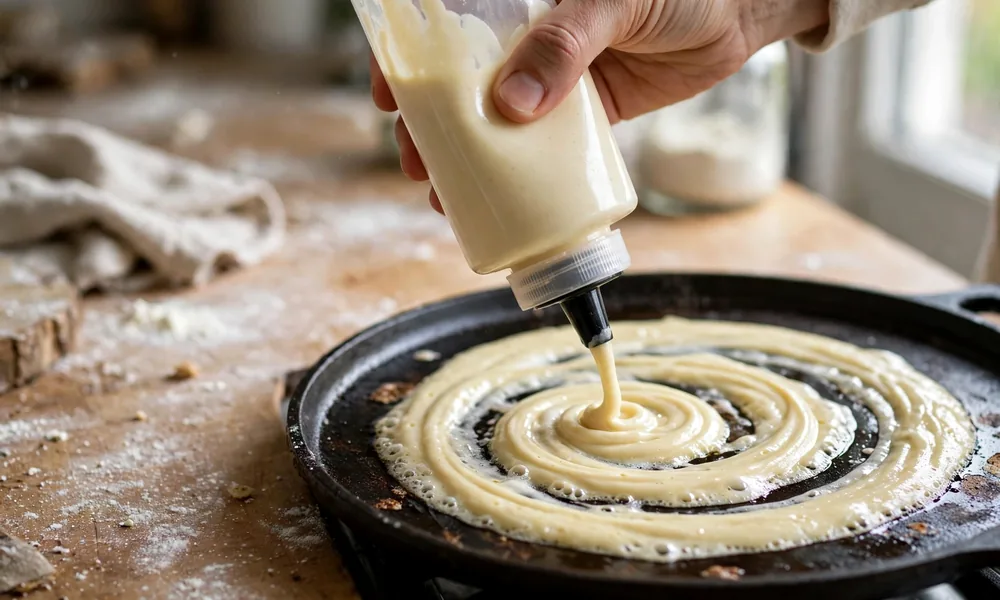
Baking is where squeeze bottles quietly earn their keep. A batter bottle turns pancake morning into a drawing lesson: fill it, squeeze swirls onto a hot griddle, and flip when the edges set. The same bottle portions waffle batter without drips and fills cupcake cases without a jug. Choose a wide tip, a bottle that stands upright while the pan heats, and a wide mouth for pouring thick batter.
Crafts are the second home of the squeeze bottle: a fine tip places glue along a seam, draws paint lines on fabric and measures resin a drop at a time. A small silicone tube carries shampoo and lotion on trips without the weight of full bottles. Keep craft bottles far from food bottles and label them clearly, because a glue bottle and a sauce bottle look identical on a shelf.
Material and Size: What Lasts and What Does Not
LDPE, the soft cloudy plastic most squeeze bottles are made from, is the best all-round material. It is light, cheap, unbreakable and springs back after every squeeze, which is what stops the flow cleanly. Clear LDPE lets you see the level, which matters more than it sounds: a bottle that hides its contents always runs out mid-job. PET is clearer and stiffer, suiting a table bottle, but it squeezes less easily and can stay dented. Silicone suits travel tubes, surviving being sat on in a suitcase, but it costs more and holds smells.
For size, 250 to 350 millilitres suits most homes, larger bottles suit families and barbecues, and 100 millilitre bottles suit packed lunches and travel. The cap matters as much as the bottle: a good cap clicks or screws shut firmly and stays shut when the bottle is knocked over. Test the seal by turning the bottle upside down over your hand and squeezing gently.
How Thickness Decides the Bottle
Match the bottle to the liquid. Thin liquids, such as hot sauce, soy sauce and thin dressings, need a narrow tip, because a wide tip floods the plate. Our guide to vinegar bottles that pour cleanly makes the same point: the opening decides the serving, not the body.
Thick liquids need pressure and a wide opening. Ketchup, barbecue sauce, mayonnaise and salad cream all sit still until squeezed, and then arrive all at once if the tip is wrong. A soft LDPE bottle is the answer: it starts the flow with a gentle squeeze and stops it the moment you release. If the liquid is very thick, cut the tip a millimetre wider rather than squeezing harder, because hard squeezing is what makes a bottle burst sauce across the plate. Our guide to ketchup that actually tastes like tomatoes is about flavour, but the same thickness problem applies to the bottle. Liquids with bits, such as chunky salsa or seeded mustard, need the widest tip of all.
Cleaning, Refilling and Storage
A squeeze bottle is only as good as its cleaning. Dried liquid in a tip hardens into a plug, and the next squeeze either does nothing or sends the plug flying across the kitchen. The fix is simple: rinse the tip under hot water after every use, and take the bottle fully apart once a week. Bottles with removable tips, wide mouths and smooth insides clean in seconds, while bottles with fixed tips and narrow necks need a thin brush and patience.

Never top up a dirty bottle, fill to about four-fifths so the squeeze works, and label every bottle so ketchup never gets mistaken for barbecue sauce.
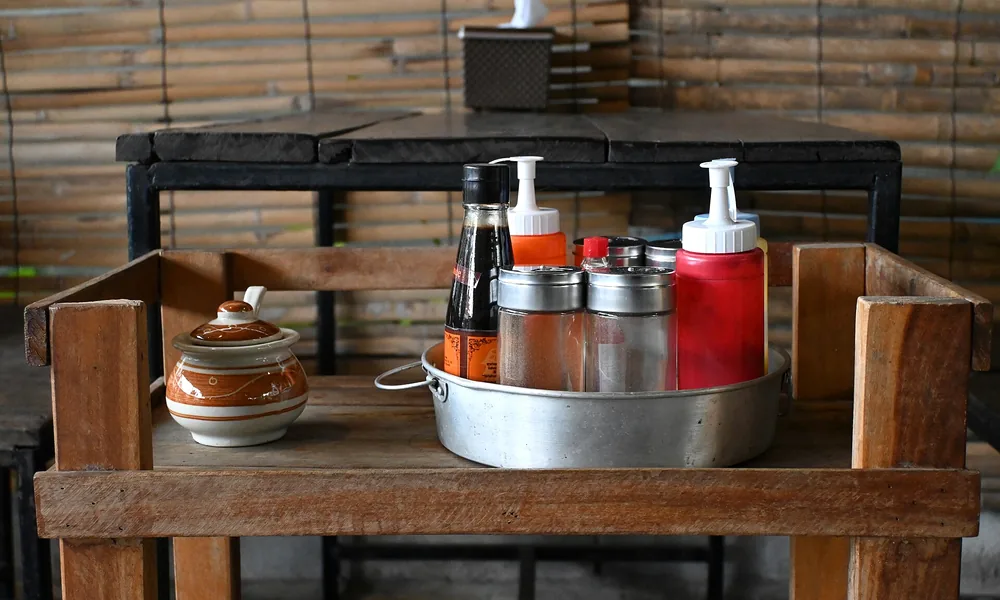
The most common mistakes are easy to avoid: one bottle for every sauce, since a single narrow tip cannot serve both hot sauce and barbecue sauce; a bottle that cannot be taken apart, since the tip will clog with dried liquid no soaking will shift; filling a bottle to the brim, since the first squeeze then sends liquid everywhere; and mixing food and craft bottles, which look the same on a shelf.
Squeeze Bottle Buying Checklist
- Check the tip: narrow for thin liquids, wide for thick ones, removable for cleaning.
- Squeeze the bottle before you buy: soft LDPE walls that spring back beat stiff walls that need a hard grip.
- Test the cap: screw it shut, turn the bottle upside down, and squeeze gently to check for leaks.
- Choose the size: 250 to 350 millilitres for home use, smaller for packed lunches and travel, larger for families and barbecues.
- Confirm the bottle comes fully apart, with a wide mouth and no fixed tip you cannot clean.
- Label every bottle and never share one between food, crafts and beauty.
Frequently Asked Questions
What is the best squeeze bottle for ketchup?
A soft clear LDPE bottle with a wide, removable pointed tip is the best squeeze bottle for ketchup. It gives pressure control, so ketchup comes out in a line instead of a splat, and the wide tip stops clogging. Choose 250 to 350 millilitres for home use, with a cap that seals for the fridge.
Can I put hot sauce in a squeeze bottle?
Yes, if the tip is narrow: a wide tip floods the plate, while a fine tip adds a few drops at a time. Choose a cap that seals tightly, because hot sauce stains everything, and rinse the tip after use.
How do I stop a squeeze bottle clogging?
Use a tip wide enough for the liquid, rinse it under hot water after every use, and wash the bottle apart once a week. Liquids with bits need the widest tip, and a bottle brush reaches what soaking will not shift.
Are plastic or silicone squeeze bottles better?
LDPE is better for kitchen and craft bottles: cheap, clear, and it springs back after every squeeze. Silicone is better for travel tubes, softer and more flexible under packing. Glass does not squeeze at all.
Can I use the same squeeze bottle for food and crafts?
No. Keep food, craft and beauty bottles strictly separate, even if they look identical. Glue, paint and hair dye are not food-safe, and a bottle that once held glue should never hold sauce.
How do I clean a squeeze bottle properly?
Take it fully apart, soak the parts in hot soapy water for ten minutes, scrub the inside with a bottle brush and run hot water through the tip. Dry every part completely before reassembling, and never refill a bottle that still smells of its old contents.
The Bottom Line
The best squeeze bottles in 2026 are bought for the job: a soft LDPE bottle with a tip matched to the liquid, a cap that seals, and a body that comes apart for cleaning. Keep one set for condiments, one for baking and crafts, and one for travel, and never mix them. Get the tip right, leave air at the top, and the liquid lands where you meant it to. Buy the bottle for the liquid you use most, and add a second bottle only when a new job needs a different tip.