
A good steak seasoning is the difference between a steak that tastes of beef and a steak that tastes of beef turned up loud. It is the dry blend of salt, coarse black pepper, garlic and a few supporting spices rubbed onto ribeye, strip, sirloin or fillet before the meat meets a hot grill or a screaming pan, and it does far more than add flavour. The best steak seasoning in 2026 is not the loudest or the most complicated jar on the shelf, but the one whose salt, pepper and garlic are in balance and whose flavour suits the cut and the cooking method.
This guide explains what steak seasoning is, how a crust actually forms, which ingredients matter, how the main styles differ, and how to season a steak so it sears properly instead of steaming.
Key Takeaways
- Steak seasoning is a salt, pepper and garlic-forward dry blend built for high-heat searing, not for slow smoking or sweet glazing.
- Salt is the most important ingredient: it seasons the meat deeply and dries the surface so a proper crust can form.
- Coarse black pepper brings heat and texture, but it burns easily, so add it at the right moment and keep the heat under control.
- Season at least forty minutes before cooking, or just before the steak hits the pan, and never in the awkward middle window.
- Match the blend to the cut: simple blends suit rich ribeye, while bolder garlic and herb blends suit leaner sirloin and fillet.
What Steak Seasoning Actually Is
Steak seasoning is a dry mixture of ground and flaked spices, salt and usually garlic, rubbed directly onto raw steak before cooking. It contains no liquid, and that is the point. A marinade soaks in and a sauce coats at the end, but a seasoning sits on the surface, draws out a little moisture, then dries again in fierce heat to form a seasoned crust. The classic base is coarse salt, coarse black pepper and garlic powder, with onion powder, paprika and a little dried herb in support.
It is worth understanding what steak seasoning is not. It is not a barbecue rub, built for hours of low, slow smoke, and it is not a taco seasoning, built for minced meat. A steak cooks in minutes over high heat, so its seasoning has to work fast.
How the Crust Actually Forms
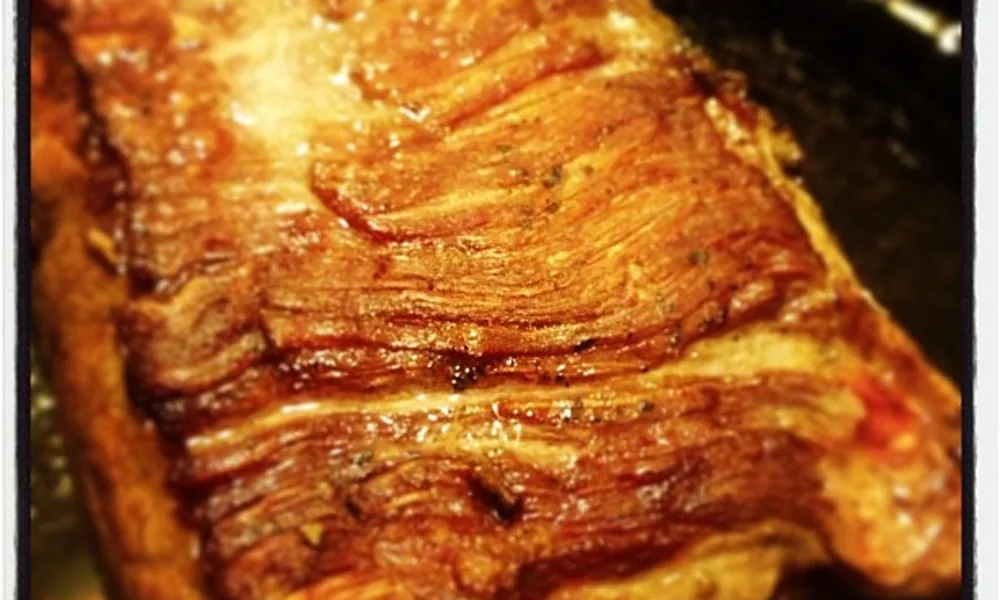
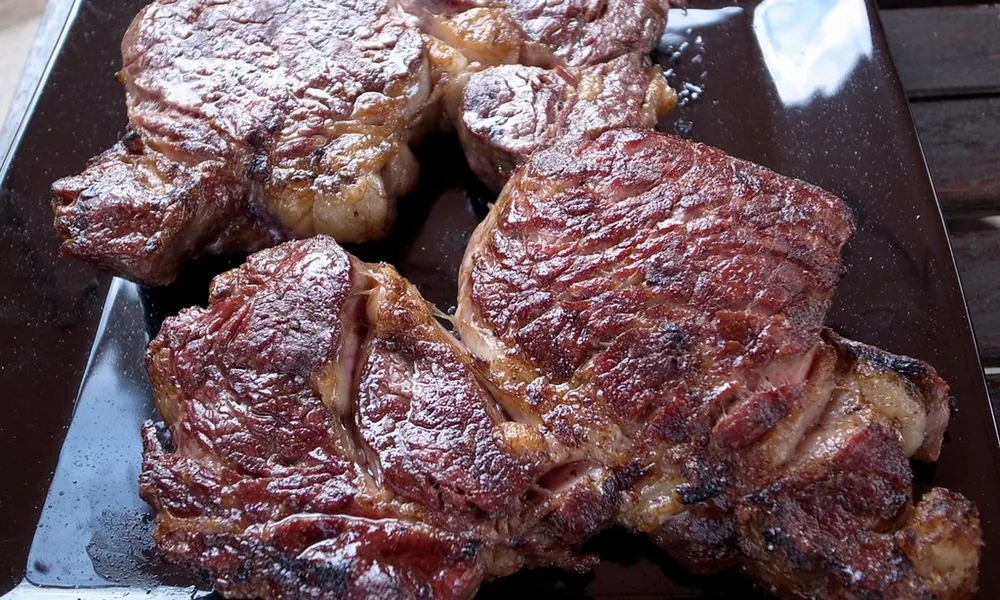
The crust is not burnt spice. When a well-seasoned steak hits a hot surface, the salt has already drawn moisture to the surface and that moisture has had time to evaporate, leaving the outside dry. Dry meat browns; wet meat steams. In the fierce heat the proteins and sugars on the surface brown hard, the fat renders and bastes the edge, and the seasoning toasts into the crust instead of sitting on top of it.
Three things decide whether a crust forms well. The first is a dry surface: pat the steak with paper towels, season it properly, and let the salt do its work so the outside is dry when it meets the heat. The second is real heat: a pan or grill that is properly hot, with the steak left alone long enough to brown instead of being moved every few seconds.
The Core Ingredients, and What Each One Does
Every ingredient earns its place, and knowing the roles helps you fix a blend that tastes off. Salt seasons the meat all the way through over time, and it is the only ingredient that does so; without enough salt, the steak tastes flat no matter how many spices sit on top. Black pepper brings heat and the coarse texture that catches the heat, and it is the backbone of almost every steak blend.
Garlic powder adds savoury depth without the risk of fresh garlic, which burns quickly at searing temperatures and turns bitter. Onion powder plays a quieter supporting role, rounding out the garlic and adding a gentle sweetness. Paprika brings colour and a mild pepper flavour, but use it lightly: a steak blend needs far less paprika than a barbecue rub, and too much turns the crust dark before the meat is cooked.
Seasoning Styles Compared
Steak blends fall into a few broad styles, differing mainly in simplicity, heat and herbs. The simplest is the salt-and-pepper style, sometimes with a little garlic, which lets the beef do the talking and suits the richest cuts. The classic steakhouse style adds garlic, onion and paprika to the salt and pepper base, giving a fuller, rounder flavour that works on almost any cut. The spicy style adds cayenne, chilli flakes or extra black pepper for heat, and it suits people who want a steak with a kick, provided the heat does not overwhelm the beef.
| Style | Lead flavours | Heat | Best for |
|---|---|---|---|
| Salt and pepper | Coarse salt and black pepper | Mild | Ribeye and wagyu |
| Classic steakhouse | Salt, pepper, garlic and paprika | Mild | Strip and sirloin |
| Herb | Rosemary, thyme and garlic | Mild | Fillet and butter-basted steaks |
| Spicy | Black pepper, cayenne and chilli | Hot | Sirloin and flank |
Shop-Bought Blends Versus Homemade Blends
Shop-bought steak seasonings are convenient and consistent, and a good one saves measuring four jars of spice on a busy evening. The best jars list salt, pepper and garlic first, with a short, readable ingredient list. The drawbacks are salt and control: many commercial blends are very salty, and because the salt is mixed in, you cannot add more seasoning without adding more salt.
A homemade blend takes five minutes and gives you full control. Start with two parts coarse salt, two parts coarse black pepper and one part garlic powder, then add half a part each of onion powder and paprika, and a pinch of dried rosemary if you like herbs. Mix it in a small jar, shake it well, and taste a pinch before you commit it to a good steak.
How to Season a Steak Properly
Start with dry meat: pat the surface with paper towels so the seasoning sticks instead of sliding off on a film of water. Season generously and evenly on every side, including the edges, pressing the blend in lightly with your hands so it stays put. A thin, even layer beats a thick one, which falls off in the pan, clumps in the fat and tastes gritty. Do not forget the fat cap on a strip steak: seasoning it helps the fat render and crisp.
Timing matters as much as technique. Season at least forty minutes before cooking, which gives the salt time to draw moisture out and then be reabsorbed, leaving the surface dry, or season just before the steak hits the heat. The awkward middle window, roughly five to thirty minutes before cooking, is the one to avoid, because the salt has drawn moisture to the surface and it has not yet dried, so the steak steams instead of searing.
Matching the Seasoning to the Cut
Ribeye wants a simple blend: it is rich, well marbled and strongly flavoured, and salt, pepper and a little garlic let the beef and the fat carry the meal. Strip steak takes the classic steakhouse blend well, with garlic and a little paprika adding roundness to a cut that is leaner than ribeye. Sirloin is leaner still, so it benefits from a bolder blend with herbs and a little extra garlic, and it needs a hot, fast cook so it stays tender. Fillet is the mildest cut, so a herb blend with rosemary and thyme suits it, especially when the steak is finished with butter in the pan.
The cooking method matters too. For the pan, our guide to cast iron skillets covers the heavy pan that holds the heat a proper sear needs. On the grill, our guide to gas versus charcoal grills explains which heat suits your cooking, and a simple salt-and-pepper blend is the safest choice over live fire, where sugary blends burn fast.
Mistakes That Ruin a Good Steak
The most common mistake is seasoning too late and cooking too cool: a wet surface and a lukewarm pan produce grey, steamed meat instead of a crust. The second is using a sweet blend: sugar burns at searing temperatures, so a blend built for barbecue turns black and bitter on a steak before the inside is cooked. The third is stale spices: a blend made from three-year-old garlic powder tastes like dust, so replace ground spices at least once a year.

Storage and Shelf Life
A shop-bought steak seasoning keeps for a year or more unopened, and about six months once opened, lid tight, jar cool and dark. A homemade blend is best within three months, because ground spices lose their edge quickly once mixed. Store blends away from the stove, and never shake one over a steaming pan: steam gets into the jar and clumps the batch. If a blend smells faint on opening, mix a fresh batch before an important cook.
Checklist: Choosing and Using a Steak Seasoning
- Salt and pepper lead the ingredient list, and the blend smells savoury and peppery rather than mostly sweet or smoky.
- The blend has no added sugar, or only a trace, so it can take high searing heat without burning.
- The grind is coarse enough to survive the heat, with fine dust kept to a minimum.
- You pat the steak dry, season every side including the edges, and give the salt at least forty minutes or season just before cooking.
- The pan or grill is properly hot before the steak goes on, and you leave the steak alone long enough to brown.
- The spices are fresh, stored cool and dark, and the blend is replaced at least once a year.
Frequently Asked Questions
How much steak seasoning should I use?
More than you think, but evenly: about a teaspoon per side for a thick steak, spread over every surface including the edges. The steak should look well dusted, not caked.
Should I season a steak the night before?
Yes, overnight seasoning works well: the salt seasons the meat deeply and the surface dries in the fridge air, so the crust forms faster.
Does steak seasoning need sugar?
No. A little sugar can help browning, but it is not needed and it burns easily at searing temperatures. Keep sugar out of a steak blend, or use only a trace, and save sweet glazes for barbecue, where the heat is lower and slower.
Can I use steak seasoning on other meats?
Yes, with care: it works well on pork chops and lamb, which take salt, pepper and garlic happily. It is too bold and peppery for delicate fish, and it lacks the herbs that make chicken and turkey taste their best.
Why did my pepper burn on the steak?
Usually the pepper was too fine, the heat was too high for too long, or the steak was cooked in a dry pan with no fat to protect the spices. Use coarse pepper, keep the heat high but controlled, and add a little oil or butter to the pan.
What is the difference between steak seasoning and a BBQ rub?
Steak seasoning is a salt, pepper and garlic blend built for fast, high-heat searing and a crisp crust. A BBQ rub leans on sugar and paprika and is built for hours of low, slow smoke and a dark bark. They share salt and pepper, but their jobs are different.
The Bottom Line
Steak seasoning is a small thing that decides the whole steak: a balanced dry blend of salt, pepper and garlic, applied early and given time to work, that turns into the dark, flavour-packed crust people remember. Keep salt in charge, keep sugar out, match the blend to the cut, and cook it hot. Our guide to red versus white wine with steak covers the pairing that finishes the meal.


